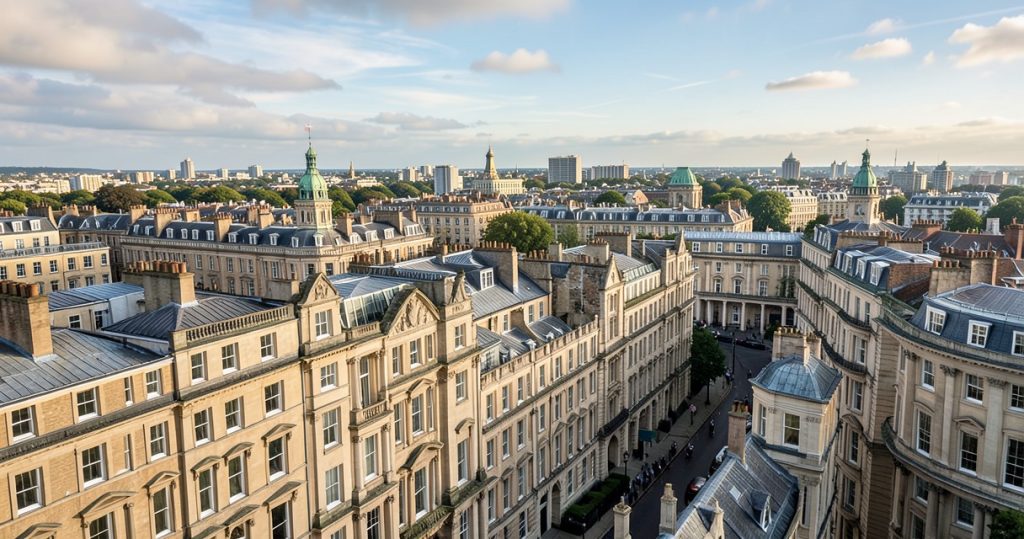
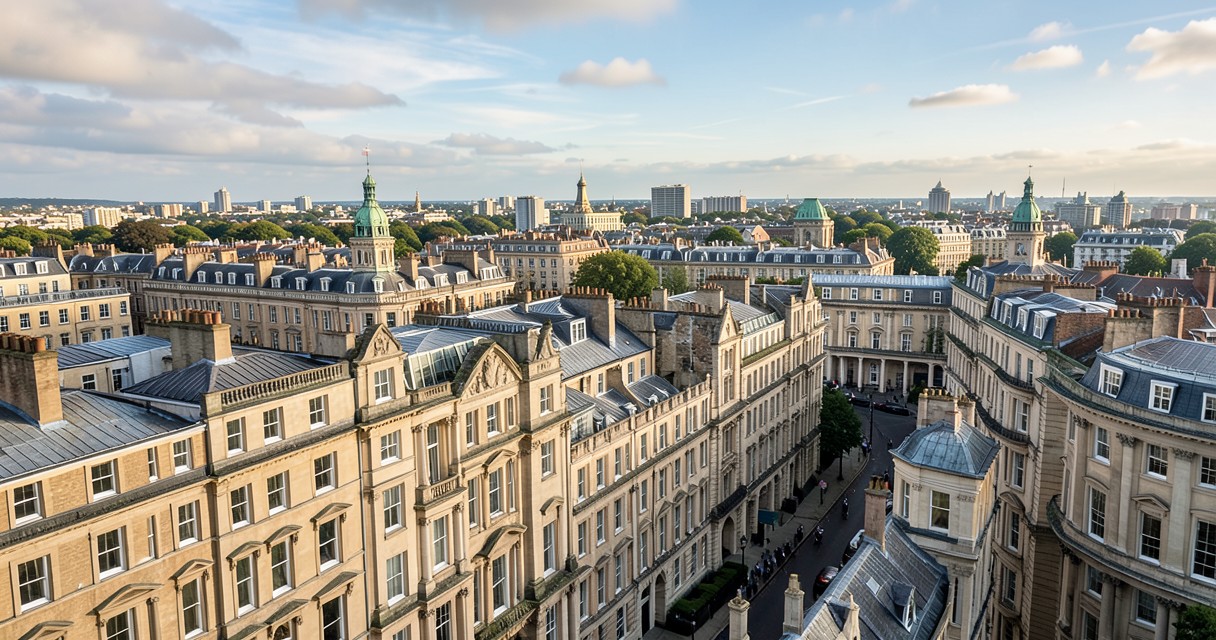
London’s Georgian legacy stretches across the city like a quiet, elegant thread, weaving together elegant terraces, refined townhouses and carefully proportioned squares. Built between 1714 and 1830, these buildings showcase the balanced symmetry and sash‑window façades that defined an era of growing prosperity. For visitors who love strolling through historic streets, snapping photo‑rich corners and sipping tea in leafy gardens, the Georgian districts offer a perfect blend of architecture and ambience. Each neighbourhood tells its own story, from the scholarly aura of Bloomsbury to the bustling creative vibe of Islington, inviting travellers to step back in time while still enjoying modern comforts.
Bloomsbury’s scholarly squares and elegant terraces
At the heart of central London, Bloomsbury boasts a concentration of Georgian squares that feel like curated museum gardens. Bedford Square, laid out in the 1770s, features uniform brick façades with iron railings and a central garden that still hosts summer concerts. A short walk away, Russell Square offers a wider promenade lined with townhouses whose tall windows and decorative cornices reveal the classic Georgian emphasis on proportion. Visitors can combine a leisurely walk with a stop at the British Museum, where the surrounding streets retain the period’s restrained elegance, making the area ideal for history lovers and architecture enthusiasts alike.
Beyond the famous squares, Bloomsbury’s narrow lanes such as Great Russell Street showcase hidden gems like 18th‑century mansions turned into boutique hotels and literary cafés. The area’s well‑preserved façades provide a perfect backdrop for photography, especially in the soft morning light that highlights the subtle brickwork patterns. For those seeking a cultural immersion, the University of London’s historic buildings add an academic flavour, while nearby cafes serve traditional English breakfasts, allowing travellers to savour the Georgian atmosphere with a modern twist.
Marylebone and Fitzrovia’s refined streetscapes
Marylebone’s streets read like a catalogue of Georgian elegance, with Portman Square at its centre offering a tranquil garden surrounded by stately townhouses built in the late 1700s. The square’s uniform façades, punctuated by stone doorcases and fanlights, exemplify the period’s focus on symmetry and understated ornamentation. A short stroll to the nearby Marylebone High Street reveals a mix of period shopfronts and contemporary boutiques, creating a seamless blend of old and new that appeals to shoppers and sightseers alike.
Fitzrovia, just north of Marylebone, adds a creative edge to the Georgian narrative. Streets such as Charlotte Street and Rathbone Place host former artists’ studios housed within classic Georgian terraces, their deep sash windows inviting natural light. The area’s lively cafés and galleries provide a perfect pause for travellers wanting to soak up the artistic vibe while admiring the well‑preserved brickwork and decorative mouldings that speak of the late 18th century. Evening walks reveal illuminated façades, giving the neighbourhood a romantic glow that is especially appealing for photographers.
Islington’s hidden Georgian gems
Islington’s reputation as a vibrant cultural hub masks a treasure trove of Georgian architecture that often goes unnoticed by casual tourists. Canonbury, a suburb within Islington, features a series of terraced houses dating from the 1760s, their modest yet elegant proportions marked by white-painted windows and modest cornices. The area’s quiet streets, such as St. John’s Road, provide an authentic glimpse into the residential life of Georgian London, away from the bustling city centre.
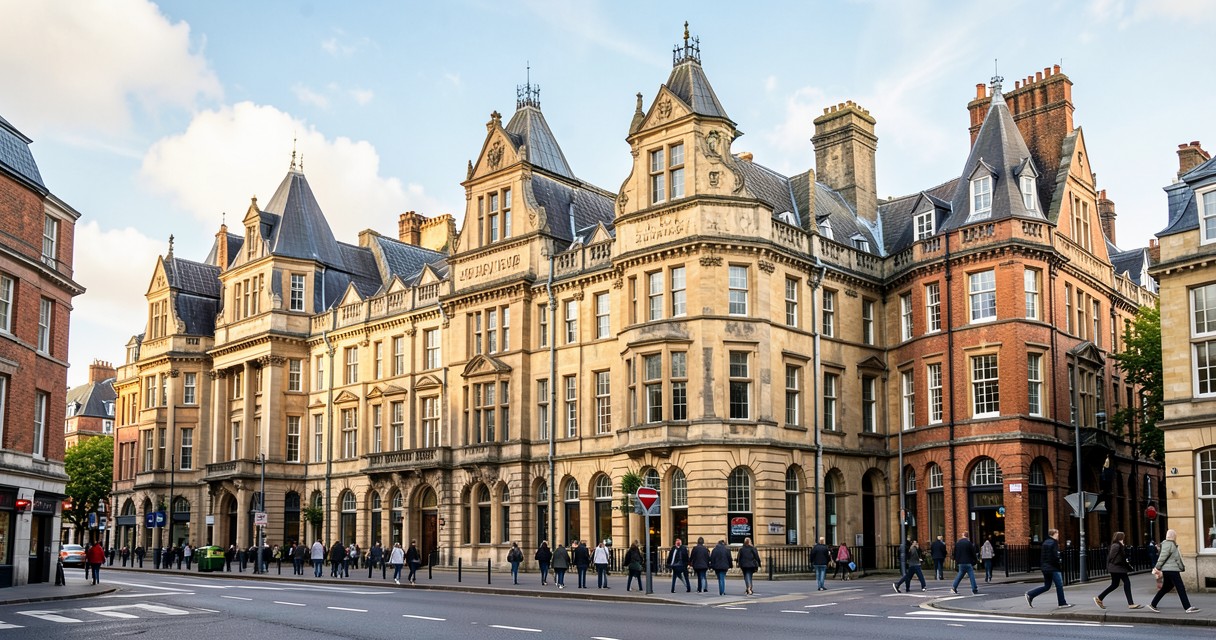
Upper Street, the main commercial artery, juxtaposes bustling shops with preserved Georgian townhouses that have been repurposed into restaurants and boutique hotels. The historic façade of the former Islington Library, with its ashlar stonework and tall pilasters, adds a civic dimension to the architectural tour. Visitors can enjoy a leisurely lunch in one of the many eateries housed within these buildings, experiencing the blend of historic ambience and contemporary culinary flair that defines modern Islington.
South Kensington and Chelsea’s aristocratic allure
South Kensington, renowned for its world‑class museums, also showcases a collection of Georgian terraces that line streets such as Kensington Court and Onslow Gardens. These rows of red‑brick houses, erected in the early 1800s, feature characteristic sash windows, decorative iron balconies and modest pediments that convey a sense of restrained grandeur. The proximity to the Victoria and Albert Museum allows travellers to combine cultural enrichment with an architectural walk through one of London’s most refined neighbourhoods.
Chelsea, just west of Kensington, adds a touch of aristocratic charm to the Georgian narrative. Sloane Square, surrounded by elegant townhouses, offers a central garden where visitors can relax after admiring the façades. The surrounding streets, including King’s Road, retain original Georgian doorways with intricate fanlights, providing a seamless backdrop for high‑street fashion and boutique shopping. Evening visits reveal the square’s historic lampposts casting a soft glow on the brickwork, creating a romantic atmosphere that appeals to couples and solo explorers alike.
West End and St James’s’ grand urban elegance
The West End’s bustling theatres and luxury retailers sit atop a foundation of Georgian planning, evident in the orderly layout of streets such as Pall Mall and St James’s Square. The square, established in the early 18th century, is framed by imposing townhouses with rusticated stone bases and decorative cornices that exemplify the grandeur of Georgian civic architecture. A walk around the square reveals a harmonious blend of historic façades and modern glass‑fronted boutiques, offering a visual narrative of the city’s evolution.
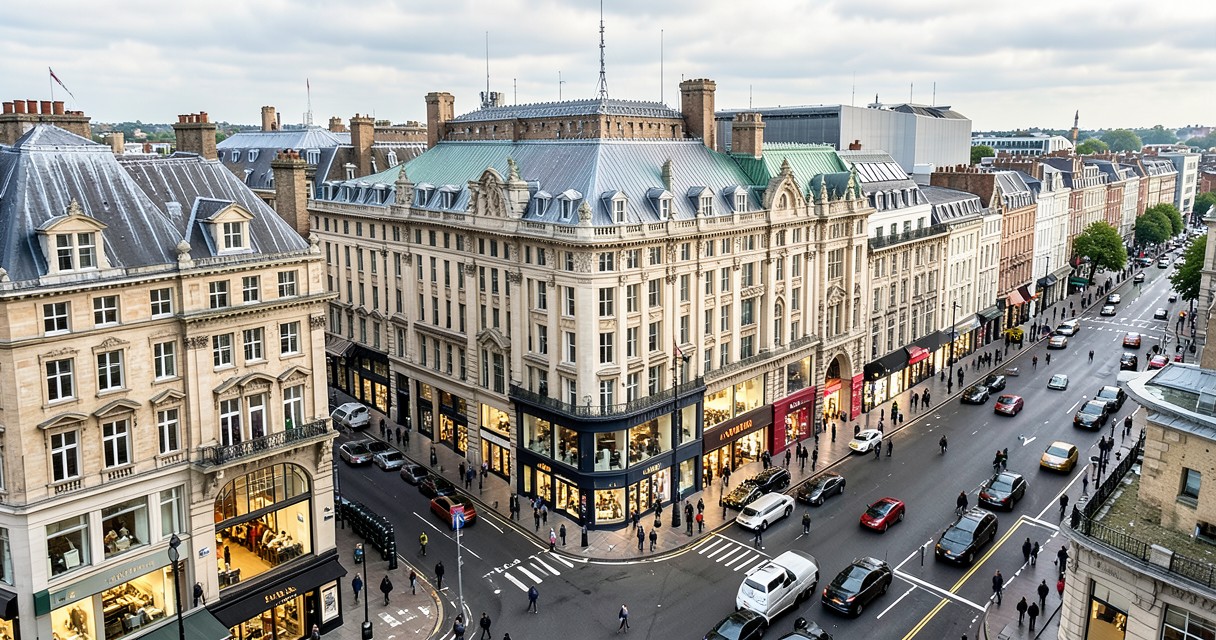
Piccadilly, another iconic thoroughfare, showcases a series of Georgian terraces that have been meticulously restored, their polished stonework and elegant pilasters providing a striking contrast to the contemporary advertising screens that dominate the street today. Visitors can pause at the historic Ritz Hotel, a masterpiece of late Georgian style, to enjoy afternoon tea in a setting that reflects the era’s sophisticated hospitality. The area’s vibrant nightlife and numerous dining options make it an ideal stop for travellers seeking both cultural depth and lively entertainment.
East London’s concealed Georgian squares
East London may be better known for its industrial heritage, yet pockets of Georgian architecture survive, tucked away in quieter streets. Near Old Street, the modest square of Houndsditch retains a handful of 1790s townhouses, their brick façades adorned with subtle stone lintels and decorative cornices that hint at the area’s original residential character. These buildings now house creative studios and cafés, offering a unique blend of historic ambience and contemporary culture.
Further north, the neighbourhood of Shoreditch reveals Georgian terraces along streets such as Commercial Road, where former merchant houses have been converted into loft apartments and boutique eateries. The preserved sash windows and original doorways provide an authentic backdrop for street art enthusiasts, who often juxtapose modern graffiti with the timeless elegance of the Georgian structures. Exploring these hidden corners gives travellers a fresh perspective on London’s architectural diversity, highlighting how the city’s past continues to influence its vibrant present.

I love exploring London’s hidden corners and sharing what I discover with fellow travellers. When I’m not wandering the streets of the capital, I enjoy writing detailed guides that help others make the most of their visit.