London’s cultural landscape is a patchwork of vibrant neighbourhoods, each offering its own distinct flavour of art, history and entertainment. From riverside museums that overlook the Thames to gritty street art enclaves that pulse with creative energy, the city’s cultural quarters are essential waypoints for any traveller keen to experience the capital’s artistic heartbeat. Whether you’re planning a weekend getaway, a day‑trip with friends or a solo exploration, understanding what each quarter offers will help you craft an itinerary that balances iconic attractions with hidden gems, all while soaking up the unique atmosphere that defines London’s ever‑evolving cultural scene.
Southbank: The River‑Side Arts Hub
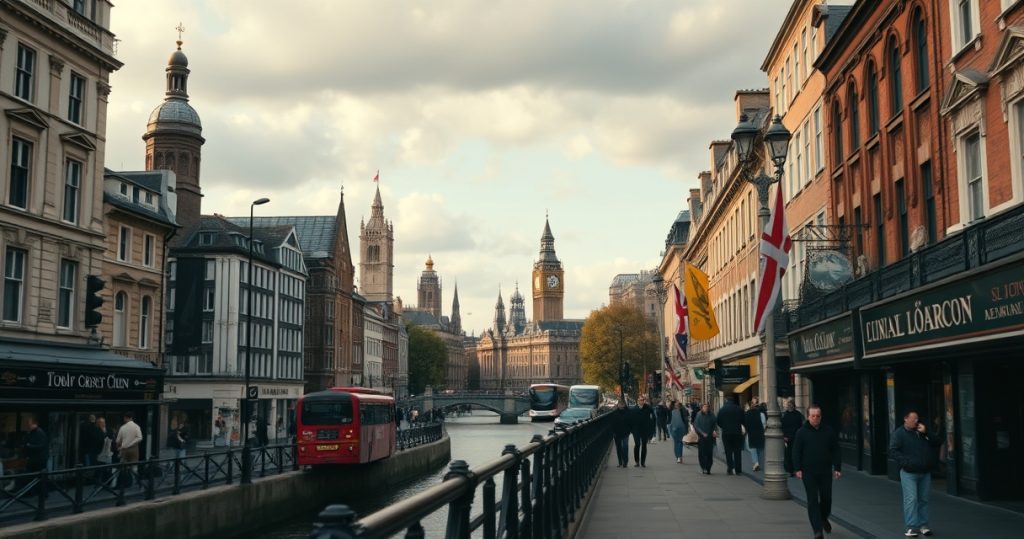
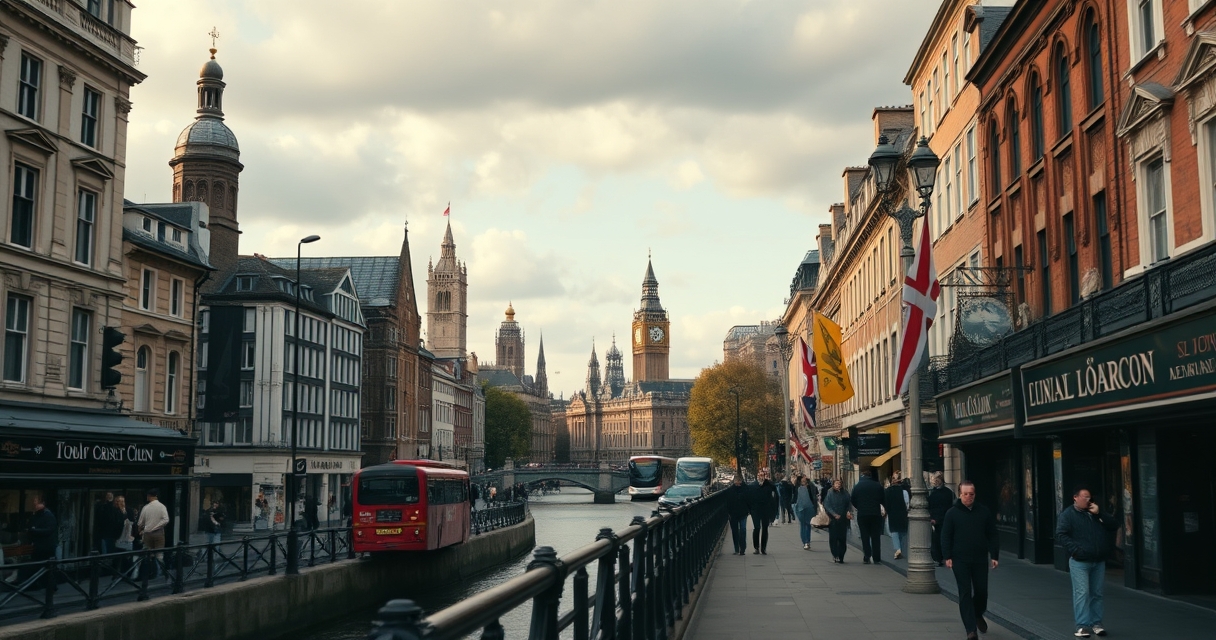
Stretching along the south bank of the Thames, the Southbank cultural quarter is a magnet for theatre‑goers, museum lovers and performance enthusiasts. Anchored by the iconic Royal Festival Hall, the area hosts the Southbank Centre’s year‑round programme of concerts, dance, and literary events, making it a bustling centre for the performing arts. Just a short walk away, the Tate Modern occupies a former power station, offering an expansive collection of contemporary works alongside striking installations that interact with the building’s industrial heritage.
Beyond the major institutions, the Southbank promenade is dotted with pop‑up galleries, street performers and riverside cafés, creating a lively backdrop for a leisurely stroll. Families will appreciate the nearby London Eye, while foodies can savour a range of cuisines at the Southbank Food Market, where vendors serve everything from artisanal dumplings to sustainable seafood. Excellent transport links – including Waterloo Station and several riverboat stops – make the Southbank an easily reachable cultural hotspot for visitors of all ages.
Shoreditch and the East End: Street Art and Creative Innovation
Once a gritty industrial district, Shoreditch has transformed into a dynamic cultural quarter renowned for its street art, independent galleries and tech‑driven creativity. The area’s walls serve as a living canvas for world‑famous artists such as Banksy and local talents who constantly refresh the visual narrative of Brick Lane and surrounding alleys. Galleries like the Hoxton Gallery and the Whitechapel Gallery showcase emerging contemporary artists, providing a platform for experimental works that challenge conventional aesthetics.
Shoreditch’s cultural vibe extends into its nightlife, with speakeasy‑style bars and live‑music venues that host up‑and‑coming DJs and bands. Food lovers can wander through Boxpark, a pop‑up food park housed in shipping containers, offering a global palate of street‑food favourites. The area is also a hub for digital innovation, with co‑working spaces and start‑up incubators that blend technology with artistic practice, making Shoreditch an inspiring destination for those interested in the intersection of art, design and entrepreneurship.
Camden: Music, Markets and Multicultural Flair
Camden’s reputation as a music‑centric cultural quarter dates back to the 1970s, when legendary venues such as the Roundhouse and the Electric Ballroom nurtured the punk and rock scenes. Today, the area continues to celebrate its musical heritage with regular gigs, DJ sets and the iconic Camden Market, where visitors can browse eclectic stalls selling vintage clothing, handmade jewellery and global street food. The market’s vibrant atmosphere reflects the neighbourhood’s multicultural roots, with flavours ranging from Ethiopian coffee to Korean BBQ on offer.
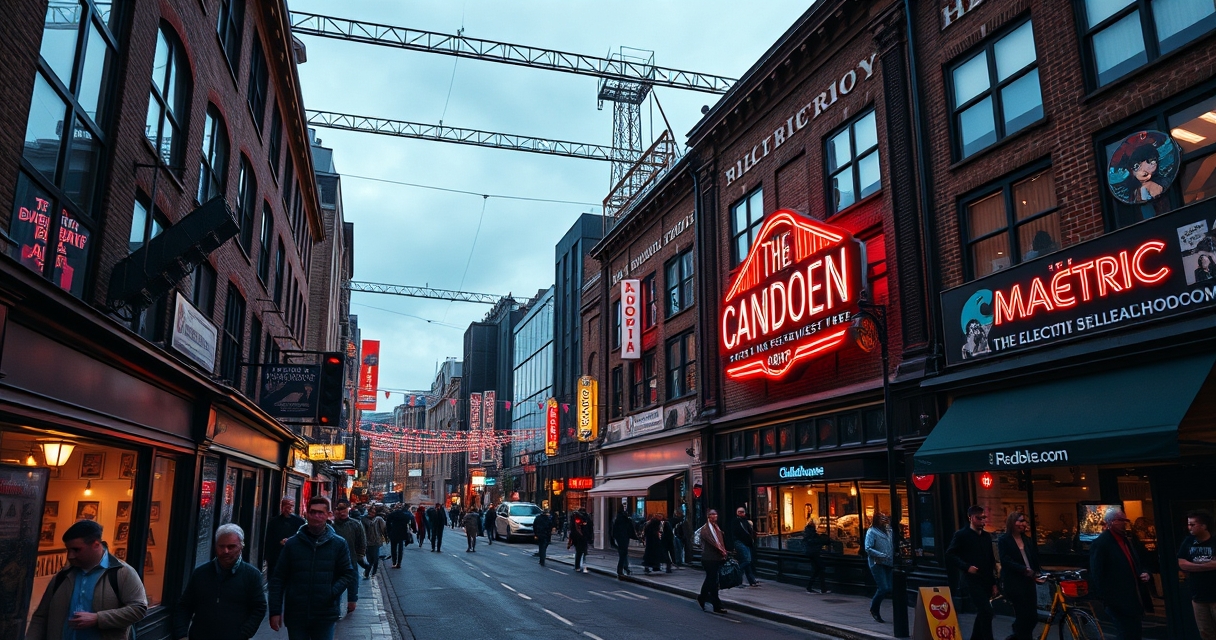
Artistic expression thrives in Camden’s numerous independent galleries, including the Camden Arts Centre, which presents contemporary exhibitions and community workshops. For a quieter cultural experience, the Regent’s Canal towpath offers a scenic route past historic warehouses that have been repurposed into studios and galleries. With frequent overground trains from Camden Road and easy bus connections, the quarter is readily accessible for day‑trippers seeking a blend of music history, creative markets and diverse culinary delights.
West End and Covent Garden: The Theatrical Epicentre
The West End, centred around Covent Garden, remains London’s premier destination for theatrical and performing arts. Home to world‑renowned venues such as the Royal Opera House, the Lyric Theatre and the Prince of Wales Theatre, the quarter hosts a dazzling array of productions, from classic Shakespearean plays to cutting‑edge musical revues. Covent Garden’s historic piazza, with its street‑performers and boutique shops, provides a charming pre‑show or post‑show setting for visitors.
Beyond the stage, the West End offers a wealth of cultural institutions, including the National Gallery and the National Portrait Gallery, both situated within a short walk of each other in Trafalgar Square. Art lovers can also explore the lesser‑known Courtauld Gallery, housed in Somerset House, which boasts an impressive collection of Impressionist masterpieces. The area’s culinary scene ranges from upscale restaurants serving modern British cuisine to traditional pubs offering a classic ale, ensuring that theatre‑goers can indulge in a complete cultural experience without venturing far from the stage.
King’s Cross: Regeneration and Museum‑Led Exploration
King’s Cross has undergone a dramatic regeneration, emerging as a cultural quarter that marries historic architecture with contemporary museum spaces. Central to this revival is the newly announced V&A East, a museum designed by O’Donnell + Tuomey that will occupy a former industrial site along the Regent’s Canal. The museum promises to showcase design, craft and contemporary art, positioning the area as a future hub for creative innovation.
Adjacent to the museum, the area already boasts the British Library, whose extensive archives and exhibition programmes attract scholars and tourists alike. The nearby Granary Square, with its modern public squares and a selection of cafés, offers a pleasant spot to unwind after a day of cultural immersion. Transport links are unrivalled, with King’s Cross St Pancras serving as a major rail hub for national and international travel, making the quarter an ideal base for exploring London’s broader cultural landscape.
Greenwich: Maritime Heritage and Artistic Inspiration
Situated on the south bank of the Thames, Greenwich is a UNESCO World Heritage Site that blends maritime history with artistic allure. The quarter’s crown jewel, the Royal Observatory, houses the historic Prime Meridian line and offers panoramic views of the city skyline. Nearby, the National Maritime Museum presents a comprehensive narrative of Britain’s naval legacy, while the Cutty Sark, a restored 19th‑century clipper ship, provides an interactive glimpse into seafaring life.
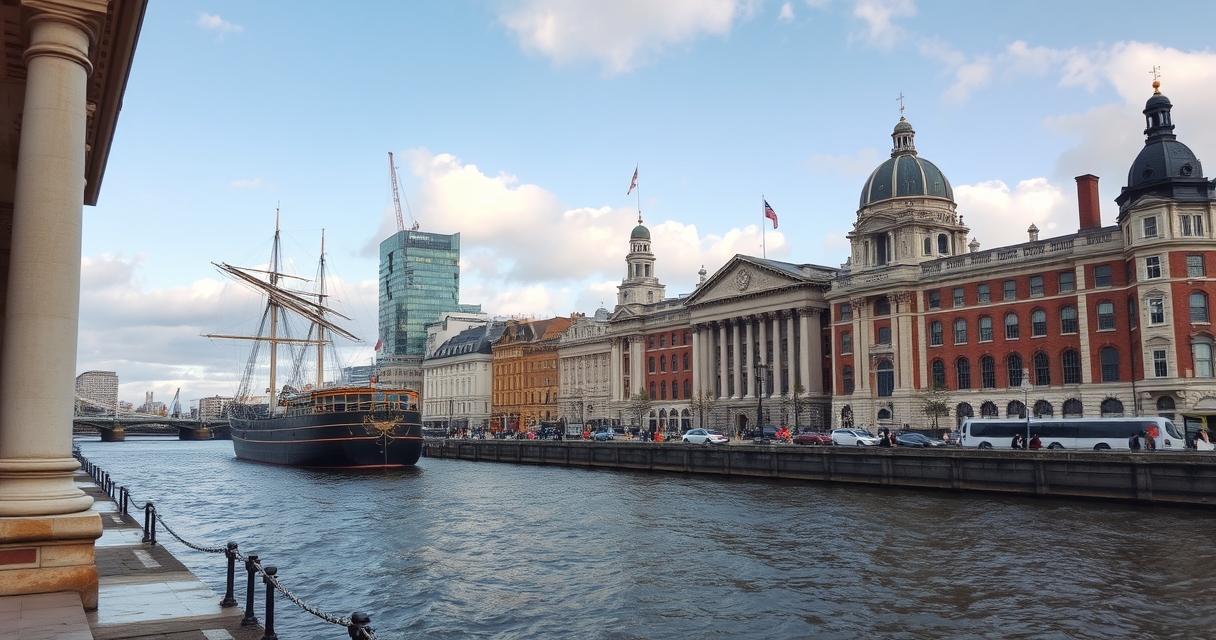
Artistic inspiration abounds in Greenwich’s leafy parks and the historic Greenwich Market, where artisans sell handcrafted jewellery, ceramics and vintage prints. The market’s open‑air setting, coupled with live music performances, creates a lively cultural atmosphere. Visitors can also explore the Old Royal Naval College, a masterpiece of Baroque architecture that now hosts exhibitions and concerts. The area is easily reachable by riverboat from central London, offering a scenic journey that underscores the quarter’s unique blend of heritage and creativity.
South London’s New Cultural Quarters: Thames‑Front Living and Integrated Arts
Recent developments along the Thames have introduced residential projects that integrate cultural amenities directly into living spaces, redefining the concept of a cultural quarter. These new apartments, positioned on the river’s edge, feature in‑house galleries, performance studios and communal spaces designed for artistic collaboration. By embedding cultural facilities within residential complexes, developers aim to create vibrant neighbourhoods where residents and visitors alike can engage with art, music and design on a daily basis.
Such initiatives reflect a broader trend of placemaking, where urban planning prioritises cultural activation as a catalyst for community cohesion and economic vitality. The inclusion of public art installations, creative workshops and pop‑up exhibitions within these Thames‑front quarters encourages spontaneous cultural encounters, enriching the visitor experience beyond traditional museum visits. For tourists seeking a contemporary slice of London life, these integrated cultural quarters offer a fresh perspective on how the city continues to evolve its artistic identity while preserving the historic charm of the riverside setting.

I love exploring London’s hidden corners and sharing what I discover with fellow travellers. When I’m not wandering the streets of the capital, I enjoy writing detailed guides that help others make the most of their visit.