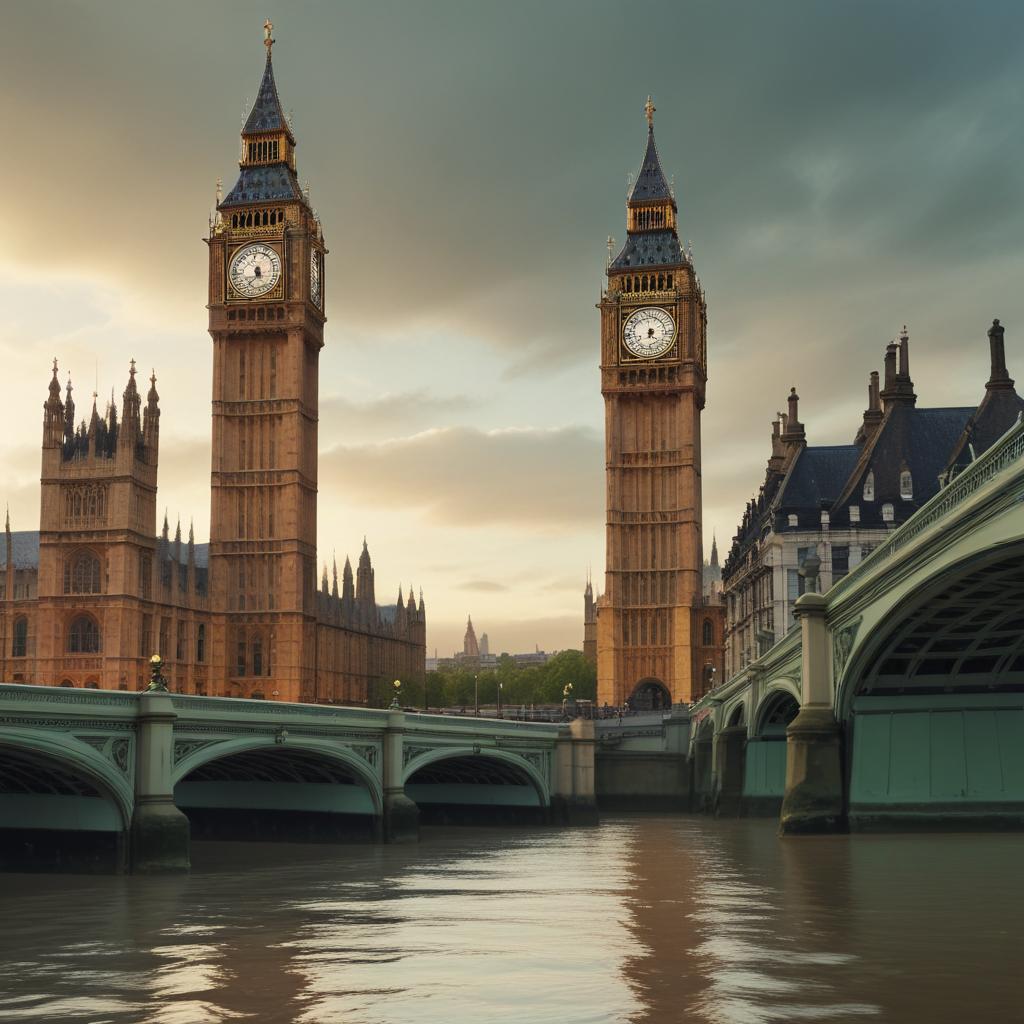
Introduction to Victorian-era landmarks in London
Victorian landmarks in London stand as compelling testaments to one of the most transformative periods in the city’s history. The Victorian era, coinciding with Queen Victoria’s reign from 1837 to 1901, was marked by unprecedented industrial growth, cultural evolution, and architectural innovation. These London historical sites embody the essence of that dynamic age, representing a fusion of traditional design and novel engineering techniques that helped shape the metropolis into a modern capital.
The significance of Victorian architecture extends beyond mere aesthetics; it reflects the social, economic, and technological advancements of 19th-century Britain. As London expanded rapidly due to industrialization, a distinct architectural style emerged, characterized by ornate detailing, eclectic influences, and the use of new materials such as iron and glass. This period witnessed the rise of iconic buildings and public infrastructures that combined grandeur with functionality, catering to the needs of an evolving urban society.
Victorian landmarks in London can be found in various forms, from lavish townhouses and intricate churches to impressive railway stations and cultural institutions. Each structure reveals a story about the values and ambitions of the Victorian people, showcasing their pride in craftmanship, technological progress, and moral ideals. These sites are not merely relics of the past but continue to shape London’s identity and charm, attracting visitors and historians alike who seek to understand the city’s rich heritage.
Exploring Victorian-era landmarks provides a unique glimpse into London’s historical landscape during this era of significant change. From the Gothic Revival styles that hark back to medieval influences to innovative designs that pushed the boundaries of construction, Victorian architecture in London is a celebration of diversity and creativity. The preservation of these historical sites ensures that the legacy of Queen Victoria’s reign remains vivid and accessible, reminding us of a pivotal chapter in the story of London.
Historical background of Victorian London
The history of Victorian London is deeply intertwined with the transformative social, economic, and cultural forces of the 19th century. This period, marked by the industrial revolution, saw London evolve from a medieval city into a bustling metropolis and the heart of the British Empire. The rapid industrialization brought about profound economic growth, leading to the expansion of the city’s infrastructure and the rise of new wealthy classes, which heavily influenced the skyline and the construction of many of its iconic landmarks.
Socially, Victorian London was a city of contrasts. The industrial revolution London landscape was characterized by stark disparities between wealth and poverty, with opulent neighborhoods existing alongside overcrowded slums. This social dynamic affected the city’s architecture, as charitable institutions, public parks, and cultural venues were developed to improve urban living conditions and reflect the Victorian ideals of progress and morality.
Culturally, the Victorian era was a time of great creativity and innovation. The increased wealth and influence of London fostered a vibrant cultural scene that included advancements in literature, art, and architecture. This cultural flourishing manifested in the construction of grand public buildings, museums, and transport hubs, many of which remain key landmarks today. The Victorian London history is thus a narrative of rapid change and adaptation, where the forces of the industrial revolution left an enduring mark on the city’s physical and cultural landscape.
Architectural styles prominent in the Victorian era
The Victorian era in London was marked by a rich diversity of architectural styles that reflected the changing tastes and technological advancements of the 19th century. Among the most significant Victorian architecture styles was the Gothic Revival, a movement that sought to revive medieval Gothic design with its pointed arches, intricate tracery, and dramatic spires. This style can be seen in iconic London landmarks such as the Houses of Parliament and St. Pancras Railway Station, which showcase the elaborate detailing and vertical emphasis typical of Gothic Revival architecture.
Another prominent style was the Italianate architecture, which drew inspiration from the villas of the Italian Renaissance. Characterized by flat or low-pitched roofs, wide eaves with decorative brackets, and tall, narrow windows, Italianate buildings often exhibit a sense of classical elegance. This style was popular in residential areas and is evident in many grand terraces and townhouses across Victorian London, contributing to the city’s architectural variety.
Terraced houses London-wide also flourished during this period, reflecting the need for efficient, yet stylish urban housing. These rows of connected homes often incorporated elements from various Victorian architecture styles, including ornate brickwork, bay windows, and decorative ironwork. Together, these styles enriched London’s cityscape, blending historical revivalism with modern urban living, and making Victorian landmarks distinct and celebrated to this day.
Iconic Victorian-era landmarks in London
London is home to some of the most iconic and architecturally significant Victorian-era landmarks, reflecting the grandeur and innovation of the period. Among these, the Victoria and Albert Museum stands out as a treasure trove of art and design. Founded in 1852 and named after Queen Victoria and Prince Albert, the museum boasts an extensive collection that spans centuries and continents. Its Victorian architecture, characterized by ornate facades and intricate ironwork, exemplifies the era’s attention to detail and appreciation for craftsmanship.
Another landmark that captures the essence of Victorian engineering prowess is Tower Bridge. Completed in 1894, this combined bascule and suspension bridge crosses the River Thames and is instantly recognisable with its twin towers and gothic style. Tower Bridge was a marvel of its time, featuring innovative hydraulic technology that allowed the bridge to lift and permit river traffic to pass. Its striking design and functional elegance have made it one of London’s most photographed and loved symbols.
The British Museum Victorian extension is yet another significant architectural feat from the era. Undertaken to accommodate the museum’s growing collection, the extension was designed in the mid to late 19th century with a focus on classical style infused with Victorian sensibilities. The grand reading room and impressive facade reflect Victorian ideals of knowledge, progress, and cultural wealth. This addition has helped the British Museum remain one of the world’s foremost cultural institutions, blending historic charm with scholarly purpose.
These Victorian-era landmarks collectively showcase London’s rich heritage, blending aesthetic beauty with technological advancement. Their continued preservation allows visitors to step back in time and appreciate the artistic and engineering achievements that defined an era of great change and innovation in the capital.
Tower Bridge and its Victorian engineering
Tower Bridge London stands as one of the most iconic examples of Victorian engineering and a pivotal landmark among London bridges. Designed to blend both functionality and aesthetic appeal, its construction began in 1886 and was completed in 1894. The bridge’s design uniquely combines elements of a bascule bridge and a suspension bridge, allowing it to serve both as a thoroughfare and a drawbridge for the busy River Thames traffic below.
The engineering marvel of Tower Bridge lies in its innovative hydraulic system, originally powered by steam, which lifts the two bascules to allow tall ships to pass. This intricate mechanism showcased the advanced engineering skills of the Victorian era and remains a testament to their industrial ingenuity. The steel framework of the bridge is clad in Cornish granite and Portland stone, not just for strength but to maintain the Gothic architectural style in harmony with the nearby Tower of London.
Beyond its functional brilliance, Tower Bridge has become a symbol of London’s Victorian heritage and a tourist magnet, celebrated for its grandeur and technical sophistication. As both a practical infrastructure and a masterpiece of design, Tower Bridge London exemplifies the era’s commitment to progress and aesthetics, securing its place as a cherished historic and cultural landmark among London bridges.
The Victoria and Albert Museum
The Victoria and Albert Museum, often referred to as the V&A, was founded during the Victorian era, opening its doors in 1852. Established with the vision to make art and design accessible to the public, it quickly became one of the foremost Victorian art museums in London. The museum was named after Queen Victoria and Prince Albert, symbolizing its strong ties to the era’s cultural and artistic values.
The architectural style of the Victoria and Albert Museum is a remarkable example of Victorian design. The building showcases a blend of Renaissance and Gothic Revival influences, characteristic of museum architecture in London at the time. Its elaborate façades, intricate stone carvings, and expansive interiors reflect the grandeur and attention to detail prevalent in Victorian public buildings, making the museum itself a piece of art to admire.
Beyond its architectural significance, the Victoria and Albert Museum plays a vital role in preserving Victorian art and culture. Its vast collections include textiles, ceramics, sculptures, and decorative arts from the 19th century, providing insight into the craftsmanship and aesthetic sensibilities of the period. As a leading institution, it continues to celebrate and conserve the legacy of Victorian creativity, educating visitors about the rich artistic heritage of that transformative era.
St Pancras Renaissance Hotel and St Pancras Station
St Pancras Station stands as a magnificent example of Victorian railway architecture, celebrated not only for its function as a bustling transportation hub but also for its stunning design. Opened in 1868, the station was engineered to accommodate the rapidly growing rail trade of the era, showcasing the ambitious spirit of Victorian London. Its grand iron and glass train shed roof is a hallmark of Victorian ingenuity, combining strength with elegance in a way that continues to impress visitors and architecture enthusiasts alike.
Adjoining the station is the St Pancras Renaissance Hotel, originally opened as the Midland Grand Hotel. This iconic London hotels Victorian landmark is renowned for its rich Gothic Revival style, characterized by intricate brickwork, pointed arches, and an abundance of ornamental detail. The hotel’s striking facade and elaborate interiors echo the grandeur typical of the period, blending functionality with artistic flourish. Together, the station and hotel symbolize the fusion of travel and luxury, representing a pivotal moment in the history of London’s infrastructure and hospitality.
Today, St Pancras Station and its Renaissance Hotel remain emblematic of Victorian architectural achievement and continue to serve as a vibrant gateway to the city. Their preservation and restoration efforts not only highlight their historical importance but also ensure that these masterpieces of Victorian railway architecture and London hotels Victorian heritage remain cherished landmarks for future generations to appreciate.
Preservation and modern relevance of Victorian landmarks
Victorian landmark restoration in London is a vital part of maintaining the city’s rich architectural heritage. Efforts to preserve these iconic structures are spearheaded by heritage organizations, local councils, and specialized conservation groups dedicated to safeguarding London heritage sites for future generations. These initiatives often involve meticulous restoration techniques that respect the original craftsmanship and materials, ensuring that the unique character of Victorian buildings remains intact while adapting them for contemporary use.
Today, historic building preservation plays a crucial role in London’s cultural identity and urban landscape. Victorian landmarks serve as tangible links to the past, offering residents and visitors alike a glimpse into the city’s development during the industrial revolution and the Victorian era’s architectural innovation. Many of these restored buildings now function as museums, galleries, offices, and cultural venues, seamlessly blending history with modern life and continuing to contribute to the vibrant cultural fabric of London.
Despite the successes in preservation, numerous challenges persist. One major obstacle is balancing the demands of modern urban development with the need to protect historical integrity. Budget constraints often limit the scope of restoration projects, as specialized skills and traditional materials required for Victorian landmark restoration can be expensive. Additionally, environmental factors such as pollution and climate change pose ongoing threats, accelerating the deterioration of facades and structural elements. Regulatory hurdles and navigating the complex approval processes necessary for conservation projects can also slow progress.
Nevertheless, continued advocacy and public interest in London heritage sites drive innovative solutions. Adaptive reuse of Victorian buildings, sustainable restoration practices, and increased funding through grants and partnerships are gradually addressing conservation challenges. The commitment to preserving these historic buildings not only honors the past but also enriches the quality of urban life while educating future generations about London’s architectural legacy.
Conservation initiatives and heritage organisations
London’s Victorian-era landmarks are safeguarded through the dedicated efforts of numerous heritage preservation London institutions and conservation groups. These organisations play a crucial role in the ongoing protection and maintenance of the city’s rich architectural history, ensuring that historic landmark protection remains a top priority.
Key players in this field include Historic England, which oversees the listing of buildings and provides grants for restoration projects. This government-sponsored body works closely with local councils and conservation groups to maintain the integrity of Victorian structures while promoting community engagement and education about the importance of heritage preservation London-wide.
Additionally, the Victorian Society, a dedicated charity, actively campaigns for the conservation of Victorian and Edwardian architecture. By raising public awareness and lobbying for policy changes, the society ensures that these historic landmarks receive the attention and care they deserve. Their campaigns often highlight at-risk buildings, rallying support for conservation efforts across the capital.
Other notable organisations include the London Society and the Society for the Protection of Ancient Buildings (SPAB), both committed to the conservation of historic fabric and promoting best practices in restoration. Through partnerships with developers and heritage professionals, these groups support sustainable approaches to maintaining London’s architectural heritage.
Together, these conservation groups and initiatives embody a shared commitment to preserving the unique character of London’s Victorian landmarks for future generations, balancing historical authenticity with modern-day needs.
Tourism and educational value of Victorian sites
Victorian landmarks tourism plays a significant role in attracting visitors to London, offering a vivid glimpse into the city’s rich cultural past. These sites, steeped in history and architectural grandeur, serve as key London visitor attractions that not only entertain but also educate. By exploring iconic Victorian buildings, museums, and public spaces, tourists gain a deeper appreciation for the era’s influence on modern urban development and social progress.
Cultural heritage education is enhanced by the preservation and interpretation of Victorian landmarks. These sites act as living classrooms, where guided tours, exhibitions, and interactive displays provide immersive learning experiences. Visitors, including students and history enthusiasts, can engage with authentic artifacts and stories that illuminate Victorian society’s values, innovations, and challenges. This educational dimension helps to foster a connection between present and past, encouraging respect for heritage conservation.
Moreover, the popularity of Victorian landmarks supports local economies through tourism, creating jobs and promoting community pride. The continued interest in these historic places underscores their importance not only as monuments but as dynamic venues for cultural exchange and learning. Ultimately, Victorian landmarks tourism strengthens public understanding of London’s Victorian history, ensuring that this transformative period remains accessible and relevant to contemporary audiences.

I love exploring London’s hidden corners and sharing what I discover with fellow travellers. When I’m not wandering the streets of the capital, I enjoy writing detailed guides that help others make the most of their visit.