One of the Observatory’s most significant contributions to global heritage is the Prime Meridian line, which passes directly through Greenwich. This imaginary longitudinal line divides the Eastern and Western Hemispheres and serves as the worldwide standard for measuring time – Greenwich Mean Time (GMT). The establishment of the Prime Meridian in Greenwich underpinned accurate navigation and sea travel, ensuring mariners could pinpoint their locations with unprecedented precision.
Greenwich’s maritime legacy extends beyond just the Observatory and Prime Meridian. The area was once a bustling hub for shipbuilding, naval administration, and maritime trade, making it integral to Britain’s naval dominance. Today, visitors can explore the Observatory’s fascinating exhibits, highlighting the evolution of maritime navigation instruments, and delve into the history of timekeeping that changed the seas forever.
In summary, the Royal Observatory Greenwich is a beacon of the area’s Greenwich heritage, symbolizing centuries of maritime innovation and global impact on navigation and timekeeping. Its historic significance ensures its place as a must-visit landmark for anyone interested in London’s maritime history.
Historic Parks and Architecture in Greenwich
Greenwich Park history dates back over four centuries as one of London’s oldest Royal Parks. This expansive green space offers stunning views of the River Thames and serves as the heart of the historic neighbourhood. Beyond its natural beauty, the park is surrounded by some of London’s most iconic Greenwich landmarks that reflect the area’s rich architectural heritage.
The park is home to the Royal Observatory, an essential heritage site that played a significant role in the history of navigation and timekeeping. Adjacent to the park, the Queen’s House, designed by Inigo Jones, stands out as a masterpiece of classical architecture in London. Its elegant symmetry and historical significance make it a key highlight for visitors interested in historic architecture London-wide.
The neighbourhood itself boasts a variety of well-preserved buildings that narrate stories of Greenwich’s maritime and royal connections. From the grand facade of the Old Royal Naval College to charming 18th-century townhouses, these structures contribute greatly to the area’s distinct charm. Greenwich’s architectural heritage seamlessly combines stately historical elements with picturesque parkland, making it a captivating destination for heritage enthusiasts and those seeking a tranquil retreat within London.
Walking Through Shoreditch: From Industrial Past to Hipster Hub
Shoreditch, one of the most iconic historic London neighbourhoods, boasts a rich Shoreditch history that has shaped its unique character over centuries. Originally an industrial powerhouse during the 18th and 19th centuries, Shoreditch was home to factories, warehouses, and workshops that fueled London’s economy. The district’s industrial past is deeply embedded in its architectural heritage, with many old brick buildings and warehouses still standing as silent witnesses to a bygone era.
With the decline of manufacturing industries in the mid-20th century, Shoreditch experienced significant economic downturn, leading to urban decay. However, this period of decline set the stage for urban regeneration that began in the late 20th century. Artists, designers, and entrepreneurs were attracted to the area’s affordable spaces and raw aesthetics, sparking a cultural revival. This transition marked the transformation of Shoreditch from a neglected industrial district into a vibrant hub blending creativity and commerce.
Today, Shoreditch is renowned as a hip and trendy neighbourhood celebrated for its dynamic fusion of history and modern culture. The area showcases Shoreditch heritage through its preserved buildings and street art, creating an authentic backdrop that draws locals and tourists alike. Urban regeneration has not only restored many historical structures but also introduced cutting-edge galleries, lively markets, and fashionable eateries, reinforcing Shoreditch’s reputation as a must-visit destination within London’s historic urban landscape.
Shoreditch’s evolution perfectly illustrates how historic London neighbourhoods can adapt and thrive by respecting their past while embracing change. This district’s journey from industrial roots to hipster haven is a testament to the power of urban regeneration and the enduring appeal of Shoreditch history, making it an essential stop for anyone exploring London’s cultural and historic fabric.
Industrial Roots and Historical Significance of Shoreditch
Shoreditch, located in historic East London, has a rich industrial past that played a crucial role in the city’s economic history. Once a bustling hub for London factories, this area thrived during the Industrial Revolution and beyond, shaping the urban landscape with its diverse industries. Shoreditch industrial history is marked by the presence of textile mills, furniture makers, and notably, the pioneering involvement in the furniture and brewing trades, which brought significant employment and innovation to the area.
The industrial activity in Shoreditch contributed to the broader growth of London’s manufacturing sector, supporting the development of transport links and commercial infrastructure. Famous for its workshops and small-scale factories, Shoreditch became synonymous with skilled craftsmanship and industrial productivity. Its urban past is still visible today in preserved Victorian warehouses and converted factory buildings that stand as testament to this industrious era.
Shoreditch’s strategic location near the City of London allowed factories to easily distribute goods across the capital and beyond. This connectivity helped foster economic resilience and diversification, ensuring Shoreditch remained a vital industrial area long after others declined. Understanding Shoreditch’s industrial roots thus provides insight into the historic economic forces that shaped not only East London but the entire metropolis, making it a significant site for those interested in London’s industrial heritage.
Contemporary Culture and Preserved Heritage in Shoreditch
Shoreditch is a unique London neighbourhood where contemporary culture thrives alongside a rich tapestry of preserved heritage. This vibrant area is renowned for its seamless blend of Shoreditch culture, combining cutting-edge creativity with deep respect for its historic roots. Visitors are drawn to the dynamic street art London scene that transforms the urban landscape into an open-air gallery, showcasing works by both emerging and established artists. This modern cultural expression coexists harmoniously with the neighbourhood’s historic buildings, which have been carefully preserved to maintain their architectural and historical significance.
The heritage preservation efforts in Shoreditch ensure that iconic landmarks and structures remain a central part of the area’s identity, offering a fascinating glimpse into London’s past. These preserved buildings, with their distinctive character and charm, provide a striking contrast to the contemporary installations and trendy venues that define the Shoreditch experience today. This duality creates a captivating atmosphere where history and modernity intersect, making Shoreditch a must-visit destination for cultural enthusiasts and history lovers alike.
Exploring Shoreditch means witnessing how the neighbourhood’s architectural heritage frames a lively cultural scene, attracting visitors eager to experience the multifaceted spirit of London. From historic warehouses converted into galleries and bars to bustling markets, Shoreditch perfectly encapsulates the vibrant coexistence of past and present, offering an enriching exploration of both preserved heritage and innovative Shoreditch culture.
Exploring Notting Hill: A Vibrant Historic Neighbourhood
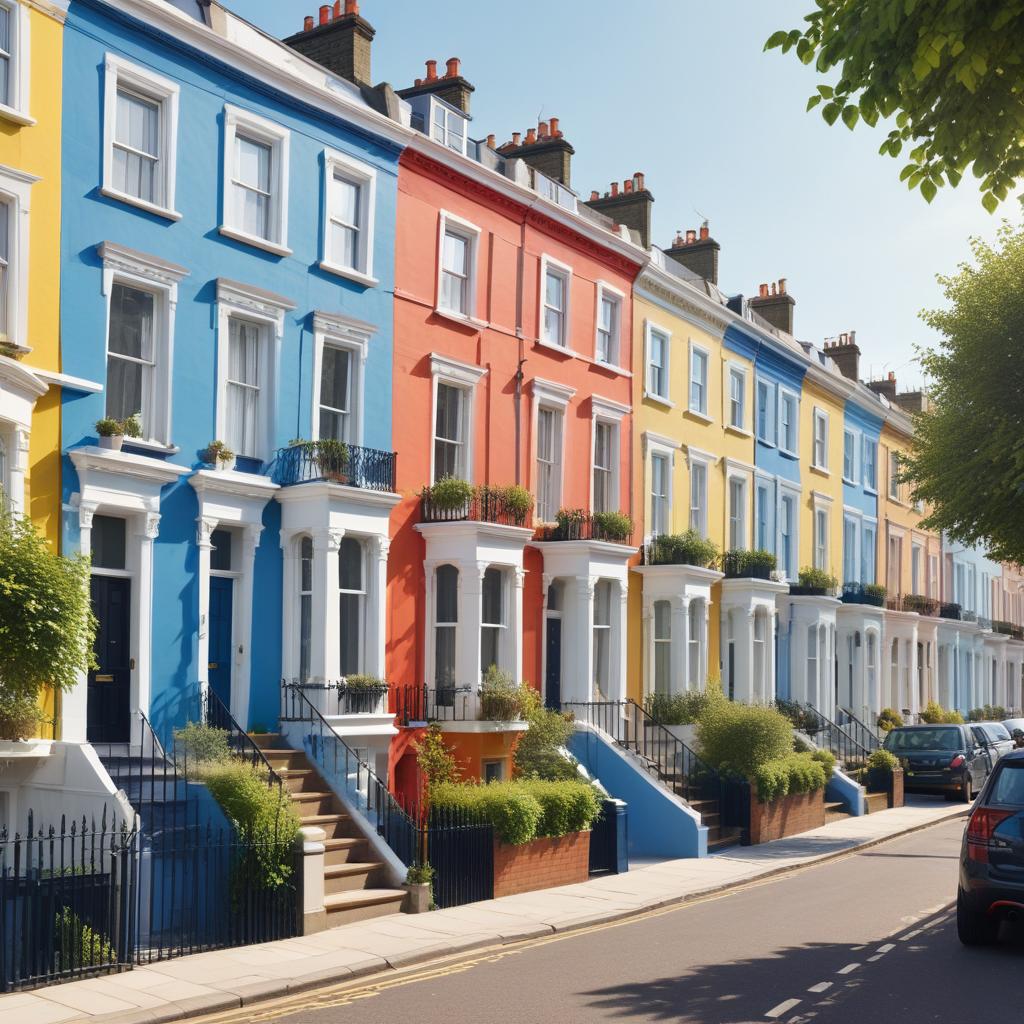
Notting Hill, one of the most iconic historic London neighbourhoods, boasts a rich and diverse history that has shaped its unique charm and cultural significance. Originally a rural area with expansive market gardens and fields, the neighbourhood began to develop in the 19th century during the Victorian era, as London expanded westwards. The area’s distinctive stucco houses and colorful terraces are a testament to this period of architectural growth, combining elegance with a bohemian vibe that attracts locals and visitors alike.
The history of Notting Hill is marked by its transformation into a hub of multiculturalism and artistic expression. The area became a settlement for Caribbean immigrants in the mid-20th century, which profoundly influenced its cultural landscape. Today, this rich heritage is celebrated annually during the famous Notting Hill Carnival, one of Europe’s largest street festivals, showcasing vibrant Caribbean music, dance, and cuisine. This event underscores the neighbourhood’s role as a symbol of London’s diverse heritage.
Among the key landmarks that highlight Notting Hill’s historical and cultural significance are the Portobello Road Market, renowned for its antiques and unique finds, and the Notting Hill Gate, a lively commercial center reflecting the area’s ongoing urban appeal. Visitors often explore the charming streets lined with Victorian townhouses, quaint cafes, independent shops, and art galleries, all contributing to the neighbourhood’s character and allure.
Notting Hill’s blend of history, culture, and architecture makes it a must-visit location for anyone interested in exploring historic London neighbourhoods. Its reputation as a vibrant cultural hotspot and its picturesque scenery attract tourists, film lovers, and history enthusiasts alike. Walking through Notting Hill offers a captivating glimpse into London’s past and present, making it a popular destination for those seeking to experience the city’s rich heritage in an engaging and lively atmosphere.
The Origins and Development of Notting Hill
Notting Hill’s origins trace back to the early 19th century when it was primarily a rural area on the outskirts of London. Originally characterized by market gardens and farmland, the region’s transformation began during the Victorian era Notting Hill experienced significant changes as London expanded. The area development was driven by increasing demand for housing and better transport links with the city center. This period saw the construction of elegant stucco-fronted terraces and villas, laying the architectural foundation for the neighbourhood’s distinctive character.
Over time, Notting Hill evolved from its quiet, rural beginnings into a bustling and culturally diverse London neighbourhood. Waves of immigrants, particularly from the Caribbean, arrived during the mid-20th century, contributing to the vibrant cultural tapestry that defines the area today. The annual Notting Hill Carnival, one of the largest street festivals in Europe, celebrates this rich heritage and highlights the area’s enduring multicultural spirit. This diverse population mix has played a crucial role in influencing local businesses, culinary scenes, and artistic expressions, continuously enriching the neighbourhood’s unique identity.
The area development of Notting Hill is a compelling example of London neighbourhood history, showcasing how a formerly rural locale can transform into a lively urban community through successive phases of architectural growth, demographic change, and cultural integration, making it a must-visit destination for those interested in the layered past and dynamic present of London.
Key Historic Sites and Attractions in Notting Hill
| Site | Description | Highlights |
|---|---|---|
| Portobello Road Market | A vibrant and iconic market known for antiques, vintage fashion, and fresh produce. It epitomizes the eclectic spirit of Notting Hill. | Famous for its antiques stalls, bustling atmosphere, and cultural diversity. |
| Historic Houses | Notting Hill boasts several beautifully preserved historic houses showcasing Georgian and Victorian architecture. | Classic facades, colorful doors, and period details reflecting London’s architectural heritage. |
| Notting Hill Architecture | The area is renowned for charming terraces, stucco-fronted buildings, and elegant crescents that exemplify classic London design. | Distinctive pastel-colored terraces and ornate ironwork balconies. |
Notting Hill landmarks are a must-see for visitors drawn to historic sites in London. The Portobello Road Market, with its lively stalls and rich history, captures the essence of the neighbourhood. Meanwhile, the historic houses lining the streets offer a glimpse into the architectural styles that have shaped the area’s unique character. Throughout Notting Hill, the notable architecture, from its iconic terraces to grand crescents, reflects the heritage and charm that continue to attract locals and tourists alike.
The Charm of Greenwich: London’s Maritime Heritage
Greenwich stands as one of the most iconic historic London districts, renowned for its deep connection to maritime heritage London has proudly preserved over centuries. This charming district, located on the south bank of the River Thames, has played a pivotal role in shaping the history and development of London itself. From the Age of Exploration to the modern era, Greenwich’s coastal position made it an essential centre for naval innovation, trade, and scientific discovery.
At the heart of Greenwich history lies the Royal Observatory, a landmark that marks the Prime Meridian and symbolizes Britain’s leadership in maritime navigation and astronomy. Established in 1675 by King Charles II, the observatory was designed to improve navigation at sea—a critical factor for the expanding British Empire. Visitors today can stand astride the Prime Meridian line, explore historic telescopes, and delve into fascinating exhibits about timekeeping and navigation, all central to Greenwich’s story.
Greenwich’s maritime past is also reflected in the beautiful Old Royal Naval College, which is part of the Maritime Greenwich UNESCO World Heritage Site. This stunning complex with its grand baroque architecture was originally a hospital for retired sailors and now crowns the riverside with its majestic presence. The Painted Hall inside is often dubbed the “Sistine Chapel of the UK” due to its breathtaking ceiling murals celebrating Britain’s naval power and heritage.
Walking through Greenwich Park and the surrounding streets, visitors can enjoy a tangible sense of historic London districts where the past merges seamlessly with the present. The area still buzzes with traditional markets, riverside pubs, and quaint shops, offering an authentic experience of London’s maritime culture. The National Maritime Museum nearby further enriches understanding of Britain’s naval history with extensive artifacts, ship models, and interactive displays that bring to life Greenwich’s enduring legacy at sea.
In sum, exploring Greenwich offers an unmatched glimpse into London’s evolution through its maritime heritage. As a beacon of exploration, scientific advancement, and naval tradition, Greenwich remains a must-visit destination for those eager to immerse themselves in the fascinating chapters of historic London districts. Whether it’s the Royal Observatory or walking the historic docklands, Greenwich’s story is both inspiring and essential to appreciating London’s past and its ongoing relationship with the sea.
Maritime History and the Royal Observatory
The Royal Observatory Greenwich holds an esteemed place in London’s rich maritime history. Established in 1675, it became the cornerstone for advancements in maritime navigation and timekeeping. Its site overlooks the River Thames, a fitting location for an institution dedicated to supporting the great achievements of seafarers and explorers.
One of the Observatory’s most significant contributions to global heritage is the Prime Meridian line, which passes directly through Greenwich. This imaginary longitudinal line divides the Eastern and Western Hemispheres and serves as the worldwide standard for measuring time – Greenwich Mean Time (GMT). The establishment of the Prime Meridian in Greenwich underpinned accurate navigation and sea travel, ensuring mariners could pinpoint their locations with unprecedented precision.
Greenwich’s maritime legacy extends beyond just the Observatory and Prime Meridian. The area was once a bustling hub for shipbuilding, naval administration, and maritime trade, making it integral to Britain’s naval dominance. Today, visitors can explore the Observatory’s fascinating exhibits, highlighting the evolution of maritime navigation instruments, and delve into the history of timekeeping that changed the seas forever.
In summary, the Royal Observatory Greenwich is a beacon of the area’s Greenwich heritage, symbolizing centuries of maritime innovation and global impact on navigation and timekeeping. Its historic significance ensures its place as a must-visit landmark for anyone interested in London’s maritime history.
Historic Parks and Architecture in Greenwich
Greenwich Park history dates back over four centuries as one of London’s oldest Royal Parks. This expansive green space offers stunning views of the River Thames and serves as the heart of the historic neighbourhood. Beyond its natural beauty, the park is surrounded by some of London’s most iconic Greenwich landmarks that reflect the area’s rich architectural heritage.
The park is home to the Royal Observatory, an essential heritage site that played a significant role in the history of navigation and timekeeping. Adjacent to the park, the Queen’s House, designed by Inigo Jones, stands out as a masterpiece of classical architecture in London. Its elegant symmetry and historical significance make it a key highlight for visitors interested in historic architecture London-wide.
The neighbourhood itself boasts a variety of well-preserved buildings that narrate stories of Greenwich’s maritime and royal connections. From the grand facade of the Old Royal Naval College to charming 18th-century townhouses, these structures contribute greatly to the area’s distinct charm. Greenwich’s architectural heritage seamlessly combines stately historical elements with picturesque parkland, making it a captivating destination for heritage enthusiasts and those seeking a tranquil retreat within London.
Walking Through Shoreditch: From Industrial Past to Hipster Hub
Shoreditch, one of the most iconic historic London neighbourhoods, boasts a rich Shoreditch history that has shaped its unique character over centuries. Originally an industrial powerhouse during the 18th and 19th centuries, Shoreditch was home to factories, warehouses, and workshops that fueled London’s economy. The district’s industrial past is deeply embedded in its architectural heritage, with many old brick buildings and warehouses still standing as silent witnesses to a bygone era.
With the decline of manufacturing industries in the mid-20th century, Shoreditch experienced significant economic downturn, leading to urban decay. However, this period of decline set the stage for urban regeneration that began in the late 20th century. Artists, designers, and entrepreneurs were attracted to the area’s affordable spaces and raw aesthetics, sparking a cultural revival. This transition marked the transformation of Shoreditch from a neglected industrial district into a vibrant hub blending creativity and commerce.
Today, Shoreditch is renowned as a hip and trendy neighbourhood celebrated for its dynamic fusion of history and modern culture. The area showcases Shoreditch heritage through its preserved buildings and street art, creating an authentic backdrop that draws locals and tourists alike. Urban regeneration has not only restored many historical structures but also introduced cutting-edge galleries, lively markets, and fashionable eateries, reinforcing Shoreditch’s reputation as a must-visit destination within London’s historic urban landscape.
Shoreditch’s evolution perfectly illustrates how historic London neighbourhoods can adapt and thrive by respecting their past while embracing change. This district’s journey from industrial roots to hipster haven is a testament to the power of urban regeneration and the enduring appeal of Shoreditch history, making it an essential stop for anyone exploring London’s cultural and historic fabric.
Industrial Roots and Historical Significance of Shoreditch
Shoreditch, located in historic East London, has a rich industrial past that played a crucial role in the city’s economic history. Once a bustling hub for London factories, this area thrived during the Industrial Revolution and beyond, shaping the urban landscape with its diverse industries. Shoreditch industrial history is marked by the presence of textile mills, furniture makers, and notably, the pioneering involvement in the furniture and brewing trades, which brought significant employment and innovation to the area.
The industrial activity in Shoreditch contributed to the broader growth of London’s manufacturing sector, supporting the development of transport links and commercial infrastructure. Famous for its workshops and small-scale factories, Shoreditch became synonymous with skilled craftsmanship and industrial productivity. Its urban past is still visible today in preserved Victorian warehouses and converted factory buildings that stand as testament to this industrious era.
Shoreditch’s strategic location near the City of London allowed factories to easily distribute goods across the capital and beyond. This connectivity helped foster economic resilience and diversification, ensuring Shoreditch remained a vital industrial area long after others declined. Understanding Shoreditch’s industrial roots thus provides insight into the historic economic forces that shaped not only East London but the entire metropolis, making it a significant site for those interested in London’s industrial heritage.
Contemporary Culture and Preserved Heritage in Shoreditch
Shoreditch is a unique London neighbourhood where contemporary culture thrives alongside a rich tapestry of preserved heritage. This vibrant area is renowned for its seamless blend of Shoreditch culture, combining cutting-edge creativity with deep respect for its historic roots. Visitors are drawn to the dynamic street art London scene that transforms the urban landscape into an open-air gallery, showcasing works by both emerging and established artists. This modern cultural expression coexists harmoniously with the neighbourhood’s historic buildings, which have been carefully preserved to maintain their architectural and historical significance.
The heritage preservation efforts in Shoreditch ensure that iconic landmarks and structures remain a central part of the area’s identity, offering a fascinating glimpse into London’s past. These preserved buildings, with their distinctive character and charm, provide a striking contrast to the contemporary installations and trendy venues that define the Shoreditch experience today. This duality creates a captivating atmosphere where history and modernity intersect, making Shoreditch a must-visit destination for cultural enthusiasts and history lovers alike.
Exploring Shoreditch means witnessing how the neighbourhood’s architectural heritage frames a lively cultural scene, attracting visitors eager to experience the multifaceted spirit of London. From historic warehouses converted into galleries and bars to bustling markets, Shoreditch perfectly encapsulates the vibrant coexistence of past and present, offering an enriching exploration of both preserved heritage and innovative Shoreditch culture.

I love exploring London’s hidden corners and sharing what I discover with fellow travellers. When I’m not wandering the streets of the capital, I enjoy writing detailed guides that help others make the most of their visit.