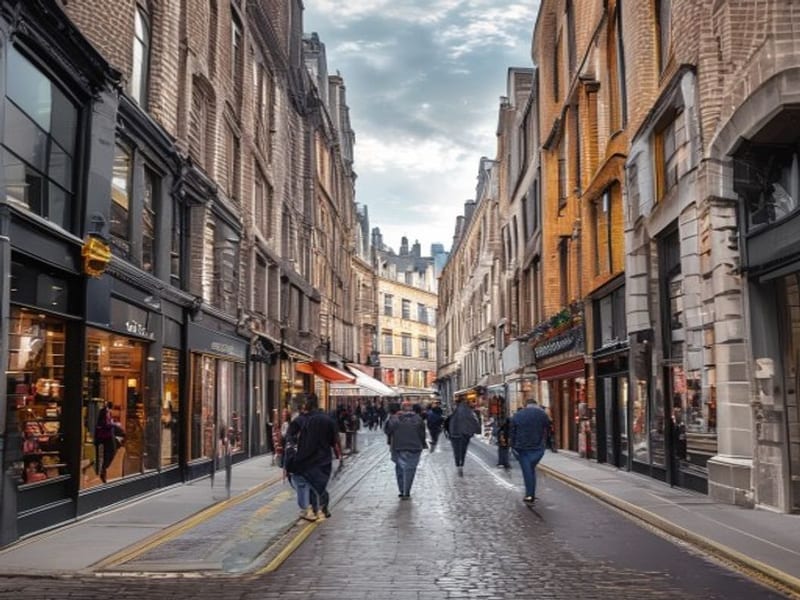
London’s streets are a living museum of commerce, where centuries‑old storefronts sit beside contemporary boutiques, creating a vibrant tapestry that draws both locals and tourists. From the polished façades of Mayfair to the bustling stalls of East London, traditional shopping streets offer more than just retail therapy – they provide a glimpse into the city’s social history, architectural evolution and the enduring spirit of independent trade. This guide explores the most iconic thoroughfares, highlighting what makes each one a unique destination for shoppers seeking authentic British charm.
Oxford Street: The World‑Famous High Street with Historic Roots
Although Oxford Street is now synonymous with global flagship stores, its origins date back to the 12th century when it served as a Roman road linking the City of London to the western suburbs. The street evolved into a bustling market in the 18th century, catering to the growing middle class with drapers, haberdashers and tailors. Today, the blend of historic shopfronts and modern glass façades creates a dynamic shopping experience that honours its mercantile past while embracing contemporary retail trends.
For those interested in the street’s heritage, a short walk down the side lanes reveals preserved Georgian terraces, while the annual Christmas lights ceremony reminds visitors of Oxford Street’s long‑standing role as a festive focal point for Londoners.
Bond Street: Luxury Shopping on a Historic Canvas
Bond Street’s reputation as a luxury destination began in the early 18th century, when aristocratic families established exclusive boutiques along the thoroughfare. The street’s architectural character is defined by elegant townhouses and ornate cornices, many of which have been carefully restored to preserve their original charm. High‑end brands such as Savile Row tailors and historic jewellers continue to thrive here, offering a timeless shopping experience that reflects the street’s aristocratic lineage.
Beyond the glimmer of designer labels, Bond Street hosts a series of art galleries and antique dealers, providing a cultural counterpoint that enriches the traditional shopping narrative. Seasonal art installations and heritage walks further enhance the street’s allure for discerning shoppers.
Carnaby Street: From Swinging Sixties to Modern Independent Boutiques
Located in the heart of Soho, Carnaby Street earned its fame in the 1960s as a hub of fashion, music and youthful rebellion. The narrow pedestrianised lane still retains its vibrant spirit, now home to independent designers, vintage stores and ethically‑focused fashion labels. Original shopfronts have been lovingly refurbished, showcasing colourful signage that harks back to the street’s iconic past.
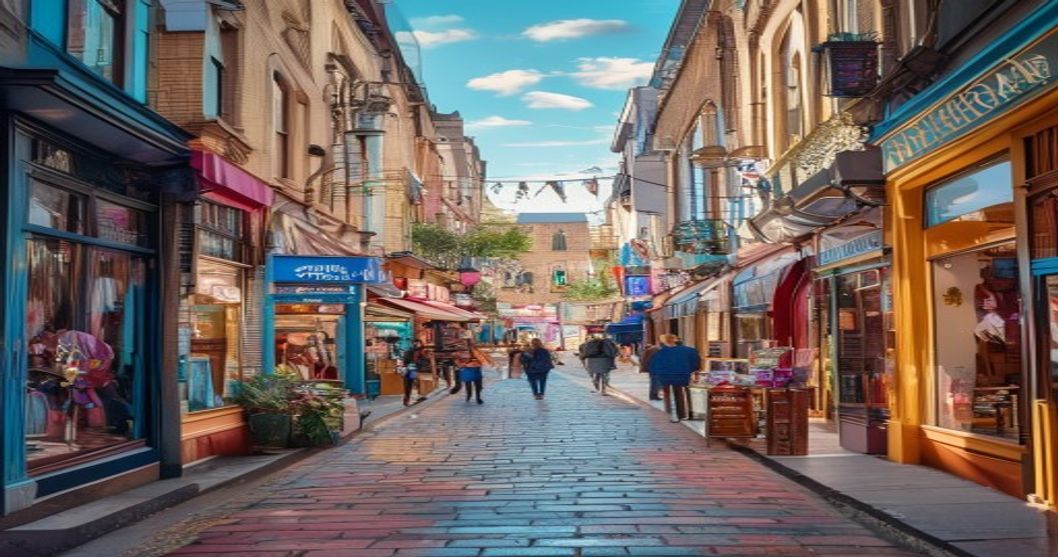
Today, Carnaby Street balances nostalgia with sustainability, offering shoppers a curated selection of locally‑made accessories, artisan foods and socially‑conscious brands. Regular street performances and pop‑up events keep the area lively, making it a must‑visit for those who appreciate a blend of history and contemporary style.
Portobello Road: A Market Street Steeped in Tradition
Portobello Road in Notting Hill is famed for its sprawling market, which began as a small 19th‑century fruit and vegetable stall. Over the decades, it expanded to include antiques, fashion and food, becoming one of London’s most iconic market streets. The cobbled pavement and Victorian terraced houses create a quintessentially British atmosphere that attracts millions of visitors each year.
The market’s Saturday peak offers a sensory feast: vintage jewellery, classic British tea sets, and fresh produce from local growers. Smaller side lanes host specialised boutiques selling handmade leather goods and bespoke tailoring, ensuring that the street remains a vibrant hub for both traditional and contemporary shoppers.
Camden High Street: Counter‑Cultural Shopping with a Historical Edge
Camden’s high street rose to prominence in the late 20th century as a centre for alternative fashion, music and subculture. Yet its roots stretch back to the early 1800s, when the area served as a bustling canal-side market for goods ranging from textiles to fresh fish. The iconic Camden Lock and its surrounding warehouses now house eclectic shops, from vintage record stores to independent fashion labels, preserving the street’s rebellious heritage.
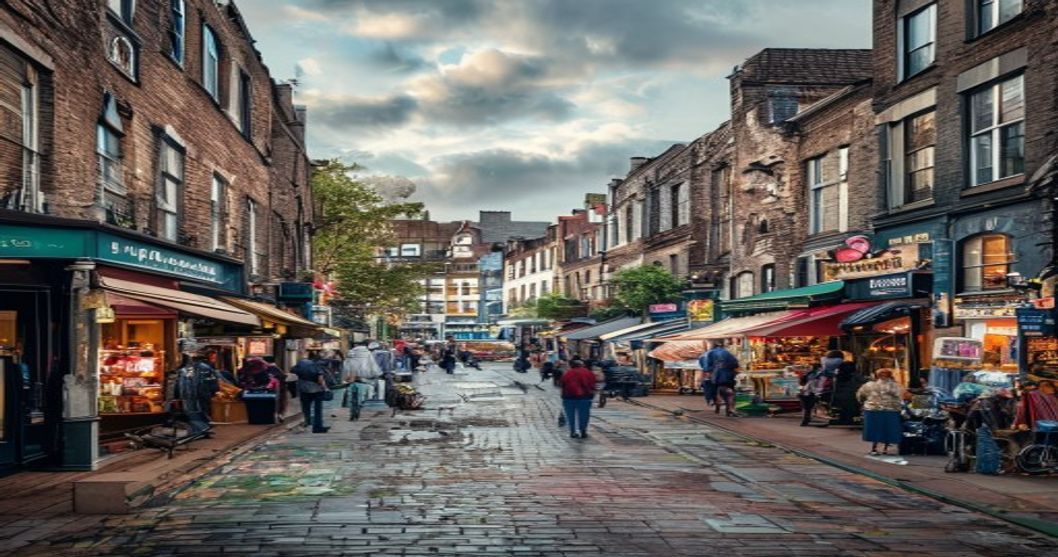
Beyond the retail offerings, Camden High Street is a culinary destination, featuring traditional British fish and chips alongside global street food stalls. The blend of historic architecture, live music venues and independent retailers creates a dynamic environment that celebrates London’s diverse cultural tapestry.
Brick Lane: East London’s Fusion of Heritage and Modernity
Brick Lane, located in the vibrant borough of Tower Hamlets, has long been a gateway for immigrant communities, each leaving an indelible mark on its commercial identity. From its 17th‑century origins as a hub for the silk trade to its 20th‑century reputation for vintage clothing, the street embodies a layered history of trade and cultural exchange. Today, independent boutiques line the street, offering bespoke tailoring, artisanal jewellery and contemporary homeware.
The culinary scene on Brick Lane mirrors its multicultural past, with renowned curry houses, Jewish bakeries and modern pop‑up cafés coexisting side by side. Regular art festivals and street markets further enrich the shopping experience, making Brick Lane a living illustration of London’s evolving commercial landscape.

I love exploring London’s hidden corners and sharing what I discover with fellow travellers. When I’m not wandering the streets of the capital, I enjoy writing detailed guides that help others make the most of their visit.