London’s wartime sites offer a hauntingly vivid glimpse into the city’s resilience during the Second World War, where the Blitz and the Battle of Britain left an indelible mark on the urban landscape. These locations aren’t just relics of history, they’re immersive experiences that transport visitors back to a time when Londoners faced bombing raids with remarkable grit and ingenuity. From underground shelters to preserved air raid shelters, each site tells a story of survival, sacrifice, and the quiet heroism of everyday people. Whether you’re planning a trip in 2026 or simply curious about how London adapted to war, these spots provide a tangible connection to a pivotal era in British history, blending education with a deeply emotional journey through the city’s past.
The Underground as a Wartime Refuge
The London Underground wasn’t just a transport network during the war, it became the city’s most extensive air raid shelter system, accommodating over a million people at its peak, London wartime sites. Stations like Hampstead Underground Station were transformed into makeshift shelters with reinforced walls and ventilation systems, designed to withstand direct hits from German bombs. The Underground’s role was so critical that it operated 24 hours a day, with staff and volunteers ensuring safety while the city above was under attack. Today, you can still explore these historic shelters, though some have been repurposed for modern use. The experience of walking through these tunnels, with their original wartime signage and reinforced structures, offers a chilling reminder of how Londoners turned necessity into survival. It’s a stark contrast to the bustling Tube today, highlighting how infrastructure can double as a lifeline in times of crisis.
The most famous example is the Old Marylebone Underground Station, now part of the London Transport Museum, where you can see the original air raid shelter entrances and even the makeshift hospital set up during the Blitz. The museum’s exhibits include personal stories from shelterers, as well as technical details about how the Underground’s tunnels were reinforced to withstand bomb blasts. This site is particularly powerful because it’s not just a static display, it’s an active part of London’s transport network, meaning visitors can step from the past into the present with ease. The juxtaposition of wartime grit and modern convenience makes it a compelling stop for anyone interested in how London’s infrastructure evolved during the war.
Preserved Air Raid Shelters: A Glimpse into Daily Life Under Attack
Air raid shelters were a constant presence in London during the war, and many still stand today as silent witnesses to the city’s ordeal. The Anderson shelter, named after its inventor, was a small, brick-lined pit dug into gardens, while the Morrison shelter, a heavy metal cabinet, was designed for urban dwellings with limited space. The Imperial War Museum’s exhibition on air raid shelters includes a reconstructed Anderson shelter, complete with original equipment like gas masks and ration books. This exhibit isn’t just about the physical structures; it’s about the psychological toll of living with the constant threat of bombing. Visitors can see how families adapted their homes, with makeshift curtains over windows to diffuse light and reduce visibility to enemy bombers.
One of the most striking preserved shelters is the one beneath the Imperial War Museum itself, which was used as a temporary storage space during the war before being repurposed for exhibits. Unlike the Underground, these shelters were designed for individual households, meaning they offer a more personal perspective on wartime life. The museum’s displays include personal letters, diaries, and even children’s drawings from the era, painting a vivid picture of how ordinary Londoners coped with extraordinary stress. For travellers interested in experiencing history beyond museums, the site of the old St. John’s Wood air raid shelter, now a quiet residential area, still bears the scars of its wartime use, with reinforced cellars and bomb craters preserved in the landscape.
The Blitz Memorial and the City’s Scars
The Blitz Memorial, located near the London Eye, is a striking tribute to the 43,000 civilians killed in the bombing raids between 1940 and 1941. Unlike traditional war memorials, this one is a modern sculpture designed by Gillian Wearing, featuring a single figure standing against a backdrop of the city’s skyline. The memorial’s significance lies in its simplicity, it represents the collective grief of Londoners rather than individual heroes. Nearby, the site of the original Royal Exchange, which was reduced to rubble during the Blitz, now stands as a reminder of how quickly war can erase architectural landmarks. The contrast between the memorial and the rebuilt Exchange highlights London’s ability to heal while never forgetting its past.

For visitors, the Blitz Memorial is more than just a monument; it’s a starting point for exploring the city’s wartime scars. The nearby Covent Garden area, for instance, was heavily bombed, and some of the original bomb craters have been preserved as part of the Underground’s history. Walking through these areas, you can see how Londoners rebuilt their lives amidst the destruction, with post-war architecture blending seamlessly with wartime ruins. The memorial’s location near the Thames also underscores the city’s resilience, as the river served as both a barrier and a lifeline during the war, with barges used to transport supplies and evacuees. It’s a reminder that London’s story isn’t just about survival, it’s about how the city adapted and thrived despite the devastation.
The Churchill War Rooms: A Leader’s Bunker and the Heart of Wartime Britain
The Churchill War Rooms, located beneath Whitehall, are one of London’s most famous wartime sites, offering an unparalleled look at the inner workings of British government during the war. This underground complex was Winston Churchill’s command centre, where key decisions were made in the face of constant bombing threats. The rooms are meticulously preserved, with original maps, telephones, and even Churchill’s desk still in place. Unlike other wartime sites, the War Rooms focus on the political and strategic aspects of the war, giving visitors insight into how decisions were made under pressure. The contrast between the sterile, functional design of the rooms and the chaos above ground makes it a fascinating contrast, this was where the fate of nations was decided while London burned.
One of the most intriguing features of the Churchill War Rooms is the Cabinet War Rooms’ map room, where military strategists tracked the progress of the war in real time. The original maps, covered in pins and annotations, provide a tangible link to the battles of the Atlantic, North Africa, and beyond. Visitors can also see the original telephone exchange, where operators communicated with Churchill and other leaders, often under the threat of air raids. The site’s educational value is further enhanced by the accompanying exhibition, which includes personal stories from those who worked in the rooms, as well as rare footage of Churchill addressing the nation. For travellers interested in the human side of wartime leadership, this is an essential stop, it’s not just a museum; it’s a time capsule of British resolve during the darkest hours of the war.
The London Bomb Sites and Post-War Reconstruction
London’s bomb sites are scattered across the city, each telling a story of destruction and rebirth. Some, like the site of the old St. Paul’s Cathedral, were heavily damaged but later restored to their former glory, while others, such as the area around the Tower of London, were completely rebuilt. The contrast between the old and the new is most evident in the City of London, where medieval buildings stand alongside modern skyscrapers. The bomb sites themselves are often marked by plaques or memorials, serving as reminders of the city’s resilience. For visitors, exploring these areas offers a unique perspective on how London’s skyline was shaped by war and reconstruction, with some buildings still bearing the scars of their wartime past.
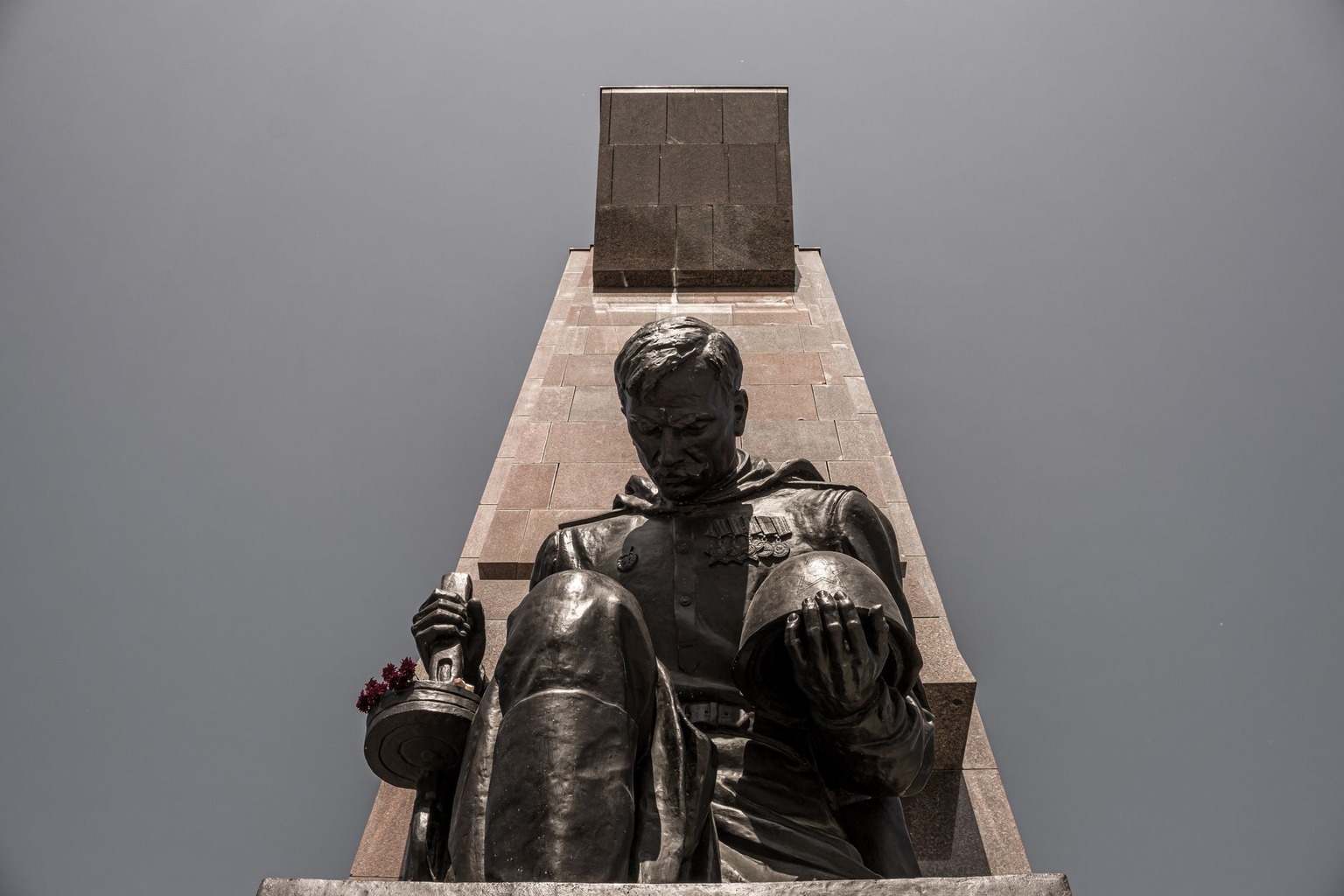
One of the most striking examples is the site of the old Royal Exchange, which was reduced to rubble in the Blitz but later rebuilt as a modern financial hub. The new building, designed by Sir Michael Wilford, incorporates elements of the original structure, including a bronze statue of a merchant and a mosaic floor. This juxtaposition of old and new is a testament to London’s ability to move forward while honouring its past. Similarly, the area around the Tower of London, which was heavily bombed during the war, now features a mix of historic and contemporary architecture, with the Tower’s medieval walls standing alongside modern office buildings. For travellers interested in the physical evolution of London, these sites offer a fascinating study in urban renewal, how a city can be rebuilt while preserving its identity.
Wartime London’s Hidden Gems: Beyond the Major Attractions
While the Churchill War Rooms and the Blitz Memorial are well-known, London’s wartime heritage extends far beyond these major attractions. The Imperial War Museum’s Wren Library, for instance, holds thousands of wartime documents, including personal letters and diaries that provide an intimate look at life during the Blitz. The museum’s temporary exhibitions often focus on lesser-known aspects of the war, such as the role of women in the Auxiliary Territorial Service or the experiences of evacuees. These exhibits are invaluable for visitors seeking a deeper understanding of how the war affected ordinary people, rather than just the military and political elite.
Another hidden gem is the site of the old London Zoo, which was heavily bombed during the Blitz and later rebuilt. The zoo’s wartime history is often overlooked, yet it played a crucial role in morale-boosting during the war, with animals providing a rare source of comfort in a city under siege. Today, visitors can explore the zoo’s wartime exhibits, which include original photographs and personal stories from the era. Similarly, the site of the old Battersea Power Station, which was damaged during the Blitz, now stands as a reminder of how London’s infrastructure was rebuilt in the post-war years. These lesser-known sites offer a more personal and nuanced view of wartime London, away from the crowds of major tourist attractions.

I love exploring London’s hidden corners and sharing what I discover with fellow travellers. When I’m not wandering the streets of the capital, I enjoy writing detailed guides that help others make the most of their visit.