

If you’re planning a trip to London and want to experience the city’s soulful side, there’s no better way than stepping into one of its legendary jazz clubs. These venues aren’t just places to listen to music, they’re time capsules of London’s cultural heritage, where the past and present collide in smoky, intimate spaces. Whether you’re a seasoned jazz enthusiast or a curious traveler looking to immerse yourself in the city’s nightlife, the right club can make your visit unforgettable. But with so many options, how do you choose? The key is knowing where to go, when to go, and what to expect, because not all jazz clubs are created equal, and some demand more preparation than others.
How to pick the right London jazz club for your trip
The best jazz clubs in London aren’t just about the music, they’re about the atmosphere, the crowd, and the vibe they offer. Some are tucked away in historic buildings where the walls whisper stories of past performances, while others are modern spaces that still capture the essence of old-school jazz. Your choice should depend on what you’re looking for: a late-night affair with a rowdy crowd, an early evening intimate set, or a daytime brunch where jazz blends seamlessly with coffee and pastries. For example, if you’re visiting with friends and want a lively atmosphere, you’ll want a venue like Ronnie Scott’s, where the energy is electric even after midnight. On the other hand, if you prefer a quieter, more reflective experience, places like The Blues Kitchen or The Old Blue Last offer a more laid-back vibe. Always check the club’s website or social media for special events, as some host themed nights or guest artists that can elevate your experience, just don’t assume every club will have the same vibe on any given night.
Another factor to consider is the dress code, which can vary wildly between venues. Some, like The Blues Kitchen, are more casual and might just ask you to dress comfortably, while others, such as Ronnie Scott’s, have a more polished atmosphere where smart casual is expected. If you’re unsure, a quick call or email to the venue can save you from turning up in the wrong outfit. It’s also worth noting that some clubs have a dress code enforced by staff, so arriving a little early to scope out the crowd can help you adjust your style. For instance, if you’re heading to a jazz club in Soho, you might find the dress code leans towards slightly more formal, whereas in Camden, you’ll likely see a mix of everything from leather jackets to vintage tees. This attention to detail ensures you blend in rather than stand out for the wrong reasons.
Finally, think about the logistics of getting there. Many of London’s best jazz clubs are in areas like Soho, Camden, or Notting Hill, which can be tricky to navigate after dark, especially if you’re not familiar with the city’s public transport. Some venues, like The Blues Kitchen, are within walking distance of major tube stations, making them easier to access, while others, such as The Old Blue Last, might require a short taxi ride or a bus journey. If you’re staying in central London, you could even consider booking a taxi for a night out, it’s worth the extra cost for peace of mind, especially if you’ve had a few drinks. Alternatively, if you’re exploring on foot, download a map app and check real-time transit updates to avoid any last-minute surprises. Planning ahead means you can focus on enjoying the music rather than stressing about how to get home safely.
What to expect at a London jazz club: a first-timer’s guide
If you’ve never been to a jazz club before, the experience can feel overwhelming at first, especially in London, where the scene is as diverse as it is vibrant. Unlike mainstream gigs or concerts, jazz clubs often have a more intimate setting, with smaller stages and fewer barriers between the musicians and the audience. This means you’ll be closer to the action, able to see the band’s expressions and the crowd’s reactions in real time. For first-timers, this closeness can be intimidating, but it’s also what makes the experience so special. You might find yourself clapping along to a solo, laughing at a comedian’s set, or even joining in a spontaneous jam session. The key is to relax and let the music take you, don’t worry about being the ‘perfect’ jazz fan; these venues thrive on authenticity.
The food and drink options at London jazz clubs can also surprise you. Many venues serve classic British pub fare, from fish and chips to burgers, but some, like The Blues Kitchen, have a more eclectic menu that includes global dishes alongside cocktails and craft beers. If you’re visiting with friends, ordering a shared plate can be a great way to bond over the meal while the band plays. However, don’t expect a full restaurant experience, these clubs are about the music first, so the food is often secondary. That said, some places, such as The Old Blue Last, have a dedicated bar area where you can linger over drinks without feeling rushed. Pro tip: arrive early if you want to grab a seat with a good view of the stage, as tables fill up quickly, especially on weekends. If you’re not a big eater, a cocktail or a pint of London’s finest ale will do just fine, just make sure to pace yourself if you plan to stay late.
One thing that often catches first-timers off guard is the dress code, which can vary from venue to venue. Some clubs, like Ronnie Scott’s, have a more formal atmosphere where suits and dresses are common, while others, such as The Blues Kitchen, are more relaxed, with jeans and a nice top often being the norm. If you’re unsure, a quick glance at the venue’s social media or website can give you an idea of what to expect. For example, if you see images of the crowd dressed in vintage suits and pearls, you’ll know to dress accordingly. Conversely, if the club’s Instagram feed shows a mix of casual and smart-casual outfits, you can be more flexible. The goal is to fit in without overdoing it, you don’t want to look like you’re trying too hard, but you also don’t want to turn up in flip-flops when the rest of the crowd is in leather jackets. Trust your instincts, and you’ll be fine.
Best London jazz clubs for a vintage experience in 2026
If you’re after the full vintage jazz club experience, London has no shortage of options that transport you back to the golden age of the genre. Ronnie Scott’s, located in Soho, is one of the most iconic, with a history dating back to 1959. The club’s intimate setting, wooden floors, and classic décor make it feel like stepping into a time machine. The bandstand is small, ensuring you’re just a few feet from the musicians, and the crowd is a mix of locals and tourists who come to hear world-class jazz. For a more modern twist on the vintage experience, The Blues Kitchen in Shoreditch offers a similar atmosphere but with a contemporary edge, think exposed brick walls and a diverse lineup of jazz, blues, and soul acts. Both venues are worth a visit, but if you’re after the purest vintage vibe, Ronnie Scott’s is the undisputed king.
On the Three Man Abroad channel they cover the best jazz bars in London, and you can watch it right here.
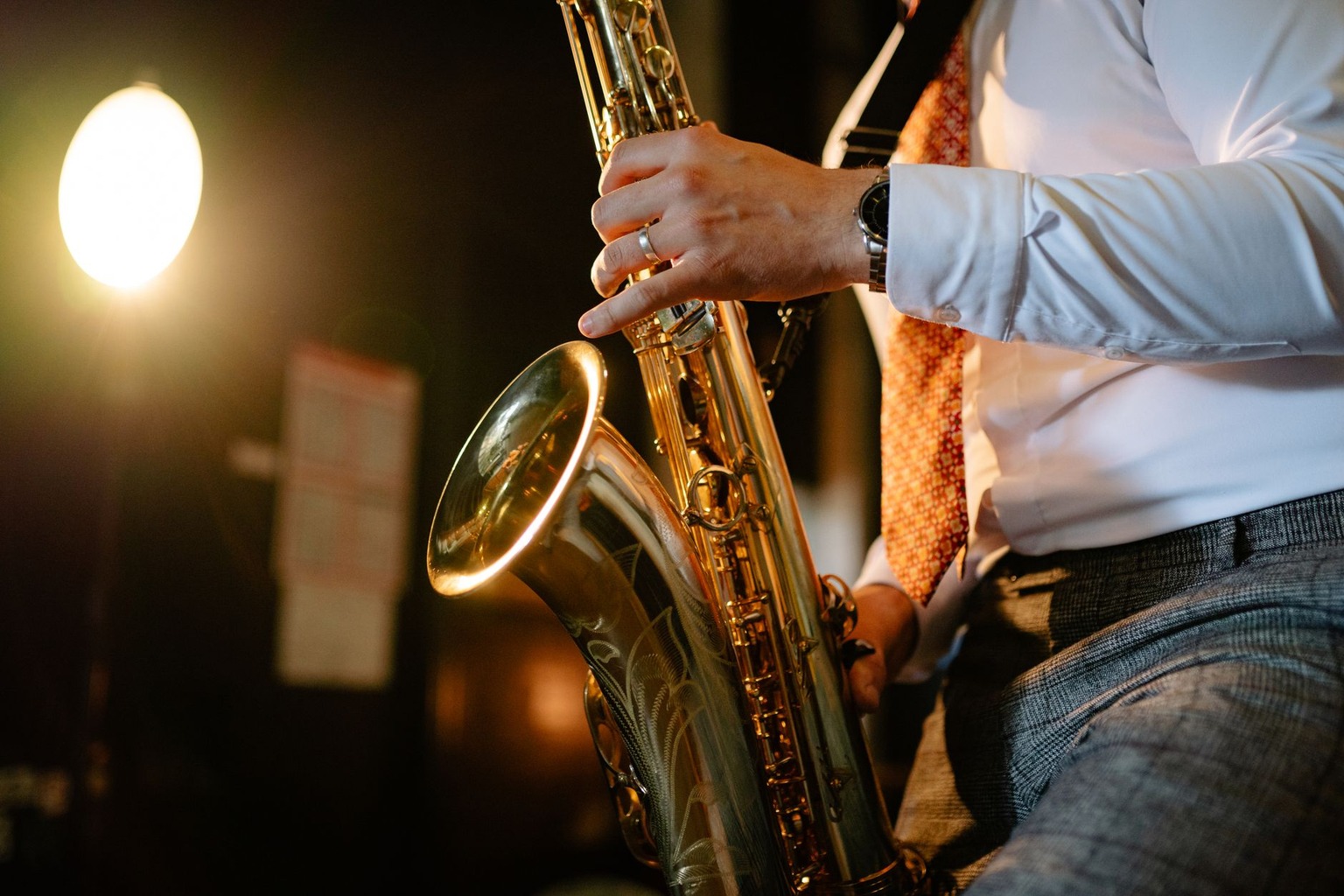
For something slightly different, The Old Blue Last in Camden is a hidden gem that feels like a throwback to the 1920s. The venue is housed in a former music hall, with a stage that’s been preserved almost exactly as it was in its heyday. The crowd here is more eclectic, with a mix of regulars and newcomers, and the music ranges from traditional jazz to modern fusion. If you’re visiting on a weekend, you might catch a live band playing everything from Django Reinhardt’s guitar to Miles Davis-inspired improvisation. The Old Blue Last is also one of the few venues where you can enjoy a drink in the garden during the warmer months, adding an extra layer of charm to the experience. It’s the kind of place where you can lose track of time, soaking up the music and the atmosphere without a care in the world.
If you’re looking for a jazz club with a bit more history and character, The Blues Kitchen’s sister venue, The Blues Kitchen East, is a fantastic choice. Located in Hackney, it’s a converted warehouse with a raw, industrial feel that contrasts beautifully with the vintage jazz it hosts. The venue often features up-and-coming artists alongside established names, giving you a taste of what’s next in the jazz world. For a more upscale vintage experience, consider The 100 Club in Covent Garden, which has been a staple of London’s music scene since 1930. The club’s grand interior, complete with a marble bar and a stage that’s seen legends like Louis Armstrong and Ella Fitzgerald perform, makes it feel like you’ve stepped into a different era. Whether you’re after the gritty charm of Hackney or the elegance of Covent Garden, there’s a vintage jazz club in London that’s perfect for you.
When to go: timing your visit for the best experience
The best time to visit a London jazz club depends on what kind of experience you’re after. If you’re a night owl who loves the energy of a late-night crowd, you’ll want to head to venues like Ronnie Scott’s, where the music often carries on until the early hours. These late-night sessions are where the real magic happens, improvisation runs longer, the crowd is more relaxed, and the atmosphere is electric. However, if you’re not used to staying out late, you might find yourself flagging by 2am, so pace yourself with snacks and plenty of water. For a more daytime experience, some clubs, like The Blues Kitchen, offer brunch sets where you can enjoy jazz over coffee and pastries, a great way to start your day if you’re not a night person. The key is to match your visit to your energy levels and schedule, so you don’t end up exhausted or disappointed.
Weekdays can be just as good as weekends for jazz clubs, especially if you’re looking to avoid crowds. Many venues have quieter sessions on Monday and Tuesday nights, which means you’ll get a better seat and a more intimate experience. For example, Ronnie Scott’s often has a more relaxed crowd on weekdays, making it easier to chat with musicians or other fans. If you’re visiting during the week, you might also catch emerging artists who are still building their reputations, giving you a chance to discover new talent before it goes mainstream. Weekends, on the other hand, are perfect if you’re after a full night out, with more bands playing and a livelier atmosphere. Just be prepared for longer waits to get in, especially at popular venues like The Old Blue Last. If you’re visiting on a Saturday night, arrive early to secure a good spot, some clubs even have a first-come, first-served policy for seating.
Another factor to consider is the time of year. Summer in London means longer evenings, which is perfect for jazz clubs that stay open late. Many venues extend their hours during the warmer months, giving you more time to enjoy the music and the outdoors. For example, The Old Blue Last’s garden opens up in the summer, creating a unique al fresco experience where you can sip a cocktail while listening to live jazz. If you’re visiting in winter, you’ll find that some clubs have special themed nights, such as holiday jazz sessions or Christmas-themed gigs, which add a festive touch to the atmosphere. Winter can also be a quieter time for some venues, so you might find better seats and more relaxed crowds. No matter when you visit, timing your trip to coincide with special events or seasonal offerings can make your experience even more memorable.
How to make the most of your visit: insider tips
One of the best ways to enhance your jazz club experience is to engage with the crowd and the musicians. Unlike at a concert, where you’re often expected to sit quietly and listen, jazz clubs thrive on interaction. Don’t be afraid to clap along, shout out compliments to the band, or even ask the musicians a question after their set. Many performers are happy to chat, especially if you’re genuinely interested in their music. For example, if you’re at Ronnie Scott’s and the saxophonist plays a particularly impressive solo, you might find them more than willing to share their thoughts on the piece. This kind of connection turns a casual visit into a memorable one. Just remember to keep the conversation respectful, you’re there to enjoy the music, not to monopolise the stage.

Another insider tip is to arrive early if you want to grab a seat with a good view of the stage. Many jazz clubs fill up quickly, especially on weekends, so getting there at least 30 minutes before the start of the show ensures you don’t miss out. Some venues, like The Blues Kitchen, also offer early-bird drinks specials, so you can save money while enjoying your first cocktail of the night. If you’re visiting with a group, consider splitting up to secure multiple seats, this way, everyone gets a good spot without fighting over the best tables. Pro tip: if you’re not sure where to sit, ask the staff for recommendations. They know the venue inside out and can point you towards the best spots for the acoustics or the best views of the stage.
Finally, don’t underestimate the power of research before you go. Many jazz clubs have websites or social media pages where they list upcoming acts, special events, and even dress codes. For example, if you’re heading to The Old Blue Last and see that the band playing is a local favorite, you’ll know what to expect in terms of music style. Similarly, checking reviews on platforms like TripAdvisor or Google can give you insights into the venue’s atmosphere and service. If you’re visiting during a festival or a special series, like Ronnie Scott’s annual jazz festival, you’ll want to plan ahead to secure tickets. The more you know before you arrive, the more you’ll get out of your visit, whether it’s discovering a new artist, enjoying a themed night, or simply soaking up the vintage vibe of the club.

I love exploring London’s hidden corners and sharing what I discover with fellow travellers. When I’m not wandering the streets of the capital, I enjoy writing detailed guides that help others make the most of their visit.