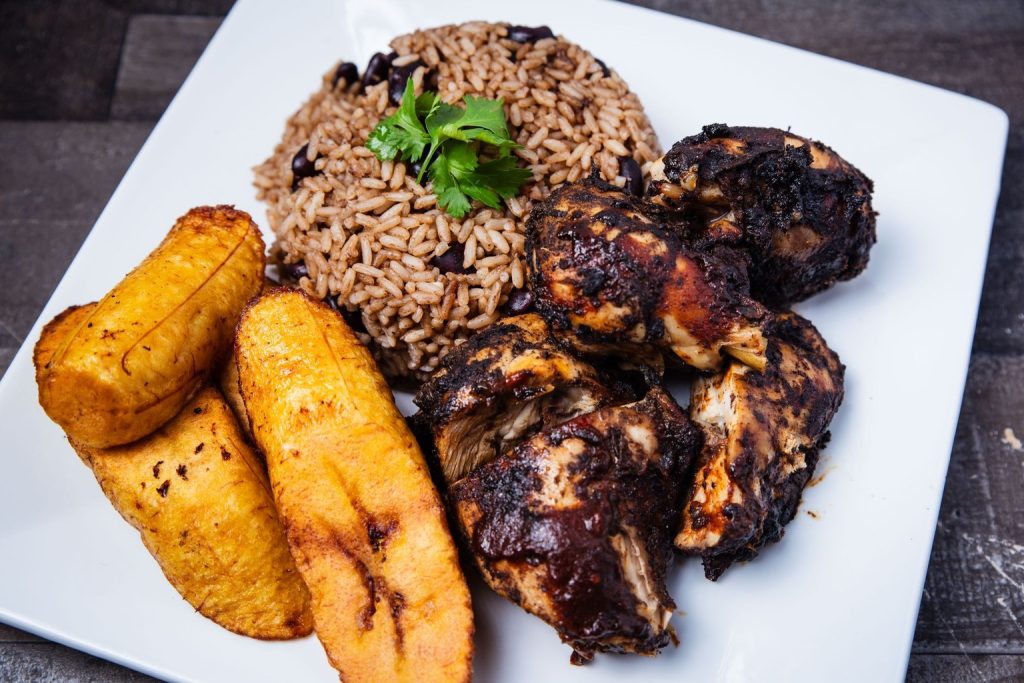
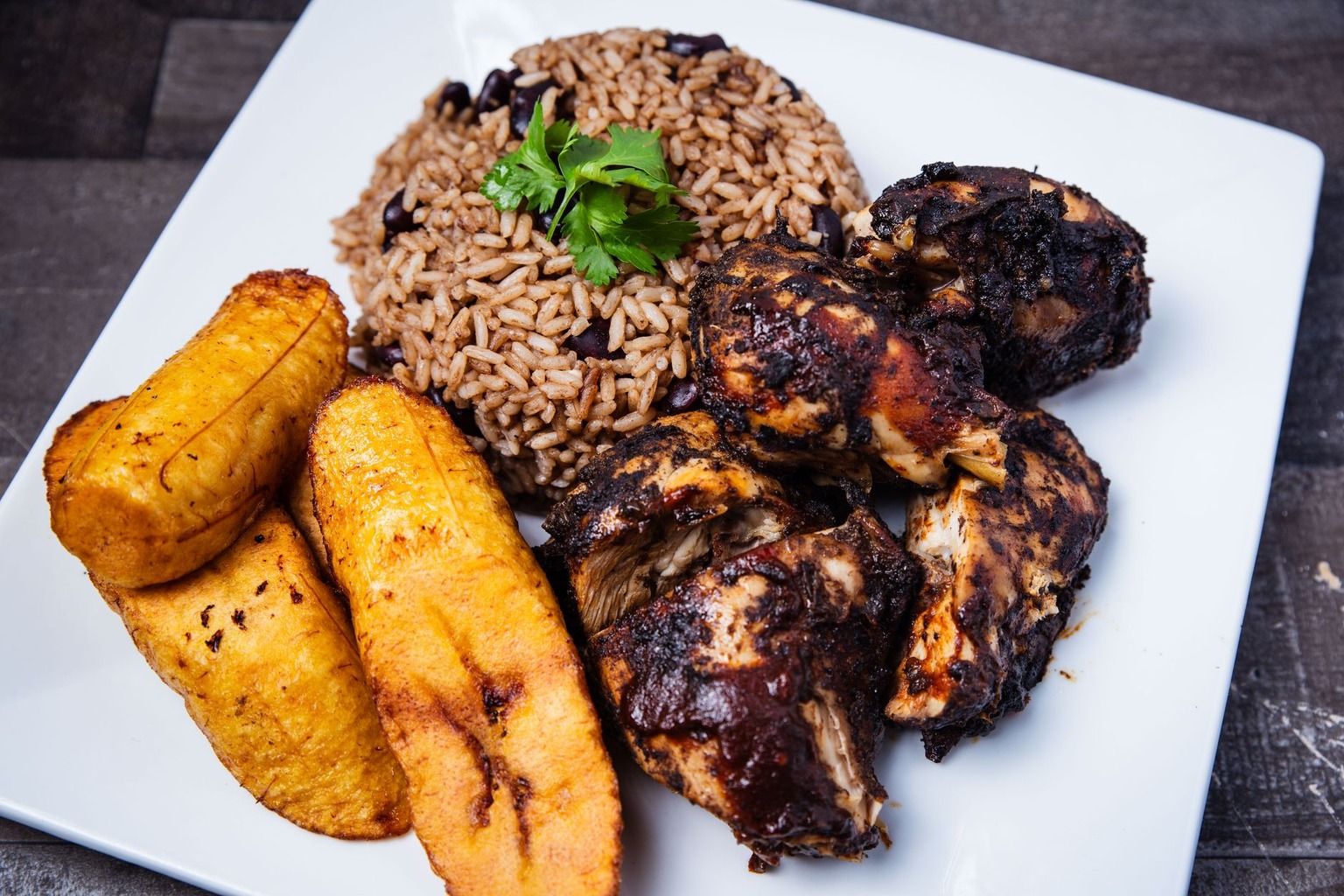
Searching for the best Caribbean food markets London has to offer usually leads tourists straight to restaurant listings, but the true flavour of the city lies in its open-air stalls and community-led markets. If you want an authentic taste without the dining room overheads, these locations are where locals actually queue up on weekends. From Brixton’s sprawling food halls to the vibrant corners of Peckham and Hackney, each spot brings a distinct island vibe to the table. This guide skips the tourist traps and focuses on the specific stalls, dishes and timings that will make your next trip to these neighbourhoods genuinely memorable.
What Makes a Caribbean Market Stall Genuinely Authentic
When evaluating where to eat, look for vendors who prepare food fresh from scratch rather than reheating pre-made batches. Authentic Jamaican jerk, for instance, involves marinating meats in a paste of scotch bonnet peppers, thyme and allspice for at least 24 hours before grilling over pimento wood. You will often hear the sizzle of the grill and smell the distinct smoky aroma drifting through the air before you even reach the counter. If the meat looks dry or tastes flat, it was likely cooked hours ago and stored under a heat lamp. Genuine stalls take pride in their seasoning and will happily explain the ingredients to curious customers, showing a real connection to the culinary tradition.
Another key indicator is the variety of sides available alongside the main protein. A proper plate should include rice and peas, fried plantain, coleslaw and macaroni pie, all prepared in-house with rich, creamy textures. You might also spot fresh callaloo or spinach stew simmering in large pots, which adds a vegetable component that balances the heavier meat dishes. These sides are not mere garnishes; they are integral to the meal and reflect the agricultural heritage of the islands. If a stall only offers a single protein option without a rotating selection of accompaniments, it is likely prioritising speed over flavour and authenticity.
Pricing also tells you a lot about the quality of ingredients used on the menu. At authentic markets, a full plate of jerk chicken or goat curry typically ranges from £12 to £18, reflecting the cost of quality meats and fresh produce. You should be wary of stalls offering identical dishes for significantly less, as this often indicates lower-grade cuts or frozen components. The vendors at the best locations source their spices directly from Caribbean importers, ensuring the heat level and aromatic complexity match what you would find in Kingston or Bridgetown. This attention to detail is what separates a casual snack from a genuine culinary experience.
Brixton Market: The Heartbeat of London’s Island Food Scene
Brixton Market remains the undisputed heavyweight when it comes to Caribbean street food, and for good reason. Located on Railway Arch, this covered market has been serving the community since 1906, but its food stalls have become a global destination in their own right. The space is bustling with energy, especially on weekends, as locals and visitors jostle for spots near the most popular jerk chicken vendors. You will find multiple stalls offering slightly different variations of the same dishes, allowing you to compare flavours and textures side by side. The atmosphere is electric, with reggae music playing in the background and the smell of grilling meat hanging thick in the air.
One specific vendor that stands out is the stall near the central pillar, known for its slow-roasted goat curry. The meat falls off the bone effortlessly, coated in a rich, tomato-based gravy infused with ginger and garlic. This particular spot has been operating for over a decade and maintains a consistent queue of regulars who refuse to eat anywhere else. If you want to avoid the longest lines, aim to arrive before 11 am or after 3 pm, as the midday rush can add significant wait times. The surrounding area is also packed with fresh fruit vendors selling mangoes, guavas and papayas, which make a perfect dessert after your meal.
Getting to Brixton Market is straightforward via the Overground or Underground, but plan to walk the short distance from the station entrance. The market operates daily, though some vendors may close on Mondays, so check individual stall hours if you are visiting midweek. Parking is limited and expensive, so public transport is the smarter choice for most visitors. Once inside, the layout can feel chaotic at first glance, but following the scent of grilling meat will lead you directly to the best food options. This is where you will find the best Caribbean food markets London has to offer in terms of sheer volume and variety.
Peckham Market: A More Relaxed and Diverse Food Experience
Peckham Market offers a slightly different vibe compared to Brixton, with a more relaxed atmosphere and a wider mix of culinary influences. Situated in a Victorian archway, this market has undergone significant regeneration and now hosts a curated selection of food vendors alongside craft stalls. The Caribbean options here are often integrated with other African and South Asian dishes, creating a multicultural food hub that reflects the neighbourhood’s diverse population. You might find a jerk chicken stall right next to a vendor selling jollof rice or samosas, offering a unique cross-cultural tasting experience.
On The Hungry Brown Boy channel, they cover this culinary journey, and you can watch it right here.
The jerk chicken at Peckham tends to be slightly milder than what you will find in Brixton, appealing to those who prefer a subtler heat level. The marinade often includes a touch more brown sugar and less scotch bonnet pepper, resulting in a smoky, sweet flavour profile that is very approachable. Many of the vendors here are also part of local food initiatives, meaning they source ingredients from nearby farms and suppliers wherever possible. This focus on local sourcing adds another layer of authenticity to the experience, as you can ask vendors about their supply chains and ingredient origins.
Visiting Peckham Market is best done on a Saturday morning when the full range of vendors are present and the energy is highest. The market is located just off Peckham High Street, making it easily accessible via the National Rail line. Unlike Brixton, you will find more seating options here, with benches and small tables scattered throughout the space, allowing you to sit down and enjoy your meal at a leisurely pace. This makes it an ideal spot for families or groups who want to take their time exploring the different food offerings without rushing to the next destination.
Hackney Market: Hidden Gems and Community Focused Vendors
Hackney Market is often overlooked by tourists, but it harbours some of the most dedicated and community-focused Caribbean food vendors in East London. Held every Saturday on Mare Street, this market has a long history dating back to the 17th century, and its food stalls are a testament to the resilience and creativity of local cooks. The atmosphere here is more intimate than the bigger markets, with vendors often knowing their regulars by name and offering personalised recommendations based on your preferences. This level of personal connection adds a unique dimension to the food experience that you rarely find in larger, busier locations.
One standout feature of Hackney Market is the presence of home-style cooking stalls, where grandmothers and long-time residents prepare dishes exactly as they would for their own families. You might come across a vendor serving traditional dumplings or patties, filled with spiced beef or chicken and cooked in a deep fryer until golden brown. These are not mass-produced items but handcrafted delicacies that require significant time and skill to prepare correctly. The flavours are deep and complex, reflecting generations of culinary knowledge passed down through the family lines.
Accessing Hackney Market is easy via the Overground from London Liverpool Street or Bank, and the walk from the station is a pleasant opportunity to explore the local shops and cafés. The market operates primarily on Saturdays, so plan your visit accordingly if you want to catch the full array of food stalls. Parking is available in nearby lots, but again, public transport is recommended to avoid the hassle of finding a space. This market is perfect for those who want to step away from the tourist crowds and experience a more authentic slice of London’s Caribbean culinary heritage.
How to Choose the Right Market for Your Travel Style
Selecting the right market depends largely on your tolerance for crowds and your preference for atmosphere versus convenience. If you thrive in high-energy environments and don’t mind waiting in line for a perfect plate of jerk chicken, Brixton is your best bet. The sheer scale of the operation means there is always something new to try, and the diversity of vendors ensures you can find exactly what you are craving. However, if you prefer a more relaxed setting where you can sit down and enjoy your food in peace, Peckham Market offers a calmer alternative with excellent quality food.
Your dietary preferences should also play a role in your decision-making process. If you are looking for specific spices or ingredients that are hard to find elsewhere, Hackney Market’s community-focused vendors may be able to source or prepare them on request. Many of these cooks are happy to accommodate dietary restrictions or adjust spice levels to suit individual tastes, providing a level of customisation that is rare in fast-food settings. This flexibility makes it an excellent choice for those with specific culinary needs or preferences who want a tailored dining experience.
Finally, consider the timing of your visit and how much time you have allocated for food exploration. If you are short on time, the central stalls in Brixton allow you to grab a quick meal and move on to the next sight. For those with a full day to spare, spreading your visit across multiple markets allows you to sample a wider range of dishes and compare flavours from different regions. This approach turns a simple meal into a comprehensive culinary tour of London’s Caribbean community, offering insights into the culture and history behind the food.
Practical Tips for Eating Out at Caribbean Markets
Cash is still king in many of these market stalls, so ensure you have enough banknotes and coins before you head out. While some vendors now accept card payments, not all are equipped with readers, and cash offers the fastest way to get your food without delay. It is also wise to tip your vendor, as many of them operate on tight margins and rely on customer goodwill to sustain their businesses. A small gratuity of 10% goes a long way in supporting these local entrepreneurs and ensuring they can continue to provide high-quality food.

Be prepared for the heat levels of Caribbean spices, which can be significantly stronger than what you might be used to in other cuisines. If you are sensitive to spice, ask for your food to be made mild or request that the scotch bonnet peppers be removed from the marinade before cooking. This simple adjustment can make all the difference in your enjoyment of the meal, allowing you to appreciate the complex flavours without being overwhelmed by the heat. Vendors are usually happy to accommodate these requests and will explain how to balance the spice with other elements of the dish.
Lastly, take the time to observe the preparation process as much as possible, as watching the food being cooked is part of the experience. The sight of flames licking the meat and the aroma of spices hitting the air adds a sensory dimension that enhances the taste of the final product. Engage with the vendors, ask about their recipes and share your own culinary experiences, as this interaction builds a connection that transcends the meal itself. This is how you truly immerse yourself in the culture and make the most of your time at these vibrant food hubs.
Combining Market Visits with Nearby Cultural Attractions
Each of these markets is located near other cultural attractions that can enhance your overall trip to London. Brixton is close to the Brixton Windmill and the nearby art galleries, offering a blend of food and visual arts in one day. You can spend the morning exploring the local creative scene and then head to the market for lunch, creating a well-rounded cultural experience. This combination allows you to understand the artistic heritage that influences the culinary traditions of the neighbourhood.
Peckham Market is situated near the Peckham Levels, a popular spot for urban explorers and photographers who enjoy capturing unique architectural details. After your meal, take a short walk to explore these underground spaces and learn about the area’s industrial past. This juxtaposition of modern food culture with historical infrastructure provides a fascinating contrast that deepens your appreciation of the local environment. It is a great way to spend an afternoon if you want to mix relaxation with a bit of adventure.
Hackney Market offers proximity to Hackney Central Library, which has a striking modern design and hosts various cultural events throughout the week. Visiting the library before or after your market trip allows you to explore the local literary scene and participate in community activities that reflect the diverse interests of the residents. This integration of food, culture and architecture makes these markets more than just places to eat; they are gateways to understanding the vibrant social fabric of East and South London.

I love exploring London’s hidden corners and sharing what I discover with fellow travellers. When I’m not wandering the streets of the capital, I enjoy writing detailed guides that help others make the most of their visit.