Planning a trip to the capital with a four-legged companion means balancing sightseeing with practical stops and the keyword dog-friendly cafés London appears naturally in that calculation. The city has moved well beyond simply tolerating pets on pavements and now actively designs hospitality around them. For 2026 the trend leans toward venues that treat dogs as genuine guests rather than afterthoughts with a water bowl tucked near the bins. This shift reflects broader changes in British travel habits where staycations and pet ownership have surged together. Understanding which neighbourhoods cluster the best options saves hours of backtracking across the Underground. The following guide breaks down the mechanics of a smooth visit from transport rules to seasonal park restrictions.
Navigating Transport and Entry Rules for 2026
Transport for London allows dogs on all tubes buses and the Elizabeth line at no extra charge provided they are leashed or carried. Stations with wide ticket gates such as Green Park or Westminster make entry far easier than older deep-level stops with narrow barriers. The Overground and DLR follow the same policy but rush hour between 0730 and 0930 sees staff occasionally ask owners to wait for the next service if carriages are packed. River boats operated by Uber Boat accept dogs on the open deck only and a muzzle is technically required though rarely enforced for calm animals. Always carry a compact towel because sudden rain turns a wet coat into a slip hazard on polished station floors.
Heathrow Express and Gatwick Express both welcome dogs in standard class without a carrier but the Stansted Express requires a pet carrier for animals that do not fit on a lap. Eurostar remains the outlier allowing only registered assistance dogs so cross-Channel travellers must arrange a pet-friendly ferry or the Le Shuttle train through the tunnel. Booking a cabin on the overnight Caledonian Sleeper to Scotland costs an extra thirty pounds per dog and spaces sell out weeks ahead during school holidays. Check the National Rail conditions of carriage page the night before travel because engineering works sometimes replace trains with replacement buses that impose stricter pet limits.
How dog-friendly cafés London Operate Behind the Scenes
Most independent venues now use a colour-coded bandana system borrowed from Australian hospitality: green means the dog is social and happy to greet strangers amber signals nervousness and red asks for space. Staff receive a fifteen-minute briefing on canine body language during onboarding which reduces incidents and speeds up table turnover. Kitchens keep a separate prep area for dog treats usually dehydrated chicken or sweet potato slices to avoid cross-contamination with human allergens. Menus list a pupcino price alongside the flat white so there is no awkward bill surprise. Waste stations with compostable bags sit at every second table and are emptied hourly to keep odours down in tight spaces.
Licensing officers inspect ventilation rates and floor materials annually; non-slip vinyl scores higher than polished concrete which becomes treacherous when wet. Insurance premiums drop roughly twelve percent when a venue installs a dedicated dog entrance that bypasses the main dining room. Some chains such as Gail’s and Farmacy have rolled out portable crate rentals so owners can secure a nervous rescue while ordering at the counter. Booking platforms now filter for dog capacity in real time showing live availability for the next ninety minutes which is a game changer on rainy Saturday mornings when walk-ins vanish.
Central London Parks with Off-Lead Zones and Seasonal Restrictions
Hyde Park permits off-lead exercise everywhere except the Rose Garden the Diana Memorial Playground and the Serpentine bathing area. From May to September the Royal Parks police enforce a 10am to 6pm lead rule on the North Carriage Drive cycle track after two cyclist collisions in 2023. Regent’s Park allows off-lead time before 10am and after 4pm in the Inner Circle but the Outer Circle remains on-lead year-round due to heavy jogger traffic. Primrose Hill operates a strict on-lead policy at all times because the steep slopes concentrate dogs and picnickers in a narrow band. Always check the Royal Parks website the morning of your visit because film shoots or VIP events can close whole sectors without notice.
If you are planning a longer trip, Secret London explores the UK’s most dog-friendly hotel in this helpful video, which you can watch right here.

Battersea Park offers a fenced dog run near the Peace Pagoda with separate sections for small and large breeds. The run closes for maintenance every Tuesday until 10am and the water fountain inside is winterised from November to March. Hampstead Heath’s Parliament Hill Fields allow off-lead access across the whole plateau but the adjacent Kenwood House estate managed by English Heritage requires leads at all times. Richmond Park’s deer protection bylaw means dogs must be on a lead within fifty metres of any deer herd; rangers issue eighty-pound fixed penalties on the spot. Bushy Park follows the same rule but enforcement is lighter on weekdays.
Neighbourhood Clusters That Minimise Travel Time
Shoreditch and Dalston form a dense corridor where you can walk from The Attendant on Foley Street to The Book Club on Leonard Street hitting five dog-welcome venues in under a kilometre. This cluster stays lively until 10pm so an afternoon coffee stretches into early evening drinks without moving the dog more than once. Notting Hill’s Portobello Road stretch from Westbourne Grove to Golborne Road packs four cafés with outdoor heaters and covered courtyards ideal for unpredictable spring weather. The Saturday market crowds peak at 11am so aim for a 9am arrival or a 3pm lull when stallholders feed their own dogs.
South of the river the Bermondsey Beer Mile doubles as a dog-friendly crawl because most taprooms have wide roller doors and spent grain biscuits behind the bar. The route from Maltby Street Market to Southwark Park is flat and well-lit for winter evenings. Clapham Common’s perimeter road hosts three venues with direct park access meaning the dog never leaves grass or pavement. Wimbledon Village feels more suburban but the concentration around the High Street and Church Road includes two bakeries that open at 7am for early walkers. Each cluster has at least one vet practice open until 8pm within five minutes walk which matters if a paw gets cut on broken glass.
Seasonal Menu Adaptations and Allergy Protocols
Spring menus introduce wild garlic biscuits and nettle-infused bone broth while autumn brings pumpkin and turkey mince pies sized for a Jack Russell. Winter sees a rise in goat milk kefir served warm to soothe arthritic joints in older dogs. Summer focuses on frozen watermelon cubes and cucumber mint ice lollies made in-house to avoid xylitol which appears in some commercial pet ice creams. Chefs label every dog dish with a traffic light allergen key: green for single protein amber for novel protein combinations red for common triggers such as beef dairy or chicken. Staff carry a laminated cross-reference card linking each menu item to the key so they can answer queries without leaving the floor.
Portion control follows a ten-percent rule: a treat plate never exceeds ten percent of the dog’s daily calorie allowance based on weight brackets displayed on the chalkboard. Owners scan a QR code to input their dog’s weight and receive a tailored portion guide. Some venues partner with a veterinary nutritionist who audits recipes quarterly; the audit certificate hangs near the till. Water stations use filtered tap water chilled to twelve degrees because studies show dogs drink thirty percent more at that temperature reducing heatstroke risk in July. Bowls are stainless steel not ceramic to prevent bacterial biofilms in scratched glaze.
Practical Gear and Etiquette for a Frictionless Visit
A hands-free lead with a bungee section absorbs sudden lunges when a pigeon takes flight and keeps your hands free for coffee and a pastry. Pack a lightweight travel mat that folds to the size of a paperback; most venues have stone floors that sap heat from joints in winter. A collapsible silicone bowl clips to the outside of a daypack and rinses clean in a bathroom sink. Bring two towels one for muddy paws at the door and one for the inevitable shake-off after a park sprint. Poop bags should be cornstarch-based not plastic because Royal Parks bins now reject non-compostable waste and fines start at one hundred pounds.
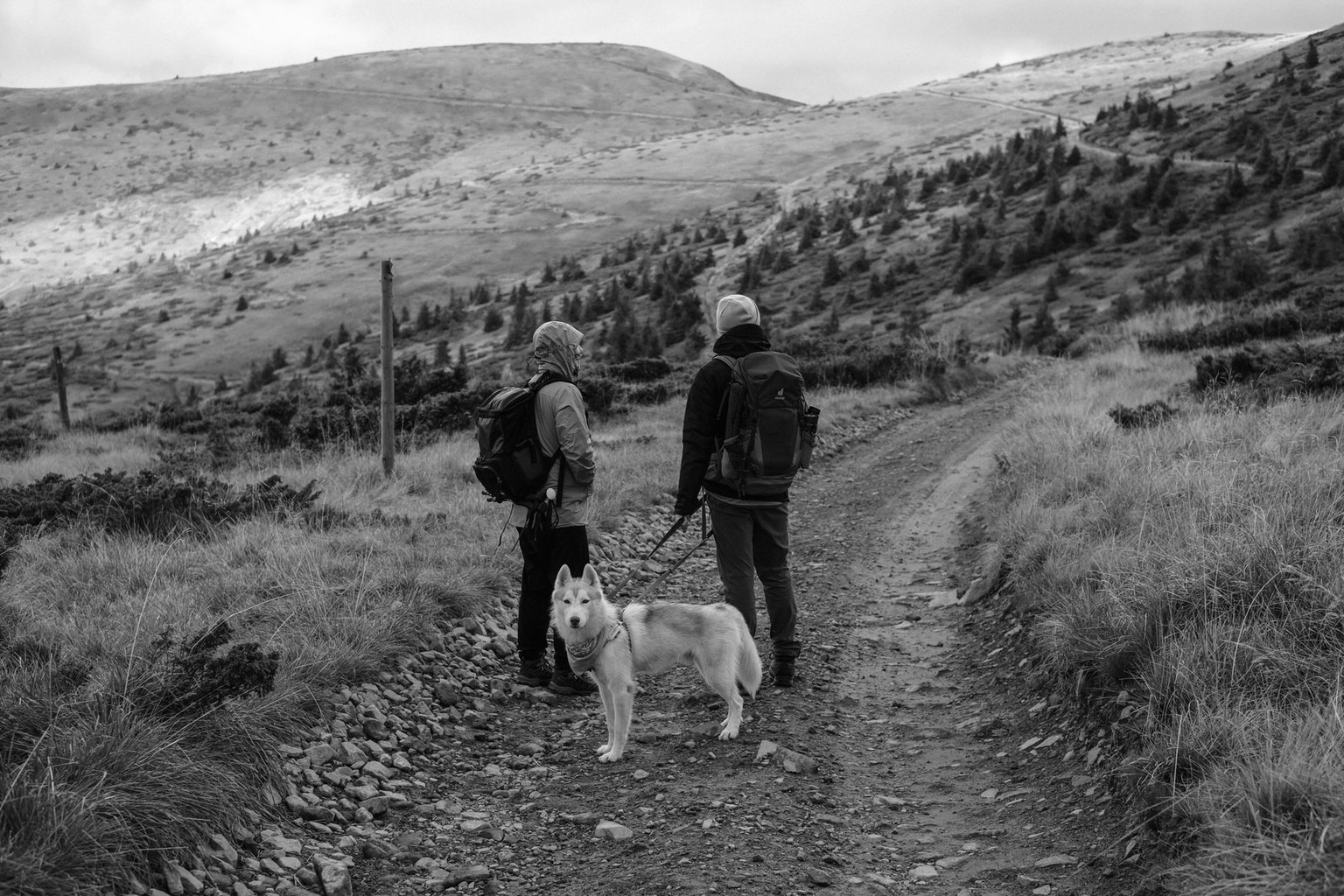
Etiquette dictates that the dog settles under the table or on the mat before the first sip of coffee; standing dogs block narrow aisles and trigger resource guarding in neighbouring animals. If your dog barks more than twice calmly leash up and step outside for a reset rather than shushing repeatedly which escalates arousal. Tip the server an extra pound per dog for the additional floor cleaning; it builds goodwill and secures a warmer welcome on return visits. Never feed another dog without explicit owner permission; allergies and training protocols make this a safety issue not a courtesy. Leave a review mentioning the dog by name; venues track these mentions and prioritise regulars during peak booking windows.
Emerging Trends Shaping the 2026 Scene
AI-powered occupancy sensors now feed live dog-count data to booking apps so you can see exactly how many large breeds are inside before you leave home. Some venues trial a subscription model: twenty pounds a month guarantees a reserved corner table with a built-in crate dock and unlimited pupcinos. Pop-up vaccination clinics run by the PDSA appear in park car parks on the first Sunday of each month offering free titre testing and microchip checks. Electric cargo bikes with insulated dog pods deliver takeaway orders to picnic blankets in Regent’s Park and Victoria Park cutting car trips by an estimated forty percent. Smart collars sync with venue loyalty apps to auto-apply discounts when the dog crosses the threshold.
Sustainability reporting has become a marketing differentiator; cafés publish annual paw-print audits covering waste diversion energy use and treat sourcing miles. The London Dog Friendly Awards launched in 2025 now influence lease negotiations because landlords recognise the footfall value of a winning tenant. Expect more venues to install UV-C air sanitisation units that reduce zoonotic pathogen load without chemical sprays. Virtual reality previews let anxious owners walk through a venue layout from home checking table spacing and noise levels before booking. The overall trajectory points toward a city where the default assumption is canine inclusion not exception.

I love exploring London’s hidden corners and sharing what I discover with fellow travellers. When I’m not wandering the streets of the capital, I enjoy writing detailed guides that help others make the most of their visit.