

London’s street food scene has transformed from greasy spoons to global gastronomy hubs over the last decade. By 2026, London’s vibrant city’s markets will transform casual dining with bold flavours and expertly chosen vendors. Whether you are a tourist hunting the iconic or a local seeking the next hidden gem, the landscape offers something for every palate. The evolution of these spaces reflects broader changes in the city’s culinary identity, making a guide essential for navigating the best bites the capital has to offer.
Size and Layout
The physical footprint of a market often dictates the variety and quality of stalls you will encounter, London street food markets. Larger venues like Borough Market provide a sprawling environment where historic architecture meets modern gastronomy, allowing for a leisurely wander through themed aisles. In contrast, smaller pocket markets such as Maltby Street offer a more intimate experience, where the close proximity of stalls encourages quicker decision-making and often fresher, more experimental offerings. When choosing where to spend your culinary afternoon, consider whether you prefer the bustling energy of a wide-open space or the focused charm of a tighter circuit. The layout also influences how you discover hidden gems; narrower paths often lead to stalls that might be missed in a wider expanse, so mapping out a rough route can enhance your tasting journey.
Accessibility and transport links are practical dimensions that separate the best markets from the rest. Markets positioned near major tube stations, such as Borough near London Bridge or Camden Town, offer seamless integration into a day of sightseeing, reducing travel friction. Conversely, markets tucked away in residential areas, like Exmouth Market, might require a deliberate detube or bus ride, but often reward the extra effort with less crowded atmospheres and more authentic local patronage. Checking peak times is also wise; arriving early, often before 12:00, helps you beat the weekend rush and secure the freshest produce before popular stalls sell out. Ultimately, the size and location shape not just what you eat, but how comfortably you can move between flavours.
Vendor Diversity and Specialisation
One of the most compelling reasons to visit a street food market is the sheer diversity of cuisines under one roof. In 2026, the top markets pride themselves on a global palette, ranging from authentic Vietnamese pho and Mexican tacos to modern British reinventions of classics. This variety ensures that even the most discerning eater finds a stall that piques their interest, turning a simple meal into a world tour. The best venues actively curate their vendor mix, rejecting saturation in favour of unique concepts, which means you are more likely to encounter a truly original dish rather than the tenth burger van on the circuit. Look out for stalls that highlight regional specialities from the UK’s constituent nations, offering a taste of Scotland, Wales, or Northern Ireland alongside international imports.
Specialisation within a market can be just as important as the breadth of options. Some markets have carved a niche for themselves by focusing on specific categories, such as seafood, plant-based fare, or artisanal desserts. For instance, a market might boast a high concentration of stalls dedicated to vegan comfort food, catering to the growing demand for cruelty-free options without sacrificing taste or texture. Other venues might prioritise street food with a strong drinks pairing, featuring craft beers, natural wines, or artisanal cocktails that complement the food menu. When evaluating options, check the market’s official website or social media channels; many post weekly vendor rotations and speciality themes, allowing you to align your visit with your current culinary cravings or dietary requirements.
Signature Dishes and Must-Try Stalls
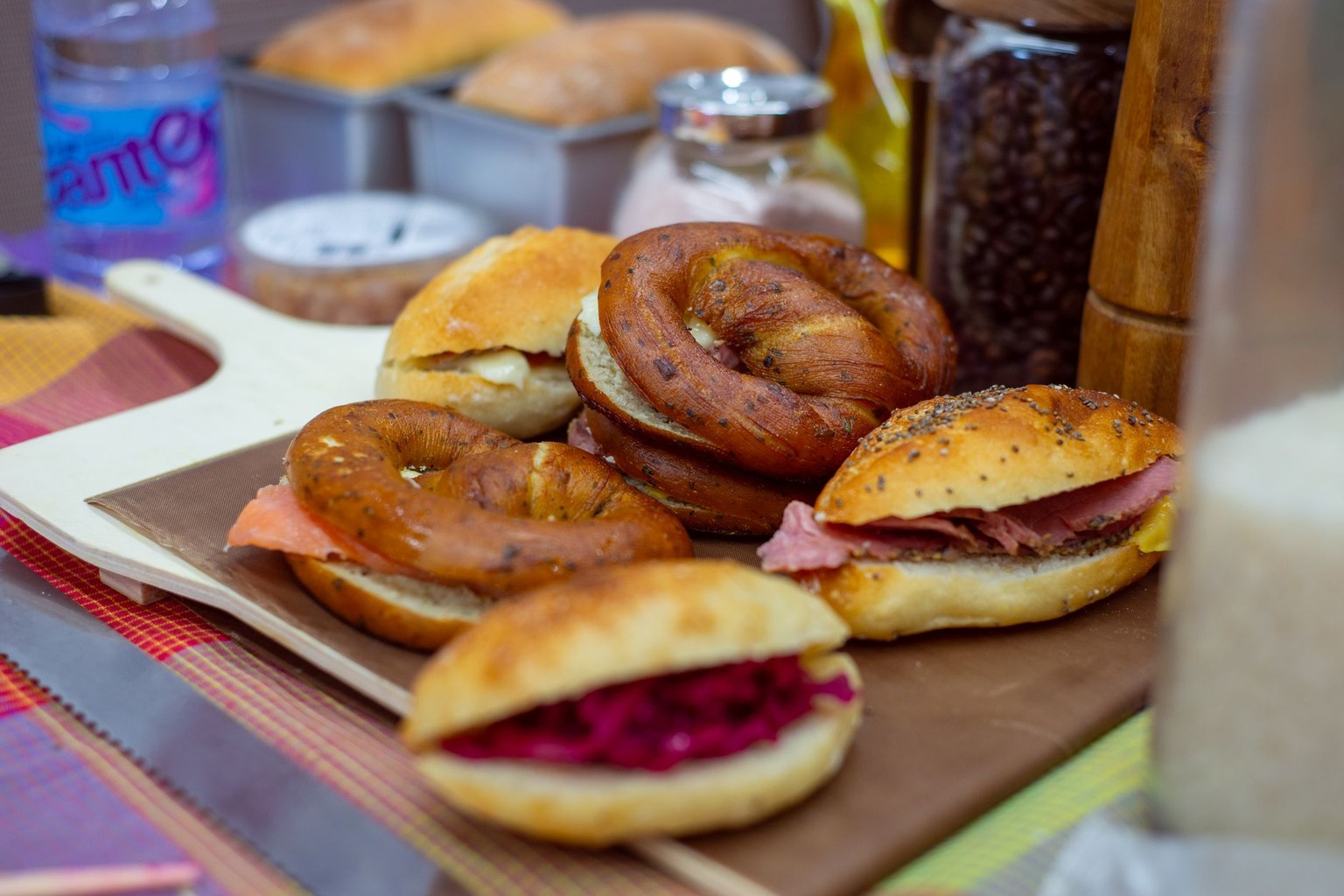
Before booking with Online Escort Services, it’s wise to research their reputation and policies to ensure a safe and satisfactory experience. At Borough Market, the legendary salt beef bagel from Beigel Bake is a rite of passage, offering a perfect marriage of cured meat and freshly baked dough that has remained popular for decades. Meanwhile, Camden Market’s reputation for international flavours is anchored by stalls serving authentic Korean fried chicken, known for its extra-crispy coating and sweet-spicy glaze that lingers on the palate. These signature items are often what draw the crowds, but they also represent the quality standard you can expect from the venue’s overall offering. Seeking out these established favourites is a safe bet for first-time visitors who want a taste of the market’s identity.
On Hannah Ricketts’ channel they explore hidden gems—secret London food markets—you can watch it right here
However, the most exciting discoveries often lie with the newer, trend-setting stalls that push culinary boundaries. In recent years, vendors specialising in fusion concepts have gained traction, blending unexpected flavour profiles such as Japanese-inspired tacos or Indian-spiced burgers. By 2026, keep an eye out for stalls experimenting with fermentation techniques, offering kimchi-style sides or house-made sodas that surprise and delight. Don’t be afraid to ask the vendors about their inspiration or ingredients; many are passionate foodies happy to share the story behind their creation. This interactive element adds a layer of depth to your meal, transforming a quick bite into a memorable encounter with the city’s evolving food culture.
Atmosphere and Community Vibe
The intangible atmosphere of a market is often what lingers in memory long after the last bite has been finished. Some markets, like those in Hackney Wick, cultivate a artsy, bohemian vibe with graffiti walls, live music, and a crowd dressed in eclectic styles, creating a festival-like environment that feels less like eating and more like an experience. Others, such as the more refined settings of certain sections of Borough, maintain a polished, sophisticated air where the focus is on the quality of the produce and the elegance of the presentation. Your choice should align with the type of outing you are planning; if you are seeking a relaxed lunch with friends, a bustling, noisy market might be invigorating, whereas a quieter, more curated space might be better for a date or a solitary foodie exploration. The energy of the crowd often mirrors the type of food being served, so soak in the surroundings as much as the flavours.
Community engagement is another vital dimension that adds value to the market visit. Many markets serve as hubs for local producers and small businesses, fostering a sense of place and supporting the local economy. By choosing to spend your money at independent stalls rather than chain restaurants, you are contributing to the survival of these culinary entrepreneurs. Look for markets that host regular events, such as cooking demonstrations, producer talks, or themed nights celebrating specific cultures. These events not only enrich your understanding of the food but also create a dynamic schedule that makes each visit unique. In 2026, the markets that successfully blend great food with a strong community feel will likely be the most rewarding destinations for the discerning visitor.
Pricing and Value Considerations
Street food pricing in London has climbed steadily, reflecting the city’s overall cost of living increases and the rising costs for vendors. By 2026, a typical main dish at a premium stall can range from £12 to £18, with some gourmet or specialty items pushing towards £20, particularly those featuring high-end ingredients like wagyu beef or exotic spices. However, value can still be found; many markets offer a mix of price points, with some stalls providing generous portions or meal deals that include a drink and a side for under £10. It is wise to carry cash, as some smaller, artisanal vendors may not accept card for minimum transactions, though most larger markets are now card-friendly. Checking the menu boards online beforehand can also help you budget your adventure and avoid any sticker shock at the till.

Beyond the direct cost of the food, consider the overall value of the experience, including seating availability and additional amenities. Some markets provide ample communal seating areas, benches, or covered spaces that allow you to dine in comfort regardless of the British weather, which can be unpredictable even in summer. Others are more stand-and-eat affairs, requiring you to find a nearby bench or return to your accommodation to enjoy your purchase. The presence of facilities such as clean restrooms and water points also factors into the overall value, especially for families or those planning a longer food crawl. Weighing the food quality, atmosphere, and convenience against the price will ensure you get the most out of your street food outing without breaking the bank.
Seasonal Highlights and Events
The calendar of events surrounding London’s street food markets adds a layer of excitement that changes throughout the year. Winter brings festive fairs and Christmas markets, where stalls are adorned with lights and specialise in seasonal warmth, such as mulled wine, roasted chestnuts, and hearty stews that chase away the chill. Spring and summer often introduce food festivals that celebrate specific ingredients, like strawberry seasons or barbecue championships, drawing crowds eager to taste the latest trends. By autumn, the focus shifts towards comfort foods and harvest-themed menus, featuring pumpkin-infused dishes and cider festivals that pair perfectly with the cooling temperatures. Aligning your market visit with these seasonal events can transform a regular outing into a themed adventure.
Special one-off events, such as night markets or pop-up collaborations between famous chefs and local vendors, are also becoming increasingly common. These events often feature limited-edition dishes that are not available on the regular roster, making them a must-try for the adventurous eater. Keep an eye on the individual market websites and local event listings as your travel dates approach; many markets announce their winter schedules months in advance. Participating in these timed experiences not only guarantees unique flavours but also often means smaller crowds compared to peak weekend afternoons, allowing for a more relaxed sampling session. Planning around the calendar is a strategic move for anyone wanting to maximise their culinary discovery.

I love exploring London’s hidden corners and sharing what I discover with fellow travellers. When I’m not wandering the streets of the capital, I enjoy writing detailed guides that help others make the most of their visit.