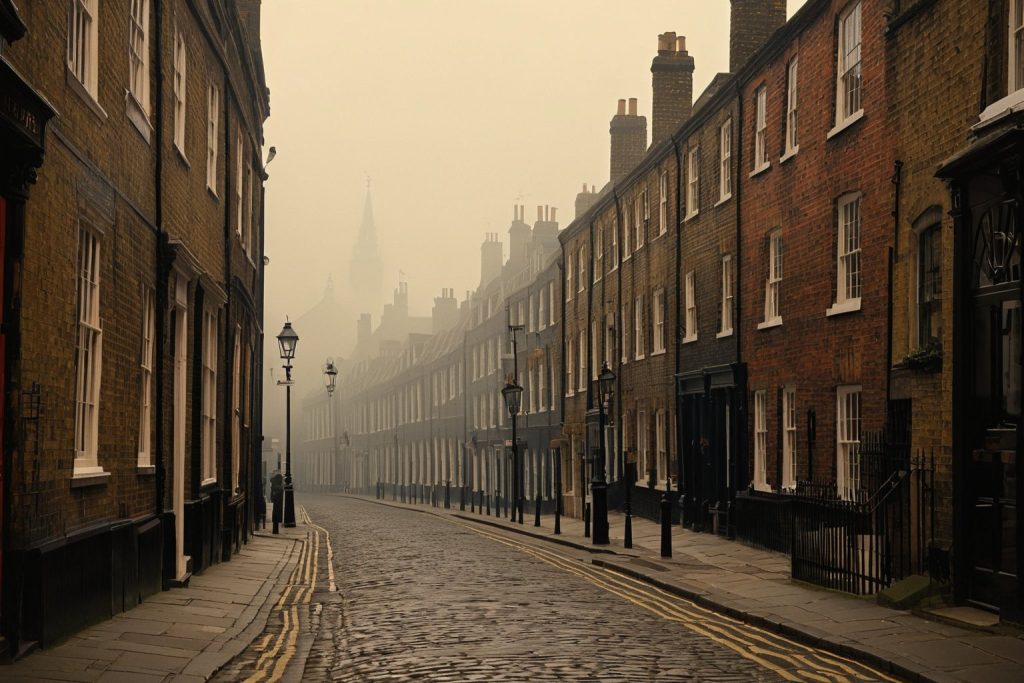
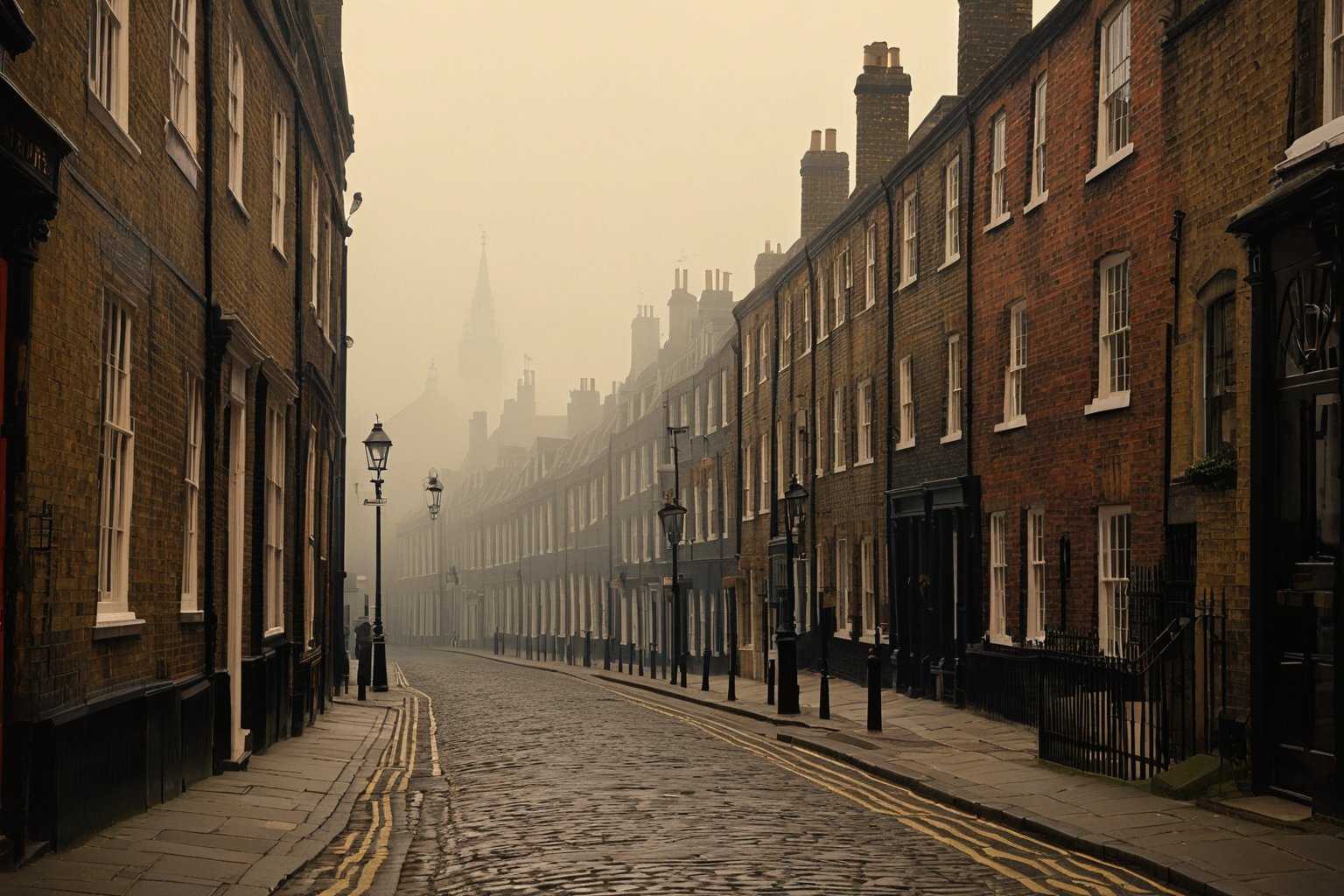
The allure of tracing fictional footsteps across the city’s enduring streets offers a unique lens for experiencing London’s layered history. For those planning a trip in 2026, literary walking tours provide a structured yet flexible way to engage with the capital’s past. These excursions are not merely about spotting a building; they are curated experiences that bridge the gap between imagination and reality. By following the narratives of celebrated authors, visitors gain insight into the social and physical environments that shaped some of literature’s most enduring works. It is a form of active travel that transforms a standard sightseeing itinerary into a deeply personal journey through story and place.
Historical Backdrops and Authorial Influence
The city’s geography has long served as a canvas for writers ranging from Charles Dickens to Virginia Woolf, London literary walking tours. A walk through the narrow lanes of Covent Garden, for instance, often evokes the bustling markets described in Dickensian prose, though the specific architecture has evolved significantly since the 19th century. Guides typically point out how the transition from industrial smog to polished glass fronts reflects broader societal shifts chronicled in the novels themselves. Similarly, the Georgian squares of Mayfair provide the setting for many of the social comedies and dramas penned by authors who frequented the area’s private clubs. Understanding the historical context of these neighborhoods enriches the experience, allowing participants to visualize the characters’ motivations within the actual streets they once inhabited. The interplay between fact and fiction is where these tours truly shine, offering a nuanced perspective on how place shapes narrative.
In 2026, the focus has shifted towards more interactive elements, incorporating augmented reality displays or archival photographs that overlay historical images onto current streetscapes. This technological integration does not replace the physical walk but rather supplements it, providing visual evidence of how locations have transformed over decades. For the literary enthusiast, this means seeing the exact courtyard where a pivotal scene might have occurred, contrasted with a photograph from the era of publication. It creates a dialogue between the past and present, making the abstract concepts of setting and plot tangible. This approach caters to a modern audience accustomed to layered information, ensuring that the historical narrative is not lost amidst the visual stimuli. The result is a richer, more immersive understanding of the city’s literary heritage.
Iconic Routes and Novel Connections
Certain routes have become staples for aficionados, particularly those associated with the mystery and detective genres. A tour tracing the footsteps of Sherlock Holmes often begins near Charing Cross, winding through the streets of Baker Street, though the famous address is located slightly further north in Marylebone. Guides expertly navigate the distinction between the fictional address and the real museum, providing context on how the character’s lore has been commercialized yet remains rooted in the city’s actual topography. These walks often include stops at historic pubs that feature in the stories, offering a glimpse into the social habits of Victorian London. The enduring popularity of these routes speaks to the city’s ability to maintain its literary identity amidst constant urban regeneration.
Beyond the detective stories, there are dedicated paths for those interested in the Bloomsbury Group, whose experimental approaches to narrative and relationships defined early 20th-century literature. Walking through the squares of Bloomsbury, visitors can trace the locations of former residences and meeting places for figures like Virginia Woolf and E.M. Forster. The layout of the gardens and the orientation of the townhouses provide a physical sense of the intellectual community that once thrived there. These tours often delve into the personal dynamics and creative processes of the group, explaining how their proximity influenced their work. It is a fascinating study of how geographic concentration fosters artistic innovation, a principle that remains relevant for understanding cultural hubs globally. The experience is as much about the social history of the area as it is about the books themselves.
Seasonal Variations and Practical Considerations
The timing of a literary walk can significantly alter the atmosphere and accessibility of the sites. Spring and early summer are particularly popular, as the blooming gardens of squares like Russell Square provide a picturesque backdrop to the stories being discussed. However, these peak seasons also bring larger crowds, which can detract from the intimate feel of a small group tour. Conversely, autumn walks offer a moody, reflective ambiance that complements the themes of many classic novels, though participants must be prepared for wetter conditions. In 2026, operators are increasingly offering flexible scheduling and smaller group sizes to mitigate the impact of seasonal tourism peaks, ensuring a more personalized experience for the visitor.
Practical logistics are also a key factor for those planning these excursions. Most tours last between two and three hours, covering a moderate distance that is manageable for most fitness levels, but comfortable footwear is essential due to the often uneven cobblestones of older districts. Many operators now provide digital guides or map applications that allow participants to revisit locations at their own pace after the official tour concludes. This hybrid approach caters to the independent traveler who may wish to linger at a particular site or skip others. Furthermore, accessibility varies across the route; some historic areas have limited step-free access, which is an important consideration for visitors with mobility needs. Checking the specific accessibility information provided by the tour operator beforehand is therefore advisable.
Thematic Specializations and Niche Interests
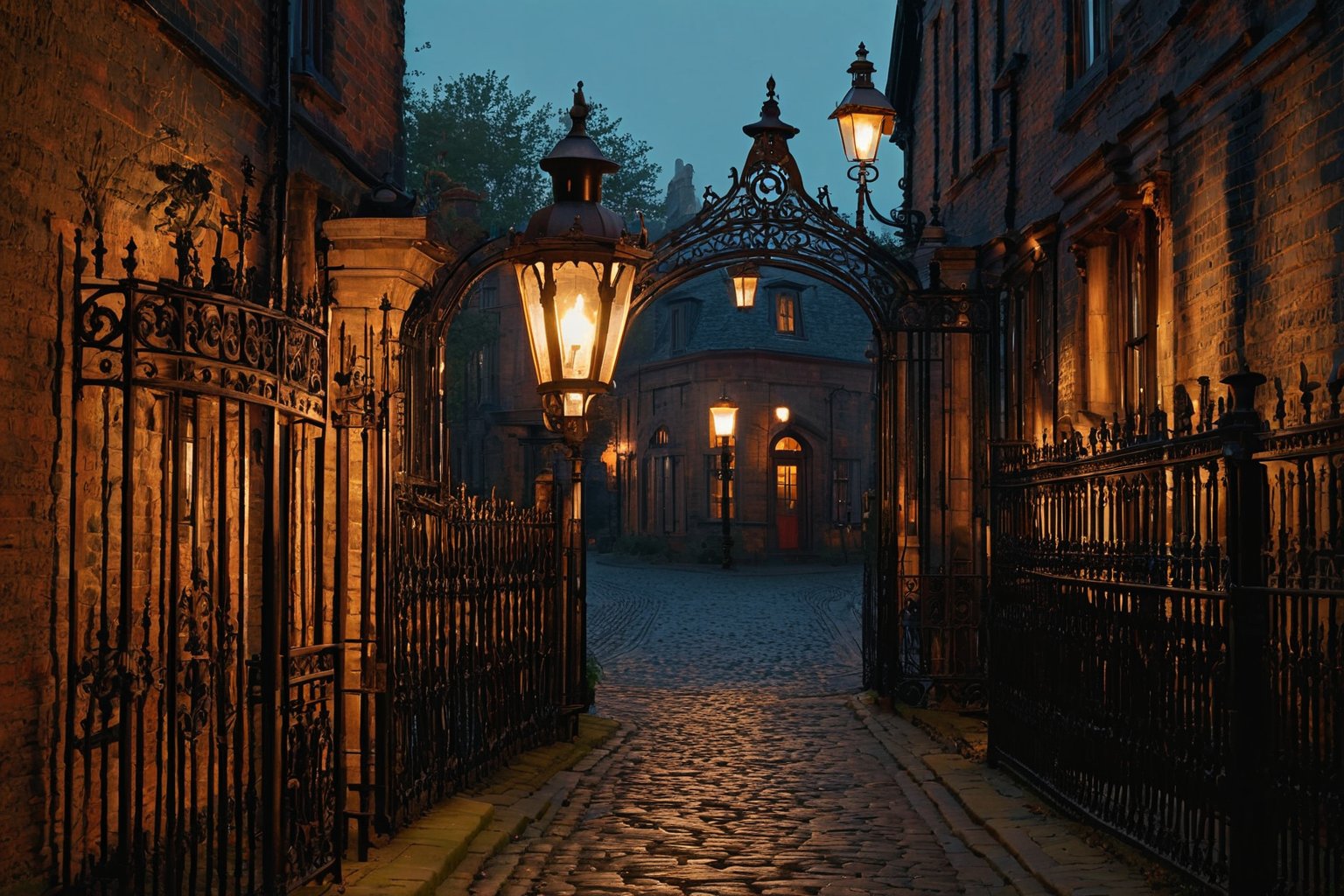
While general literary tours cover a broad spectrum, many operators in London specialize in specific genres or authors to cater to niche interests. There are dedicated walks focusing on the Brontë sisters, though since their association is primarily with Yorkshire, these tours often explore the London connections and residences of the sisters during their lifetimes. Similarly, specialized tours exist for fans of Gothic fiction, visiting sites associated with the darker side of the city’s literary imagination. These themed experiences allow participants to dive deep into a particular literary tradition without wading through unrelated material. For the serious student of literature, this focused approach provides a concentrated dose of information and context that a general overview might lack.
Another growing trend is the inclusion of female authors and overlooked voices within the literary landscape. Traditional tours have historically focused on the canonical male authors, but 2026 sees a deliberate shift towards highlighting the contributions of women writers who navigated the city’s constraints. Walks might focus on the suffragette movement’s presence in specific neighborhoods or the settings of modernist women’s fiction. This re-evaluation of the literary canon adds a vital layer of depth to the walking experience, challenging participants to reconsider the narratives they thought they knew. It reflects a broader societal move towards inclusivity and the recognition of diverse perspectives in heritage tourism. Such tours are particularly rewarding for those seeking a more comprehensive and balanced view of London’s cultural past.
The quality of a literary walking tour is inextricably linked to the expertise and storytelling ability of the guide. A knowledgeable guide does not merely recite dates and facts; they weave a narrative that connects the physical space to the emotional core of the text. They possess the ability to answer complex questions about textual references, authorial intent, and the historical accuracy of described events. In 2026, there is a premium placed on guides with academic backgrounds in English literature or history, as they can offer critical analysis rather than just trivia. The best guides can adapt their delivery to the audience, engaging seasoned literature scholars as readily as first-time visitors to the city. This dynamic interaction is what elevates the experience from a simple walk to an educational encounter.
Furthermore, the integration of primary sources, such as excerpts read aloud at the exact location described, adds a powerful sensory dimension to the tour. Hearing a passage from a novel while standing in the street that inspired it creates a moment of profound connection between the text and the terrain. Guides often select passages that highlight the sensory details of the setting, the sounds, smells, and sights that the author meticulously documented. This technique anchors the abstract concepts of plot and character in a concrete physical reality. It is a subtle yet effective method of bringing literature to life, making the past feel immediate and present. For many, this is the highlight of the excursion, transforming a static list of locations into a living story.

I love exploring London’s hidden corners and sharing what I discover with fellow travellers. When I’m not wandering the streets of the capital, I enjoy writing detailed guides that help others make the most of their visit.