

London’s sprawling green spaces often hide pockets of genuine tranquillity away from the tourist trail. While the capital’s royal parks draw crowds, a quieter side exists for those seeking peaceful contemplation. These lesser-known corners offer a different rhythm, perfect for a 2026 escape from the urban rush. Exploring these hidden London parks for relaxation reveals a city that breathes differently beyond the main avenues. Each offers a unique atmosphere, inviting visitors to slow down and reconnect with nature’s subtle rhythms.
Victorian Garden Cemeteries
Victorian garden cemeteries stand as unexpected oases of calm within the city’s fabric. Places like Kensal Green or Tower Hamlets Cemetery Park were designed in the 19th century as both burial grounds and ornamental landscapes. Today, they function as peaceful retreats where mature trees and wildflower meadows create a serene environment. The atmosphere here is contemplative, offering a space for reflection far removed from the noise of modern life. Visitors often find the juxtaposition of history and nature strangely comforting, making it an ideal spot for a quiet afternoon stroll.
The design of these cemeteries reflects a Victorian ideal of the countryside within the city. Winding paths encourage leisurely walking, while memorials are often tucked away among sprawling lawns. Unlike manicured royal parks, these spaces allow for a more wild, natural growth. This untamed quality attracts birdwatchers and those seeking a quiet moment on a bench. It is a dimension of London’s green heritage that rewards patient exploration and offers a peaceful pause in a 2026 itinerary.
Secret Rooftop Gardens
Above the bustling streets, secret rooftop gardens provide a unique vantage point over the cityscape. Locations such as the gardens at 120 Fenchurch Street or hidden terraces in Shoreditch offer a surprising escape without leaving the urban environment. These elevated spaces often feature carefully curated planting and comfortable seating areas. They provide a sense of seclusion while still offering panoramic views of iconic landmarks. For a 2026 visit, these spots combine the convenience of central London with the tranquillity of a hidden garden.
The appeal of rooftop gardens lies in their ability to block out street level noise. High walls and strategic planting create intimate pockets that feel worlds away from the pavement below. Many of these spaces are accessible to the public during specific hours or through specific venues. They offer a modern twist on the traditional park experience, blending architecture with greenery. It is a sophisticated option for relaxation that feels both exclusive and accessible.
Waterway Corridors and Towpaths
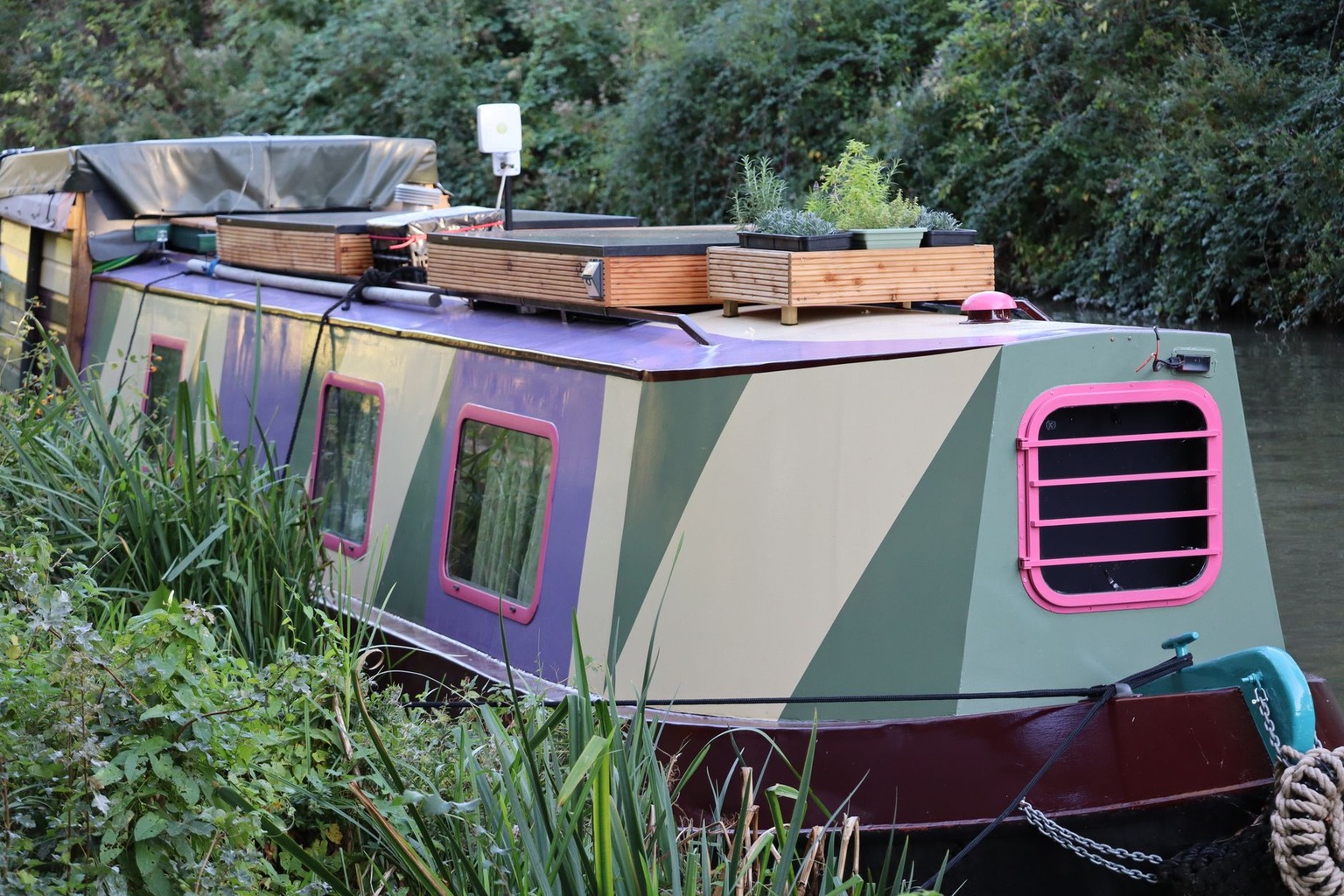
London’s extensive network of waterway corridors and towpaths offers a flat, linear landscape perfect for peaceful wandering. The Regent’s Canal, particularly around Little Venice or Paddington, provides a scenic route away from the main roads. Walking or cycling along these towpaths immerses one in a different pace of life, where narrowboats and wildlife share the space. The sound of water lapping against the banks creates a natural soundtrack for relaxation. It is a dimension of the city that encourages a slow, methodical pace, ideal for clearing the mind in 2026.
These corridors are often lined with willow trees and offer glimpses of urban wildlife. Unlike parks with defined entrances, waterway walks are open and inviting from many points. They connect various neighborhoods, making them a practical yet peaceful way to see the city. The flat terrain makes them accessible for all fitness levels, promoting a gentle form of exercise. For those seeking a calm activity that still feels like an adventure, these paths are a hidden gem.
Community Orchards and Allotments
Community orchards and allotments represent a different kind of green space, focused on growth and local connection. Sites like the Phoenix Garden in Covent Garden or various hidden allotments in South London offer a tactile experience of gardening. These spaces are often maintained by local volunteers and reflect a commitment to urban agriculture. Visiting these areas provides insight into how Londoners are reintegrating nature into the cityscape. It is a grounding experience that connects the visitor to the seasonal rhythms of planting and harvesting.
On the Suitcase Monkey channel, they cover the best parks to visit in London, and you can watch it right here.
The atmosphere in these community spaces is often collaborative and warm. You might find people tending to plants, offering advice, or simply enjoying the fruits of their labor. Unlike larger parks, these spaces feel intimate and purpose-driven. They often feature a variety of vegetables, herbs, and fruit trees that surprise the visitor. For a 2026 escape, these locations offer a chance to see a different side of London’s relationship with the earth.
Hidden Churchyards and Gardens
Hidden churchyards and gardens dot the city, often overlooked by the passing crowd. Many of London’s historic churches maintain small, tranquil gardens behind their facades. These spaces are typically quiet, surrounded by ancient stone walls and mature yew trees. They offer a peaceful sanctuary for a few minutes of respite during a day of sightseeing. The history embedded in these walls adds a layer of depth to the quiet atmosphere. It is a subtle dimension of London’s green spaces that rewards those who look closely.
These gardens often feature memorials and headstones integrated into the landscaping, creating a reflective environment. The planting is usually traditional, with roses, lavender, and other hardy perennials. Because they are associated with places of worship, there is often a sense of reverence and stillness. They provide a perfect micro-break for those walking between attractions. In the context of a 2026 trip, these spots offer a moment of stillness amidst the city’s energy.
Nature Reserves on the Edge
Nature reserves on the edge of the urban area provide a wilder, more expansive escape. Places like the Camley Street Natural Park or the wetlands of the London Wetland Centre offer habitats for diverse species. These reserves are managed specifically for wildlife, offering hides and trails for observation. The feeling here is one of being transported out of the city, even though the skyline might be visible in the distance. It is a crucial dimension for those who want to experience biodiversity without traveling far from central London.
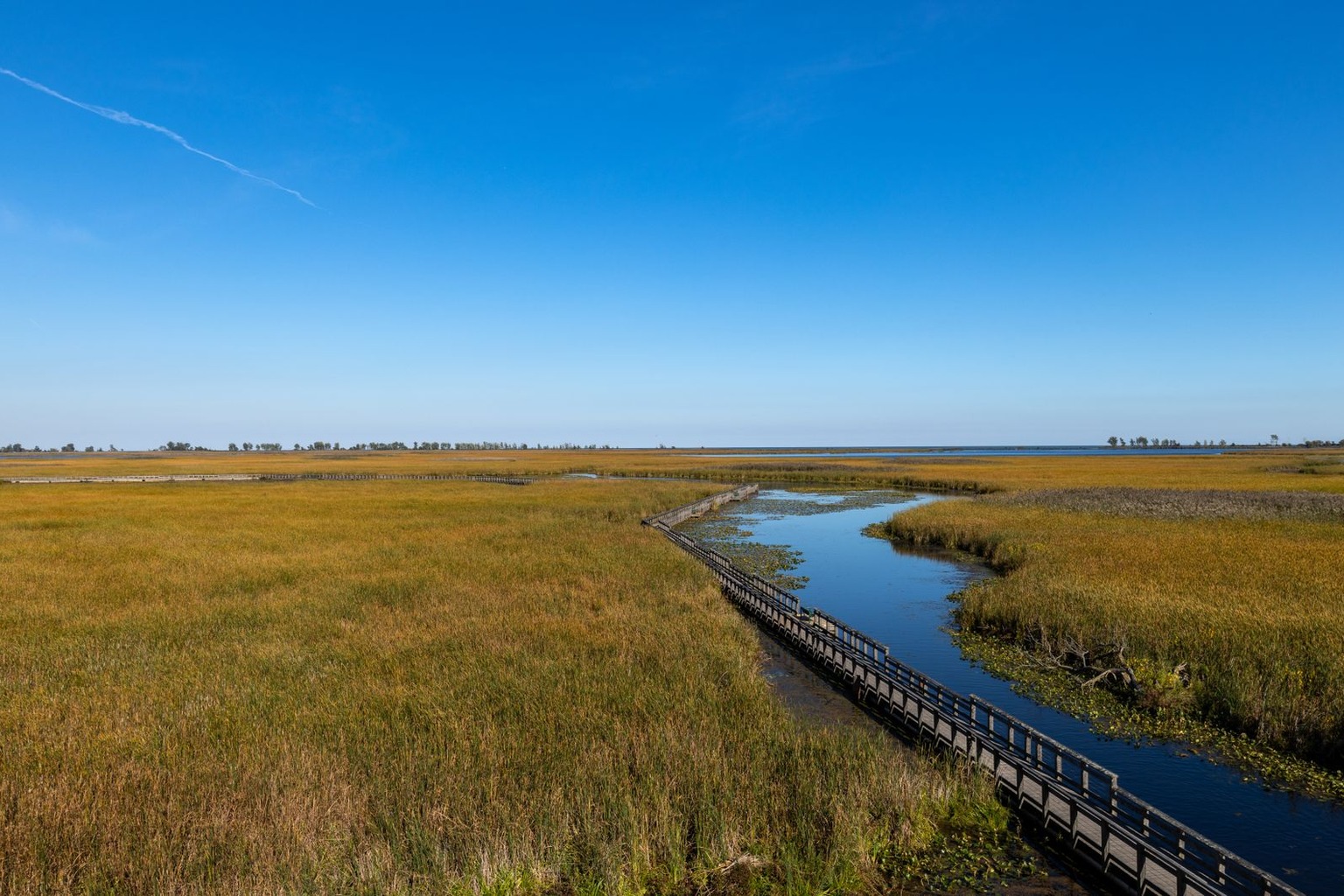
The management of these reserves often includes seasonal events and guided walks. This encourages visitors to engage with the environment in an educational way. The variety of habitats, from reed beds to woodland edges, supports a wide range of bird and insect life. For a 2026 escape, these areas provide a rigorous yet rewarding form of relaxation. They remind visitors that nature persists even in the densest urban environments.

I love exploring London’s hidden corners and sharing what I discover with fellow travellers. When I’m not wandering the streets of the capital, I enjoy writing detailed guides that help others make the most of their visit.