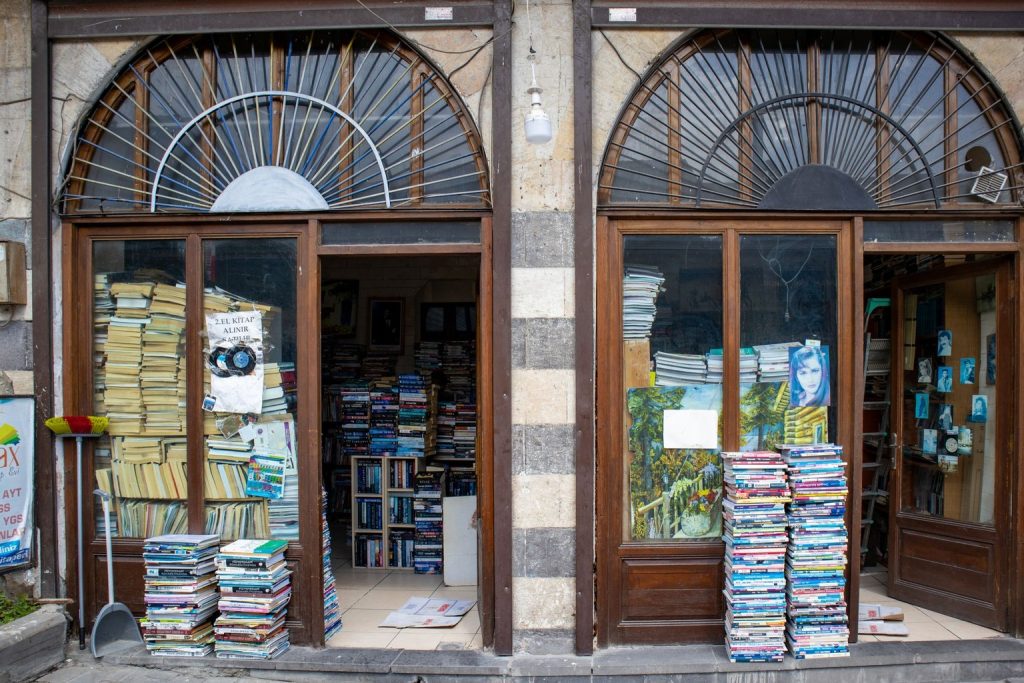
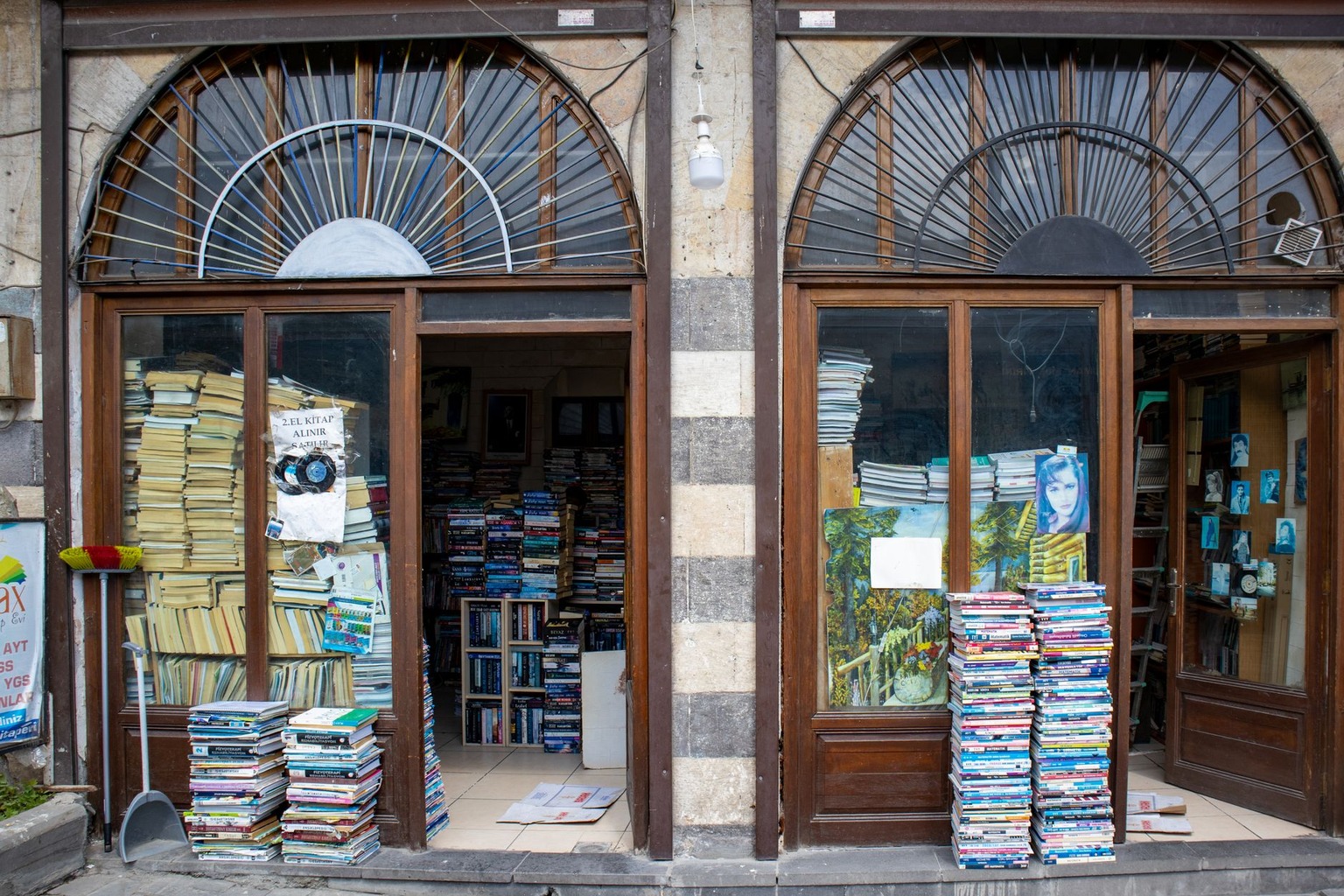
London’s streets are more than just thoroughfares, they’re living archives of literary history, where the city’s literary soul unfolds through bookshops, historic addresses, and hidden corners that have shaped the world of words. From the bustling aisles of iconic second-hand bookstores to the quiet lanes where famous authors once penned their masterpieces, these locations offer travellers a chance to step into the pages of literary London. Whether you’re a book lover, a history buff, or simply curious about the places that inspired some of the greatest writers, these streets provide a unique way to experience the city beyond the usual tourist trail. Here, the past isn’t just preserved, it’s walked through, touched, and felt in every corner.
Why These Streets Matter for Book-Loving Travellers
London’s literary landmarks aren’t always grand museums or preserved houses, but hidden gems waiting to be discovered. Some of the most compelling experiences lie in the everyday streets where books were bought, sold, and discussed. These locations cater to travellers who want more than a quick photo op, they offer immersive moments, like browsing the same shelves as Virginia Woolf or passing the door where J.K. Rowling once worked. The best spots blend history with practicality, ensuring you can explore without rushing. For example, a street lined with independent bookshops might also have nearby cafés where you can sit and read, while a historic address might be just a short walk from a pub where authors once drank. The key is finding places that feel alive, where the past isn’t just remembered but still influences the present. This is especially useful for travellers who prefer hands-on experiences over passive sightseeing, as these streets encourage interaction, whether it’s signing a guestbook, chatting with a bookseller, or simply losing an hour in a bookshop’s stacks.
Another reason these streets stand out is their accessibility. Many are within walking distance of major attractions, making them easy to slot into a longer sightseeing itinerary. For instance, a visit to the legendary Daunt Books in Marylebone might follow a morning at the British Library, while a detour to the corner where George Orwell wrote 1984 in Portobello Road can be a quick but meaningful pause on a South Kensington stroll. The best options also offer something beyond just nostalgia, they provide a local flavour, like the quirky second-hand shops in Camden or the literary-themed pubs in Bloomsbury. This practicality means you can tailor your visit to your interests, whether you’re a casual reader or a dedicated bibliophile. The streets that work best are those that feel like they’ve been waiting for you, offering a mix of history, convenience, and charm in one place.
The Best Bookish Streets for First-Time Visitors
For those new to literary London, the best starting point is the streets of Bloomsbury, where the literary elite once gathered. This area is packed with landmarks like the British Library, where you can see original manuscripts of Alice in Wonderland and Pride and Prejudice, and the Charles Dickens Museum, which offers a glimpse into the life of one of England’s most beloved writers. Bloomsbury’s charm lies in its blend of history and accessibility, many of its key sites are clustered within a 20-minute walk, making it easy to explore without feeling overwhelmed. The area also has a strong café culture, with spots like the British Library Café or The Lamb (where Dickens himself once dined) offering the perfect place to sip tea while poring over a book. For first-timers, Bloomsbury strikes the right balance between iconic and intimate, ensuring you leave with a sense of the city’s literary roots without feeling like you’ve missed anything.
Another standout for newcomers is the stretch of Charing Cross Road, particularly around the area of Waterstones Piccadilly, one of the largest bookshops in Europe. This street is a mecca for book lovers, with its towering shelves, rare finds, and a lively atmosphere that feels like stepping into a novel itself. Unlike some of London’s more historic bookshops, Waterstones offers a modern twist on the literary experience, with events, signings, and even a dedicated children’s section. The surrounding area is also great for a post-shopping coffee at The Ivy Market Grill or a quick bite at Pret a Manger, making it a practical choice for travellers who want to combine culture with convenience. The street’s energy is infectious, and the sheer variety of books, from first editions to contemporary bestsellers, ensures there’s something for everyone, whether you’re a seasoned reader or just dipping your toes into literary London.
Hidden Gems: Offbeat Streets for Serious Book Fans
If you’re looking to go beyond the well-trodden paths, the streets of Notting Hill and Camden offer some of London’s most underrated literary spots. In Notting Hill, Hatchards, the oldest bookshop in London (founded in 1797), sits quietly on Piccadilly, its elegant façade hiding a treasure trove of rare books and a cosy reading room. Unlike the bustling Waterstones, Hatchards feels like a secret, inviting you to linger over a cup of tea while flipping through volumes that have been read by generations of Londoners. Nearby, the Notting Hill Bookshop is a local favourite, known for its eclectic mix of new and second-hand titles, as well as its community events. These spots are perfect for those who prefer a slower pace, where the focus is on the books themselves rather than the crowds. The charm of Notting Hill lies in its ability to feel both historic and lived-in, making it ideal for travellers who want a more personal connection to London’s literary past.
For insights into London’s historic bookstores, check out this video on Cosmopolite.
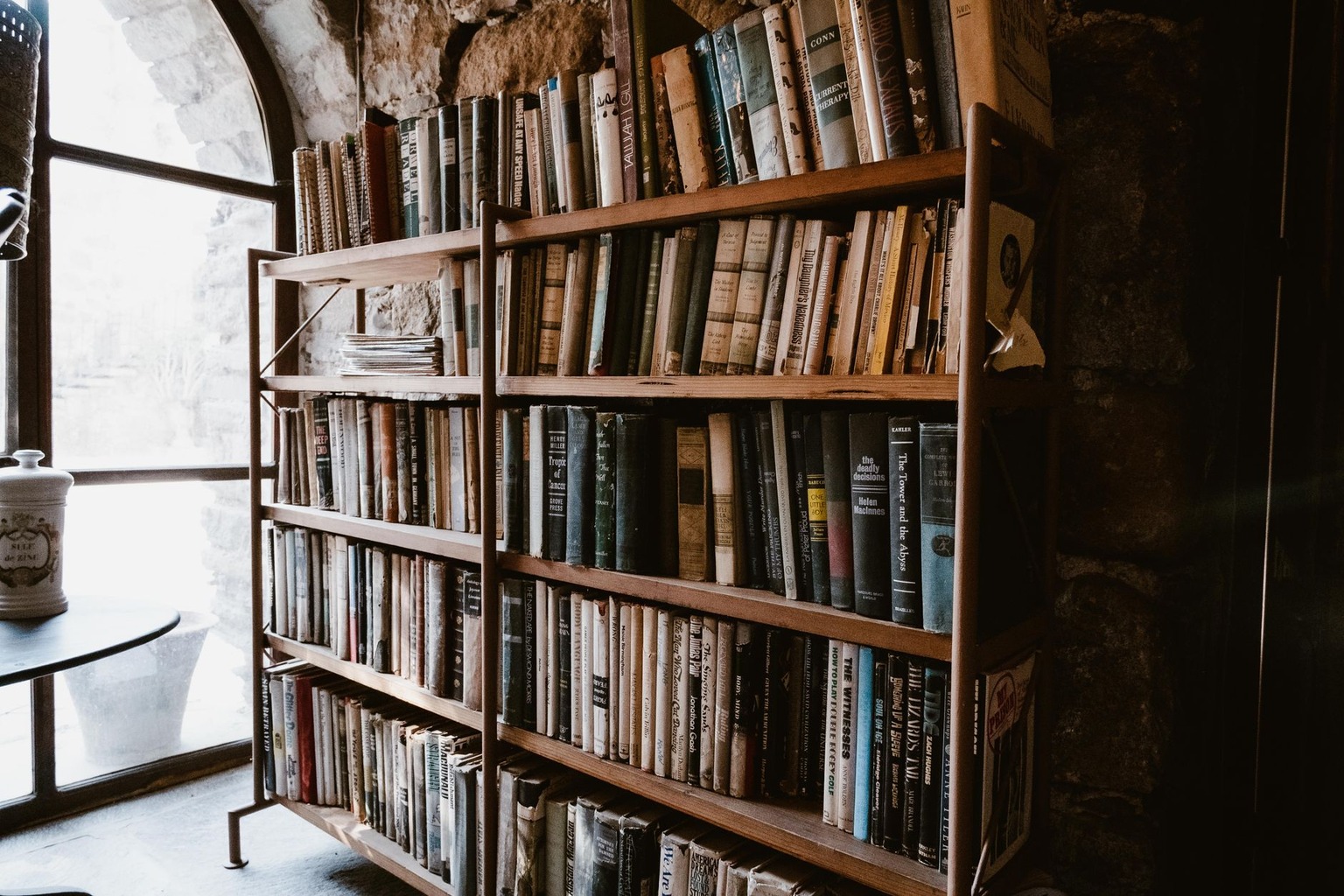
Camden, on the other hand, offers a different kind of literary experience, one that’s raw, vibrant, and full of energy. The area’s bookshops, like The Camden Bookshop and Forbidden Planet (which carries a strong selection of literary fiction alongside its sci-fi and fantasy), reflect its alternative spirit. What makes Camden special is its blend of history and counterculture; the streets where punk bands once played are now lined with bookshops that cater to niche interests, from rare collectibles to underground zines. For travellers who want to see London’s literary side that’s not just about the classics, Camden delivers. The area’s proximity to Regent’s Canal also makes it a great spot for a post-bookshop stroll, with scenic walks along the water offering a peaceful contrast to the city’s usual hustle. It’s the kind of place where you might stumble upon a hidden gem, like a second-hand bookshop tucked away in a back alley, that feels like a true discovery.
Where to Find Bookish Experiences Beyond the Shops
Not all literary London is found between the covers of a book or inside a shop. Some of the most memorable experiences lie in the streets themselves, where authors once walked, debated, or simply went about their daily lives. For instance, the corner of Gower Street and Euston Road in Bloomsbury is where George Orwell wrote 1984 in the early 1940s, and the flat where he lived (now part of the University of London) is a short walk away. Walking these streets today, you can almost hear the typewriter clattering, imagining the author’s thoughts as he penned his dystopian masterpiece. Similarly, the J.M. Barrie House in Great Ormond Street is where the author of Peter Pan lived, and while the house itself is now a museum, the surrounding streets, with their Victorian terraces and bustling cafés, offer a sense of the era in which Barrie wrote. These locations are perfect for travellers who want to connect with the physical spaces where literature was created, rather than just admiring it from afar.
Another underrated way to experience literary London is through its bookish pubs and cafés. The Eagle and Child in St John’s Wood, for instance, was a regular haunt of the Inklings literary group, which included J.R.R. Tolkien and C.S. Lewis. The pub’s cosy interior, with its exposed beams and leather armchairs, feels like a portal to another time, and the menu, with its classic British dishes, only adds to the atmosphere. Nearby, The Lamb in Bloomsbury isn’t just a pub; it’s a literary institution, where Dickens, Thackeray, and other 19th-century writers once gathered. Sitting at a table here, you can almost hear the clink of glasses and the murmur of conversation from over a century ago. These spots are ideal for travellers who want to combine a meal or drink with a literary pilgrimage, turning a simple visit into a full sensory experience. The best part is that many of these pubs are still in operation, meaning you can enjoy the same atmosphere that inspired some of the greatest works in English literature.
Choosing the Right Street for Your Trip
Deciding which literary streets to explore depends largely on your interests and the kind of experience you’re after. If you’re a first-time visitor looking for a mix of history and convenience, Bloomsbury and Charing Cross Road are the safest bets. Bloomsbury offers a curated selection of landmarks, while Charing Cross Road provides a lively, modern take on bookish London. For those who prefer a quieter, more intimate experience, Notting Hill’s bookshops and Camden’s alternative vibe are perfect. If you’re a serious book lover, prioritise locations with rare books, like Hatchards or the British Library’s reading rooms, where you can hold history in your hands. Meanwhile, if you want to step into the shoes of famous authors, focus on the streets where they lived and worked, like Orwell’s Bloomsbury or Barrie’s Great Ormond Street.
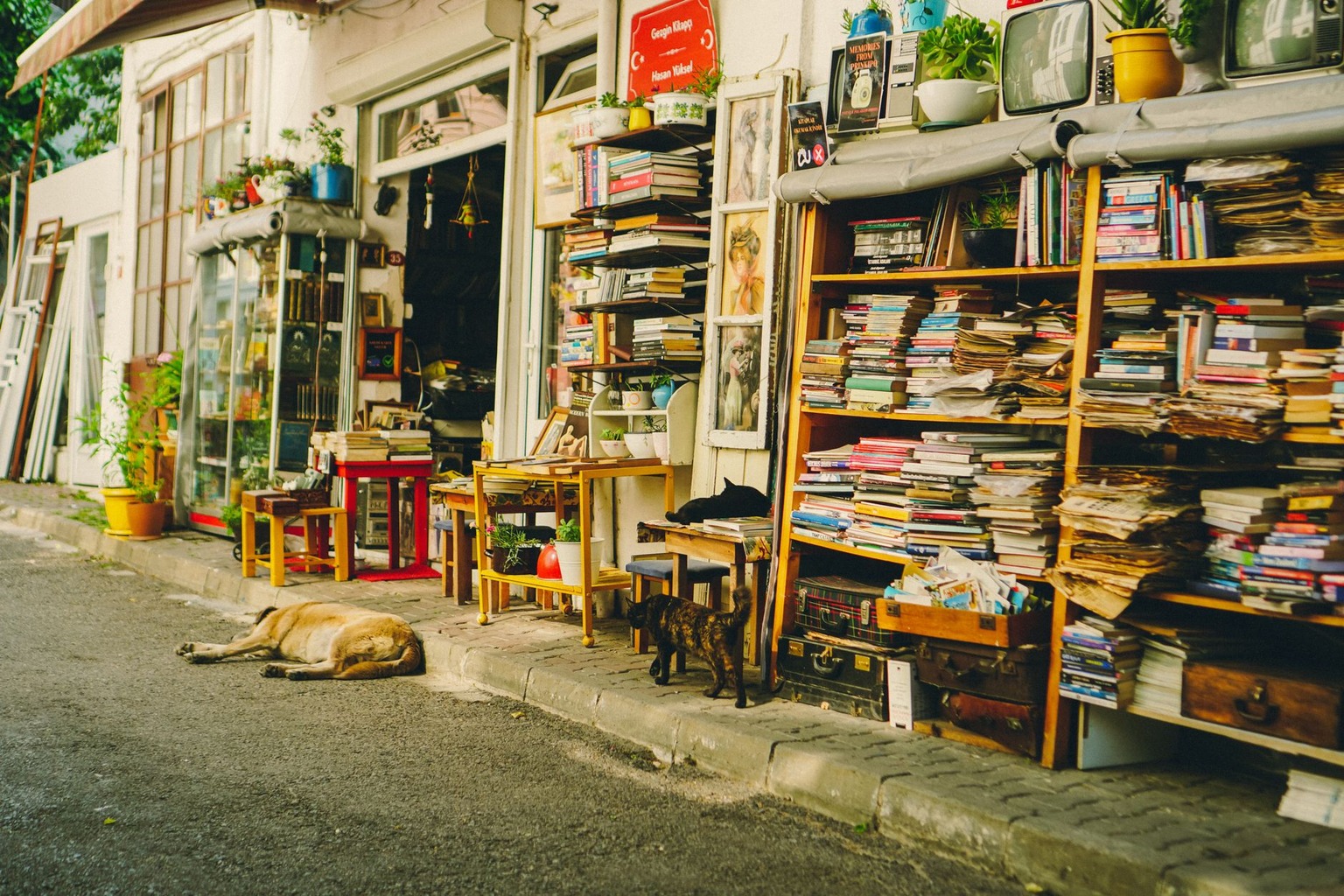
The practicalities of your trip also play a role. If you’re short on time, stick to the most central areas, Bloomsbury and Covent Garden, where everything is within walking distance. If you’re staying longer and want to explore further afield, Camden or Notting Hill offer a great mix of literary charm and local flavour. Another consideration is whether you prefer indoor or outdoor experiences. Some streets, like Portobello Road, offer a blend of both, with bookshops alongside bustling markets, while others, like the quiet lanes of Hampstead, are better for a slower, more reflective walk. Ultimately, the best choice depends on what you’re looking for, whether it’s the thrill of a rare find, the nostalgia of a historic pub, or simply the joy of walking in the footsteps of literary giants. The key is to pick streets that feel right for you, where the past isn’t just remembered but lived.

I love exploring London’s hidden corners and sharing what I discover with fellow travellers. When I’m not wandering the streets of the capital, I enjoy writing detailed guides that help others make the most of their visit.