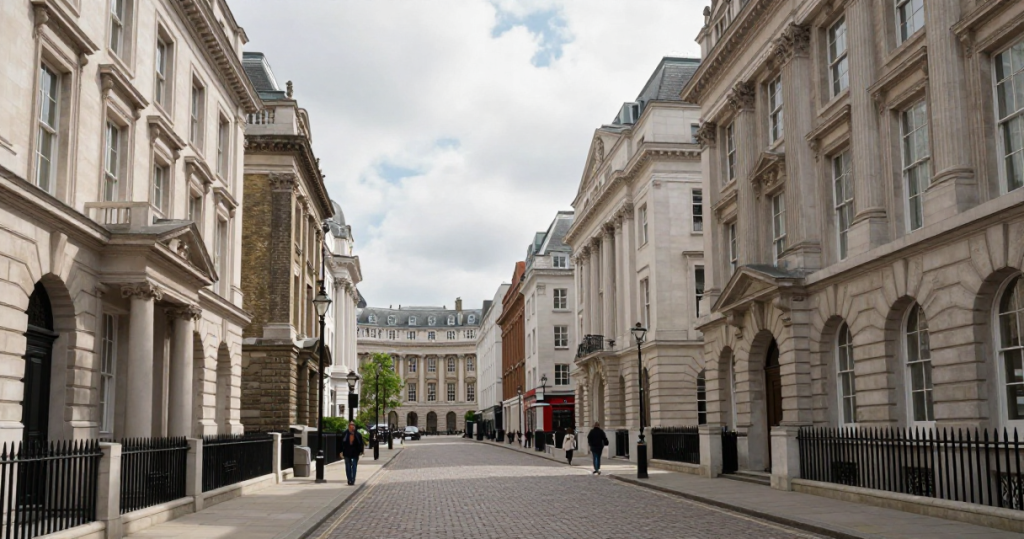
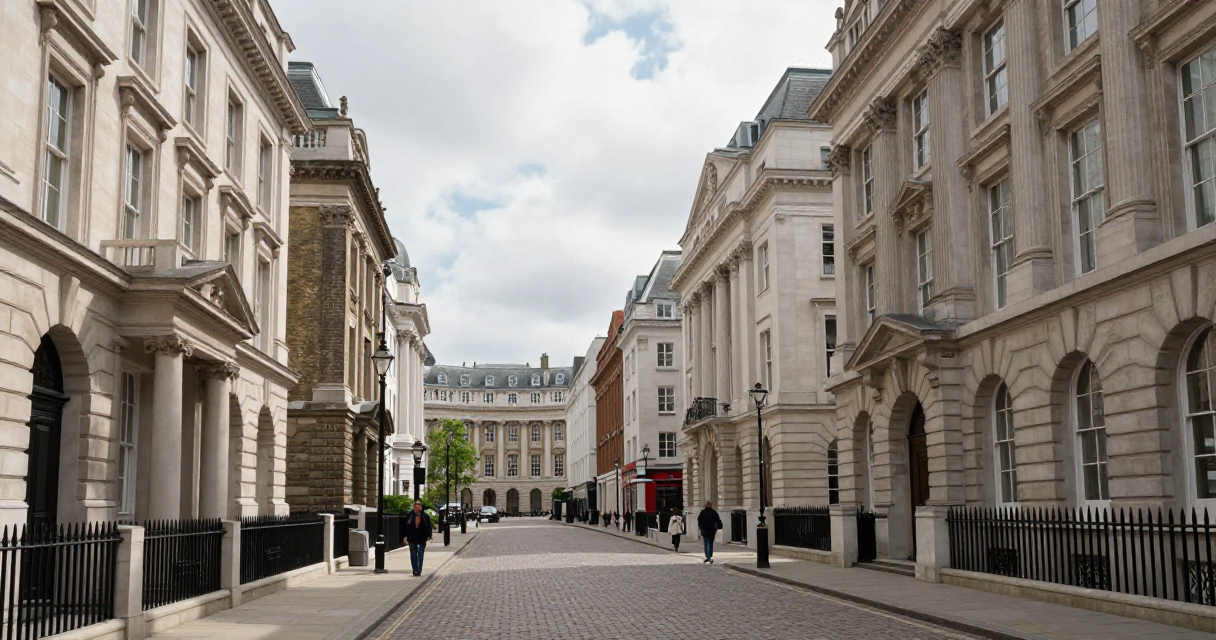
London is a city steeped in history, with its streets telling tales of centuries past. From the cobbled lanes of the medieval era to the grand avenues of the Victorian period, every corner of the capital holds a story waiting to be uncovered. For those looking to explore the historical significance of London’s streets, a journey through these iconic locations offers a fascinating glimpse into the city’s rich heritage. This article will explore several notable landmarks, including the Iconic bridges of London, which highlight architectural beauty and pivotal moments in the city’s history.
Fleet Street: The Heart of Print and Media
Fleet Street has long been synonymous with the British press and journalism. Once the hub of newspaper publishing, the street was home to numerous printing houses and editorial offices, including the famous offices of The Times and The Daily Telegraph. The street’s significance dates back to the 16th century when it became the centre for print and news dissemination in London. Despite the relocation of most of the media to other parts of the city, Fleet Street remains a symbol of the journalistic legacy, with many of its historic buildings still standing. Visitors can explore the area, taking in the iconic St. Dunstan-in-the-West church and the evocative statue of Dr. Samuel Johnson, a prominent literary figure, is closely associated with several Literary locations linked to authors in London that shaped English literature.
Whitehall: The Seat of Government
Whitehall is a street that embodies the political heart of the United Kingdom. Stretching from Trafalgar Square to the Houses of Parliament, it is flanked by significant government buildings, including the Home Office and the Ministry of Defence. The history of Whitehall is rich, as it has been the site of numerous important events, from state ceremonies to protests. The street is also home to the Cenotaph, a war memorial dedicated to British and Commonwealth soldiers who died in the two World Wars. This poignant reminder of sacrifice attracts visitors who wish to pay their respects and understand the impact of war on British history.
Covent Garden: A Marketplace of History
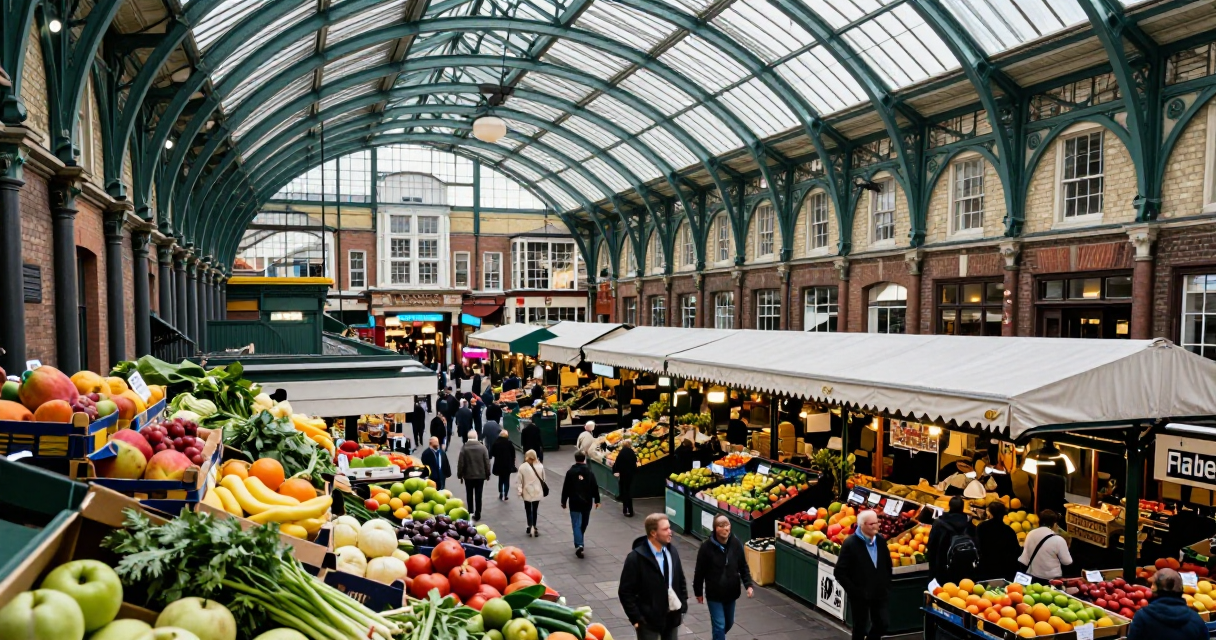
Covent Garden is renowned for its vibrant atmosphere and thriving market, but its historical roots run deep. Originally a fruit and vegetable market in the 17th century, it evolved into a cultural hub with theatres, shops, and restaurants. The area is closely associated with the Royal Opera House, which has been a focal point for performing arts since the 18th century. Today, visitors can enjoy street performances, artisanal goods, and a lively dining scene while appreciating the architectural beauty of the piazza and the surrounding buildings. Covent Garden’s transformation from a simple market to a cultural landmark reflects the dynamic evolution of London itself.
Brick Lane: A Cultural Melting Pot
Brick Lane, located in East London, is famous for its vibrant street art and diverse culinary scene, particularly its Indian and Bangladeshi restaurants. Historically, it has been a melting pot of cultures, with waves of immigrants contributing to its rich tapestry. The street was originally known for its market and textile industry in the 19th century, attracting Jewish immigrants who settled and established businesses. Today, Brick Lane serves as a reminder of London’s multicultural heritage, with its bustling Sunday market and annual festivals celebrating diversity. Walking down Brick Lane offers a sensory experience of sights, sounds, and flavours that reflect the city’s ongoing narrative of immigration and integration.
Portobello Road: An Antiques Treasure Trove
Portobello Road, famous for its bustling market, is a treasure trove for antique lovers and history enthusiasts alike. The street’s market, particularly vibrant on Saturdays, features an array of antiques, vintage clothing, and artisanal foods. The history of Portobello Road dates back to the 19th century when it became a popular spot for traders and collectors. The area’s unique character is enhanced by its colourful terraced houses and the iconic Portobello Market, which has gained international fame through films and media. Visitors can immerse themselves in the charm of this historic street while discovering hidden gems and enjoying the lively atmosphere that has made Portobello Road a beloved destination.
Southbank: A Riverfront History
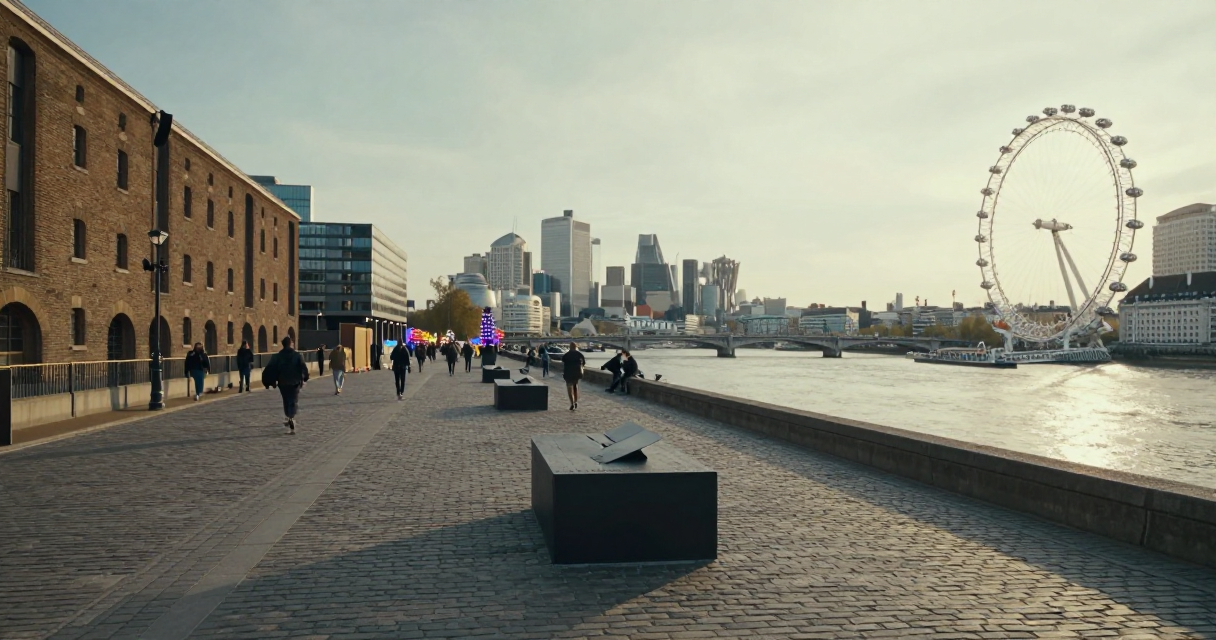
The Southbank of the River Thames is a vibrant cultural quarter that boasts a rich history intertwined with the development of London as a major city. Once a neglected area, it has transformed into a hub for arts and entertainment, featuring landmarks such as the Tate Modern, the National Theatre, and the London Eye. The history of the Southbank is marked by its industrial past, with warehouses and factories giving way to cultural institutions. Walking along the Southbank offers stunning views of the river and the city skyline, as well as access to numerous festivals, street performances, and art installations. This area showcases the dynamic blend of London’s past and present, particularly through its well-preserved Medieval history spots that thrive amid modern culture.
Oxford Street: Retail and Revolution
Oxford Street is not only one of the busiest shopping streets in Europe but also a location steeped in history. Its origins can be traced back to the Roman period when it served as a route leading to the city. Over the centuries, Oxford Street evolved into a commercial hub, with the development of department stores and boutiques in the 19th century. The street played a significant role in London’s retail revolution, attracting shoppers from all over the city and beyond. Today, visitors can explore flagship stores and enjoy the vibrant atmosphere while reflecting on how Oxford Street has shaped consumer culture in London. The blend of historical significance and modern retail makes Oxford Street a must-visit for anyone exploring the city.
In exploring these streets, one uncovers the layers of history that have shaped London into the diverse metropolis it is today. From political landmarks to cultural hubs, the historical significance of these streets provides a deeper understanding of the city’s past and its ongoing evolution. Whether you are a history buff or simply looking to soak in the atmosphere, walking through these streets will enrich your London experience, revealing stories that span generations.

I love exploring London’s hidden corners and sharing what I discover with fellow travellers. When I’m not wandering the streets of the capital, I enjoy writing detailed guides that help others make the most of their visit.