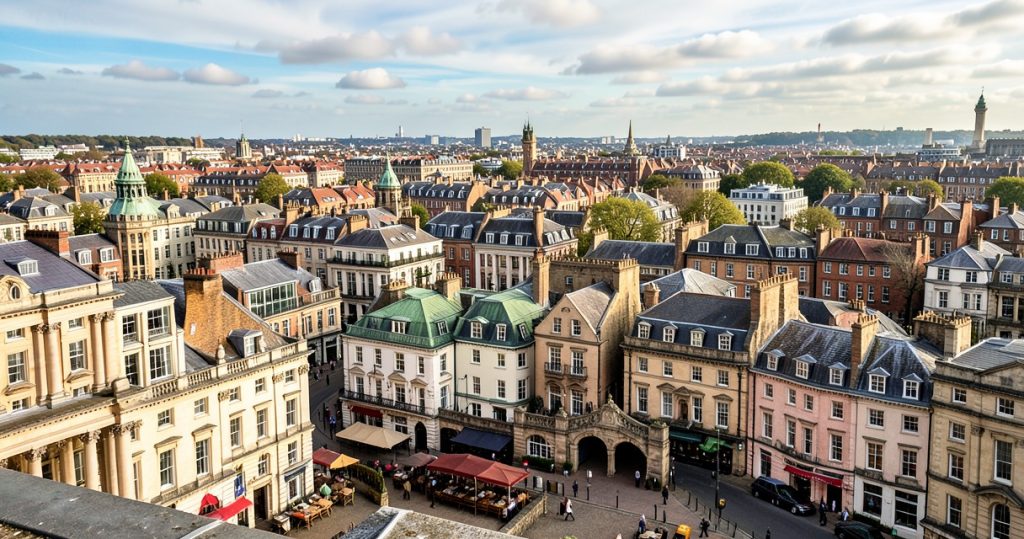
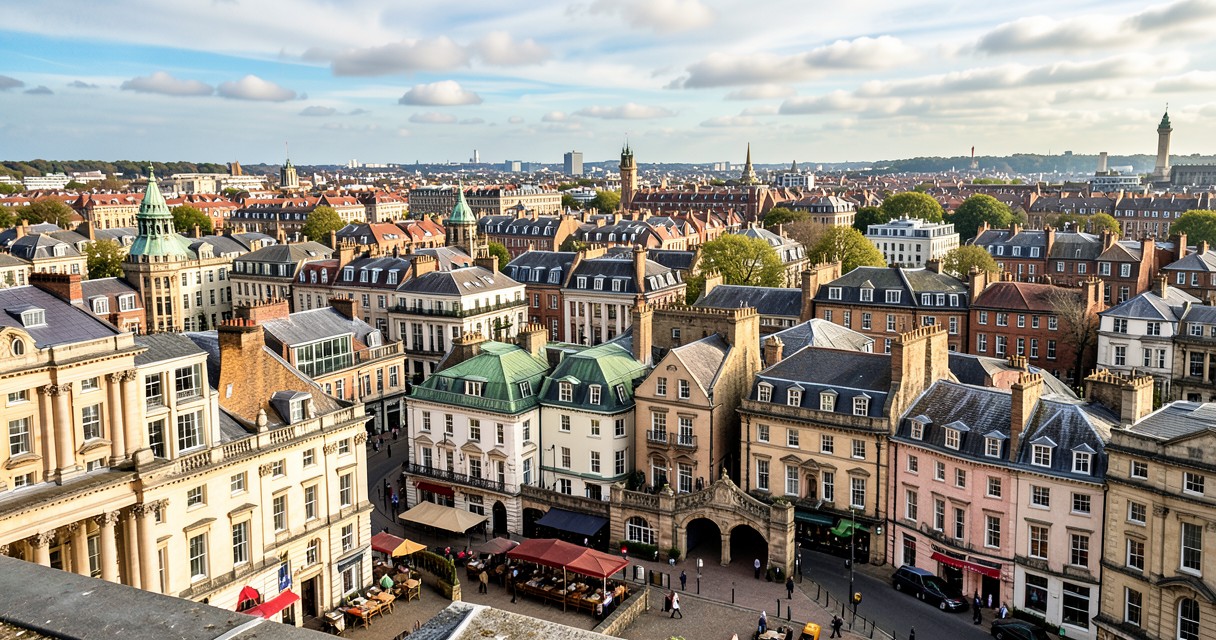
London’s rich tapestry of neighbourhoods is deeply intertwined with its history of trade, shaping the city’s historical streets that reflect its cultural and architectural heritage. From the bustling markets of the East End to the grand warehouses of the Thames, each area tells a unique story of commerce and immigration. This article explores historic neighbourhoods in London where trade has left an indelible mark, offering insights into their significance and current attractions for visitors.
East End: The Heart of London’s Markets
The East End of London has long been synonymous with trade and commerce, particularly through its historical markets that continue operating today. Spitalfields Market, established in the 17th century, was originally a wholesale fruit and vegetable market. Today, it has transformed into a vibrant hub for independent retailers, street food vendors, and artisanal crafts. Visitors can wander through the stalls, sampling delicacies from around the world while soaking up the lively atmosphere that reflects the area’s multicultural heritage.
Another notable market in the East End is Brick Lane, famous for its curry houses and vintage shops. Once a centre for Jewish immigrants, Brick Lane has evolved into a melting pot of cultures, with a significant Bangladeshi community. The street’s history is evident in its architecture and the diverse culinary offerings, making it a must-visit for food lovers and history enthusiasts alike.
Southwark: A Historical Trade Hub
Southwark, located on the south bank of the River Thames, has been a focal point for trade since the Middle Ages. The area is home to Borough Market, one of London’s oldest and most renowned food markets. Established over a thousand years ago, it originally served as a wholesale fruit and vegetable market for local traders. Today, it boasts a wide range of gourmet food stalls, artisanal cheeses, and organic produce, attracting both locals and tourists. The market’s historic setting, surrounded by medieval architecture, adds to its charm.
Southwark also features the iconic Globe Theatre, a reconstruction of the original theatre where Shakespeare’s plays were performed. This connection to the arts highlights how trade and culture have historically intertwined in the area, making it a rich destination for those interested in both history and entertainment.
Canary Wharf: Modern Trade and Finance
In stark contrast to the historic neighbourhoods of London, Canary Wharf represents the modern face of trade and finance. Once a derelict docklands area, it has been transformed into a bustling financial district filled with skyscrapers and global corporations. The development of Canary Wharf began in the 1980s, and today it is home to over 100,000 employees, making it one of the most important financial centres in the world.
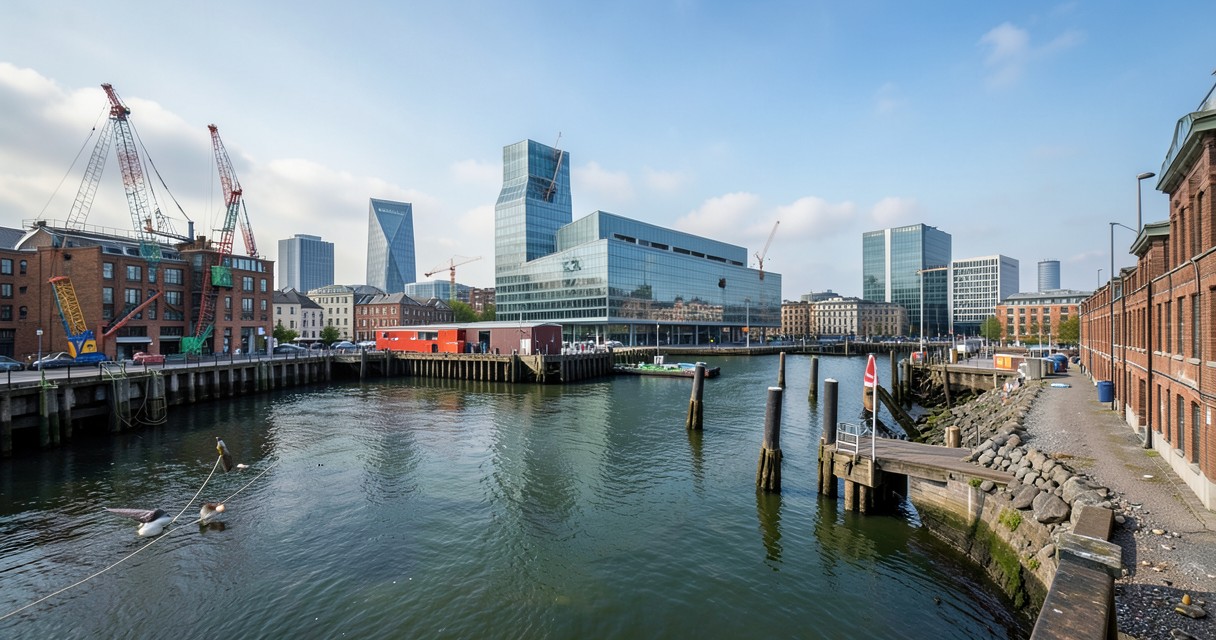
Visitors to Canary Wharf can explore its shops, restaurants, and art installations, all set against the backdrop of impressive modern architecture. The area also hosts various events throughout the year, including food festivals and art exhibitions, making it a dynamic destination for those interested in contemporary trade and culture.
Portobello Road: The Market of Antiques and Culture
Portobello Road in Notting Hill is famous for its vibrant market, which has become a staple of London’s cultural scene. While it began as a street market selling fresh produce, it has now evolved into the largest antique market in the UK, attracting buyers and sellers from all over the world. Every Saturday, the market comes alive with stalls selling everything from vintage clothing to rare antiques, offering a fascinating glimpse into the past.
The eclectic mix of shops and cafés along Portobello Road reflects the area’s bohemian spirit and rich history of trade. Notting Hill is also known for the annual Notting Hill Carnival, celebrating the Caribbean culture and heritage of the local community, further highlighting how trade has influenced the cultural landscape of the neighbourhood.
Covent Garden: A Cultural and Commercial Landmark
Covent Garden has a storied history as a marketplace dating back to the 17th century. Originally a fruit and vegetable market, it has since become a vibrant area filled with shops, restaurants, and street performers. The Royal Opera House, located nearby, adds an artistic flair to the neighbourhood, drawing visitors interested in both commerce and culture.
The market’s transformation into a shopping and entertainment hub has preserved its historical essence while adapting to modern consumer needs. Today, Covent Garden is a popular destination for tourists looking to experience London’s lively atmosphere, with its unique blend of shopping, dining, and cultural events making it a must-see on any itinerary.
The Docklands: Legacy of Maritime Trade
The Docklands area of East London is a testament to the city’s maritime trade history, revealing hidden architectural details that enrich its urban landscape. Once the primary shipping hub for goods entering and leaving London, the docks have undergone significant regeneration since their closure in the late 20th century. Today, the Docklands is a thriving residential and commercial area, with attractions such as the Museum of London Docklands, which tells the story of the city’s trading past through interactive exhibits and collections.
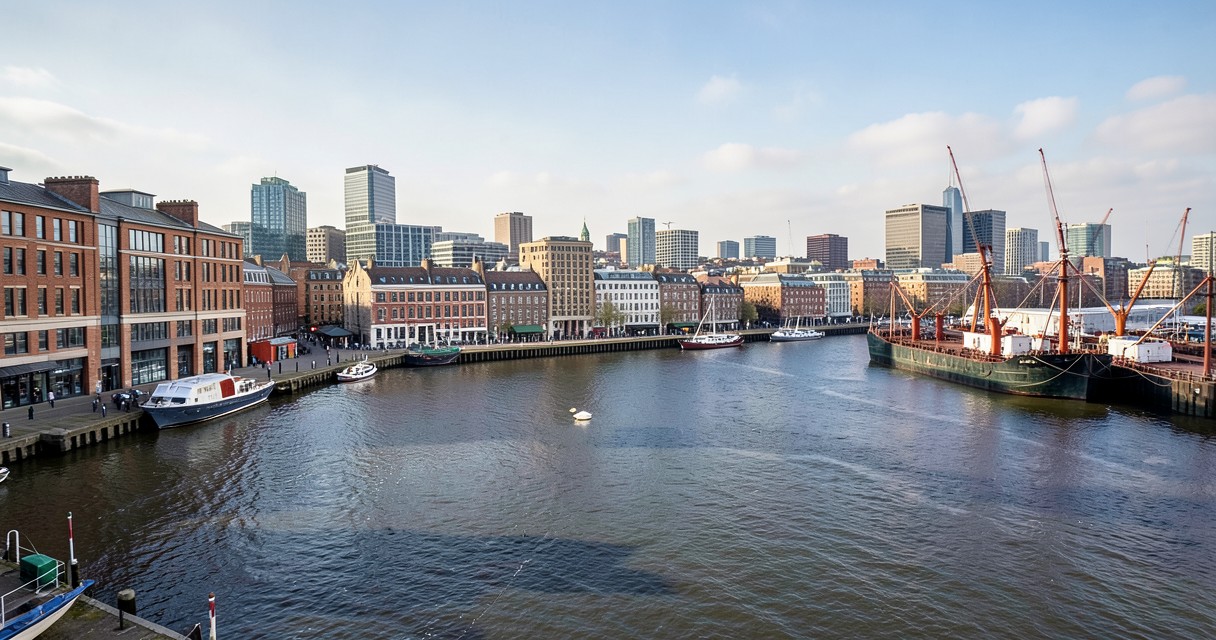
Visitors can explore riverside areas along the waterfront, which are lined with restaurants and bars, offering scenic views of the Thames. The area also hosts various events throughout the year, including food festivals and cultural celebrations, making it a lively destination that honours its historical roots while embracing contemporary life.
King’s Cross: A Hub of Transportation and Trade
King’s Cross has evolved from a primarily industrial area to a major transport hub and cultural destination. The area is home to the historic King’s Cross Station, a vital railway terminal that has connected London with various parts of the UK since the 19th century. The station’s recent redevelopment includes new shops, restaurants, and public spaces, making it a vibrant part of the city.
The transformation of King’s Cross has not only revitalised the transport infrastructure but has also fostered a creative community. The nearby Granary Square, with its fountains and outdoor seating, is a popular gathering place for locals and tourists alike. With its blend of history and modernity, King’s Cross exemplifies medieval history spots in modern London, showing how trade and transport have shaped the city’s development over time.

I love exploring London’s hidden corners and sharing what I discover with fellow travellers. When I’m not wandering the streets of the capital, I enjoy writing detailed guides that help others make the most of their visit.