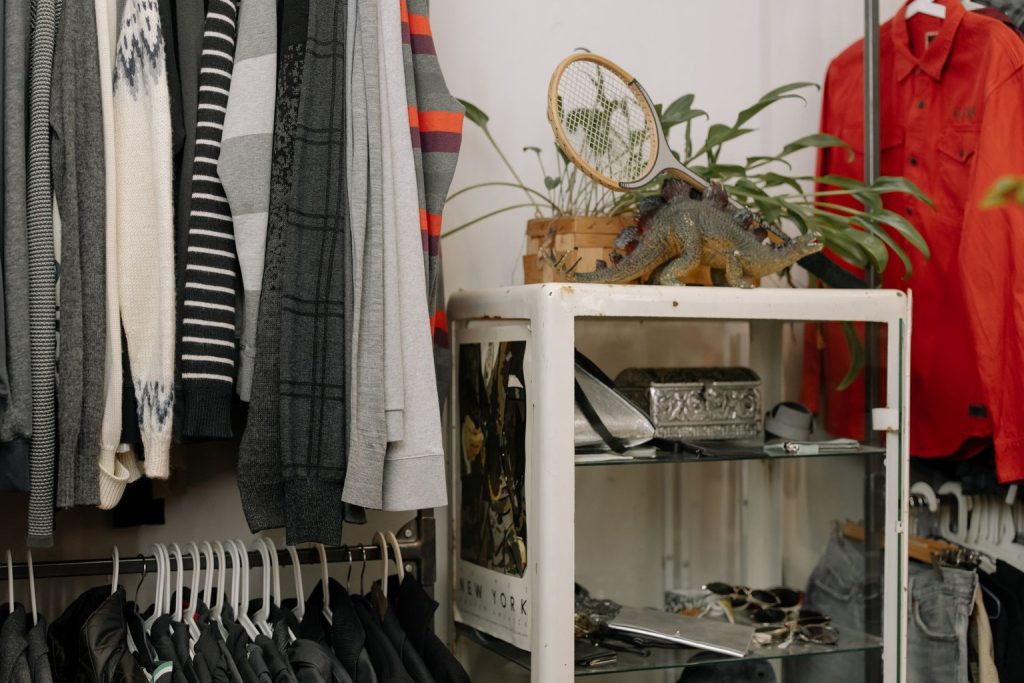
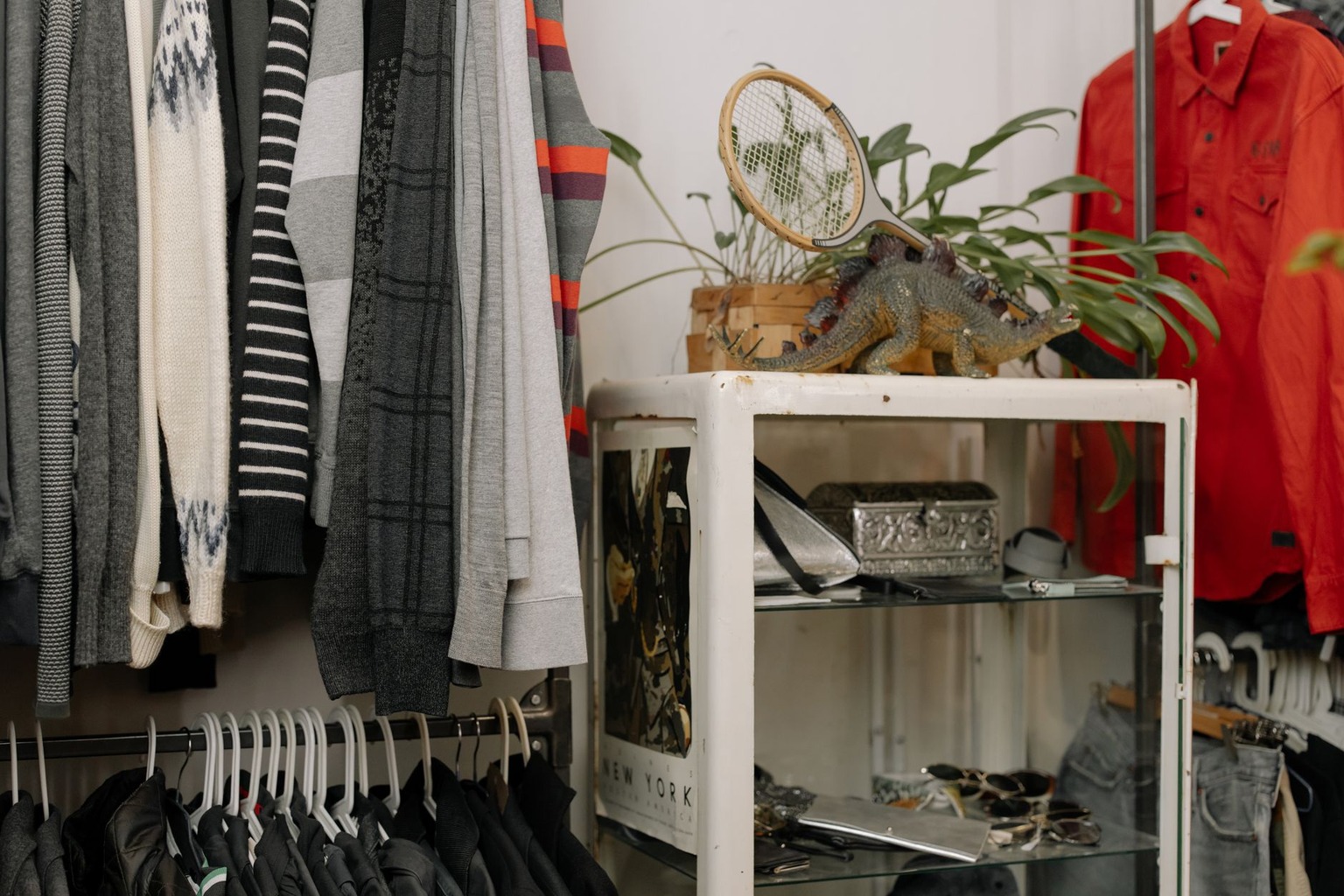
London’s vintage shops are more than just places to hunt for second-hand fashion, they’re hidden gems that offer a tangible piece of the city’s ever-evolving cultural tapestry. Whether you’re a seasoned collector or a first-time visitor looking to bring home a piece of retro charm, navigating the best spots can transform a casual stroll into a treasure hunt. The charm of these shops lies not just in the items they hold but in the stories they tell, from 1970s disco dresses to mid-century modern furniture that still feels fresh today. For travellers seeking authentic London experiences beyond the usual tourist traps, these shops provide a unique way to engage with the city’s past while supporting local businesses. The key to making the most of your visit is knowing where to look and how to approach the hunt with patience and curiosity.
Plan your visit: Best times and neighbourhoods for London vintage shops
The timing of your visit can make or break your shopping experience at London’s vintage shops. Weekday mornings, particularly between 9am and 11am, are ideal because the selection tends to be fresher, many shops restock mid-week, and the crowds are thinner. Avoid Saturdays if you’re after specific items, as these days often see the biggest turnouts, with popular pieces selling out quickly. As for neighbourhoods, Notting Hill is the undisputed king of vintage shopping, with its bustling Portobello Road market and specialist boutiques that cater to every taste. But for a quieter, more curated experience, areas like Camden, Brixton, and Dalston offer equally rich pickings without the same level of tourist pressure. Each district has its own vibe, Camden leans towards punk and alternative styles, while Brixton’s shops often feature more contemporary takes on retro fashion, blending vintage with modern trends.
If you’re staying in central London but want to explore beyond the usual tourist zones, consider starting your hunt in Soho or Covent Garden, where some vintage stores blend seamlessly with the area’s eclectic mix of boutiques and antique dealers. These spots are perfect for a quick, satisfying browse, especially if you’re short on time. For a deeper dive, head east to Hackney or Shoreditch, where the vintage scene is growing rapidly, with many stores specialising in niche areas like 1980s aerobics wear or vintage vinyl records. Pro tip: Pair your shopping with a visit to a nearby café or pub, many of these neighbourhoods have fantastic food and drink spots where you can relax with your finds over a cup of tea or a pint.
What to look for: Vintage fashion vs. antiques vs. one-of-a-kind pieces
Not all London vintage shops are created equal, and understanding the difference between vintage fashion, antiques, and rare finds is crucial to making the most of your visit. Vintage fashion typically refers to clothing and accessories that are at least 20 years old but not so old that they qualify as antiques, think 1990s denim jackets or 2000s handbags with a cult following. These items are often priced more affordably and can be found in most high-street vintage stores, making them a great starting point for beginners. Antiques, on the other hand, are items that are at least 100 years old, and they usually command higher prices due to their rarity and historical value. Look for pieces like mid-century lamps, vintage cameras, or rare vinyl records if you’re after something truly special.
For the most exciting discoveries, keep an eye out for one-of-a-kind pieces that don’t fit neatly into either category. These could be anything from a designer dress from the 1960s to a retro kitchen appliance that’s been restored to working order. The best places to find these treasures are smaller, independent shops rather than large chain stores. For example, stores like The Vintage Emporium in Notting Hill often have hidden gems tucked away in the back rooms, while places like Brick Lane Vintage specialise in rare finds that aren’t easily found elsewhere. Don’t be afraid to ask the shop owners for recommendations, they’re usually more than happy to point you in the right direction if you’re looking for something specific.
How to hunt: Pro tips for finding the best deals and rare items
London’s vintage shops thrive on the thrill of the hunt, but with a few strategic tips, you can increase your chances of finding both great deals and rare items. First, always start with the smaller shops rather than the larger chains, they’re more likely to have unique pieces that haven’t been seen before. For instance, stores like Floating Island Vintage in Dalston often have items that aren’t listed online, so walking in without prior knowledge can lead to unexpected surprises. Another pro move is to arrive early, many shops restock their best items in the morning, and the first few customers often get the pick of the bunch. If you’re after a specific designer label or era, mention it to the staff; they might be able to guide you to the right section or even pull out something from the back room that matches your criteria.
On Laura Caldwell’s channel they cover thrifting tips for markets like Portobello Road — you can watch it right here

Don’t underestimate the power of negotiation, especially in charity shops and smaller independent stores. While it’s not as common in high-street vintage shops, many charity outlets are open to haggling, particularly if you’re buying multiple items or if the piece is slightly damaged but still wearable. For example, at British Heart Foundation Shops in Camden, you might find a vintage coat for £15 that could be reduced to £10 with a polite ask. Always approach this with respect, mentioning that you’re a first-time buyer or that the item is in excellent condition can go a long way. And if you’re after something truly rare, consider joining local Facebook groups or forums dedicated to London vintage shopping; members often share tips on where to find the best deals and what to look out for.
Where to go beyond Portobello: Hidden gems in lesser-known areas
While Portobello Road is the most famous vintage shopping destination in London, it’s far from the only place to find retro treasures. For a more localised experience, head to Brixton’s Brixton Vintage Emporium, where the selection leans towards contemporary takes on vintage styles, blending 1990s grunge with modern streetwear. The shop’s eclectic mix makes it a great spot for those who want something fresh yet rooted in retro aesthetics. Similarly, The Vintage Cellar in Shoreditch specialises in rare finds like vintage vinyl records and retro homeware, offering a unique twist on the traditional vintage shop experience. These spots are perfect for those who want to avoid the crowds while still discovering something special.
If you’re willing to venture a little further, areas like Greenwich and Peckham are emerging as hotspots for vintage enthusiasts. Greenwich Market has several vintage stalls that sell everything from 1970s disco dresses to vintage leather jackets, while Peckham Vintage is known for its curated selection of mid-century furniture and retro accessories. The added bonus of these areas is that they often have a more relaxed, community-focused vibe, with many shops doubling as cafés or social hubs. For a truly off-the-beaten-path experience, consider visiting The Vintage Exchange in Walthamstow, which hosts regular pop-up markets with a mix of vintage fashion, antiques, and local crafts. These events are a fantastic way to explore the city’s hidden vintage scenes without the usual tourist crowds.
What to do with your finds: Styling, restoring, and preserving vintage pieces
Once you’ve found the perfect vintage piece, the next step is deciding how to style, restore, or preserve it to ensure it lasts for years to come. For clothing, the key is gentle care, always check the labels for specific washing instructions, as some vintage fabrics, like wool or silk, require hand washing or professional cleaning. If you’re dealing with leather items, such as a vintage jacket or handbag, use a damp cloth and mild soap to clean the surface, then let it air dry naturally. For shoes, stuff them with newspaper to maintain their shape and avoid creases. If you’re unsure about how to care for a particular item, most vintage shops can recommend local dry cleaners or restoration specialists who understand the nuances of older fabrics.
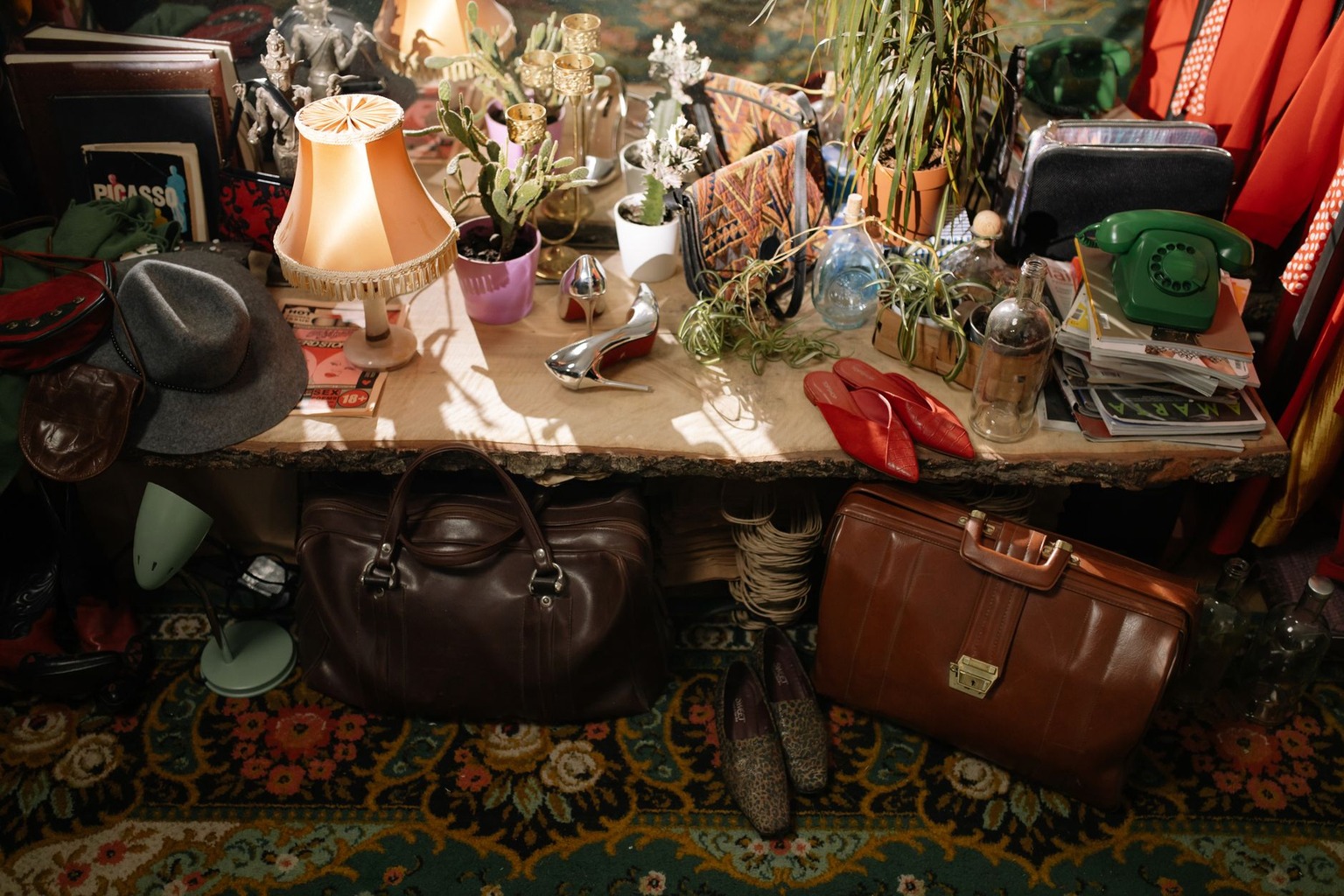
Styling vintage pieces is all about confidence and creativity. A 1970s maxi dress, for example, can be paired with modern sneakers and a leather jacket to create a contemporary look, while a vintage blazer can elevate a simple pair of jeans and a T-shirt. For accessories, think about how they can complement your existing wardrobe, vintage scarves, belts, and hats are versatile pieces that can add a touch of retro flair to any outfit. If you’re unsure where to start, many London vintage shops offer styling services or can recommend local tailors who specialise in altering vintage clothing to fit modern sizing. And if you’re feeling ambitious, consider restoring a piece yourself, simple tasks like replacing a broken zipper or polishing silver can make a world of difference to the item’s appearance and longevity.
Common mistakes to avoid when shopping in London’s vintage shops
Even the most experienced vintage shoppers can make mistakes that cost them time, money, or the chance to find a great piece. One of the biggest pitfalls is rushing, many people walk into a shop with a specific item in mind and leave disappointed because they didn’t take the time to explore. Instead, allow yourself at least an hour per shop, even if you’re only looking for one thing. Another common mistake is ignoring the back rooms and storage areas, where some of the best finds are kept. Staff often mention that customers miss out on hidden gems simply because they don’t venture beyond the main display areas. Always ask if there’s anything interesting in the back, you might be surprised by what you find.
Overpaying is another frequent issue, especially for beginners who aren’t familiar with vintage pricing. While it’s true that some rare or designer pieces can be expensive, many vintage shops mark up prices unnecessarily. Always compare prices across different stores and don’t be afraid to walk away if a piece feels overpriced. A good rule of thumb is that if you’re paying more than double the original retail price (adjusted for inflation), it might be worth negotiating. Additionally, avoid buying items just because they’re on sale, sometimes the best deals are found in charity shops or smaller independent stores where prices are already low. Finally, never buy something just because it’s vintage; it should still be something you genuinely love and will wear or use. The best vintage pieces are those that tell a story and bring you joy.

I love exploring London’s hidden corners and sharing what I discover with fellow travellers. When I’m not wandering the streets of the capital, I enjoy writing detailed guides that help others make the most of their visit.