

Tracking down genuine heritage food in the capital requires patience, and finding authentic London fish and chip shops means looking past glossy modern gastro pubs and finding the true local institutions. You need a clear strategy to navigate historic neighbourhoods, recognise time-honoured frying techniques, and avoid tourist traps that charge high prices for soggy batter. This practical guide walks you through every step of locating, testing, and savouring the crispiest cod and fluffiest chips in the city. Every historic venue tells a story about British culinary culture, and hunting for these legacy counters turns a simple meal into an urban adventure. Follow these targeted steps to plan your itinerary, time your visits correctly, and appreciate the subtle details that separate a mediocre takeaway from a masterclass in deep frying.
Researching Historic Neighbourhoods And Legacy Frying Spots
Start your journey by mapping out older residential areas and working class districts where generational bakeries and greengrocers still operate alongside century old family businesses. You should consult local heritage archives and food history maps to spot venues that have stood on the exact same street corner for fifty years or more. Many authentic London fish and chip shops hide in plain sight across boroughs like Hackney, Greenwich, and Islington, operating out of unassuming brick premises with faded painted signage. Look for independent operators who still purchase their fresh white fish from Billingsgate Market at dawn rather than relying on frozen industrial suppliers. Planning your route beforehand prevents aimless wandering and ensures you hit peak operating hours when the oil is fresh and the kitchen is buzzing with local regulars.
As we celebrate the 39th year of the National Fish Chip Awards, it’s brilliant to see talent, passion, excellent professionalism and dedication to their craft on display.
Andrew Crook, President of the National Federation of Fish Friers — aol.com
Verify opening times meticulously because many traditional fryers keep strictly limited hours, often closing for the entire afternoon between the lunch rush and the evening supper crowd. You must check their social media pages or telephone ahead, as family run businesses frequently take unannounced holidays during the quieter winter months. Pay close attention to the specific days they fry, since some historic shops refuse to open on Sundays or Mondays to maintain traditional rhythms. Keep a flexible backup plan in your itinerary so you can easily pivot to another heritage counter nearby if your primary target has a queue stretching down the block. Proper scheduling saves you from the bitter disappointment of arriving at a shuttered steel roller shutter after a long underground journey.
Navigating Public Transport Routes To Hidden Counters
Mastering the Underground and local bus networks is essential for reaching off-the-beaten-path culinary landmarks without wasting valuable sightseeing hours. You should load up your Oyster card or contactless payment device and plot routes that drop you within a short walking distance of residential high streets. Navigating zones two and three often reveals the most rewarding culinary gems, away from the heavily commercialised West End where rents force operators to cut corners on ingredients. Enjoying a scenic double decker bus ride through local neighbourhoods lets you observe the changing architectural styles of the city while heading towards your destination. Walking the final few blocks on foot allows you to sniff out the unmistakable aroma of hot dripping and malt vinegar floating above the pavement.

Avoid peak commuter hours on public transport to keep your journey comfortable and ensure you arrive with a healthy appetite for a heavy, satisfying lunch. You can time your departure to hit the pavements just before midday, positioning yourself near the front of the queue before the local school children and office workers descend. Using real-time transit apps helps you bypass unexpected engineering works or line closures that might otherwise derail your carefully planned eating expedition. Remember that the journey itself offers a wonderful window into everyday city life, far removed from the sterile glass towers of the financial district. Step off the train and take a moment to soak in the local atmosphere before joining the queue at the counter.
Decoding The Menu Board And Ordering Like A Local
Standing in front of a traditional laminate menu board can feel overwhelming if you are unfamiliar with regional terminology and classic British supper traditions. You need to know your cod from your haddock, understand the subtle density differences of skate wing, and decide whether you prefer chunky or thin cut potatoes. Many long-standing counters still list items on hand-written chalkboards, reflecting decades of stable pricing and unchanging recipes that generations of families have ordered by rote. Speak clearly when placing your order, and do not hesitate to ask the fryer how long the current batch of fish will take to reach absolute perfection. Deciding on portion sizes requires caution, as a regular portion of chips here easily feeds two hungry travellers with plenty left over for the birds.
On the Robslondon channel they cover the curious history of Victorian London, and you can watch it right here.
Master the crucial condiment protocol by knowing exactly how to request salt and vinegar without hesitation when the server asks for your preferences. Traditional spots use non-brewed condiment rather than authentic malt vinegar, providing that signature sharp tang that cuts effortlessly through the rich, bubbling beef dripping or vegetable oil. You should accept the paper wrapping and wooden fork with gratitude, stepping away from the counter to find a nearby bench or park wall for the ultimate authentic experience. Avoid asking for modern fusion sauces or experimental garnishes at these legacy spots, because sticking to tartare sauce, mushy peas, and curry sauce honours their culinary heritage. Respect the workflow of the busy staff behind the glass screen by having your payment ready the moment your brown paper parcel is bundled together.
Avoiding Common Tourist Pitfalls And Subpar Imitators
Spotting a tourist trap disguised as a heritage establishment requires a sharp eye and a healthy dose of skepticism regarding shiny neon lights and aggressive street promoters. You should immediately walk away from any venue displaying faded plastic photographs of food outside or employing staff who hand out translated flyers to passing crowds. Authentic local favourites rely almost entirely on word-of-mouth reputation, community loyalty, and decades of consistent quality rather than flashy marketing campaigns targeting visitors. Check the display counters for the telltale signs of pre-cooked fish sitting under heat lamps, which ruins the crispy batter and turns the delicate flakes dry and rubbery. A genuine independent fryer will always cook your order fresh to demand, resulting in a short wait that guarantees piping hot results.
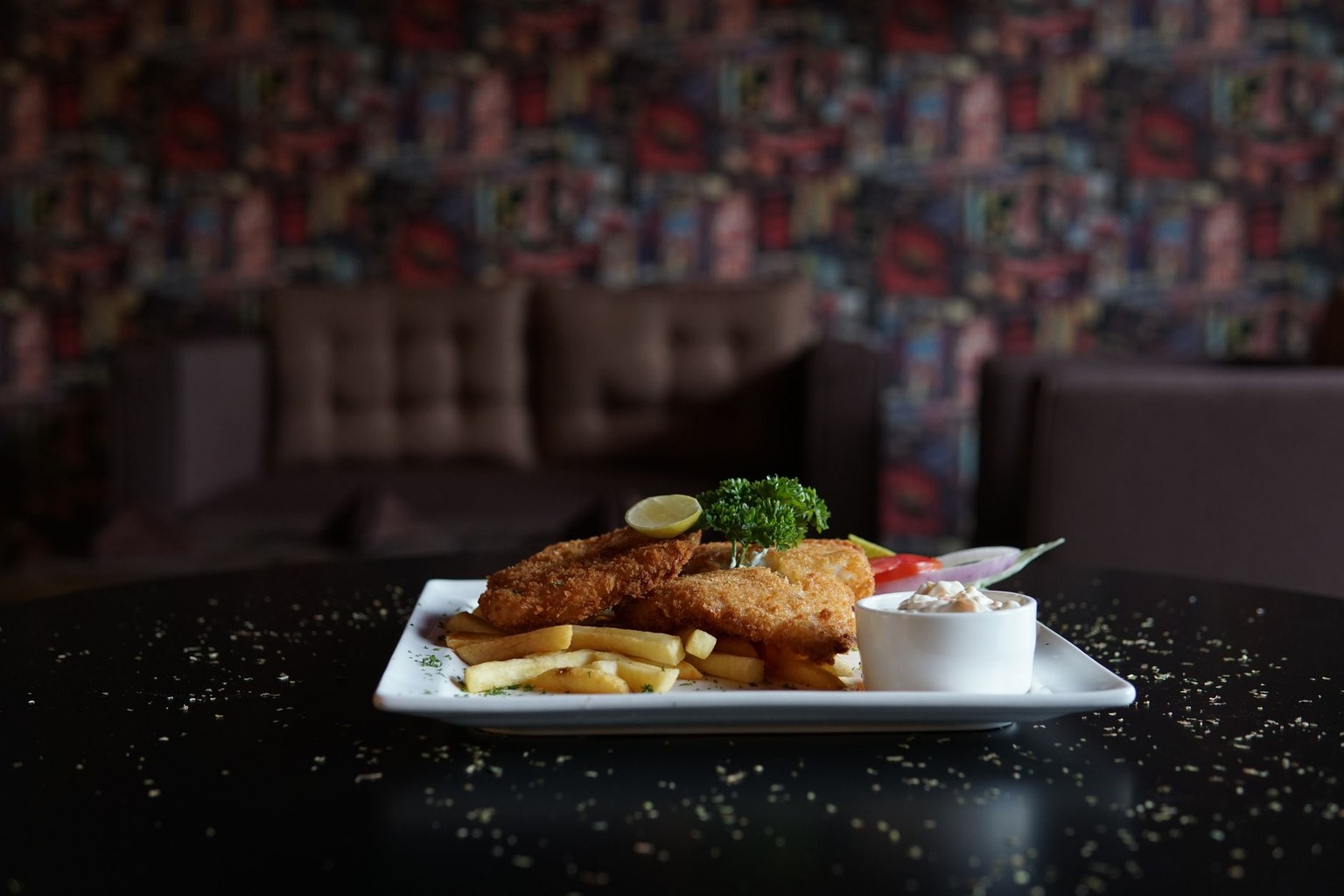
Beware of inflated prices in central tourist zones where mediocre food is marketed as a quintessentially British cultural experience to unsuspecting travellers. You should expect to pay a fair, moderate price for a substantial portion of fish and chips, reflecting the rising cost of sustainable cod and quality potatoes. If a menu charges exorbitant rates for a basic white fish supper, you are paying for the postcode rather than superior culinary craftsmanship or premium ingredients. Do not let hunger cloud your judgment when walking past generic fast-food chains near major railway stations that mimic traditional styling without delivering authentic flavours. Taking twenty extra minutes to travel into a proper residential neighbourhood ensures you experience the genuine article without falling victim to commercialised shortcuts.
Enjoying your meal properly involves finding an appropriate outdoor spot to unwrap your parcel while the steam is still rising and the batter maintains its crunch. You should look for a nearby green square, a bench overlooking a canal, or a quiet park where you can sit down and savour every single bite without rushing. Watch out for aggressive urban wildlife such as pigeons and seagulls, which consider unattended chips fair game and will swoop down the second your attention wanders. Discard your paper wrapping responsibly in a public bin once you finish eating, leaving the pavement just as clean as you found it for the local residents. Taking time to appreciate the simple pleasure of hot, vinegar-soaked potatoes in the open air crowns your successful quest for London’s finest traditional supper.

I love exploring London’s hidden corners and sharing what I discover with fellow travellers. When I’m not wandering the streets of the capital, I enjoy writing detailed guides that help others make the most of their visit.