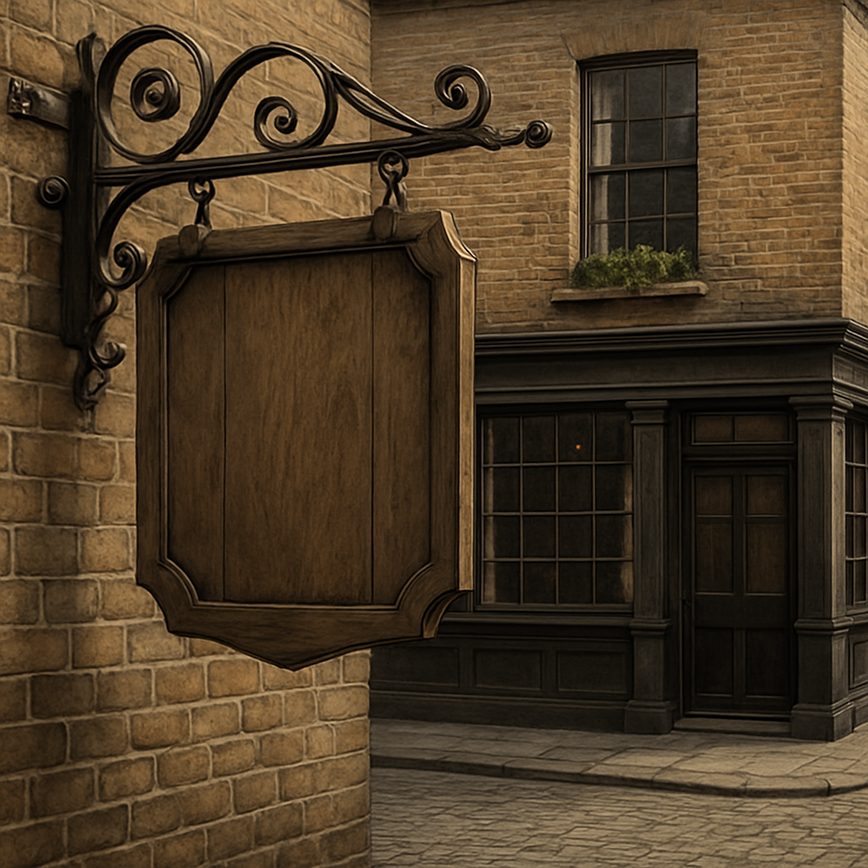
Overview of Historic Pubs in London
Historic pubs in London represent more than just places to enjoy a pint; they are vital landmarks of the city’s rich cultural heritage. These pubs have been a cornerstone of community life for centuries, serving as gathering spots where stories were shared, friendships formed, and significant historical events sometimes took place. The legacy of these establishments extends beyond their architectural charm — they encapsulate the dynamic social history that has shaped London over the ages.
Many of the cultural heritage pubs in London date back hundreds of years, often maintaining their original façades, interiors, and even traditional brewing methods, offering visitors a glimpse into the past. These pubs have witnessed transformations from the Roman era through Georgian times to the modern day, reflecting shifts in society, fashion, and politics. They stand as living museums, preserving the essence of London’s pub history in every brick and beam.
The role of historic pubs in London extends beyond leisure; they have historically functioned as hubs of social interaction and political discourse. Many famous literary figures, artists, and politicians frequented these pubs, making them cultural hotspots where ideas were exchanged and movements born. This makes the historic pubs London offers not just places for refreshment, but also significant venues that have contributed to the city’s intellectual and cultural fabric.
In exploring these cultural heritage pubs, visitors gain insight into the traditions and community spirit that have defined London’s neighborhoods through centuries. The preservation of these pubs is crucial in maintaining the identity and continuity of London’s urban history. Through their enduring presence, these pubs connect the present day with the city’s past, highlighting the importance of historic pubs in London as custodians of both tradition and social life.
The Role of Pubs in London’s Social History
Pubs have long been an integral part of social history pubs in London, acting as vital centres of community life for centuries. These establishments are more than just places to enjoy a pint; they embody the heart of London community pubs by offering a welcoming space where people from all walks of life come together. From workers sharing stories after a hard day’s labor to friends meeting for celebrations, pubs have fostered a unique bond among Londoners.
The pub culture in London has played a fundamental role in shaping the city’s social fabric. These venues have historically served as meeting points for local communities, facilitating social interaction and cultural exchange. Whether discussing politics, business, or simply unwinding, pub social hubs have nurtured a sense of belonging and identity within neighborhoods. They also often host events, music, and storytelling, which reinforces their role as vibrant cultural institutions deeply woven into the city’s past and present.
Moreover, London community pubs have acted as informal public forums, where ideas and traditions are passed down through generations. This continuation of pub culture supports the preservation of local heritage, making these establishments essential landmarks beyond their commercial function. In essence, the social history pubs of London are living testimonies to the city’s enduring communal spirit, reflecting the dynamic and inclusive nature of its society.
Architectural Features of Historic London Pubs
Historic pubs in London are renowned for their unique pub architecture London styles, which prominently feature a blend of traditional craftsmanship and period-specific design. These establishments often boast ornate façades with intricate woodwork, stained glass windows, and decorative tiling that reflect the artistic trends of the Victorian, Edwardian, or earlier eras. The exterior details not only enhance the pub’s visual appeal but also preserve the cultural narrative embedded in the building’s history.
Inside, the traditional pub interiors are a vital aspect that sets these historic venues apart. Many feature original wooden beams, polished oak bars, and cozy fireplace alcoves that create a warm and inviting atmosphere. The use of vintage wallpapers, etched mirrors, and antique light fixtures contribute to the charm, telling stories of the past while offering a timeless ambiance that resonates with both locals and visitors.
Another hallmark of historic pub design is the spatial layout, designed to encourage social interaction. Snug corners, partitioned rooms, and communal seating areas are thoughtfully arranged to cultivate a sense of community and conviviality. These architectural elements not only highlight the pub’s heritage but also enhance its role as a cultural and social hub in London’s urban fabric.
Notable Historic Pubs with Cultural Significance
London is home to many notable London pubs that have played a vital role in shaping the city’s cultural heritage. These famous historic pubs not only offer a place to enjoy traditional ales but also serve as cultural pub landmarks rich in history and stories. Below is a curated list of some of the most iconic pubs in London, celebrated for their remarkable cultural significance and historical charm.
- The George Inn, Southwark: Dating back to the 17th century, The George Inn is one of London’s last surviving coaching inns. This pub is a notable cultural pub landmark, frequented by literary figures such as Charles Dickens. Its restoration preserves the atmosphere of historic London taverns with timber framing and open courtyards.
- The Lamb & Flag, Covent Garden: Known as one of London’s oldest pubs, The Lamb & Flag boasts origins from the early 18th century. It holds a special place in London’s cultural scene due to its association with historic activities like bare-knuckle boxing and its long-standing role as a meeting spot for artists and writers.
- The Spaniards Inn, Hampstead: This famous historic pub, dating from the late 16th century, is steeped in folklore and literary connections including mentions by Dickens and Keats. Set near Hampstead Heath, it has maintained its traditional charm and stands out as a beacon of cultural pub history.
- The Mayflower, Rotherhithe: With links to the Pilgrim Fathers and believed to be named after the ship Mayflower, this riverside pub embodies centuries of London maritime heritage. It remains a notable London pub for visitors seeking a glimpse into the city’s seafaring past paired with classic pub vibes.
- The Prospect of Whitby, Wapping: Known as London’s oldest riverside pub, established in the early 16th century, it’s famed for its connection with pirates, smugglers, and historic shipbuilders. This pub serves as a living cultural museum, capturing the essence of London’s waterfront history.
- Ye Olde Cheshire Cheese, Fleet Street: Rebuilt after the Great Fire of London in 1666, this pub is celebrated for its literary heritage, having hosted writers such as Samuel Johnson and Mark Twain. Its labyrinthine interior and candlelit rooms make it a quintessential cultural pub landmark.
These pubs are not just drinking establishments but are integral to London’s cultural and historical narrative, making them must-visit locations for anyone interested in the rich heritage of notable London pubs and famous historic pubs.
The George Inn: London’s Last Remaining Coaching Inn
The George Inn, nestled in the historic district of Southwark, stands as London’s last remaining coaching inn. This iconic pub dates back to the medieval period and is a rare survivor of the era when coaching inns were essential to travel and commerce. Originally established in the 17th century, The George Inn has been preserved with its distinctive timber-framed courtyard, offering a unique glimpse into London’s architectural and social history.
As a coaching inn, The George Inn played a vital role in the movement of people and goods, serving as a resting point for horses and travelers journeying between London and other parts of England. Over the centuries, it has witnessed the comings and goings of merchants, playwrights, and ordinary Londoners, embedding itself deeply in the cultural fabric of the city. Located in Southwark, a borough renowned for its vibrant history of theatre and trade, The George Inn remains a treasured landmark among historic pubs in Southwark.
Today, The George Inn is not only a popular gathering place but also a cultural monument that reminds visitors of London’s rich coaching inn heritage. It offers a rare authentic experience with its preserved architecture and historic atmosphere, making it a significant destination for those interested in the story of coaching inn London. For anyone looking to explore historic pubs Southwark, The George Inn offers a captivating journey through time and tradition.
Ye Olde Cheshire Cheese: A Literary Landmark
Ye Olde Cheshire Cheese, nestled on historic Fleet Street, is one of the most iconic literary pubs London has to offer. Rebuilt shortly after the Great Fire of London in 1666, this historic Fleet Street pub preserves a centuries-old atmosphere that has welcomed some of the greatest literary minds in British history. Its dimly lit wooden interiors and labyrinthine cellar create a setting that transports visitors back to the days when writers and intellectuals gathered here to share ideas and stories.
Renowned for its rich literary connections, Ye Olde Cheshire Cheese was frequented by celebrated authors such as Charles Dickens, Samuel Johnson, Mark Twain, and Sir Arthur Conan Doyle. The pub holds a special place in London’s cultural history, offering a unique glimpse into the bohemian lifestyle and vibrant intellectual discussions that shaped the city’s literary legacy. As one of the oldest surviving pubs on Fleet Street, it has become a pilgrimage site for lovers of literature and history alike.
Beyond its prestigious clientele, Ye Olde Cheshire Cheese continues to embrace its role as a cultural landmark. The pub’s walls are adorned with portraits and memorabilia celebrating its famous patrons, making it a living museum of London’s literary heritage. For anyone exploring literary pubs London, Ye Olde Cheshire Cheese offers an unmatched experience where history and storytelling are intertwined amidst the very essence of a historic Fleet Street pub.
The Lamb and Flag: Historic Pub in Covent Garden
The Lamb and Flag, one of the iconic Covent Garden pubs, holds a significant place in the cultural and historical tapestry of London. Nestled in the heart of the vibrant Covent Garden area, this historic London tavern dates back to the 17th century, offering a unique glimpse into the city’s rich past. Known affectionately as the “Bucket of Blood” during the 19th century due to its association with bare-knuckle boxing matches, The Lamb and Flag reflects the gritty yet spirited history of the period. Over the centuries, it has attracted a diverse clientele, including artists, writers, and theatre-goers who have contributed to its enduring aura.
As a staple among Covent Garden pubs, The Lamb and Flag has been a witness to centuries of change while maintaining its traditional charm. Its timber-framed exterior and cozy interior evoke the classic atmosphere of old London, inviting visitors to step back in time. The pub’s historical significance is further enriched by its proximity to the Royal Opera House and numerous theatres, making it a favored haunt for performers and culture enthusiasts alike. Patrons can enjoy not only its fine selection of traditional ales and hearty fare but also the palpable sense of history embedded in its walls.
Ultimately, The Lamb and Flag is more than just a place to enjoy a drink; it is a living monument to London’s storied past. As one of the cherished historic London taverns in Covent Garden, it continues to serve as a vibrant social hub that celebrates the area’s rich cultural heritage and longstanding traditions.
Preservation Efforts and Challenges
In London, the preservation of historic pubs is a vital part of maintaining the city’s rich cultural and architectural heritage. Many pubs have served as social hubs for centuries, embodying unique local stories and architectural styles. Efforts to protect these heritage pubs in London involve a combination of legal protections, community activism, and partnership with conservation organizations.
One of the main mechanisms for pub preservation in London is the use of statutory listing and conservation area designations, which help regulate changes to these historic buildings. Heritage pub conservation groups work closely with local councils and national heritage bodies such as Historic England to ensure that any alterations respect the building’s original character. Moreover, campaigns led by pub enthusiasts and local communities have successfully saved numerous pubs from closure or redevelopment, highlighting the strong public support for saving historic pubs.
Despite these preservation efforts, significant challenges remain. Increasing property values and shifting consumer habits have put financial pressure on pub owners, leading some to sell or repurpose their properties. This economic pressure often conflicts with the goal of maintaining the authentic heritage of traditional pubs. Additionally, regulatory hurdles and limited funding for restoration pose ongoing difficulties for those committed to pub preservation in London.
The rise of chain bars and modern leisure venues also challenges the identity of historic pubs, as these newer establishments can erode the unique cultural value of traditional pubs. Efforts to protect them therefore require balancing economic viability with heritage conservation. Innovative community ownership models and partnerships have begun to play a key role in addressing these challenges by fostering local stewardship and sustainable business models for historic pubs.
In summary, pub preservation in London is a multifaceted endeavor involving legal protections, community activism, and creative solutions to financial and regulatory challenges. Saving historic pubs is crucial not only for preserving architectural elegance but also for maintaining the social fabric and cultural significance these establishments represent. Continued efforts and evolving strategies will be essential to safeguarding these iconic landmarks for future generations.
Role of Heritage Listings and Organisations
Heritage listings and pub conservation groups play a crucial role in safeguarding London’s historic pubs. These institutions help maintain the architectural and cultural integrity of listed buildings pubs, ensuring they are not lost to modern development or neglect.
- Heritage listings officially recognize pubs as important cultural assets, granting them legal protections. This status restricts unauthorized alterations, preserving their historical features and significance.
- Pub conservation groups lobby for the protection and restoration of historic pubs. They raise public awareness about the value of these establishments and often collaborate with local authorities to prevent closures and demolitions.
- Listed buildings pubs benefit from these efforts by receiving targeted conservation funding and expert support, enabling sensitive restoration that maintains original design elements and craftsmanship.
- Organisations also create detailed historical records and documentation, which support the educational use of pubs as living heritage sites and tourist attractions.
- Through campaigns and partnerships, these groups have successfully influenced policy changes favoring pub preservation, enhancing the long-term sustainability of historic pubs across London.
Impact of Modern Development on Historic Pubs
Urban development pubs face significant challenges today as rapid modernisation continues to reshape city landscapes. While the growth and infrastructure improvements bring many benefits, the impact on historic pubs is often detrimental. These establishments, rich in cultural heritage and local character, are increasingly threatened by redevelopment projects that prioritize commercial expansion over preservation.
Modern construction techniques and new architectures frequently overshadow or replace historic pub buildings, erasing unique features that tell stories of the past. In many cases, developers view these pubs solely as valuable real estate opportunities rather than cultural landmarks. This modernisation impact results in closures, changes to original structures, or conversions into unrelated businesses, all of which contribute to a gradual loss of identity for these iconic social hubs.
The pressure from urban growth highlights a critical tension between progress and preservation. Advocates for heritage protection argue that saving historic pubs is essential not only for cultural continuity but also for social cohesion in communities. However, without supportive regulations or incentives to maintain them, many pubs find it difficult to survive in an evolving urban environment. Therefore, it is crucial to balance new development with strategies that protect these irreplaceable cultural assets from becoming just another casualty of modernization.

I love exploring London’s hidden corners and sharing what I discover with fellow travellers. When I’m not wandering the streets of the capital, I enjoy writing detailed guides that help others make the most of their visit.