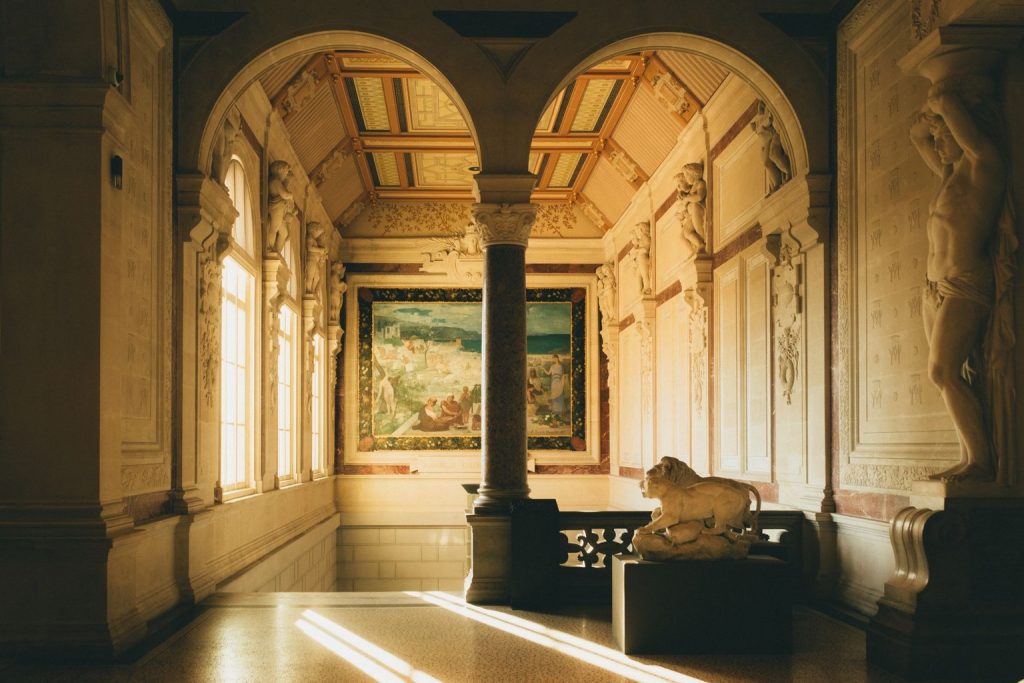
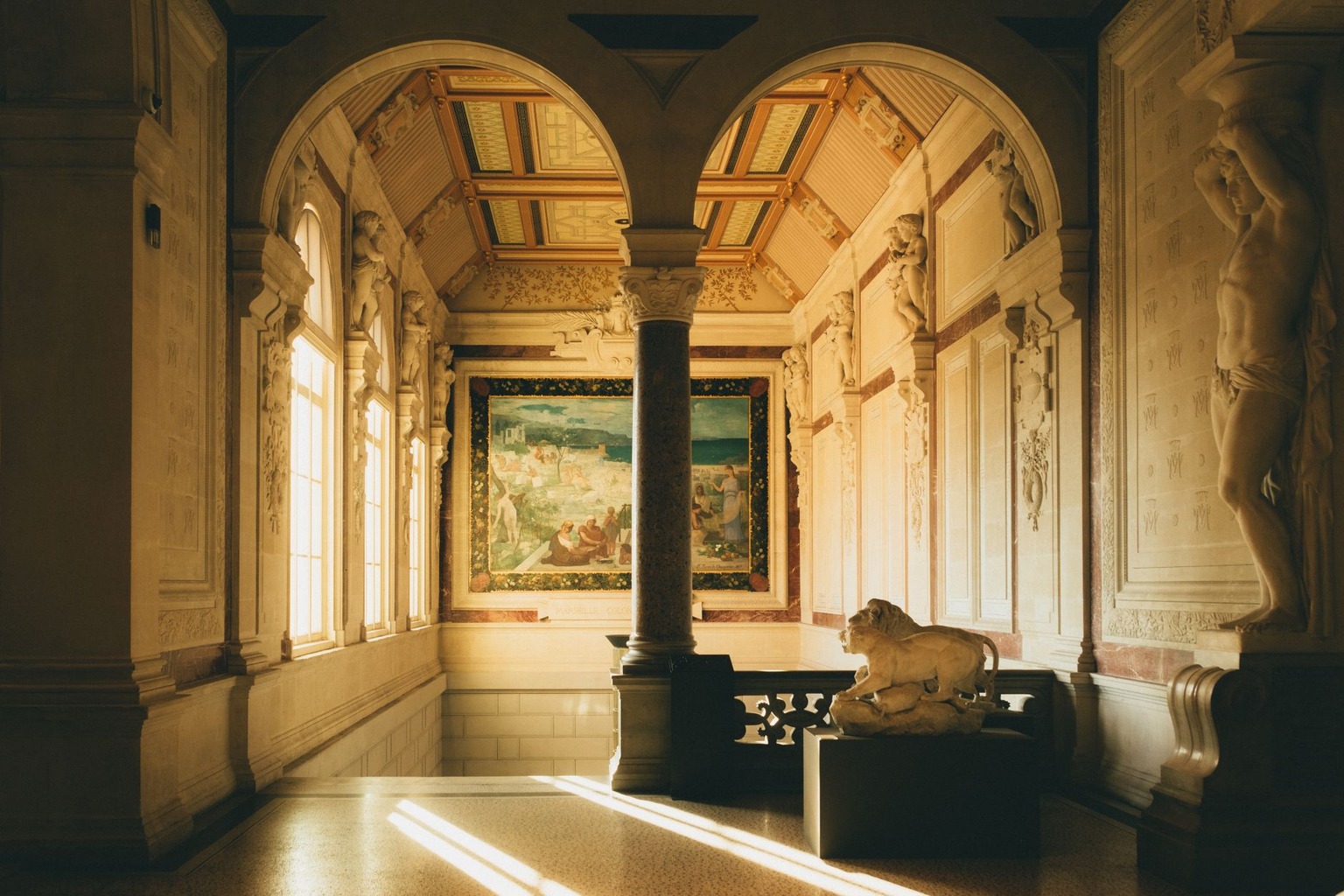
The capital’s museums are often crowded with tourists, but if you’re seeking the best quiet London museums for visitors who prefer a solitary cultural experience, you’ll need to look beyond the usual suspects. The difference between a museum that hums with chatter and one that offers a peaceful retreat lies in its location, visitor flow, and the nature of its exhibits. Some venues thrive on crowds, while others are designed, or simply positioned, to avoid them. For those who want to immerse themselves in art or history without the distraction of a bustling gallery, the key is understanding which spaces prioritise tranquillity over spectacle. Whether you’re drawn to the quietude of a lesser-known collection or the strategic timing of a popular institution, the right choice can transform a visit from a rushed obligation into a contemplative escape.
The Role of Location in Museum Quietude
The best quiet London museums for visitors are often housed in historic buildings, which adds to their charm and tranquility. The best quiet London museums for visitors tend to be situated away from the West End’s central thoroughfares, where the footfall of sightseers peaks during daylight hours. Museums in areas like Southwark, Hampstead, or the less commercialised parts of Kensington benefit from lower visitor volumes, not because they’re lesser-known, but because their locations make them less convenient for the typical tourist itinerary. For example, the Sir John Soane’s Museum in Lincoln’s Inn Fields is tucked away from the main drags of Covent Garden, offering a serene atmosphere that’s rarely disrupted by large groups. Similarly, the Wallace Collection in Manchester Square, while centrally located, has a more refined visitor demographic, art enthusiasts and locals, who tend to move through the galleries at a slower, more deliberate pace. The lesson here is that even a museum with a stellar reputation can feel overrun if it’s positioned in the heart of the tourist circuit, while those slightly off the beaten path often provide the solitude you’re seeking.
The time of day also plays a critical role in how quiet a museum feels, and this is where location becomes a double-edged sword. Many of the best quiet London museums for visitors open early or stay open late, catering to those who want to avoid midday crowds. The British Museum, for instance, sees its busiest hours between 10 am and 2 pm, but the same cannot be said for the Victoria and Albert Museum’s less crowded hours, particularly on weekdays after 3 pm. The key is to align your visit with the museum’s natural ebb and flow. Smaller institutions, like the Hunterian Museum in Glasgow (though not in London, it’s worth noting the principle), often have fewer visitors outside of school hours, making them ideal for a quiet afternoon. In London, the Horniman Museum in Forest Hill is a prime example, its off-centre location and lack of major transport links mean it’s rarely overcrowded, even during peak tourist seasons.
How Exhibit Design Influences Crowd Dynamics
The layout and design of a museum’s exhibits can either encourage solitude or foster a sense of communal engagement. The best quiet London museums for visitors feature spacious galleries, enabling relaxed exploration. The Wallace Collection, for instance, is renowned for its elegant, understated design, with rooms that feel more like private salons than public galleries. This intentional spacing means that even on busy days, the atmosphere remains subdued rather than chaotic. In contrast, museums with tightly packed displays or interactive exhibits, such as the Science Museum’s immersive displays, are inherently more crowded, as they attract families and groups seeking hands-on experiences. The quietest museums often prioritise stillness over interaction, offering visitors the chance to stand in front of a painting or read a plaque without feeling rushed or jostled by others.
Another design element that contributes to tranquillity is the use of natural light and acoustics. Museums that rely on soft, diffused lighting, such as the Tate Britain or the National Portrait Gallery, create a more contemplative environment than those with harsh overhead fluorescents. Acoustics matter too; galleries with carpeted floors and minimal echo, like those in the Sir John Soane’s Museum, amplify the sense of quiet. Even the materials used in the museum’s architecture play a part, stone walls and wood paneling absorb sound, whereas glass and metal can amplify noise. For visitors seeking a solitary experience, these subtle design choices make all the difference, turning a museum visit from a sensory overload into a peaceful retreat.
The Impact of Visitor Demographics on Atmosphere
The type of visitors a museum attracts is another critical factor in determining its level of quietude. The best quiet London museums for visitors often cater to niche interests, which naturally draws in smaller, more discerning crowds. The Victoria and Albert Museum’s decorative arts galleries, for example, are far quieter than its fashion exhibitions, which are invariably packed with tourists. Similarly, the Hunterian Museum in London, while not as well-known as the British Museum, attracts a steady stream of medical history enthusiasts and art collectors rather than casual sightseers. These specialised audiences tend to move through the galleries more slowly and with greater reverence, contributing to a more serene atmosphere. Conversely, museums that market themselves to families or school groups, such as the Natural History Museum, will always have a livelier energy, as children’s energy levels and group dynamics create a more dynamic environment.
On Jon | London & Travel Creator’s channel they cover this topic—you can watch the Silent Disco at the Natural History Museum right here.
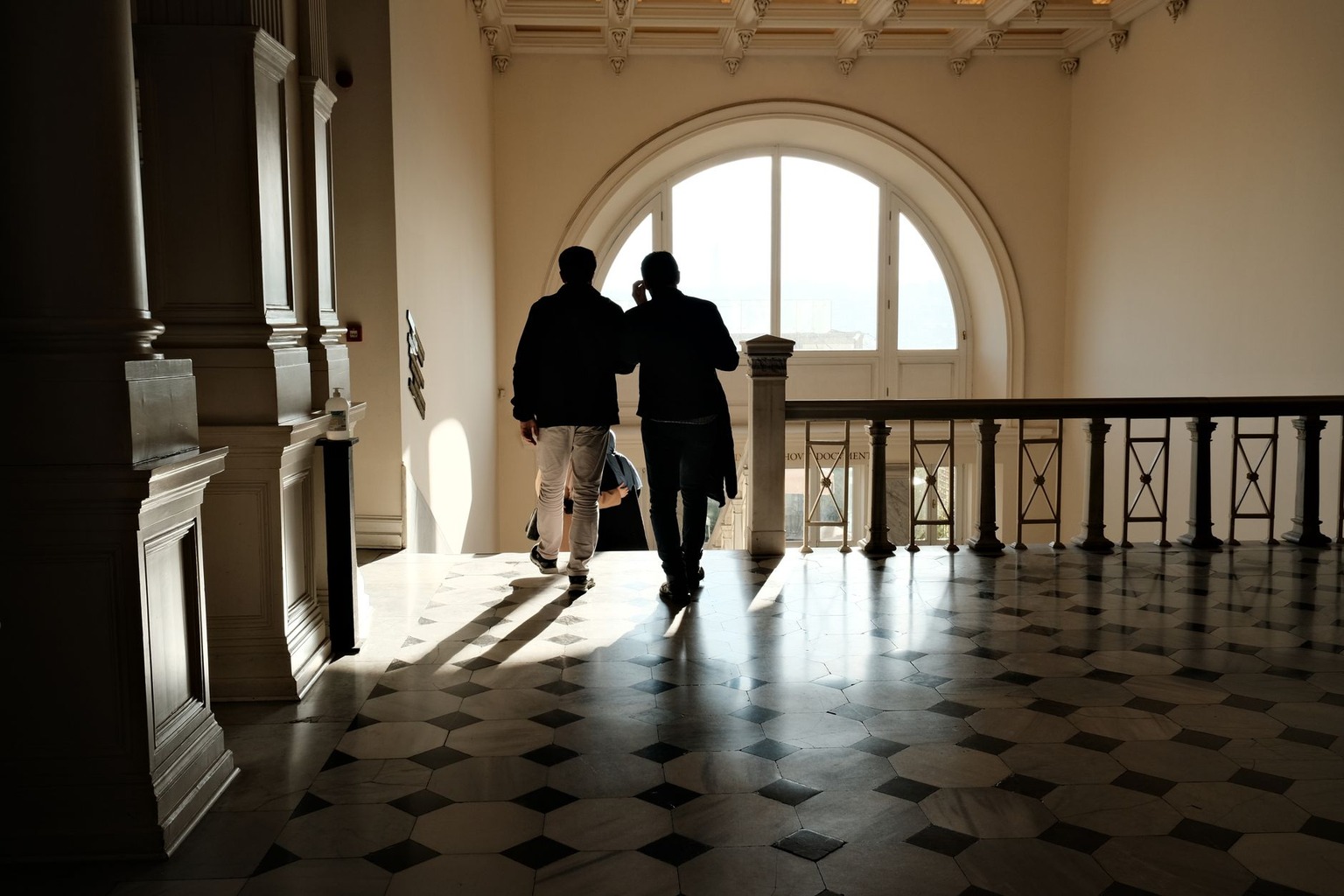
Timing your visit to coincide with quieter visitor demographics can also enhance your experience. For instance, the National Gallery is far less crowded on a Tuesday morning than it is on a Saturday afternoon, as many tourists prefer to visit major attractions on weekends. Similarly, the Wallace Collection sees a significant drop in visitors after 5 pm on weekdays, making it an ideal spot for an evening stroll. Understanding which days and times align with the museum’s least busy periods is key to securing a solitary cultural experience. Some museums, like the Sir John Soane’s Museum, even offer early access for members, which can be a game-changer for those willing to plan ahead. The quietest moments often come when you’re willing to deviate from the standard tourist schedule.
Understanding the Psychology of Crowds in Museums
Crowd psychology plays a subtle but significant role in how quiet, or loud, a museum feels. The best quiet London museums for visitors often have a design or layout that discourages large groups from congregating in one place. For example, the Tate Modern’s vast, open-plan galleries can feel overwhelmingly crowded during peak hours, but its smaller, more intimate rooms, such as the Blavatnik Gallery, offer pockets of quiet where visitors can step away from the main throng. This intentional fragmentation of space prevents the kind of overwhelming crush that turns a museum visit into a sensory experience rather than a contemplative one. Similarly, museums with multiple levels or winding staircases, like the British Museum, create natural bottlenecks that force visitors to disperse rather than clump together. The result is a more evenly distributed crowd, which can feel less oppressive than a single, dense cluster of people.
Another psychological factor is the museum’s reputation for exclusivity or intimacy. Institutions like the Sir John Soane’s Museum, with its eccentric collection and limited space, inherently attract visitors who are drawn to its unique character rather than its popularity. This creates a self-selecting crowd that is more likely to appreciate the museum’s quietude. In contrast, museums that actively court large numbers of visitors, such as the Natural History Museum, will always have a more chaotic energy, as their appeal lies in their accessibility and spectacle. The quietest museums often thrive on word-of-mouth recommendations from those who seek a more refined experience, rather than the kind of mass appeal that draws crowds. This exclusivity, whether real or perceived, contributes to the sense of solitude that many visitors crave.
Practical Tips for Securing a Quiet Visit
If you’re determined to experience the best quiet London museums for visitors, planning your visit with intention is essential. The first step is to research which museums have the most flexible hours or early access options. Many institutions, such as the Wallace Collection and the Hunterian Museum, offer free or discounted entry for early morning visitors, which can be a great way to avoid the midday rush. Additionally, visiting on a weekday, particularly a Tuesday or Wednesday, will almost always yield a quieter experience than a weekend. If you’re willing to travel slightly outside central London, museums in areas like Hampstead or Greenwich often have fewer visitors, as they’re less convenient for the typical tourist route. The Horniman Museum in Forest Hill is a perfect example: its off-centre location means it’s rarely overrun, even during peak tourist seasons.
Another practical tip is to avoid peak exhibition periods. Some museums, like the Tate Britain, have rotating exhibitions that draw larger crowds, while their permanent collections remain relatively quiet. If you’re interested in a specific exhibit, check the museum’s visitor statistics or ask staff about the busiest times for that particular display. Similarly, certain galleries, such as the National Portrait Gallery, see surges in visitors during school holidays, so timing your trip to avoid these periods can make a significant difference. Finally, consider visiting during the museum’s less popular hours, such as late afternoon or early evening, when most tourists have already left. These moments, often overlooked by visitors, can offer the most serene atmosphere of all.
Exceptions and Nuances in Museum Quietude
While the best quiet London museums for visitors generally follow the patterns outlined above, there are always exceptions and nuances to consider. For instance, some museums that are typically quiet can experience sudden rushes during special events or exhibitions. The British Library, for example, is usually a peaceful place to study or browse, but if it hosts a major exhibition or lecture, the atmosphere can shift dramatically. Similarly, the Sir John Soane’s Museum, known for its quietude, can feel crowded during guided tours, as groups are herded through its narrow spaces. Understanding these variables is key to managing expectations, sometimes the quietest museums are those that remain consistently understated, while others fluctuate based on external factors. The key is to stay flexible and adapt your plans based on real-time conditions rather than relying on static assumptions.
Another nuance is the role of staff and security in shaping a museum’s atmosphere. Some institutions, like the Wallace Collection, have a more relaxed approach to crowd control, allowing visitors to move freely through the galleries. Others, such as the National Gallery, have stricter measures in place to manage large groups, which can sometimes create unintended bottlenecks. The best quiet museums strike a balance between accessibility and tranquillity, ensuring that visitors feel welcome without feeling crowded. This balance is often achieved through thoughtful staff training, where employees are encouraged to guide visitors gently rather than herd them. For those seeking solitude, these subtle differences in museum management can make all the difference in transforming a visit from a rushed experience into a contemplative one.

I love exploring London’s hidden corners and sharing what I discover with fellow travellers. When I’m not wandering the streets of the capital, I enjoy writing detailed guides that help others make the most of their visit.