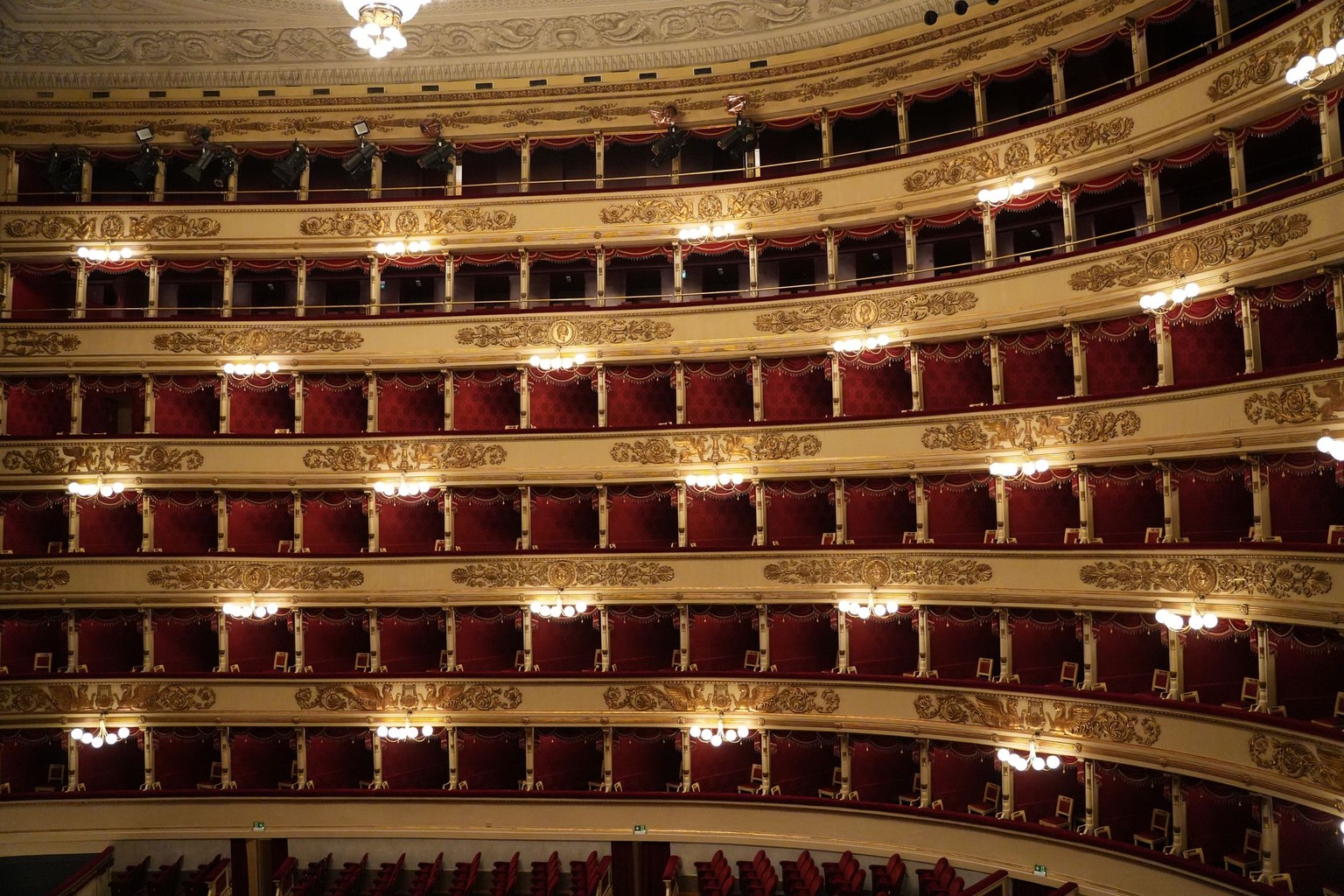
London holds centuries of dramatic history within its velvet-draped auditoriums and backstage corridors, making it a fascinating destination for travellers who love the supernatural. Among the many historic entertainment venues scattered across the West End, you will find spooky London theatres with legends that continue to captivate visitors and actors alike. Walking through these grand Victorian and Edwardian buildings reveals an eerie side of the capital where past tragedies and devoted performers seemingly refuse to leave the stage. If you plan an evening out in the city, exploring these haunted locations adds an unforgettable layer of mystery to your itinerary. Understanding the stories behind these ghostly encounters requires a closer look at the architecture, the local lore, and the eerie mechanics of heritage venues.
Architectural Evolution and Centuries of Drama
The physical structure of a London theatre often dictates the nature of its resident spirits, as centuries of rebuilding have layered old foundations beneath modern stages. Many venues sit atop ancient burial grounds or medieval monastery ruins, creating a subterranean environment that feeds local ghost stories. When visiting these historic properties, you notice how cramped backstage areas and winding staircases contribute to disorienting acoustic tricks. Stagehands frequently report hearing footsteps in empty corridors during matinée performances when the audience sits quietly out front. These architectural quirks combined with heavy timber framing and gas lighting history create the perfect setting for unexplained phenomena.
The Theatre Royal Drury Lane stands as a prime example of this phenomenon, boasting a reputation as one of the most haunted houses in the entire world. Visitors taking backstage tours often hear phantom applause or feel a sudden drop in temperature while standing near the royal box. The Man in Grey, a spectral figure dressed in an eighteenth-century riding coat, frequently appears in the upper circle during daylight rehearsals. Crew members take his presence as a good omen for ticket sales, often joking that his approval guarantees a successful run. Exploring this iconic landmark offers travellers a tangible connection to the theatrical ghosts that shaped British entertainment history.
The Tragic Tale of the Adelphi Theatre
Situated right on the Strand, the Adelphi Theatre carries a dark history rooted in a shocking nineteenth-century tragedy involving one of its beloved actors. William Terriss, a charismatic leading man known for his swashbuckling roles, was tragically murdered at the stage door in December 1897 by a mentally unstable rival actor. Ever since that fateful winter night, staff members and visiting performers claim his spirit haunts the alleyway and the dressing rooms inside. People walking past the rear entrance after dark occasionally report seeing a figure in theatrical costume vanish into the brickwork. This enduring tale draws true crime enthusiasts and ghost hunters to the cobblestone streets surrounding the venue.
Modern visitors attending a musical at the Adelphi rarely realise the tragic backstory lingering just feet away from the plush seating stalls. Ushers have reported flickering lights in specific dressing rooms where Terriss once prepared for his nightly curtain calls. Some actors refuse to use certain mirrors because they have caught glimpses of a brooding man standing just behind their shoulder. Such accounts transform a simple evening of musical theatre into an immersive encounter with Victorian melodrama. Documenting these local legends provides a compelling reason to look beyond the glittering marquee and appreciate the dramatic past.
The Royal Opera House and its Phantom Violinist
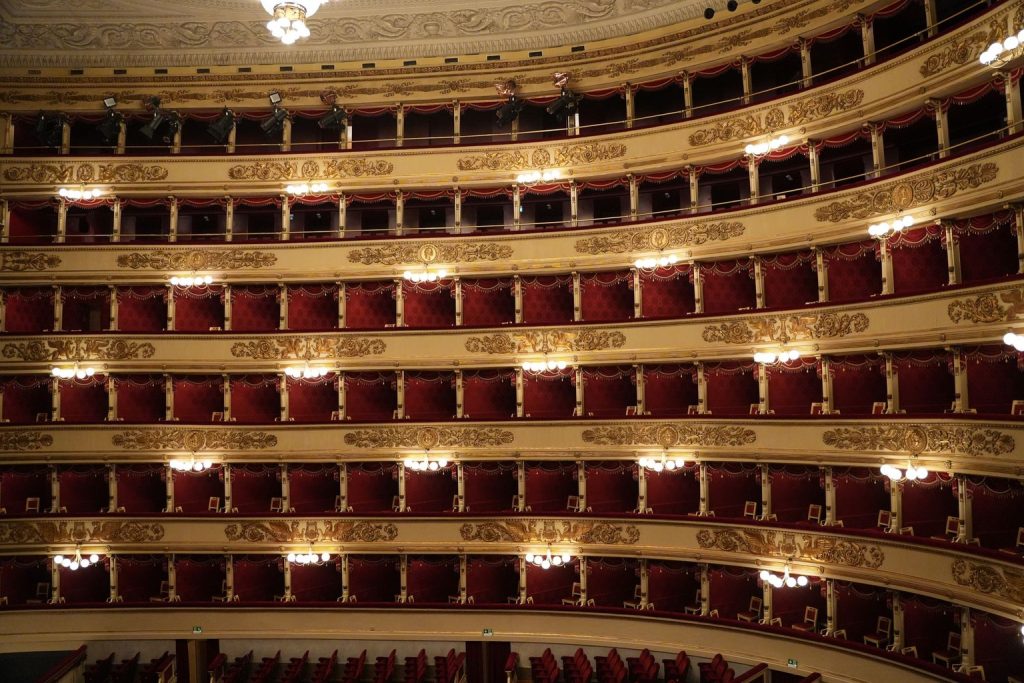
Covent Garden is famous for its vibrant street performers and upscale dining, but the Royal Opera House hides a mournful secret within its soaring acoustic arches. In the nineteenth century, a talented violinist fell to his death from the upper galleries during a rehearsal after a bitter dispute with orchestra management. Today, audience members sitting in the amphitheatre occasionally hear ghostly strains of music playing just before the main orchestra takes their seats. Staff members maintain that these spectral notes belong to the fallen musician, who apparently still tests his instrument before every phantom performance. This auditory haunting adds a surreal dimension to an already breathtaking evening of classical ballet or grand opera.
On the creepy experience channel, they explore London’s most haunted theatres and their dark legends, and you can watch it right here.
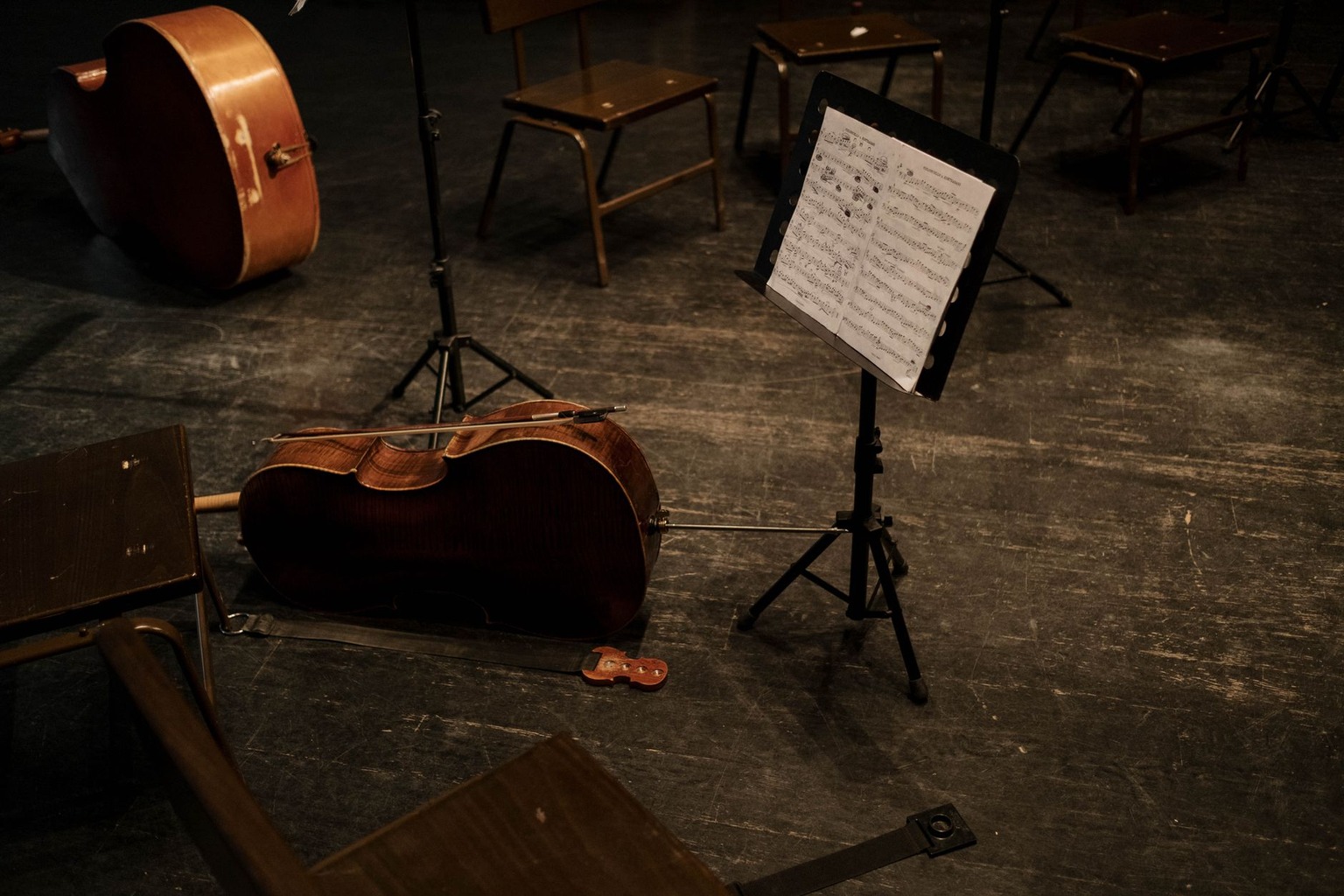
Navigating the labyrinthine backstage areas of this grand institution reveals a maze of narrow catwalks and heavy machinery dating back decades. Technicians working late shifts often experience equipment moving by itself or notice cold spots near the historic fly floors. The juxtaposition of modern digital lighting consoles with nineteenth-century structural timber creates an atmosphere charged with historical energy. Travellers interested in the arts will find that attending a performance here means sharing the auditorium with centuries of invisible spectators. The blend of high culture and supernatural folklore makes Covent Garden an essential stop for adventurous tourists.
The Ghostly Guardian of the Playhouse Theatre
Overlooking the Embankment, the Playhouse Theatre survived a catastrophic collapse during its early construction days and retains a heavy atmosphere of survival and resilience. A massive architectural failure in 1899 brought down a heavy section of the ceiling, injuring construction workers and embedding trauma into the very mortar of the building. Current staff members sometimes report smelling pipe tobacco in the empty auditorium, a scent attributed to a former manager who oversaw the rebuilding efforts. This sensory detail makes the haunting feel remarkably intimate, as if a long-dead caretaker is still checking on the evening crowds. Visiting the theatre offers tourists a chance to appreciate a beautifully restored Victorian interior that carries physical reminders of its dramatic past.
The seating arrangements and intimate horseshoe balcony design of the Playhouse create unique acoustic properties that sometimes amplify unexplained creaks and groans. Actors performing in intense dramas often mention a feeling of being watched from the wings by an unseen audience member. Stage managers have learned to live with these minor disturbances, treating them as harmless quirks of working in a historic London landmark. Tourists exploring the West End can easily include this venue in a self-guided walking tour of haunted architectural marvels. Understanding the structural repairs and safety overhauls of the past century highlights how these buildings adapted to survive.
Her Majesty’s Theatre and the Phantom of the Opera Connection
Although Andrew Lloyd Webber set his famous musical across town, Her Majesty’s Theatre in the Haymarket possesses genuine phantom folklore that predates modern stage productions. Built on a site with a long theatrical history, the current building has witnessed numerous strange occurrences, including objects moving across dressing room tables without human intervention. The spirit of a nineteenth-century manager named Charles Fletcher is said to roam the upper tiers, often rustling his silk garments in the empty corridors. Performers appearing in long-running shows here frequently leave small tokens backstage to appease the resident specter and ensure smooth performances. These quirky traditions highlight the superstitious nature of the acting profession, which persists in the modern entertainment industry.
Exploring the Haymarket area after a show allows visitors to soak in the theatrical heritage of a district that has entertained Londoners for over three centuries. The grand neoclassical façade of the theatre conceals decades of gossip, rivalry, and supernatural tales shared among touring casts. Guided heritage walks often stop outside the main entrance to discuss the architectural history and the reported paranormal hotspots within the walls. This combination of grand design and eerie folklore provides a rich cultural experience for anyone visiting the British capital. Observing these traditions firsthand brings the hidden history of the West End to life in a memorable way.
The Creeping Shadows of the London Palladium
Famed for hosting legendary variety acts and royal command performances, the London Palladium in Argyll Street holds more than just glittering memories of show business royalty. Backstage crew members working the night shift have documented strange cold drafts sweeping through corridors that lack exterior windows or ventilation shafts. Some artists claim to have seen a Victorian lady in full period dress sitting quietly in the back row of the stalls during afternoon set-ups. When house lights are switched on to investigate the sighting, the figure vanishes entirely without leaving a trace. These persistent sightings contribute to the mystique of a venue that defines British variety entertainment.
Delving into the operational side of such a massive venue reveals how physical fatigue and flickering stage lighting can sometimes play tricks on the human mind. However, the sheer consistency of these reported encounters across decades suggests a deeper narrative woven into the building fabric. Visitors taking backstage tours can ask guides about the specific dressing rooms where performers refuse to stay alone after midnight. This adds an element of thrill to sightseeing, turning a standard cultural outing into a ghost-hunting adventure. Discovering these haunted landmarks ensures your trip to the city goes far beyond the typical tourist guidebooks.

I love exploring London’s hidden corners and sharing what I discover with fellow travellers. When I’m not wandering the streets of the capital, I enjoy writing detailed guides that help others make the most of their visit.