Another significant challenge lies in sensitive restoration work that respects the original design and craftsmanship. Restorers must ensure that any replacements or repairs match the original materials and aesthetics as closely as possible, often requiring sourcing rare materials or employing traditional techniques that are time-consuming and costly. Furthermore, funding for such projects can be limited, making it difficult to address all conservation needs comprehensively.
Theatres must also adapt to contemporary requirements without compromising their historic character. This includes integrating modern accessibility features and technology, as well as accommodating modern audience expectations, which can conflict with preservation goals. Balancing these restoration issues is key to ensuring these cultural landmarks can continue to function as vibrant performance spaces while safeguarding their heritage for future generations. Ultimately, successful theatre conservation involves an ongoing dialogue between preservationists, architects, engineers, and theatre communities to meet these multifaceted challenges.
Contemporary Performances in Historic Settings
London’s historic theatres are boldly embracing the future by adapting their timeless venues to host modern performances and events. These iconic theatres, steeped in rich history, now serve as dynamic spaces where contemporary artists and innovative productions bring new life to classic settings. This fusion of old and new creates a unique atmosphere that enhances the audience’s experience of London entertainment.
Modern performances benefit from the atmospheric charm and architectural grandeur of historic theatres, which provide a striking contrast to the avant-garde shows they host. From cutting-edge drama to experimental music and immersive theatre, these venues are proving remarkably versatile. Theatre companies take advantage of advanced lighting, sound technology, and adaptable stage designs, seamlessly integrating them within the traditional structures.
Many historic theatres have also revamped their backstage and audience amenities, ensuring comfort without compromising their heritage. This blend of preservation and innovation invites a diverse audience to explore London entertainment beyond conventional expectations. Theatres such as the Old Vic and Shakespeare’s Globe exemplify this trend, regularly featuring contemporary productions that resonate with today’s audiences while honoring their cultural legacy.
As London continues to be a global hub for the arts, historic theatres remain pivotal by embracing these modern performances. Their ability to adapt and innovate within a historic context enriches the city’s vibrant cultural scene, proving that tradition and modernity can beautifully coexist in the heart of London.
Historic theatres in London contribute significantly to the city’s vibrant cultural scene. They serve as a bridge connecting contemporary theatre practitioners with centuries-old traditions, inspiring creativity and innovation. The theatres themselves are a testament to architectural styles and craftsmanship from different eras, often featuring intricate designs, lavish interiors, and unique acoustics that enhance the theatrical experience.
Furthermore, London’s historic theatres have had a profound cultural impact beyond just entertainment. They have been spaces for social commentary, political discourse, and community gathering. Many theatres played key roles during transformative periods in British history, such as the Renaissance and the Victorian age, influencing public opinion and reflecting societal values. The legacy of London’s historic theatres continues to shape the city’s identity as a global arts capital, attracting theatre lovers from around the world and fostering an appreciation for the rich heritage of performance arts.
In summary, London theatres, particularly its historic theatres, are invaluable cultural treasures. Their significance extends beyond their bricks and mortar to encompass the powerful role they have played in the development of theatre history and cultural life. Exploring these venues offers not only entertainment but also a deep connection to the artistic and social legacy of London.
The Origins of Theatre in London
Theatre origins in London can be traced back to the late 16th century, a period that marked the beginning of what is now known as the Elizabethan theatre era. This period saw the flourishing of dramatic arts under the reign of Queen Elizabeth I, when public interest in theatrical performances surged, establishing London as a hub for theatre culture. The city’s theatre history is deeply intertwined with this era, which was characterized by the emergence of professional acting companies and the construction of dedicated theatre buildings.
One of the earliest and most iconic theatres of this time was The Theatre, built in 1576 by James Burbage, which laid the foundation for London theatre history. It was soon followed by other notable venues such as The Curtain and The Globe, the latter famously associated with William Shakespeare. These theatres hosted a variety of performances, ranging from comedies and tragedies to histories, often featuring some of the most renowned playwrights of the time.
The Elizabethan theatre was distinctive for its open-air amphitheatres and its ability to draw audiences from all social classes. Playwrights like Shakespeare and Christopher Marlowe contributed significantly to the period’s rich theatrical repertoire, ensuring that the early theatres of London were not only entertainment venues but also cultural landmarks that shaped the future of theatre in England and beyond.
Architectural Styles of Historic Theatres
London’s historic theatres showcase a remarkable range of theatre architecture, reflecting the evolution of design across centuries. From the Elizabethan era with its timber-framed playhouses like The Globe, to the opulent Baroque and Victorian theatres, each style narrates a unique story of its time. Elizabethan theatres are distinguished by their open-air design and polygonal shape, emphasizing natural acoustics and audience interaction.
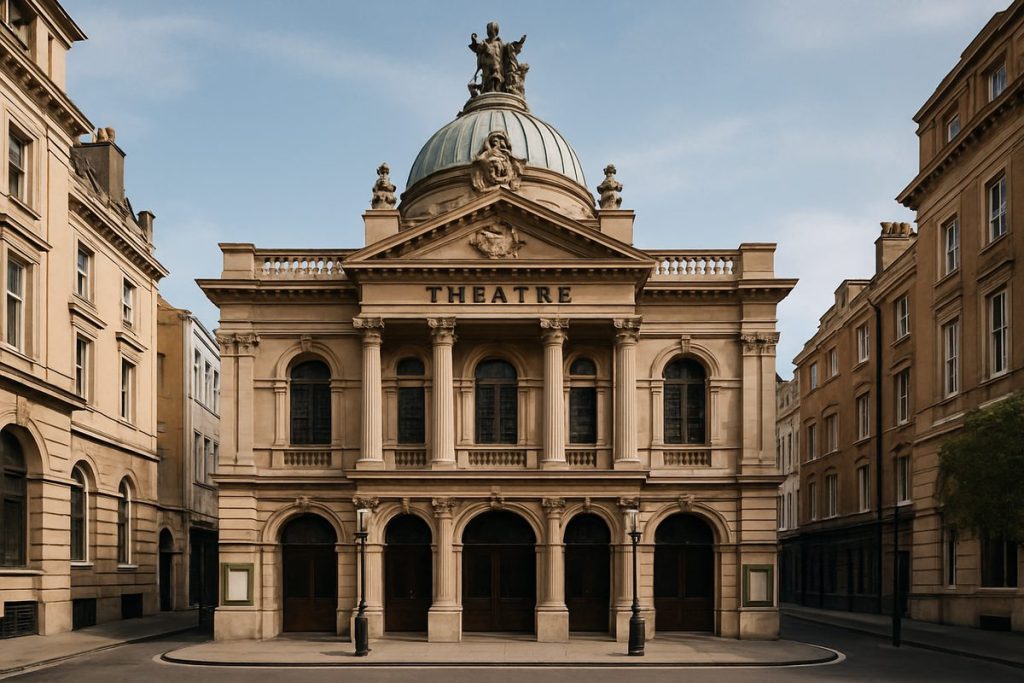
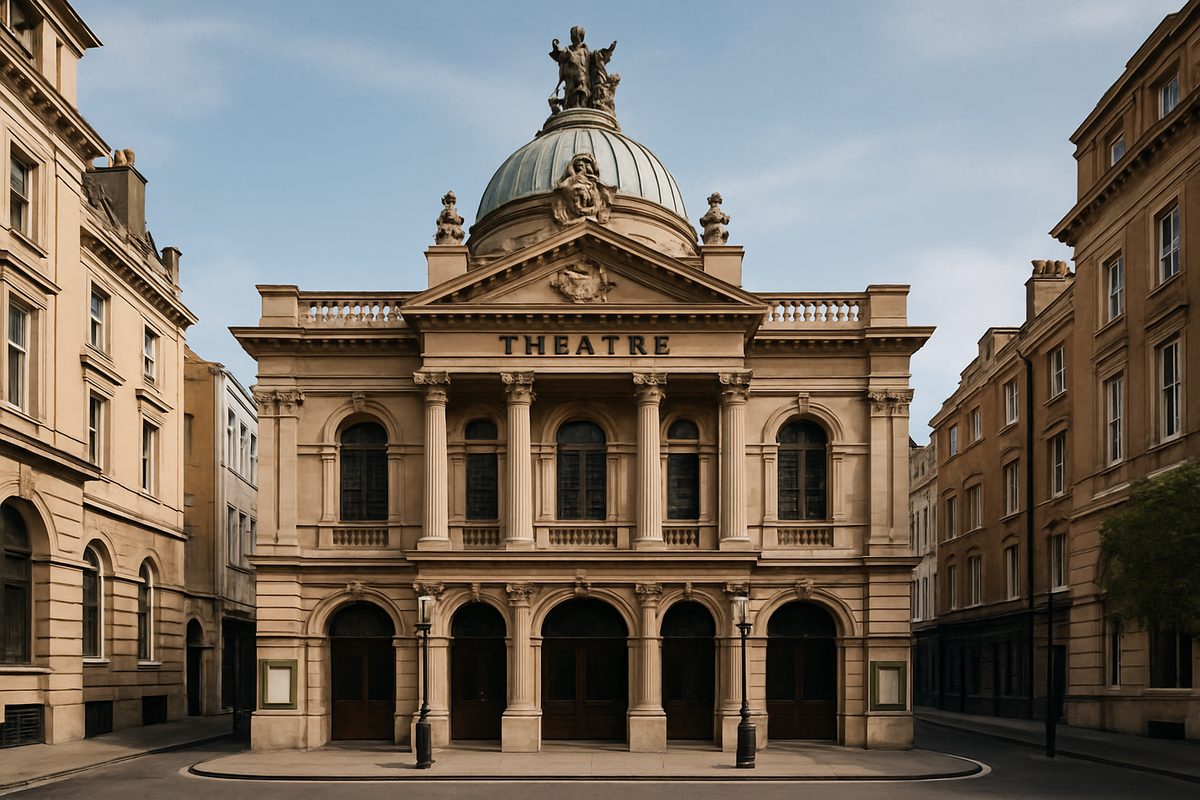
Moving into the 18th and 19th centuries, theatre architecture in London embraced elaborate ornamentation and grandeur as seen in Georgian and Victorian theatres. These historic buildings incorporated classical Greek and Roman elements, such as columns, pediments, and intricate plasterwork, to create an imposing yet elegant atmosphere. The Victorian period, in particular, was marked by advancements in construction techniques, allowing for larger auditoriums with improved sightlines and acoustics, essential for the growing middle-class audience.
In the 20th century, theatre design began to emphasize functionality alongside aesthetics. Modern materials and technologies were integrated into existing historic buildings or new theatres were constructed, blending tradition with contemporary needs. The evolution of theatre architecture in London not only highlights advancements in engineering but also mirrors social and cultural shifts, maintaining the city’s theatres as timeless landmarks in both the arts and architecture.
Famous Historic Theatres in London
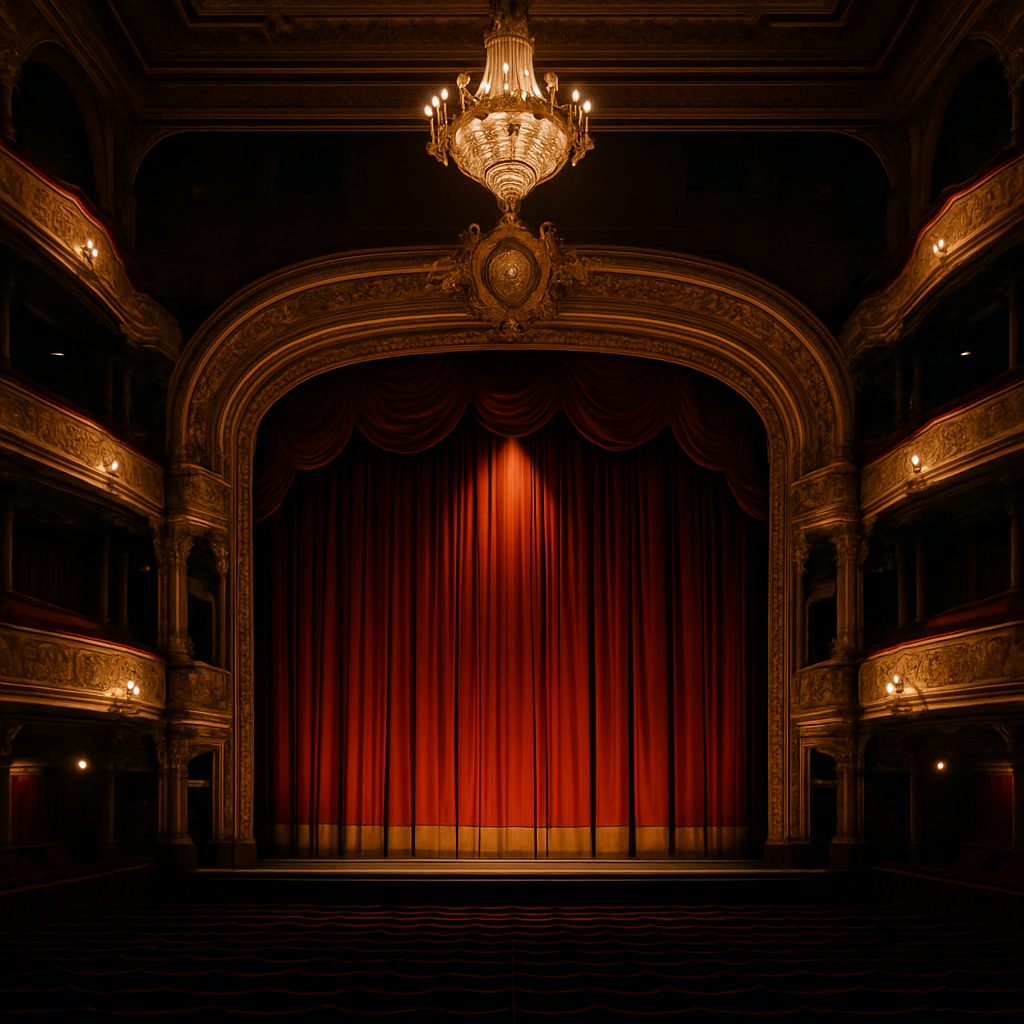
London is home to some of the most famous theatres in the world, each with a rich history and a strong connection to the cultural fabric of the city. These historic venues not only serve as landmarks but also as pillars of theatrical tradition, showcasing performances that have shaped modern drama and entertainment.
The Theatre Royal, Drury Lane, often simply called Drury Lane, stands as one of London’s oldest theatres. Established in the 17th century, it has witnessed centuries of theatrical evolution. This venue has hosted productions ranging from Shakespearean plays to dazzling musical spectacles, becoming an iconic symbol of London’s theatrical heritage. Its grand architecture and lavish interiors are equally famous, attracting visitors interested in both history and the arts.
Another landmark is the Shakespeare’s Globe Theatre, a meticulous reconstruction of the original Elizabethan playhouse. This open-air theatre on the banks of the Thames captures the essence of historic theatre-going as it was in Shakespeare’s time. Beyond its tours and historical exhibitions, the Globe offers live performances of Shakespearean plays, bringing the Bard’s work to life in a setting reminiscent of the early 1600s. It stands as a vital educational and cultural venue in London.
The Royal Opera House in Covent Garden is also a historic venue renowned for its contributions to the performing arts, particularly opera and ballet. This grand establishment has a legacy dating back to the 18th century and continues to be a prestigious hub for world-class productions. Its blend of historic grandeur and modern performance technology exemplifies the evolving nature of London’s famous theatres.
Meanwhile, the Old Vic Theatre, with roots tracing back to 1818, has nurtured many renowned actors and directors, contributing significantly to British theatre. Its dedication to innovative productions alongside classics has kept the theatre relevant in the ever-changing cultural landscape. The Old Vic reflects the spirit of London’s theatre scene—historic, yet vibrantly contemporary.
These famous historic theatres are not just buildings; they represent London’s commitment to preserving its heritage while celebrating artistic expression. Each venue has helped shape the city’s reputation as a global theatre capital, drawing audiences from around the world eager to experience performances in these culturally rich environments.
The Globe Theatre
The Globe Theatre holds a prominent place in the history of Elizabethan theatre and is famously associated with William Shakespeare. Originally built in 1599 by Shakespeare’s playing company, the Lord Chamberlain’s Men, the Globe became the venue where many of Shakespeare’s greatest plays were first performed, making it a cornerstone of theatrical history. The open-air amphitheater was located on the banks of the River Thames and was designed to accommodate a diverse audience, from the wealthy elite in the galleries to the common folk standing in the pit.
Despite its success, the original Globe Theatre met a tragic end when it was destroyed by fire in 1613 during a performance of Henry VIII, caused by a misfired theatrical cannon. It was quickly rebuilt the following year but eventually closed in 1642 when theaters were shut down. The Globe Theatre’s significance endures through its strong ties to Shakespeare, whose works shaped English literature and drama.
In the late 20th century, a contemporary reconstruction of the Globe Theatre was undertaken and opened in 1997. This modern Globe, also located near the original site, is a faithful recreation based on extensive research into Elizabethan playing conditions and architectural design. Today, it stands as both a working theatre and educational landmark, continuing the legacy of Shakespeare and Elizabethan theatre for new generations to experience live performances in an authentic setting.
Drury Lane Theatre
The Drury Lane Theatre holds an esteemed position in the history of London’s theatre scene as one of the oldest operating playhouses in the city. Founded in 1663, it has witnessed centuries of theatrical evolution and remains a cornerstone of London’s rich cultural heritage. Known officially as the Theatre Royal, Drury Lane, this iconic London theatre has played host to countless landmark performances and has been a key venue in the development of English drama and musical theatre.
Throughout its extensive history, Drury Lane has been rebuilt several times, each iteration reflecting the architectural styles and technological advancements of its era. Despite these changes, it has consistently maintained its reputation as a premier theatrical venue. The theatre’s significance lies not only in its longevity but also in its continuous contribution to the performing arts, nurturing talents and premiering productions that have gone on to achieve worldwide acclaim.
As a historic playhouse, Drury Lane has been affiliated with some of the greatest figures in theatre, including renowned actors and playwrights. Its stage has seen everything from Shakespearean dramas to modern musicals, making it a symbol of London’s dynamic theatre tradition. Today, the Drury Lane Theatre continues to attract audiences from around the world, preserving its legacy while adapting to contemporary tastes and innovations in live performance.
Theatre Royal, Covent Garden
The Theatre Royal, Covent Garden, stands as one of London’s most iconic historic theatres, rich in heritage and cultural significance. Established in the 18th century, this theatre has been a cornerstone of London’s theatrical scene for centuries, captivating audiences with its grandeur and artistic excellence. Its stunning architecture and prime location in Covent Garden make it a cherished landmark among both locals and visitors.
Throughout its long history, the Theatre Royal has hosted numerous famous productions that have left lasting impressions on the performing arts world. From Shakespearean classics to modern plays and operas, its stage has been graced by legendary actors and celebrated directors, helping to shape the course of theatre in the UK. Each production is a testament to the theatre’s commitment to quality and innovation in performance.
Moreover, the Theatre Royal, Covent Garden, has played a vital role in promoting the arts, nurturing talent, and preserving the rich traditions of theatre. Its contribution to London’s cultural fabric is unparalleled, making it a must-visit destination for anyone interested in experiencing the magic of the stage in a truly historic setting. The theatre continues to thrive, blending its storied past with contemporary theatrical achievements, maintaining its status as a premier venue for live performances.
Preservation and Modern Use of Historic Theatres
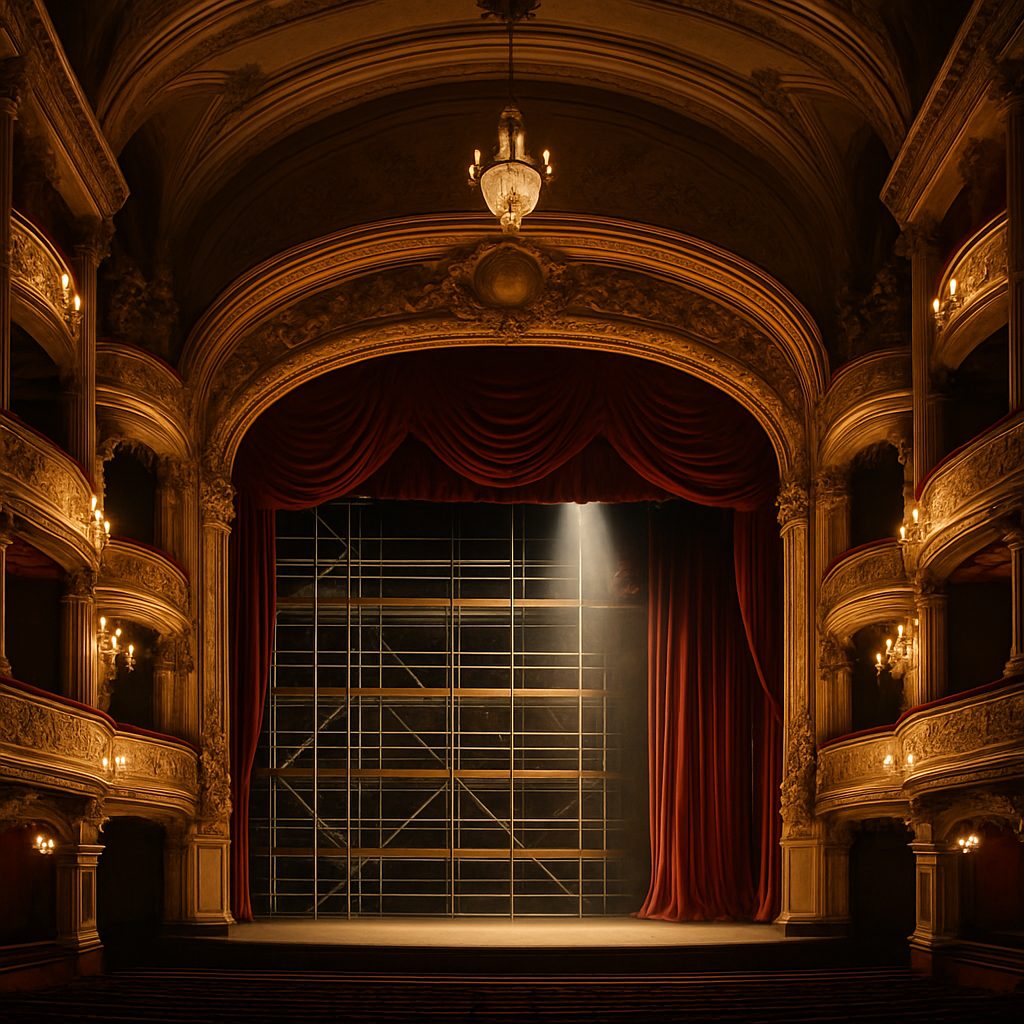
The preservation of historic theatres in London is a vital effort that combines heritage conservation with contemporary functionality. These treasured venues, often dating back centuries, require meticulous theatre preservation strategies to maintain their architectural integrity while adapting to the needs of modern performances. Preservation initiatives typically involve restoring original features like ornate plasterwork, grand staircases, and rich interior decorations, which showcase the unique charm and cultural history embedded within these theatres.
Maintaining historic venue maintenance standards is a complex task, balancing the demands of structural safety with the importance of preserving aesthetic elements. Specialist craftspeople, including heritage architects and conservation experts, work alongside theatre managers to ensure that updates are sympathetic to the original designs. This collaboration helps to safeguard London’s rich theatrical legacy, allowing future generations to experience the ambiance of these iconic spaces as they were originally intended.
In the modern era, many of these historic theatres have found new life through diverse programming that appeals to contemporary audiences. Modern theatre use involves hosting a wide variety of performances, from classic plays and operas to avant-garde productions and multimedia showcases. This evolving use of space not only increases the commercial viability of these venues but also keeps them culturally relevant in today’s entertainment landscape.
Some theatres have expanded their roles to include community events, educational workshops, and private functions, thereby integrating more deeply into London’s social fabric. This multi-functionality supports ongoing revenue streams necessary for the costly upkeep inherent in historic venue maintenance. Additionally, technological enhancements such as modern lighting, sound systems, and accessibility improvements are thoughtfully incorporated to improve audience experience without compromising the theatre’s historic character.
Ultimately, the preservation and modern use of historic theatres in London exemplify a successful fusion of past and present. These efforts ensure that the theatres remain vibrant hubs of cultural activity, celebrating their storied past while embracing the opportunities of contemporary performance art. The commitment to theatre preservation and adaptive reuse secures the future of these iconic landmarks, allowing them to continue inspiring audiences for many years to come.
Conservation Challenges
Conserving and restoring London’s historic theatres presents a complex set of challenges that demand careful attention and expertise. Theatre conservation is not simply about preserving architecture; it involves maintaining the intricate balance between historical integrity and modern safety standards. One of the primary heritage challenges is addressing the wear and tear caused by decades, if not centuries, of use. Many of these theatres face structural issues such as weakened foundations, aging materials, and outdated electrical and fire safety systems, all of which complicate restoration efforts.
Another significant challenge lies in sensitive restoration work that respects the original design and craftsmanship. Restorers must ensure that any replacements or repairs match the original materials and aesthetics as closely as possible, often requiring sourcing rare materials or employing traditional techniques that are time-consuming and costly. Furthermore, funding for such projects can be limited, making it difficult to address all conservation needs comprehensively.
Theatres must also adapt to contemporary requirements without compromising their historic character. This includes integrating modern accessibility features and technology, as well as accommodating modern audience expectations, which can conflict with preservation goals. Balancing these restoration issues is key to ensuring these cultural landmarks can continue to function as vibrant performance spaces while safeguarding their heritage for future generations. Ultimately, successful theatre conservation involves an ongoing dialogue between preservationists, architects, engineers, and theatre communities to meet these multifaceted challenges.
Contemporary Performances in Historic Settings
London’s historic theatres are boldly embracing the future by adapting their timeless venues to host modern performances and events. These iconic theatres, steeped in rich history, now serve as dynamic spaces where contemporary artists and innovative productions bring new life to classic settings. This fusion of old and new creates a unique atmosphere that enhances the audience’s experience of London entertainment.
Modern performances benefit from the atmospheric charm and architectural grandeur of historic theatres, which provide a striking contrast to the avant-garde shows they host. From cutting-edge drama to experimental music and immersive theatre, these venues are proving remarkably versatile. Theatre companies take advantage of advanced lighting, sound technology, and adaptable stage designs, seamlessly integrating them within the traditional structures.
Many historic theatres have also revamped their backstage and audience amenities, ensuring comfort without compromising their heritage. This blend of preservation and innovation invites a diverse audience to explore London entertainment beyond conventional expectations. Theatres such as the Old Vic and Shakespeare’s Globe exemplify this trend, regularly featuring contemporary productions that resonate with today’s audiences while honoring their cultural legacy.
As London continues to be a global hub for the arts, historic theatres remain pivotal by embracing these modern performances. Their ability to adapt and innovate within a historic context enriches the city’s vibrant cultural scene, proving that tradition and modernity can beautifully coexist in the heart of London.
Historic theatres in London contribute significantly to the city’s vibrant cultural scene. They serve as a bridge connecting contemporary theatre practitioners with centuries-old traditions, inspiring creativity and innovation. The theatres themselves are a testament to architectural styles and craftsmanship from different eras, often featuring intricate designs, lavish interiors, and unique acoustics that enhance the theatrical experience.
Furthermore, London’s historic theatres have had a profound cultural impact beyond just entertainment. They have been spaces for social commentary, political discourse, and community gathering. Many theatres played key roles during transformative periods in British history, such as the Renaissance and the Victorian age, influencing public opinion and reflecting societal values. The legacy of London’s historic theatres continues to shape the city’s identity as a global arts capital, attracting theatre lovers from around the world and fostering an appreciation for the rich heritage of performance arts.
In summary, London theatres, particularly its historic theatres, are invaluable cultural treasures. Their significance extends beyond their bricks and mortar to encompass the powerful role they have played in the development of theatre history and cultural life. Exploring these venues offers not only entertainment but also a deep connection to the artistic and social legacy of London.
The Origins of Theatre in London
Theatre origins in London can be traced back to the late 16th century, a period that marked the beginning of what is now known as the Elizabethan theatre era. This period saw the flourishing of dramatic arts under the reign of Queen Elizabeth I, when public interest in theatrical performances surged, establishing London as a hub for theatre culture. The city’s theatre history is deeply intertwined with this era, which was characterized by the emergence of professional acting companies and the construction of dedicated theatre buildings.
One of the earliest and most iconic theatres of this time was The Theatre, built in 1576 by James Burbage, which laid the foundation for London theatre history. It was soon followed by other notable venues such as The Curtain and The Globe, the latter famously associated with William Shakespeare. These theatres hosted a variety of performances, ranging from comedies and tragedies to histories, often featuring some of the most renowned playwrights of the time.
The Elizabethan theatre was distinctive for its open-air amphitheatres and its ability to draw audiences from all social classes. Playwrights like Shakespeare and Christopher Marlowe contributed significantly to the period’s rich theatrical repertoire, ensuring that the early theatres of London were not only entertainment venues but also cultural landmarks that shaped the future of theatre in England and beyond.
Architectural Styles of Historic Theatres
London’s historic theatres showcase a remarkable range of theatre architecture, reflecting the evolution of design across centuries. From the Elizabethan era with its timber-framed playhouses like The Globe, to the opulent Baroque and Victorian theatres, each style narrates a unique story of its time. Elizabethan theatres are distinguished by their open-air design and polygonal shape, emphasizing natural acoustics and audience interaction.
Moving into the 18th and 19th centuries, theatre architecture in London embraced elaborate ornamentation and grandeur as seen in Georgian and Victorian theatres. These historic buildings incorporated classical Greek and Roman elements, such as columns, pediments, and intricate plasterwork, to create an imposing yet elegant atmosphere. The Victorian period, in particular, was marked by advancements in construction techniques, allowing for larger auditoriums with improved sightlines and acoustics, essential for the growing middle-class audience.
In the 20th century, theatre design began to emphasize functionality alongside aesthetics. Modern materials and technologies were integrated into existing historic buildings or new theatres were constructed, blending tradition with contemporary needs. The evolution of theatre architecture in London not only highlights advancements in engineering but also mirrors social and cultural shifts, maintaining the city’s theatres as timeless landmarks in both the arts and architecture.
Famous Historic Theatres in London
London is home to some of the most famous theatres in the world, each with a rich history and a strong connection to the cultural fabric of the city. These historic venues not only serve as landmarks but also as pillars of theatrical tradition, showcasing performances that have shaped modern drama and entertainment.
The Theatre Royal, Drury Lane, often simply called Drury Lane, stands as one of London’s oldest theatres. Established in the 17th century, it has witnessed centuries of theatrical evolution. This venue has hosted productions ranging from Shakespearean plays to dazzling musical spectacles, becoming an iconic symbol of London’s theatrical heritage. Its grand architecture and lavish interiors are equally famous, attracting visitors interested in both history and the arts.
Another landmark is the Shakespeare’s Globe Theatre, a meticulous reconstruction of the original Elizabethan playhouse. This open-air theatre on the banks of the Thames captures the essence of historic theatre-going as it was in Shakespeare’s time. Beyond its tours and historical exhibitions, the Globe offers live performances of Shakespearean plays, bringing the Bard’s work to life in a setting reminiscent of the early 1600s. It stands as a vital educational and cultural venue in London.
The Royal Opera House in Covent Garden is also a historic venue renowned for its contributions to the performing arts, particularly opera and ballet. This grand establishment has a legacy dating back to the 18th century and continues to be a prestigious hub for world-class productions. Its blend of historic grandeur and modern performance technology exemplifies the evolving nature of London’s famous theatres.
Meanwhile, the Old Vic Theatre, with roots tracing back to 1818, has nurtured many renowned actors and directors, contributing significantly to British theatre. Its dedication to innovative productions alongside classics has kept the theatre relevant in the ever-changing cultural landscape. The Old Vic reflects the spirit of London’s theatre scene—historic, yet vibrantly contemporary.
These famous historic theatres are not just buildings; they represent London’s commitment to preserving its heritage while celebrating artistic expression. Each venue has helped shape the city’s reputation as a global theatre capital, drawing audiences from around the world eager to experience performances in these culturally rich environments.
The Globe Theatre
The Globe Theatre holds a prominent place in the history of Elizabethan theatre and is famously associated with William Shakespeare. Originally built in 1599 by Shakespeare’s playing company, the Lord Chamberlain’s Men, the Globe became the venue where many of Shakespeare’s greatest plays were first performed, making it a cornerstone of theatrical history. The open-air amphitheater was located on the banks of the River Thames and was designed to accommodate a diverse audience, from the wealthy elite in the galleries to the common folk standing in the pit.
Despite its success, the original Globe Theatre met a tragic end when it was destroyed by fire in 1613 during a performance of Henry VIII, caused by a misfired theatrical cannon. It was quickly rebuilt the following year but eventually closed in 1642 when theaters were shut down. The Globe Theatre’s significance endures through its strong ties to Shakespeare, whose works shaped English literature and drama.
In the late 20th century, a contemporary reconstruction of the Globe Theatre was undertaken and opened in 1997. This modern Globe, also located near the original site, is a faithful recreation based on extensive research into Elizabethan playing conditions and architectural design. Today, it stands as both a working theatre and educational landmark, continuing the legacy of Shakespeare and Elizabethan theatre for new generations to experience live performances in an authentic setting.
Drury Lane Theatre
The Drury Lane Theatre holds an esteemed position in the history of London’s theatre scene as one of the oldest operating playhouses in the city. Founded in 1663, it has witnessed centuries of theatrical evolution and remains a cornerstone of London’s rich cultural heritage. Known officially as the Theatre Royal, Drury Lane, this iconic London theatre has played host to countless landmark performances and has been a key venue in the development of English drama and musical theatre.
Throughout its extensive history, Drury Lane has been rebuilt several times, each iteration reflecting the architectural styles and technological advancements of its era. Despite these changes, it has consistently maintained its reputation as a premier theatrical venue. The theatre’s significance lies not only in its longevity but also in its continuous contribution to the performing arts, nurturing talents and premiering productions that have gone on to achieve worldwide acclaim.
As a historic playhouse, Drury Lane has been affiliated with some of the greatest figures in theatre, including renowned actors and playwrights. Its stage has seen everything from Shakespearean dramas to modern musicals, making it a symbol of London’s dynamic theatre tradition. Today, the Drury Lane Theatre continues to attract audiences from around the world, preserving its legacy while adapting to contemporary tastes and innovations in live performance.
Theatre Royal, Covent Garden
The Theatre Royal, Covent Garden, stands as one of London’s most iconic historic theatres, rich in heritage and cultural significance. Established in the 18th century, this theatre has been a cornerstone of London’s theatrical scene for centuries, captivating audiences with its grandeur and artistic excellence. Its stunning architecture and prime location in Covent Garden make it a cherished landmark among both locals and visitors.
Throughout its long history, the Theatre Royal has hosted numerous famous productions that have left lasting impressions on the performing arts world. From Shakespearean classics to modern plays and operas, its stage has been graced by legendary actors and celebrated directors, helping to shape the course of theatre in the UK. Each production is a testament to the theatre’s commitment to quality and innovation in performance.
Moreover, the Theatre Royal, Covent Garden, has played a vital role in promoting the arts, nurturing talent, and preserving the rich traditions of theatre. Its contribution to London’s cultural fabric is unparalleled, making it a must-visit destination for anyone interested in experiencing the magic of the stage in a truly historic setting. The theatre continues to thrive, blending its storied past with contemporary theatrical achievements, maintaining its status as a premier venue for live performances.
Preservation and Modern Use of Historic Theatres
The preservation of historic theatres in London is a vital effort that combines heritage conservation with contemporary functionality. These treasured venues, often dating back centuries, require meticulous theatre preservation strategies to maintain their architectural integrity while adapting to the needs of modern performances. Preservation initiatives typically involve restoring original features like ornate plasterwork, grand staircases, and rich interior decorations, which showcase the unique charm and cultural history embedded within these theatres.
Maintaining historic venue maintenance standards is a complex task, balancing the demands of structural safety with the importance of preserving aesthetic elements. Specialist craftspeople, including heritage architects and conservation experts, work alongside theatre managers to ensure that updates are sympathetic to the original designs. This collaboration helps to safeguard London’s rich theatrical legacy, allowing future generations to experience the ambiance of these iconic spaces as they were originally intended.
In the modern era, many of these historic theatres have found new life through diverse programming that appeals to contemporary audiences. Modern theatre use involves hosting a wide variety of performances, from classic plays and operas to avant-garde productions and multimedia showcases. This evolving use of space not only increases the commercial viability of these venues but also keeps them culturally relevant in today’s entertainment landscape.
Some theatres have expanded their roles to include community events, educational workshops, and private functions, thereby integrating more deeply into London’s social fabric. This multi-functionality supports ongoing revenue streams necessary for the costly upkeep inherent in historic venue maintenance. Additionally, technological enhancements such as modern lighting, sound systems, and accessibility improvements are thoughtfully incorporated to improve audience experience without compromising the theatre’s historic character.
Ultimately, the preservation and modern use of historic theatres in London exemplify a successful fusion of past and present. These efforts ensure that the theatres remain vibrant hubs of cultural activity, celebrating their storied past while embracing the opportunities of contemporary performance art. The commitment to theatre preservation and adaptive reuse secures the future of these iconic landmarks, allowing them to continue inspiring audiences for many years to come.
Conservation Challenges
Conserving and restoring London’s historic theatres presents a complex set of challenges that demand careful attention and expertise. Theatre conservation is not simply about preserving architecture; it involves maintaining the intricate balance between historical integrity and modern safety standards. One of the primary heritage challenges is addressing the wear and tear caused by decades, if not centuries, of use. Many of these theatres face structural issues such as weakened foundations, aging materials, and outdated electrical and fire safety systems, all of which complicate restoration efforts.
Another significant challenge lies in sensitive restoration work that respects the original design and craftsmanship. Restorers must ensure that any replacements or repairs match the original materials and aesthetics as closely as possible, often requiring sourcing rare materials or employing traditional techniques that are time-consuming and costly. Furthermore, funding for such projects can be limited, making it difficult to address all conservation needs comprehensively.
Theatres must also adapt to contemporary requirements without compromising their historic character. This includes integrating modern accessibility features and technology, as well as accommodating modern audience expectations, which can conflict with preservation goals. Balancing these restoration issues is key to ensuring these cultural landmarks can continue to function as vibrant performance spaces while safeguarding their heritage for future generations. Ultimately, successful theatre conservation involves an ongoing dialogue between preservationists, architects, engineers, and theatre communities to meet these multifaceted challenges.
Contemporary Performances in Historic Settings
London’s historic theatres are boldly embracing the future by adapting their timeless venues to host modern performances and events. These iconic theatres, steeped in rich history, now serve as dynamic spaces where contemporary artists and innovative productions bring new life to classic settings. This fusion of old and new creates a unique atmosphere that enhances the audience’s experience of London entertainment.
Modern performances benefit from the atmospheric charm and architectural grandeur of historic theatres, which provide a striking contrast to the avant-garde shows they host. From cutting-edge drama to experimental music and immersive theatre, these venues are proving remarkably versatile. Theatre companies take advantage of advanced lighting, sound technology, and adaptable stage designs, seamlessly integrating them within the traditional structures.
Many historic theatres have also revamped their backstage and audience amenities, ensuring comfort without compromising their heritage. This blend of preservation and innovation invites a diverse audience to explore London entertainment beyond conventional expectations. Theatres such as the Old Vic and Shakespeare’s Globe exemplify this trend, regularly featuring contemporary productions that resonate with today’s audiences while honoring their cultural legacy.
As London continues to be a global hub for the arts, historic theatres remain pivotal by embracing these modern performances. Their ability to adapt and innovate within a historic context enriches the city’s vibrant cultural scene, proving that tradition and modernity can beautifully coexist in the heart of London.
Introduction to London’s Historic Theatres
London theatres have long held a pivotal place in the cultural and social history of the city. These historic theatres are not only architectural marvels but also living monuments that reflect centuries of artistic expression and entertainment. From the grandeur of the Elizabethan playhouses to the elegant Victorian venues, London’s historic theatres tell a story of evolving tastes, social change, and the enduring love for live performance.
Theatre history in London dates back to the 16th century, making it one of the oldest theatre hubs in the world. Iconic venues such as The Globe Theatre, associated intimately with William Shakespeare, played a crucial role in shaping English drama and literature. Over the years, London theatres have been faithfully preserved and restored, allowing modern audiences to experience performances in spaces that carry the echoes of past generations of actors, playwrights, and audiences.
Historic theatres in London contribute significantly to the city’s vibrant cultural scene. They serve as a bridge connecting contemporary theatre practitioners with centuries-old traditions, inspiring creativity and innovation. The theatres themselves are a testament to architectural styles and craftsmanship from different eras, often featuring intricate designs, lavish interiors, and unique acoustics that enhance the theatrical experience.
Furthermore, London’s historic theatres have had a profound cultural impact beyond just entertainment. They have been spaces for social commentary, political discourse, and community gathering. Many theatres played key roles during transformative periods in British history, such as the Renaissance and the Victorian age, influencing public opinion and reflecting societal values. The legacy of London’s historic theatres continues to shape the city’s identity as a global arts capital, attracting theatre lovers from around the world and fostering an appreciation for the rich heritage of performance arts.
In summary, London theatres, particularly its historic theatres, are invaluable cultural treasures. Their significance extends beyond their bricks and mortar to encompass the powerful role they have played in the development of theatre history and cultural life. Exploring these venues offers not only entertainment but also a deep connection to the artistic and social legacy of London.
The Origins of Theatre in London
Theatre origins in London can be traced back to the late 16th century, a period that marked the beginning of what is now known as the Elizabethan theatre era. This period saw the flourishing of dramatic arts under the reign of Queen Elizabeth I, when public interest in theatrical performances surged, establishing London as a hub for theatre culture. The city’s theatre history is deeply intertwined with this era, which was characterized by the emergence of professional acting companies and the construction of dedicated theatre buildings.
One of the earliest and most iconic theatres of this time was The Theatre, built in 1576 by James Burbage, which laid the foundation for London theatre history. It was soon followed by other notable venues such as The Curtain and The Globe, the latter famously associated with William Shakespeare. These theatres hosted a variety of performances, ranging from comedies and tragedies to histories, often featuring some of the most renowned playwrights of the time.
The Elizabethan theatre was distinctive for its open-air amphitheatres and its ability to draw audiences from all social classes. Playwrights like Shakespeare and Christopher Marlowe contributed significantly to the period’s rich theatrical repertoire, ensuring that the early theatres of London were not only entertainment venues but also cultural landmarks that shaped the future of theatre in England and beyond.
Architectural Styles of Historic Theatres
London’s historic theatres showcase a remarkable range of theatre architecture, reflecting the evolution of design across centuries. From the Elizabethan era with its timber-framed playhouses like The Globe, to the opulent Baroque and Victorian theatres, each style narrates a unique story of its time. Elizabethan theatres are distinguished by their open-air design and polygonal shape, emphasizing natural acoustics and audience interaction.
Moving into the 18th and 19th centuries, theatre architecture in London embraced elaborate ornamentation and grandeur as seen in Georgian and Victorian theatres. These historic buildings incorporated classical Greek and Roman elements, such as columns, pediments, and intricate plasterwork, to create an imposing yet elegant atmosphere. The Victorian period, in particular, was marked by advancements in construction techniques, allowing for larger auditoriums with improved sightlines and acoustics, essential for the growing middle-class audience.
In the 20th century, theatre design began to emphasize functionality alongside aesthetics. Modern materials and technologies were integrated into existing historic buildings or new theatres were constructed, blending tradition with contemporary needs. The evolution of theatre architecture in London not only highlights advancements in engineering but also mirrors social and cultural shifts, maintaining the city’s theatres as timeless landmarks in both the arts and architecture.
Famous Historic Theatres in London
London is home to some of the most famous theatres in the world, each with a rich history and a strong connection to the cultural fabric of the city. These historic venues not only serve as landmarks but also as pillars of theatrical tradition, showcasing performances that have shaped modern drama and entertainment.
The Theatre Royal, Drury Lane, often simply called Drury Lane, stands as one of London’s oldest theatres. Established in the 17th century, it has witnessed centuries of theatrical evolution. This venue has hosted productions ranging from Shakespearean plays to dazzling musical spectacles, becoming an iconic symbol of London’s theatrical heritage. Its grand architecture and lavish interiors are equally famous, attracting visitors interested in both history and the arts.
Another landmark is the Shakespeare’s Globe Theatre, a meticulous reconstruction of the original Elizabethan playhouse. This open-air theatre on the banks of the Thames captures the essence of historic theatre-going as it was in Shakespeare’s time. Beyond its tours and historical exhibitions, the Globe offers live performances of Shakespearean plays, bringing the Bard’s work to life in a setting reminiscent of the early 1600s. It stands as a vital educational and cultural venue in London.
The Royal Opera House in Covent Garden is also a historic venue renowned for its contributions to the performing arts, particularly opera and ballet. This grand establishment has a legacy dating back to the 18th century and continues to be a prestigious hub for world-class productions. Its blend of historic grandeur and modern performance technology exemplifies the evolving nature of London’s famous theatres.
Meanwhile, the Old Vic Theatre, with roots tracing back to 1818, has nurtured many renowned actors and directors, contributing significantly to British theatre. Its dedication to innovative productions alongside classics has kept the theatre relevant in the ever-changing cultural landscape. The Old Vic reflects the spirit of London’s theatre scene—historic, yet vibrantly contemporary.
These famous historic theatres are not just buildings; they represent London’s commitment to preserving its heritage while celebrating artistic expression. Each venue has helped shape the city’s reputation as a global theatre capital, drawing audiences from around the world eager to experience performances in these culturally rich environments.
The Globe Theatre
The Globe Theatre holds a prominent place in the history of Elizabethan theatre and is famously associated with William Shakespeare. Originally built in 1599 by Shakespeare’s playing company, the Lord Chamberlain’s Men, the Globe became the venue where many of Shakespeare’s greatest plays were first performed, making it a cornerstone of theatrical history. The open-air amphitheater was located on the banks of the River Thames and was designed to accommodate a diverse audience, from the wealthy elite in the galleries to the common folk standing in the pit.
Despite its success, the original Globe Theatre met a tragic end when it was destroyed by fire in 1613 during a performance of Henry VIII, caused by a misfired theatrical cannon. It was quickly rebuilt the following year but eventually closed in 1642 when theaters were shut down. The Globe Theatre’s significance endures through its strong ties to Shakespeare, whose works shaped English literature and drama.
In the late 20th century, a contemporary reconstruction of the Globe Theatre was undertaken and opened in 1997. This modern Globe, also located near the original site, is a faithful recreation based on extensive research into Elizabethan playing conditions and architectural design. Today, it stands as both a working theatre and educational landmark, continuing the legacy of Shakespeare and Elizabethan theatre for new generations to experience live performances in an authentic setting.
Drury Lane Theatre
The Drury Lane Theatre holds an esteemed position in the history of London’s theatre scene as one of the oldest operating playhouses in the city. Founded in 1663, it has witnessed centuries of theatrical evolution and remains a cornerstone of London’s rich cultural heritage. Known officially as the Theatre Royal, Drury Lane, this iconic London theatre has played host to countless landmark performances and has been a key venue in the development of English drama and musical theatre.
Throughout its extensive history, Drury Lane has been rebuilt several times, each iteration reflecting the architectural styles and technological advancements of its era. Despite these changes, it has consistently maintained its reputation as a premier theatrical venue. The theatre’s significance lies not only in its longevity but also in its continuous contribution to the performing arts, nurturing talents and premiering productions that have gone on to achieve worldwide acclaim.
As a historic playhouse, Drury Lane has been affiliated with some of the greatest figures in theatre, including renowned actors and playwrights. Its stage has seen everything from Shakespearean dramas to modern musicals, making it a symbol of London’s dynamic theatre tradition. Today, the Drury Lane Theatre continues to attract audiences from around the world, preserving its legacy while adapting to contemporary tastes and innovations in live performance.
Theatre Royal, Covent Garden
The Theatre Royal, Covent Garden, stands as one of London’s most iconic historic theatres, rich in heritage and cultural significance. Established in the 18th century, this theatre has been a cornerstone of London’s theatrical scene for centuries, captivating audiences with its grandeur and artistic excellence. Its stunning architecture and prime location in Covent Garden make it a cherished landmark among both locals and visitors.
Throughout its long history, the Theatre Royal has hosted numerous famous productions that have left lasting impressions on the performing arts world. From Shakespearean classics to modern plays and operas, its stage has been graced by legendary actors and celebrated directors, helping to shape the course of theatre in the UK. Each production is a testament to the theatre’s commitment to quality and innovation in performance.
Moreover, the Theatre Royal, Covent Garden, has played a vital role in promoting the arts, nurturing talent, and preserving the rich traditions of theatre. Its contribution to London’s cultural fabric is unparalleled, making it a must-visit destination for anyone interested in experiencing the magic of the stage in a truly historic setting. The theatre continues to thrive, blending its storied past with contemporary theatrical achievements, maintaining its status as a premier venue for live performances.
Preservation and Modern Use of Historic Theatres
The preservation of historic theatres in London is a vital effort that combines heritage conservation with contemporary functionality. These treasured venues, often dating back centuries, require meticulous theatre preservation strategies to maintain their architectural integrity while adapting to the needs of modern performances. Preservation initiatives typically involve restoring original features like ornate plasterwork, grand staircases, and rich interior decorations, which showcase the unique charm and cultural history embedded within these theatres.
Maintaining historic venue maintenance standards is a complex task, balancing the demands of structural safety with the importance of preserving aesthetic elements. Specialist craftspeople, including heritage architects and conservation experts, work alongside theatre managers to ensure that updates are sympathetic to the original designs. This collaboration helps to safeguard London’s rich theatrical legacy, allowing future generations to experience the ambiance of these iconic spaces as they were originally intended.
In the modern era, many of these historic theatres have found new life through diverse programming that appeals to contemporary audiences. Modern theatre use involves hosting a wide variety of performances, from classic plays and operas to avant-garde productions and multimedia showcases. This evolving use of space not only increases the commercial viability of these venues but also keeps them culturally relevant in today’s entertainment landscape.
Some theatres have expanded their roles to include community events, educational workshops, and private functions, thereby integrating more deeply into London’s social fabric. This multi-functionality supports ongoing revenue streams necessary for the costly upkeep inherent in historic venue maintenance. Additionally, technological enhancements such as modern lighting, sound systems, and accessibility improvements are thoughtfully incorporated to improve audience experience without compromising the theatre’s historic character.
Ultimately, the preservation and modern use of historic theatres in London exemplify a successful fusion of past and present. These efforts ensure that the theatres remain vibrant hubs of cultural activity, celebrating their storied past while embracing the opportunities of contemporary performance art. The commitment to theatre preservation and adaptive reuse secures the future of these iconic landmarks, allowing them to continue inspiring audiences for many years to come.
Conservation Challenges
Conserving and restoring London’s historic theatres presents a complex set of challenges that demand careful attention and expertise. Theatre conservation is not simply about preserving architecture; it involves maintaining the intricate balance between historical integrity and modern safety standards. One of the primary heritage challenges is addressing the wear and tear caused by decades, if not centuries, of use. Many of these theatres face structural issues such as weakened foundations, aging materials, and outdated electrical and fire safety systems, all of which complicate restoration efforts.
Another significant challenge lies in sensitive restoration work that respects the original design and craftsmanship. Restorers must ensure that any replacements or repairs match the original materials and aesthetics as closely as possible, often requiring sourcing rare materials or employing traditional techniques that are time-consuming and costly. Furthermore, funding for such projects can be limited, making it difficult to address all conservation needs comprehensively.
Theatres must also adapt to contemporary requirements without compromising their historic character. This includes integrating modern accessibility features and technology, as well as accommodating modern audience expectations, which can conflict with preservation goals. Balancing these restoration issues is key to ensuring these cultural landmarks can continue to function as vibrant performance spaces while safeguarding their heritage for future generations. Ultimately, successful theatre conservation involves an ongoing dialogue between preservationists, architects, engineers, and theatre communities to meet these multifaceted challenges.
Contemporary Performances in Historic Settings
London’s historic theatres are boldly embracing the future by adapting their timeless venues to host modern performances and events. These iconic theatres, steeped in rich history, now serve as dynamic spaces where contemporary artists and innovative productions bring new life to classic settings. This fusion of old and new creates a unique atmosphere that enhances the audience’s experience of London entertainment.
Modern performances benefit from the atmospheric charm and architectural grandeur of historic theatres, which provide a striking contrast to the avant-garde shows they host. From cutting-edge drama to experimental music and immersive theatre, these venues are proving remarkably versatile. Theatre companies take advantage of advanced lighting, sound technology, and adaptable stage designs, seamlessly integrating them within the traditional structures.
Many historic theatres have also revamped their backstage and audience amenities, ensuring comfort without compromising their heritage. This blend of preservation and innovation invites a diverse audience to explore London entertainment beyond conventional expectations. Theatres such as the Old Vic and Shakespeare’s Globe exemplify this trend, regularly featuring contemporary productions that resonate with today’s audiences while honoring their cultural legacy.
As London continues to be a global hub for the arts, historic theatres remain pivotal by embracing these modern performances. Their ability to adapt and innovate within a historic context enriches the city’s vibrant cultural scene, proving that tradition and modernity can beautifully coexist in the heart of London.
Historic theatres in London contribute significantly to the city’s vibrant cultural scene. They serve as a bridge connecting contemporary theatre practitioners with centuries-old traditions, inspiring creativity and innovation. The theatres themselves are a testament to architectural styles and craftsmanship from different eras, often featuring intricate designs, lavish interiors, and unique acoustics that enhance the theatrical experience.
Furthermore, London’s historic theatres have had a profound cultural impact beyond just entertainment. They have been spaces for social commentary, political discourse, and community gathering. Many theatres played key roles during transformative periods in British history, such as the Renaissance and the Victorian age, influencing public opinion and reflecting societal values. The legacy of London’s historic theatres continues to shape the city’s identity as a global arts capital, attracting theatre lovers from around the world and fostering an appreciation for the rich heritage of performance arts.
In summary, London theatres, particularly its historic theatres, are invaluable cultural treasures. Their significance extends beyond their bricks and mortar to encompass the powerful role they have played in the development of theatre history and cultural life. Exploring these venues offers not only entertainment but also a deep connection to the artistic and social legacy of London.
The Origins of Theatre in London
Theatre origins in London can be traced back to the late 16th century, a period that marked the beginning of what is now known as the Elizabethan theatre era. This period saw the flourishing of dramatic arts under the reign of Queen Elizabeth I, when public interest in theatrical performances surged, establishing London as a hub for theatre culture. The city’s theatre history is deeply intertwined with this era, which was characterized by the emergence of professional acting companies and the construction of dedicated theatre buildings.
One of the earliest and most iconic theatres of this time was The Theatre, built in 1576 by James Burbage, which laid the foundation for London theatre history. It was soon followed by other notable venues such as The Curtain and The Globe, the latter famously associated with William Shakespeare. These theatres hosted a variety of performances, ranging from comedies and tragedies to histories, often featuring some of the most renowned playwrights of the time.
The Elizabethan theatre was distinctive for its open-air amphitheatres and its ability to draw audiences from all social classes. Playwrights like Shakespeare and Christopher Marlowe contributed significantly to the period’s rich theatrical repertoire, ensuring that the early theatres of London were not only entertainment venues but also cultural landmarks that shaped the future of theatre in England and beyond.
Architectural Styles of Historic Theatres
London’s historic theatres showcase a remarkable range of theatre architecture, reflecting the evolution of design across centuries. From the Elizabethan era with its timber-framed playhouses like The Globe, to the opulent Baroque and Victorian theatres, each style narrates a unique story of its time. Elizabethan theatres are distinguished by their open-air design and polygonal shape, emphasizing natural acoustics and audience interaction.
Moving into the 18th and 19th centuries, theatre architecture in London embraced elaborate ornamentation and grandeur as seen in Georgian and Victorian theatres. These historic buildings incorporated classical Greek and Roman elements, such as columns, pediments, and intricate plasterwork, to create an imposing yet elegant atmosphere. The Victorian period, in particular, was marked by advancements in construction techniques, allowing for larger auditoriums with improved sightlines and acoustics, essential for the growing middle-class audience.
In the 20th century, theatre design began to emphasize functionality alongside aesthetics. Modern materials and technologies were integrated into existing historic buildings or new theatres were constructed, blending tradition with contemporary needs. The evolution of theatre architecture in London not only highlights advancements in engineering but also mirrors social and cultural shifts, maintaining the city’s theatres as timeless landmarks in both the arts and architecture.
Famous Historic Theatres in London
London is home to some of the most famous theatres in the world, each with a rich history and a strong connection to the cultural fabric of the city. These historic venues not only serve as landmarks but also as pillars of theatrical tradition, showcasing performances that have shaped modern drama and entertainment.
The Theatre Royal, Drury Lane, often simply called Drury Lane, stands as one of London’s oldest theatres. Established in the 17th century, it has witnessed centuries of theatrical evolution. This venue has hosted productions ranging from Shakespearean plays to dazzling musical spectacles, becoming an iconic symbol of London’s theatrical heritage. Its grand architecture and lavish interiors are equally famous, attracting visitors interested in both history and the arts.
Another landmark is the Shakespeare’s Globe Theatre, a meticulous reconstruction of the original Elizabethan playhouse. This open-air theatre on the banks of the Thames captures the essence of historic theatre-going as it was in Shakespeare’s time. Beyond its tours and historical exhibitions, the Globe offers live performances of Shakespearean plays, bringing the Bard’s work to life in a setting reminiscent of the early 1600s. It stands as a vital educational and cultural venue in London.
The Royal Opera House in Covent Garden is also a historic venue renowned for its contributions to the performing arts, particularly opera and ballet. This grand establishment has a legacy dating back to the 18th century and continues to be a prestigious hub for world-class productions. Its blend of historic grandeur and modern performance technology exemplifies the evolving nature of London’s famous theatres.
Meanwhile, the Old Vic Theatre, with roots tracing back to 1818, has nurtured many renowned actors and directors, contributing significantly to British theatre. Its dedication to innovative productions alongside classics has kept the theatre relevant in the ever-changing cultural landscape. The Old Vic reflects the spirit of London’s theatre scene—historic, yet vibrantly contemporary.
These famous historic theatres are not just buildings; they represent London’s commitment to preserving its heritage while celebrating artistic expression. Each venue has helped shape the city’s reputation as a global theatre capital, drawing audiences from around the world eager to experience performances in these culturally rich environments.
The Globe Theatre
The Globe Theatre holds a prominent place in the history of Elizabethan theatre and is famously associated with William Shakespeare. Originally built in 1599 by Shakespeare’s playing company, the Lord Chamberlain’s Men, the Globe became the venue where many of Shakespeare’s greatest plays were first performed, making it a cornerstone of theatrical history. The open-air amphitheater was located on the banks of the River Thames and was designed to accommodate a diverse audience, from the wealthy elite in the galleries to the common folk standing in the pit.
Despite its success, the original Globe Theatre met a tragic end when it was destroyed by fire in 1613 during a performance of Henry VIII, caused by a misfired theatrical cannon. It was quickly rebuilt the following year but eventually closed in 1642 when theaters were shut down. The Globe Theatre’s significance endures through its strong ties to Shakespeare, whose works shaped English literature and drama.
In the late 20th century, a contemporary reconstruction of the Globe Theatre was undertaken and opened in 1997. This modern Globe, also located near the original site, is a faithful recreation based on extensive research into Elizabethan playing conditions and architectural design. Today, it stands as both a working theatre and educational landmark, continuing the legacy of Shakespeare and Elizabethan theatre for new generations to experience live performances in an authentic setting.
Drury Lane Theatre
The Drury Lane Theatre holds an esteemed position in the history of London’s theatre scene as one of the oldest operating playhouses in the city. Founded in 1663, it has witnessed centuries of theatrical evolution and remains a cornerstone of London’s rich cultural heritage. Known officially as the Theatre Royal, Drury Lane, this iconic London theatre has played host to countless landmark performances and has been a key venue in the development of English drama and musical theatre.
Throughout its extensive history, Drury Lane has been rebuilt several times, each iteration reflecting the architectural styles and technological advancements of its era. Despite these changes, it has consistently maintained its reputation as a premier theatrical venue. The theatre’s significance lies not only in its longevity but also in its continuous contribution to the performing arts, nurturing talents and premiering productions that have gone on to achieve worldwide acclaim.
As a historic playhouse, Drury Lane has been affiliated with some of the greatest figures in theatre, including renowned actors and playwrights. Its stage has seen everything from Shakespearean dramas to modern musicals, making it a symbol of London’s dynamic theatre tradition. Today, the Drury Lane Theatre continues to attract audiences from around the world, preserving its legacy while adapting to contemporary tastes and innovations in live performance.
Theatre Royal, Covent Garden
The Theatre Royal, Covent Garden, stands as one of London’s most iconic historic theatres, rich in heritage and cultural significance. Established in the 18th century, this theatre has been a cornerstone of London’s theatrical scene for centuries, captivating audiences with its grandeur and artistic excellence. Its stunning architecture and prime location in Covent Garden make it a cherished landmark among both locals and visitors.
Throughout its long history, the Theatre Royal has hosted numerous famous productions that have left lasting impressions on the performing arts world. From Shakespearean classics to modern plays and operas, its stage has been graced by legendary actors and celebrated directors, helping to shape the course of theatre in the UK. Each production is a testament to the theatre’s commitment to quality and innovation in performance.
Moreover, the Theatre Royal, Covent Garden, has played a vital role in promoting the arts, nurturing talent, and preserving the rich traditions of theatre. Its contribution to London’s cultural fabric is unparalleled, making it a must-visit destination for anyone interested in experiencing the magic of the stage in a truly historic setting. The theatre continues to thrive, blending its storied past with contemporary theatrical achievements, maintaining its status as a premier venue for live performances.
Preservation and Modern Use of Historic Theatres
The preservation of historic theatres in London is a vital effort that combines heritage conservation with contemporary functionality. These treasured venues, often dating back centuries, require meticulous theatre preservation strategies to maintain their architectural integrity while adapting to the needs of modern performances. Preservation initiatives typically involve restoring original features like ornate plasterwork, grand staircases, and rich interior decorations, which showcase the unique charm and cultural history embedded within these theatres.
Maintaining historic venue maintenance standards is a complex task, balancing the demands of structural safety with the importance of preserving aesthetic elements. Specialist craftspeople, including heritage architects and conservation experts, work alongside theatre managers to ensure that updates are sympathetic to the original designs. This collaboration helps to safeguard London’s rich theatrical legacy, allowing future generations to experience the ambiance of these iconic spaces as they were originally intended.
In the modern era, many of these historic theatres have found new life through diverse programming that appeals to contemporary audiences. Modern theatre use involves hosting a wide variety of performances, from classic plays and operas to avant-garde productions and multimedia showcases. This evolving use of space not only increases the commercial viability of these venues but also keeps them culturally relevant in today’s entertainment landscape.
Some theatres have expanded their roles to include community events, educational workshops, and private functions, thereby integrating more deeply into London’s social fabric. This multi-functionality supports ongoing revenue streams necessary for the costly upkeep inherent in historic venue maintenance. Additionally, technological enhancements such as modern lighting, sound systems, and accessibility improvements are thoughtfully incorporated to improve audience experience without compromising the theatre’s historic character.
Ultimately, the preservation and modern use of historic theatres in London exemplify a successful fusion of past and present. These efforts ensure that the theatres remain vibrant hubs of cultural activity, celebrating their storied past while embracing the opportunities of contemporary performance art. The commitment to theatre preservation and adaptive reuse secures the future of these iconic landmarks, allowing them to continue inspiring audiences for many years to come.
Conservation Challenges
Conserving and restoring London’s historic theatres presents a complex set of challenges that demand careful attention and expertise. Theatre conservation is not simply about preserving architecture; it involves maintaining the intricate balance between historical integrity and modern safety standards. One of the primary heritage challenges is addressing the wear and tear caused by decades, if not centuries, of use. Many of these theatres face structural issues such as weakened foundations, aging materials, and outdated electrical and fire safety systems, all of which complicate restoration efforts.
Another significant challenge lies in sensitive restoration work that respects the original design and craftsmanship. Restorers must ensure that any replacements or repairs match the original materials and aesthetics as closely as possible, often requiring sourcing rare materials or employing traditional techniques that are time-consuming and costly. Furthermore, funding for such projects can be limited, making it difficult to address all conservation needs comprehensively.
Theatres must also adapt to contemporary requirements without compromising their historic character. This includes integrating modern accessibility features and technology, as well as accommodating modern audience expectations, which can conflict with preservation goals. Balancing these restoration issues is key to ensuring these cultural landmarks can continue to function as vibrant performance spaces while safeguarding their heritage for future generations. Ultimately, successful theatre conservation involves an ongoing dialogue between preservationists, architects, engineers, and theatre communities to meet these multifaceted challenges.
Contemporary Performances in Historic Settings
London’s historic theatres are boldly embracing the future by adapting their timeless venues to host modern performances and events. These iconic theatres, steeped in rich history, now serve as dynamic spaces where contemporary artists and innovative productions bring new life to classic settings. This fusion of old and new creates a unique atmosphere that enhances the audience’s experience of London entertainment.
Modern performances benefit from the atmospheric charm and architectural grandeur of historic theatres, which provide a striking contrast to the avant-garde shows they host. From cutting-edge drama to experimental music and immersive theatre, these venues are proving remarkably versatile. Theatre companies take advantage of advanced lighting, sound technology, and adaptable stage designs, seamlessly integrating them within the traditional structures.
Many historic theatres have also revamped their backstage and audience amenities, ensuring comfort without compromising their heritage. This blend of preservation and innovation invites a diverse audience to explore London entertainment beyond conventional expectations. Theatres such as the Old Vic and Shakespeare’s Globe exemplify this trend, regularly featuring contemporary productions that resonate with today’s audiences while honoring their cultural legacy.
As London continues to be a global hub for the arts, historic theatres remain pivotal by embracing these modern performances. Their ability to adapt and innovate within a historic context enriches the city’s vibrant cultural scene, proving that tradition and modernity can beautifully coexist in the heart of London.
Introduction to London’s Historic Theatres
London theatres have long held a pivotal place in the cultural and social history of the city. These historic theatres are not only architectural marvels but also living monuments that reflect centuries of artistic expression and entertainment. From the grandeur of the Elizabethan playhouses to the elegant Victorian venues, London’s historic theatres tell a story of evolving tastes, social change, and the enduring love for live performance.
Theatre history in London dates back to the 16th century, making it one of the oldest theatre hubs in the world. Iconic venues such as The Globe Theatre, associated intimately with William Shakespeare, played a crucial role in shaping English drama and literature. Over the years, London theatres have been faithfully preserved and restored, allowing modern audiences to experience performances in spaces that carry the echoes of past generations of actors, playwrights, and audiences.
Historic theatres in London contribute significantly to the city’s vibrant cultural scene. They serve as a bridge connecting contemporary theatre practitioners with centuries-old traditions, inspiring creativity and innovation. The theatres themselves are a testament to architectural styles and craftsmanship from different eras, often featuring intricate designs, lavish interiors, and unique acoustics that enhance the theatrical experience.
Furthermore, London’s historic theatres have had a profound cultural impact beyond just entertainment. They have been spaces for social commentary, political discourse, and community gathering. Many theatres played key roles during transformative periods in British history, such as the Renaissance and the Victorian age, influencing public opinion and reflecting societal values. The legacy of London’s historic theatres continues to shape the city’s identity as a global arts capital, attracting theatre lovers from around the world and fostering an appreciation for the rich heritage of performance arts.
In summary, London theatres, particularly its historic theatres, are invaluable cultural treasures. Their significance extends beyond their bricks and mortar to encompass the powerful role they have played in the development of theatre history and cultural life. Exploring these venues offers not only entertainment but also a deep connection to the artistic and social legacy of London.
The Origins of Theatre in London
Theatre origins in London can be traced back to the late 16th century, a period that marked the beginning of what is now known as the Elizabethan theatre era. This period saw the flourishing of dramatic arts under the reign of Queen Elizabeth I, when public interest in theatrical performances surged, establishing London as a hub for theatre culture. The city’s theatre history is deeply intertwined with this era, which was characterized by the emergence of professional acting companies and the construction of dedicated theatre buildings.
One of the earliest and most iconic theatres of this time was The Theatre, built in 1576 by James Burbage, which laid the foundation for London theatre history. It was soon followed by other notable venues such as The Curtain and The Globe, the latter famously associated with William Shakespeare. These theatres hosted a variety of performances, ranging from comedies and tragedies to histories, often featuring some of the most renowned playwrights of the time.
The Elizabethan theatre was distinctive for its open-air amphitheatres and its ability to draw audiences from all social classes. Playwrights like Shakespeare and Christopher Marlowe contributed significantly to the period’s rich theatrical repertoire, ensuring that the early theatres of London were not only entertainment venues but also cultural landmarks that shaped the future of theatre in England and beyond.
Architectural Styles of Historic Theatres
London’s historic theatres showcase a remarkable range of theatre architecture, reflecting the evolution of design across centuries. From the Elizabethan era with its timber-framed playhouses like The Globe, to the opulent Baroque and Victorian theatres, each style narrates a unique story of its time. Elizabethan theatres are distinguished by their open-air design and polygonal shape, emphasizing natural acoustics and audience interaction.
Moving into the 18th and 19th centuries, theatre architecture in London embraced elaborate ornamentation and grandeur as seen in Georgian and Victorian theatres. These historic buildings incorporated classical Greek and Roman elements, such as columns, pediments, and intricate plasterwork, to create an imposing yet elegant atmosphere. The Victorian period, in particular, was marked by advancements in construction techniques, allowing for larger auditoriums with improved sightlines and acoustics, essential for the growing middle-class audience.
In the 20th century, theatre design began to emphasize functionality alongside aesthetics. Modern materials and technologies were integrated into existing historic buildings or new theatres were constructed, blending tradition with contemporary needs. The evolution of theatre architecture in London not only highlights advancements in engineering but also mirrors social and cultural shifts, maintaining the city’s theatres as timeless landmarks in both the arts and architecture.
Famous Historic Theatres in London
London is home to some of the most famous theatres in the world, each with a rich history and a strong connection to the cultural fabric of the city. These historic venues not only serve as landmarks but also as pillars of theatrical tradition, showcasing performances that have shaped modern drama and entertainment.
The Theatre Royal, Drury Lane, often simply called Drury Lane, stands as one of London’s oldest theatres. Established in the 17th century, it has witnessed centuries of theatrical evolution. This venue has hosted productions ranging from Shakespearean plays to dazzling musical spectacles, becoming an iconic symbol of London’s theatrical heritage. Its grand architecture and lavish interiors are equally famous, attracting visitors interested in both history and the arts.
Another landmark is the Shakespeare’s Globe Theatre, a meticulous reconstruction of the original Elizabethan playhouse. This open-air theatre on the banks of the Thames captures the essence of historic theatre-going as it was in Shakespeare’s time. Beyond its tours and historical exhibitions, the Globe offers live performances of Shakespearean plays, bringing the Bard’s work to life in a setting reminiscent of the early 1600s. It stands as a vital educational and cultural venue in London.
The Royal Opera House in Covent Garden is also a historic venue renowned for its contributions to the performing arts, particularly opera and ballet. This grand establishment has a legacy dating back to the 18th century and continues to be a prestigious hub for world-class productions. Its blend of historic grandeur and modern performance technology exemplifies the evolving nature of London’s famous theatres.
Meanwhile, the Old Vic Theatre, with roots tracing back to 1818, has nurtured many renowned actors and directors, contributing significantly to British theatre. Its dedication to innovative productions alongside classics has kept the theatre relevant in the ever-changing cultural landscape. The Old Vic reflects the spirit of London’s theatre scene—historic, yet vibrantly contemporary.
These famous historic theatres are not just buildings; they represent London’s commitment to preserving its heritage while celebrating artistic expression. Each venue has helped shape the city’s reputation as a global theatre capital, drawing audiences from around the world eager to experience performances in these culturally rich environments.
The Globe Theatre
The Globe Theatre holds a prominent place in the history of Elizabethan theatre and is famously associated with William Shakespeare. Originally built in 1599 by Shakespeare’s playing company, the Lord Chamberlain’s Men, the Globe became the venue where many of Shakespeare’s greatest plays were first performed, making it a cornerstone of theatrical history. The open-air amphitheater was located on the banks of the River Thames and was designed to accommodate a diverse audience, from the wealthy elite in the galleries to the common folk standing in the pit.
Despite its success, the original Globe Theatre met a tragic end when it was destroyed by fire in 1613 during a performance of Henry VIII, caused by a misfired theatrical cannon. It was quickly rebuilt the following year but eventually closed in 1642 when theaters were shut down. The Globe Theatre’s significance endures through its strong ties to Shakespeare, whose works shaped English literature and drama.
In the late 20th century, a contemporary reconstruction of the Globe Theatre was undertaken and opened in 1997. This modern Globe, also located near the original site, is a faithful recreation based on extensive research into Elizabethan playing conditions and architectural design. Today, it stands as both a working theatre and educational landmark, continuing the legacy of Shakespeare and Elizabethan theatre for new generations to experience live performances in an authentic setting.
Drury Lane Theatre
The Drury Lane Theatre holds an esteemed position in the history of London’s theatre scene as one of the oldest operating playhouses in the city. Founded in 1663, it has witnessed centuries of theatrical evolution and remains a cornerstone of London’s rich cultural heritage. Known officially as the Theatre Royal, Drury Lane, this iconic London theatre has played host to countless landmark performances and has been a key venue in the development of English drama and musical theatre.
Throughout its extensive history, Drury Lane has been rebuilt several times, each iteration reflecting the architectural styles and technological advancements of its era. Despite these changes, it has consistently maintained its reputation as a premier theatrical venue. The theatre’s significance lies not only in its longevity but also in its continuous contribution to the performing arts, nurturing talents and premiering productions that have gone on to achieve worldwide acclaim.
As a historic playhouse, Drury Lane has been affiliated with some of the greatest figures in theatre, including renowned actors and playwrights. Its stage has seen everything from Shakespearean dramas to modern musicals, making it a symbol of London’s dynamic theatre tradition. Today, the Drury Lane Theatre continues to attract audiences from around the world, preserving its legacy while adapting to contemporary tastes and innovations in live performance.
Theatre Royal, Covent Garden
The Theatre Royal, Covent Garden, stands as one of London’s most iconic historic theatres, rich in heritage and cultural significance. Established in the 18th century, this theatre has been a cornerstone of London’s theatrical scene for centuries, captivating audiences with its grandeur and artistic excellence. Its stunning architecture and prime location in Covent Garden make it a cherished landmark among both locals and visitors.
Throughout its long history, the Theatre Royal has hosted numerous famous productions that have left lasting impressions on the performing arts world. From Shakespearean classics to modern plays and operas, its stage has been graced by legendary actors and celebrated directors, helping to shape the course of theatre in the UK. Each production is a testament to the theatre’s commitment to quality and innovation in performance.
Moreover, the Theatre Royal, Covent Garden, has played a vital role in promoting the arts, nurturing talent, and preserving the rich traditions of theatre. Its contribution to London’s cultural fabric is unparalleled, making it a must-visit destination for anyone interested in experiencing the magic of the stage in a truly historic setting. The theatre continues to thrive, blending its storied past with contemporary theatrical achievements, maintaining its status as a premier venue for live performances.
Preservation and Modern Use of Historic Theatres
The preservation of historic theatres in London is a vital effort that combines heritage conservation with contemporary functionality. These treasured venues, often dating back centuries, require meticulous theatre preservation strategies to maintain their architectural integrity while adapting to the needs of modern performances. Preservation initiatives typically involve restoring original features like ornate plasterwork, grand staircases, and rich interior decorations, which showcase the unique charm and cultural history embedded within these theatres.
Maintaining historic venue maintenance standards is a complex task, balancing the demands of structural safety with the importance of preserving aesthetic elements. Specialist craftspeople, including heritage architects and conservation experts, work alongside theatre managers to ensure that updates are sympathetic to the original designs. This collaboration helps to safeguard London’s rich theatrical legacy, allowing future generations to experience the ambiance of these iconic spaces as they were originally intended.
In the modern era, many of these historic theatres have found new life through diverse programming that appeals to contemporary audiences. Modern theatre use involves hosting a wide variety of performances, from classic plays and operas to avant-garde productions and multimedia showcases. This evolving use of space not only increases the commercial viability of these venues but also keeps them culturally relevant in today’s entertainment landscape.
Some theatres have expanded their roles to include community events, educational workshops, and private functions, thereby integrating more deeply into London’s social fabric. This multi-functionality supports ongoing revenue streams necessary for the costly upkeep inherent in historic venue maintenance. Additionally, technological enhancements such as modern lighting, sound systems, and accessibility improvements are thoughtfully incorporated to improve audience experience without compromising the theatre’s historic character.
Ultimately, the preservation and modern use of historic theatres in London exemplify a successful fusion of past and present. These efforts ensure that the theatres remain vibrant hubs of cultural activity, celebrating their storied past while embracing the opportunities of contemporary performance art. The commitment to theatre preservation and adaptive reuse secures the future of these iconic landmarks, allowing them to continue inspiring audiences for many years to come.
Conservation Challenges
Conserving and restoring London’s historic theatres presents a complex set of challenges that demand careful attention and expertise. Theatre conservation is not simply about preserving architecture; it involves maintaining the intricate balance between historical integrity and modern safety standards. One of the primary heritage challenges is addressing the wear and tear caused by decades, if not centuries, of use. Many of these theatres face structural issues such as weakened foundations, aging materials, and outdated electrical and fire safety systems, all of which complicate restoration efforts.
Another significant challenge lies in sensitive restoration work that respects the original design and craftsmanship. Restorers must ensure that any replacements or repairs match the original materials and aesthetics as closely as possible, often requiring sourcing rare materials or employing traditional techniques that are time-consuming and costly. Furthermore, funding for such projects can be limited, making it difficult to address all conservation needs comprehensively.
Theatres must also adapt to contemporary requirements without compromising their historic character. This includes integrating modern accessibility features and technology, as well as accommodating modern audience expectations, which can conflict with preservation goals. Balancing these restoration issues is key to ensuring these cultural landmarks can continue to function as vibrant performance spaces while safeguarding their heritage for future generations. Ultimately, successful theatre conservation involves an ongoing dialogue between preservationists, architects, engineers, and theatre communities to meet these multifaceted challenges.
Contemporary Performances in Historic Settings
London’s historic theatres are boldly embracing the future by adapting their timeless venues to host modern performances and events. These iconic theatres, steeped in rich history, now serve as dynamic spaces where contemporary artists and innovative productions bring new life to classic settings. This fusion of old and new creates a unique atmosphere that enhances the audience’s experience of London entertainment.
Modern performances benefit from the atmospheric charm and architectural grandeur of historic theatres, which provide a striking contrast to the avant-garde shows they host. From cutting-edge drama to experimental music and immersive theatre, these venues are proving remarkably versatile. Theatre companies take advantage of advanced lighting, sound technology, and adaptable stage designs, seamlessly integrating them within the traditional structures.
Many historic theatres have also revamped their backstage and audience amenities, ensuring comfort without compromising their heritage. This blend of preservation and innovation invites a diverse audience to explore London entertainment beyond conventional expectations. Theatres such as the Old Vic and Shakespeare’s Globe exemplify this trend, regularly featuring contemporary productions that resonate with today’s audiences while honoring their cultural legacy.
As London continues to be a global hub for the arts, historic theatres remain pivotal by embracing these modern performances. Their ability to adapt and innovate within a historic context enriches the city’s vibrant cultural scene, proving that tradition and modernity can beautifully coexist in the heart of London.
Historic theatres in London contribute significantly to the city’s vibrant cultural scene. They serve as a bridge connecting contemporary theatre practitioners with centuries-old traditions, inspiring creativity and innovation. The theatres themselves are a testament to architectural styles and craftsmanship from different eras, often featuring intricate designs, lavish interiors, and unique acoustics that enhance the theatrical experience.
Furthermore, London’s historic theatres have had a profound cultural impact beyond just entertainment. They have been spaces for social commentary, political discourse, and community gathering. Many theatres played key roles during transformative periods in British history, such as the Renaissance and the Victorian age, influencing public opinion and reflecting societal values. The legacy of London’s historic theatres continues to shape the city’s identity as a global arts capital, attracting theatre lovers from around the world and fostering an appreciation for the rich heritage of performance arts.
In summary, London theatres, particularly its historic theatres, are invaluable cultural treasures. Their significance extends beyond their bricks and mortar to encompass the powerful role they have played in the development of theatre history and cultural life. Exploring these venues offers not only entertainment but also a deep connection to the artistic and social legacy of London.
The Origins of Theatre in London
Theatre origins in London can be traced back to the late 16th century, a period that marked the beginning of what is now known as the Elizabethan theatre era. This period saw the flourishing of dramatic arts under the reign of Queen Elizabeth I, when public interest in theatrical performances surged, establishing London as a hub for theatre culture. The city’s theatre history is deeply intertwined with this era, which was characterized by the emergence of professional acting companies and the construction of dedicated theatre buildings.
One of the earliest and most iconic theatres of this time was The Theatre, built in 1576 by James Burbage, which laid the foundation for London theatre history. It was soon followed by other notable venues such as The Curtain and The Globe, the latter famously associated with William Shakespeare. These theatres hosted a variety of performances, ranging from comedies and tragedies to histories, often featuring some of the most renowned playwrights of the time.
The Elizabethan theatre was distinctive for its open-air amphitheatres and its ability to draw audiences from all social classes. Playwrights like Shakespeare and Christopher Marlowe contributed significantly to the period’s rich theatrical repertoire, ensuring that the early theatres of London were not only entertainment venues but also cultural landmarks that shaped the future of theatre in England and beyond.
Architectural Styles of Historic Theatres
London’s historic theatres showcase a remarkable range of theatre architecture, reflecting the evolution of design across centuries. From the Elizabethan era with its timber-framed playhouses like The Globe, to the opulent Baroque and Victorian theatres, each style narrates a unique story of its time. Elizabethan theatres are distinguished by their open-air design and polygonal shape, emphasizing natural acoustics and audience interaction.
Moving into the 18th and 19th centuries, theatre architecture in London embraced elaborate ornamentation and grandeur as seen in Georgian and Victorian theatres. These historic buildings incorporated classical Greek and Roman elements, such as columns, pediments, and intricate plasterwork, to create an imposing yet elegant atmosphere. The Victorian period, in particular, was marked by advancements in construction techniques, allowing for larger auditoriums with improved sightlines and acoustics, essential for the growing middle-class audience.
In the 20th century, theatre design began to emphasize functionality alongside aesthetics. Modern materials and technologies were integrated into existing historic buildings or new theatres were constructed, blending tradition with contemporary needs. The evolution of theatre architecture in London not only highlights advancements in engineering but also mirrors social and cultural shifts, maintaining the city’s theatres as timeless landmarks in both the arts and architecture.
Famous Historic Theatres in London
London is home to some of the most famous theatres in the world, each with a rich history and a strong connection to the cultural fabric of the city. These historic venues not only serve as landmarks but also as pillars of theatrical tradition, showcasing performances that have shaped modern drama and entertainment.
The Theatre Royal, Drury Lane, often simply called Drury Lane, stands as one of London’s oldest theatres. Established in the 17th century, it has witnessed centuries of theatrical evolution. This venue has hosted productions ranging from Shakespearean plays to dazzling musical spectacles, becoming an iconic symbol of London’s theatrical heritage. Its grand architecture and lavish interiors are equally famous, attracting visitors interested in both history and the arts.
Another landmark is the Shakespeare’s Globe Theatre, a meticulous reconstruction of the original Elizabethan playhouse. This open-air theatre on the banks of the Thames captures the essence of historic theatre-going as it was in Shakespeare’s time. Beyond its tours and historical exhibitions, the Globe offers live performances of Shakespearean plays, bringing the Bard’s work to life in a setting reminiscent of the early 1600s. It stands as a vital educational and cultural venue in London.
The Royal Opera House in Covent Garden is also a historic venue renowned for its contributions to the performing arts, particularly opera and ballet. This grand establishment has a legacy dating back to the 18th century and continues to be a prestigious hub for world-class productions. Its blend of historic grandeur and modern performance technology exemplifies the evolving nature of London’s famous theatres.
Meanwhile, the Old Vic Theatre, with roots tracing back to 1818, has nurtured many renowned actors and directors, contributing significantly to British theatre. Its dedication to innovative productions alongside classics has kept the theatre relevant in the ever-changing cultural landscape. The Old Vic reflects the spirit of London’s theatre scene—historic, yet vibrantly contemporary.
These famous historic theatres are not just buildings; they represent London’s commitment to preserving its heritage while celebrating artistic expression. Each venue has helped shape the city’s reputation as a global theatre capital, drawing audiences from around the world eager to experience performances in these culturally rich environments.
The Globe Theatre
The Globe Theatre holds a prominent place in the history of Elizabethan theatre and is famously associated with William Shakespeare. Originally built in 1599 by Shakespeare’s playing company, the Lord Chamberlain’s Men, the Globe became the venue where many of Shakespeare’s greatest plays were first performed, making it a cornerstone of theatrical history. The open-air amphitheater was located on the banks of the River Thames and was designed to accommodate a diverse audience, from the wealthy elite in the galleries to the common folk standing in the pit.
Despite its success, the original Globe Theatre met a tragic end when it was destroyed by fire in 1613 during a performance of Henry VIII, caused by a misfired theatrical cannon. It was quickly rebuilt the following year but eventually closed in 1642 when theaters were shut down. The Globe Theatre’s significance endures through its strong ties to Shakespeare, whose works shaped English literature and drama.
In the late 20th century, a contemporary reconstruction of the Globe Theatre was undertaken and opened in 1997. This modern Globe, also located near the original site, is a faithful recreation based on extensive research into Elizabethan playing conditions and architectural design. Today, it stands as both a working theatre and educational landmark, continuing the legacy of Shakespeare and Elizabethan theatre for new generations to experience live performances in an authentic setting.
Drury Lane Theatre
The Drury Lane Theatre holds an esteemed position in the history of London’s theatre scene as one of the oldest operating playhouses in the city. Founded in 1663, it has witnessed centuries of theatrical evolution and remains a cornerstone of London’s rich cultural heritage. Known officially as the Theatre Royal, Drury Lane, this iconic London theatre has played host to countless landmark performances and has been a key venue in the development of English drama and musical theatre.
Throughout its extensive history, Drury Lane has been rebuilt several times, each iteration reflecting the architectural styles and technological advancements of its era. Despite these changes, it has consistently maintained its reputation as a premier theatrical venue. The theatre’s significance lies not only in its longevity but also in its continuous contribution to the performing arts, nurturing talents and premiering productions that have gone on to achieve worldwide acclaim.
As a historic playhouse, Drury Lane has been affiliated with some of the greatest figures in theatre, including renowned actors and playwrights. Its stage has seen everything from Shakespearean dramas to modern musicals, making it a symbol of London’s dynamic theatre tradition. Today, the Drury Lane Theatre continues to attract audiences from around the world, preserving its legacy while adapting to contemporary tastes and innovations in live performance.
Theatre Royal, Covent Garden
The Theatre Royal, Covent Garden, stands as one of London’s most iconic historic theatres, rich in heritage and cultural significance. Established in the 18th century, this theatre has been a cornerstone of London’s theatrical scene for centuries, captivating audiences with its grandeur and artistic excellence. Its stunning architecture and prime location in Covent Garden make it a cherished landmark among both locals and visitors.
Throughout its long history, the Theatre Royal has hosted numerous famous productions that have left lasting impressions on the performing arts world. From Shakespearean classics to modern plays and operas, its stage has been graced by legendary actors and celebrated directors, helping to shape the course of theatre in the UK. Each production is a testament to the theatre’s commitment to quality and innovation in performance.
Moreover, the Theatre Royal, Covent Garden, has played a vital role in promoting the arts, nurturing talent, and preserving the rich traditions of theatre. Its contribution to London’s cultural fabric is unparalleled, making it a must-visit destination for anyone interested in experiencing the magic of the stage in a truly historic setting. The theatre continues to thrive, blending its storied past with contemporary theatrical achievements, maintaining its status as a premier venue for live performances.
Preservation and Modern Use of Historic Theatres
The preservation of historic theatres in London is a vital effort that combines heritage conservation with contemporary functionality. These treasured venues, often dating back centuries, require meticulous theatre preservation strategies to maintain their architectural integrity while adapting to the needs of modern performances. Preservation initiatives typically involve restoring original features like ornate plasterwork, grand staircases, and rich interior decorations, which showcase the unique charm and cultural history embedded within these theatres.
Maintaining historic venue maintenance standards is a complex task, balancing the demands of structural safety with the importance of preserving aesthetic elements. Specialist craftspeople, including heritage architects and conservation experts, work alongside theatre managers to ensure that updates are sympathetic to the original designs. This collaboration helps to safeguard London’s rich theatrical legacy, allowing future generations to experience the ambiance of these iconic spaces as they were originally intended.
In the modern era, many of these historic theatres have found new life through diverse programming that appeals to contemporary audiences. Modern theatre use involves hosting a wide variety of performances, from classic plays and operas to avant-garde productions and multimedia showcases. This evolving use of space not only increases the commercial viability of these venues but also keeps them culturally relevant in today’s entertainment landscape.
Some theatres have expanded their roles to include community events, educational workshops, and private functions, thereby integrating more deeply into London’s social fabric. This multi-functionality supports ongoing revenue streams necessary for the costly upkeep inherent in historic venue maintenance. Additionally, technological enhancements such as modern lighting, sound systems, and accessibility improvements are thoughtfully incorporated to improve audience experience without compromising the theatre’s historic character.
Ultimately, the preservation and modern use of historic theatres in London exemplify a successful fusion of past and present. These efforts ensure that the theatres remain vibrant hubs of cultural activity, celebrating their storied past while embracing the opportunities of contemporary performance art. The commitment to theatre preservation and adaptive reuse secures the future of these iconic landmarks, allowing them to continue inspiring audiences for many years to come.
Conservation Challenges
Conserving and restoring London’s historic theatres presents a complex set of challenges that demand careful attention and expertise. Theatre conservation is not simply about preserving architecture; it involves maintaining the intricate balance between historical integrity and modern safety standards. One of the primary heritage challenges is addressing the wear and tear caused by decades, if not centuries, of use. Many of these theatres face structural issues such as weakened foundations, aging materials, and outdated electrical and fire safety systems, all of which complicate restoration efforts.
Another significant challenge lies in sensitive restoration work that respects the original design and craftsmanship. Restorers must ensure that any replacements or repairs match the original materials and aesthetics as closely as possible, often requiring sourcing rare materials or employing traditional techniques that are time-consuming and costly. Furthermore, funding for such projects can be limited, making it difficult to address all conservation needs comprehensively.
Theatres must also adapt to contemporary requirements without compromising their historic character. This includes integrating modern accessibility features and technology, as well as accommodating modern audience expectations, which can conflict with preservation goals. Balancing these restoration issues is key to ensuring these cultural landmarks can continue to function as vibrant performance spaces while safeguarding their heritage for future generations. Ultimately, successful theatre conservation involves an ongoing dialogue between preservationists, architects, engineers, and theatre communities to meet these multifaceted challenges.
Contemporary Performances in Historic Settings
London’s historic theatres are boldly embracing the future by adapting their timeless venues to host modern performances and events. These iconic theatres, steeped in rich history, now serve as dynamic spaces where contemporary artists and innovative productions bring new life to classic settings. This fusion of old and new creates a unique atmosphere that enhances the audience’s experience of London entertainment.
Modern performances benefit from the atmospheric charm and architectural grandeur of historic theatres, which provide a striking contrast to the avant-garde shows they host. From cutting-edge drama to experimental music and immersive theatre, these venues are proving remarkably versatile. Theatre companies take advantage of advanced lighting, sound technology, and adaptable stage designs, seamlessly integrating them within the traditional structures.
Many historic theatres have also revamped their backstage and audience amenities, ensuring comfort without compromising their heritage. This blend of preservation and innovation invites a diverse audience to explore London entertainment beyond conventional expectations. Theatres such as the Old Vic and Shakespeare’s Globe exemplify this trend, regularly featuring contemporary productions that resonate with today’s audiences while honoring their cultural legacy.
As London continues to be a global hub for the arts, historic theatres remain pivotal by embracing these modern performances. Their ability to adapt and innovate within a historic context enriches the city’s vibrant cultural scene, proving that tradition and modernity can beautifully coexist in the heart of London.
Introduction to London’s Historic Theatres
London theatres have long held a pivotal place in the cultural and social history of the city. These historic theatres are not only architectural marvels but also living monuments that reflect centuries of artistic expression and entertainment. From the grandeur of the Elizabethan playhouses to the elegant Victorian venues, London’s historic theatres tell a story of evolving tastes, social change, and the enduring love for live performance.
Theatre history in London dates back to the 16th century, making it one of the oldest theatre hubs in the world. Iconic venues such as The Globe Theatre, associated intimately with William Shakespeare, played a crucial role in shaping English drama and literature. Over the years, London theatres have been faithfully preserved and restored, allowing modern audiences to experience performances in spaces that carry the echoes of past generations of actors, playwrights, and audiences.
Historic theatres in London contribute significantly to the city’s vibrant cultural scene. They serve as a bridge connecting contemporary theatre practitioners with centuries-old traditions, inspiring creativity and innovation. The theatres themselves are a testament to architectural styles and craftsmanship from different eras, often featuring intricate designs, lavish interiors, and unique acoustics that enhance the theatrical experience.
Furthermore, London’s historic theatres have had a profound cultural impact beyond just entertainment. They have been spaces for social commentary, political discourse, and community gathering. Many theatres played key roles during transformative periods in British history, such as the Renaissance and the Victorian age, influencing public opinion and reflecting societal values. The legacy of London’s historic theatres continues to shape the city’s identity as a global arts capital, attracting theatre lovers from around the world and fostering an appreciation for the rich heritage of performance arts.
In summary, London theatres, particularly its historic theatres, are invaluable cultural treasures. Their significance extends beyond their bricks and mortar to encompass the powerful role they have played in the development of theatre history and cultural life. Exploring these venues offers not only entertainment but also a deep connection to the artistic and social legacy of London.
The Origins of Theatre in London
Theatre origins in London can be traced back to the late 16th century, a period that marked the beginning of what is now known as the Elizabethan theatre era. This period saw the flourishing of dramatic arts under the reign of Queen Elizabeth I, when public interest in theatrical performances surged, establishing London as a hub for theatre culture. The city’s theatre history is deeply intertwined with this era, which was characterized by the emergence of professional acting companies and the construction of dedicated theatre buildings.
One of the earliest and most iconic theatres of this time was The Theatre, built in 1576 by James Burbage, which laid the foundation for London theatre history. It was soon followed by other notable venues such as The Curtain and The Globe, the latter famously associated with William Shakespeare. These theatres hosted a variety of performances, ranging from comedies and tragedies to histories, often featuring some of the most renowned playwrights of the time.
The Elizabethan theatre was distinctive for its open-air amphitheatres and its ability to draw audiences from all social classes. Playwrights like Shakespeare and Christopher Marlowe contributed significantly to the period’s rich theatrical repertoire, ensuring that the early theatres of London were not only entertainment venues but also cultural landmarks that shaped the future of theatre in England and beyond.
Architectural Styles of Historic Theatres
London’s historic theatres showcase a remarkable range of theatre architecture, reflecting the evolution of design across centuries. From the Elizabethan era with its timber-framed playhouses like The Globe, to the opulent Baroque and Victorian theatres, each style narrates a unique story of its time. Elizabethan theatres are distinguished by their open-air design and polygonal shape, emphasizing natural acoustics and audience interaction.
Moving into the 18th and 19th centuries, theatre architecture in London embraced elaborate ornamentation and grandeur as seen in Georgian and Victorian theatres. These historic buildings incorporated classical Greek and Roman elements, such as columns, pediments, and intricate plasterwork, to create an imposing yet elegant atmosphere. The Victorian period, in particular, was marked by advancements in construction techniques, allowing for larger auditoriums with improved sightlines and acoustics, essential for the growing middle-class audience.
In the 20th century, theatre design began to emphasize functionality alongside aesthetics. Modern materials and technologies were integrated into existing historic buildings or new theatres were constructed, blending tradition with contemporary needs. The evolution of theatre architecture in London not only highlights advancements in engineering but also mirrors social and cultural shifts, maintaining the city’s theatres as timeless landmarks in both the arts and architecture.
Famous Historic Theatres in London
London is home to some of the most famous theatres in the world, each with a rich history and a strong connection to the cultural fabric of the city. These historic venues not only serve as landmarks but also as pillars of theatrical tradition, showcasing performances that have shaped modern drama and entertainment.
The Theatre Royal, Drury Lane, often simply called Drury Lane, stands as one of London’s oldest theatres. Established in the 17th century, it has witnessed centuries of theatrical evolution. This venue has hosted productions ranging from Shakespearean plays to dazzling musical spectacles, becoming an iconic symbol of London’s theatrical heritage. Its grand architecture and lavish interiors are equally famous, attracting visitors interested in both history and the arts.
Another landmark is the Shakespeare’s Globe Theatre, a meticulous reconstruction of the original Elizabethan playhouse. This open-air theatre on the banks of the Thames captures the essence of historic theatre-going as it was in Shakespeare’s time. Beyond its tours and historical exhibitions, the Globe offers live performances of Shakespearean plays, bringing the Bard’s work to life in a setting reminiscent of the early 1600s. It stands as a vital educational and cultural venue in London.
The Royal Opera House in Covent Garden is also a historic venue renowned for its contributions to the performing arts, particularly opera and ballet. This grand establishment has a legacy dating back to the 18th century and continues to be a prestigious hub for world-class productions. Its blend of historic grandeur and modern performance technology exemplifies the evolving nature of London’s famous theatres.
Meanwhile, the Old Vic Theatre, with roots tracing back to 1818, has nurtured many renowned actors and directors, contributing significantly to British theatre. Its dedication to innovative productions alongside classics has kept the theatre relevant in the ever-changing cultural landscape. The Old Vic reflects the spirit of London’s theatre scene—historic, yet vibrantly contemporary.
These famous historic theatres are not just buildings; they represent London’s commitment to preserving its heritage while celebrating artistic expression. Each venue has helped shape the city’s reputation as a global theatre capital, drawing audiences from around the world eager to experience performances in these culturally rich environments.
The Globe Theatre
The Globe Theatre holds a prominent place in the history of Elizabethan theatre and is famously associated with William Shakespeare. Originally built in 1599 by Shakespeare’s playing company, the Lord Chamberlain’s Men, the Globe became the venue where many of Shakespeare’s greatest plays were first performed, making it a cornerstone of theatrical history. The open-air amphitheater was located on the banks of the River Thames and was designed to accommodate a diverse audience, from the wealthy elite in the galleries to the common folk standing in the pit.
Despite its success, the original Globe Theatre met a tragic end when it was destroyed by fire in 1613 during a performance of Henry VIII, caused by a misfired theatrical cannon. It was quickly rebuilt the following year but eventually closed in 1642 when theaters were shut down. The Globe Theatre’s significance endures through its strong ties to Shakespeare, whose works shaped English literature and drama.
In the late 20th century, a contemporary reconstruction of the Globe Theatre was undertaken and opened in 1997. This modern Globe, also located near the original site, is a faithful recreation based on extensive research into Elizabethan playing conditions and architectural design. Today, it stands as both a working theatre and educational landmark, continuing the legacy of Shakespeare and Elizabethan theatre for new generations to experience live performances in an authentic setting.
Drury Lane Theatre
The Drury Lane Theatre holds an esteemed position in the history of London’s theatre scene as one of the oldest operating playhouses in the city. Founded in 1663, it has witnessed centuries of theatrical evolution and remains a cornerstone of London’s rich cultural heritage. Known officially as the Theatre Royal, Drury Lane, this iconic London theatre has played host to countless landmark performances and has been a key venue in the development of English drama and musical theatre.
Throughout its extensive history, Drury Lane has been rebuilt several times, each iteration reflecting the architectural styles and technological advancements of its era. Despite these changes, it has consistently maintained its reputation as a premier theatrical venue. The theatre’s significance lies not only in its longevity but also in its continuous contribution to the performing arts, nurturing talents and premiering productions that have gone on to achieve worldwide acclaim.
As a historic playhouse, Drury Lane has been affiliated with some of the greatest figures in theatre, including renowned actors and playwrights. Its stage has seen everything from Shakespearean dramas to modern musicals, making it a symbol of London’s dynamic theatre tradition. Today, the Drury Lane Theatre continues to attract audiences from around the world, preserving its legacy while adapting to contemporary tastes and innovations in live performance.
Theatre Royal, Covent Garden
The Theatre Royal, Covent Garden, stands as one of London’s most iconic historic theatres, rich in heritage and cultural significance. Established in the 18th century, this theatre has been a cornerstone of London’s theatrical scene for centuries, captivating audiences with its grandeur and artistic excellence. Its stunning architecture and prime location in Covent Garden make it a cherished landmark among both locals and visitors.
Throughout its long history, the Theatre Royal has hosted numerous famous productions that have left lasting impressions on the performing arts world. From Shakespearean classics to modern plays and operas, its stage has been graced by legendary actors and celebrated directors, helping to shape the course of theatre in the UK. Each production is a testament to the theatre’s commitment to quality and innovation in performance.
Moreover, the Theatre Royal, Covent Garden, has played a vital role in promoting the arts, nurturing talent, and preserving the rich traditions of theatre. Its contribution to London’s cultural fabric is unparalleled, making it a must-visit destination for anyone interested in experiencing the magic of the stage in a truly historic setting. The theatre continues to thrive, blending its storied past with contemporary theatrical achievements, maintaining its status as a premier venue for live performances.
Preservation and Modern Use of Historic Theatres
The preservation of historic theatres in London is a vital effort that combines heritage conservation with contemporary functionality. These treasured venues, often dating back centuries, require meticulous theatre preservation strategies to maintain their architectural integrity while adapting to the needs of modern performances. Preservation initiatives typically involve restoring original features like ornate plasterwork, grand staircases, and rich interior decorations, which showcase the unique charm and cultural history embedded within these theatres.
Maintaining historic venue maintenance standards is a complex task, balancing the demands of structural safety with the importance of preserving aesthetic elements. Specialist craftspeople, including heritage architects and conservation experts, work alongside theatre managers to ensure that updates are sympathetic to the original designs. This collaboration helps to safeguard London’s rich theatrical legacy, allowing future generations to experience the ambiance of these iconic spaces as they were originally intended.
In the modern era, many of these historic theatres have found new life through diverse programming that appeals to contemporary audiences. Modern theatre use involves hosting a wide variety of performances, from classic plays and operas to avant-garde productions and multimedia showcases. This evolving use of space not only increases the commercial viability of these venues but also keeps them culturally relevant in today’s entertainment landscape.
Some theatres have expanded their roles to include community events, educational workshops, and private functions, thereby integrating more deeply into London’s social fabric. This multi-functionality supports ongoing revenue streams necessary for the costly upkeep inherent in historic venue maintenance. Additionally, technological enhancements such as modern lighting, sound systems, and accessibility improvements are thoughtfully incorporated to improve audience experience without compromising the theatre’s historic character.
Ultimately, the preservation and modern use of historic theatres in London exemplify a successful fusion of past and present. These efforts ensure that the theatres remain vibrant hubs of cultural activity, celebrating their storied past while embracing the opportunities of contemporary performance art. The commitment to theatre preservation and adaptive reuse secures the future of these iconic landmarks, allowing them to continue inspiring audiences for many years to come.
Conservation Challenges
Conserving and restoring London’s historic theatres presents a complex set of challenges that demand careful attention and expertise. Theatre conservation is not simply about preserving architecture; it involves maintaining the intricate balance between historical integrity and modern safety standards. One of the primary heritage challenges is addressing the wear and tear caused by decades, if not centuries, of use. Many of these theatres face structural issues such as weakened foundations, aging materials, and outdated electrical and fire safety systems, all of which complicate restoration efforts.
Another significant challenge lies in sensitive restoration work that respects the original design and craftsmanship. Restorers must ensure that any replacements or repairs match the original materials and aesthetics as closely as possible, often requiring sourcing rare materials or employing traditional techniques that are time-consuming and costly. Furthermore, funding for such projects can be limited, making it difficult to address all conservation needs comprehensively.
Theatres must also adapt to contemporary requirements without compromising their historic character. This includes integrating modern accessibility features and technology, as well as accommodating modern audience expectations, which can conflict with preservation goals. Balancing these restoration issues is key to ensuring these cultural landmarks can continue to function as vibrant performance spaces while safeguarding their heritage for future generations. Ultimately, successful theatre conservation involves an ongoing dialogue between preservationists, architects, engineers, and theatre communities to meet these multifaceted challenges.
Contemporary Performances in Historic Settings
London’s historic theatres are boldly embracing the future by adapting their timeless venues to host modern performances and events. These iconic theatres, steeped in rich history, now serve as dynamic spaces where contemporary artists and innovative productions bring new life to classic settings. This fusion of old and new creates a unique atmosphere that enhances the audience’s experience of London entertainment.
Modern performances benefit from the atmospheric charm and architectural grandeur of historic theatres, which provide a striking contrast to the avant-garde shows they host. From cutting-edge drama to experimental music and immersive theatre, these venues are proving remarkably versatile. Theatre companies take advantage of advanced lighting, sound technology, and adaptable stage designs, seamlessly integrating them within the traditional structures.
Many historic theatres have also revamped their backstage and audience amenities, ensuring comfort without compromising their heritage. This blend of preservation and innovation invites a diverse audience to explore London entertainment beyond conventional expectations. Theatres such as the Old Vic and Shakespeare’s Globe exemplify this trend, regularly featuring contemporary productions that resonate with today’s audiences while honoring their cultural legacy.
As London continues to be a global hub for the arts, historic theatres remain pivotal by embracing these modern performances. Their ability to adapt and innovate within a historic context enriches the city’s vibrant cultural scene, proving that tradition and modernity can beautifully coexist in the heart of London.
Historic theatres in London contribute significantly to the city’s vibrant cultural scene. They serve as a bridge connecting contemporary theatre practitioners with centuries-old traditions, inspiring creativity and innovation. The theatres themselves are a testament to architectural styles and craftsmanship from different eras, often featuring intricate designs, lavish interiors, and unique acoustics that enhance the theatrical experience.
Furthermore, London’s historic theatres have had a profound cultural impact beyond just entertainment. They have been spaces for social commentary, political discourse, and community gathering. Many theatres played key roles during transformative periods in British history, such as the Renaissance and the Victorian age, influencing public opinion and reflecting societal values. The legacy of London’s historic theatres continues to shape the city’s identity as a global arts capital, attracting theatre lovers from around the world and fostering an appreciation for the rich heritage of performance arts.
In summary, London theatres, particularly its historic theatres, are invaluable cultural treasures. Their significance extends beyond their bricks and mortar to encompass the powerful role they have played in the development of theatre history and cultural life. Exploring these venues offers not only entertainment but also a deep connection to the artistic and social legacy of London.
The Origins of Theatre in London
Theatre origins in London can be traced back to the late 16th century, a period that marked the beginning of what is now known as the Elizabethan theatre era. This period saw the flourishing of dramatic arts under the reign of Queen Elizabeth I, when public interest in theatrical performances surged, establishing London as a hub for theatre culture. The city’s theatre history is deeply intertwined with this era, which was characterized by the emergence of professional acting companies and the construction of dedicated theatre buildings.
One of the earliest and most iconic theatres of this time was The Theatre, built in 1576 by James Burbage, which laid the foundation for London theatre history. It was soon followed by other notable venues such as The Curtain and The Globe, the latter famously associated with William Shakespeare. These theatres hosted a variety of performances, ranging from comedies and tragedies to histories, often featuring some of the most renowned playwrights of the time.
The Elizabethan theatre was distinctive for its open-air amphitheatres and its ability to draw audiences from all social classes. Playwrights like Shakespeare and Christopher Marlowe contributed significantly to the period’s rich theatrical repertoire, ensuring that the early theatres of London were not only entertainment venues but also cultural landmarks that shaped the future of theatre in England and beyond.
Architectural Styles of Historic Theatres
London’s historic theatres showcase a remarkable range of theatre architecture, reflecting the evolution of design across centuries. From the Elizabethan era with its timber-framed playhouses like The Globe, to the opulent Baroque and Victorian theatres, each style narrates a unique story of its time. Elizabethan theatres are distinguished by their open-air design and polygonal shape, emphasizing natural acoustics and audience interaction.
Moving into the 18th and 19th centuries, theatre architecture in London embraced elaborate ornamentation and grandeur as seen in Georgian and Victorian theatres. These historic buildings incorporated classical Greek and Roman elements, such as columns, pediments, and intricate plasterwork, to create an imposing yet elegant atmosphere. The Victorian period, in particular, was marked by advancements in construction techniques, allowing for larger auditoriums with improved sightlines and acoustics, essential for the growing middle-class audience.
In the 20th century, theatre design began to emphasize functionality alongside aesthetics. Modern materials and technologies were integrated into existing historic buildings or new theatres were constructed, blending tradition with contemporary needs. The evolution of theatre architecture in London not only highlights advancements in engineering but also mirrors social and cultural shifts, maintaining the city’s theatres as timeless landmarks in both the arts and architecture.
Famous Historic Theatres in London
London is home to some of the most famous theatres in the world, each with a rich history and a strong connection to the cultural fabric of the city. These historic venues not only serve as landmarks but also as pillars of theatrical tradition, showcasing performances that have shaped modern drama and entertainment.
The Theatre Royal, Drury Lane, often simply called Drury Lane, stands as one of London’s oldest theatres. Established in the 17th century, it has witnessed centuries of theatrical evolution. This venue has hosted productions ranging from Shakespearean plays to dazzling musical spectacles, becoming an iconic symbol of London’s theatrical heritage. Its grand architecture and lavish interiors are equally famous, attracting visitors interested in both history and the arts.
Another landmark is the Shakespeare’s Globe Theatre, a meticulous reconstruction of the original Elizabethan playhouse. This open-air theatre on the banks of the Thames captures the essence of historic theatre-going as it was in Shakespeare’s time. Beyond its tours and historical exhibitions, the Globe offers live performances of Shakespearean plays, bringing the Bard’s work to life in a setting reminiscent of the early 1600s. It stands as a vital educational and cultural venue in London.
The Royal Opera House in Covent Garden is also a historic venue renowned for its contributions to the performing arts, particularly opera and ballet. This grand establishment has a legacy dating back to the 18th century and continues to be a prestigious hub for world-class productions. Its blend of historic grandeur and modern performance technology exemplifies the evolving nature of London’s famous theatres.
Meanwhile, the Old Vic Theatre, with roots tracing back to 1818, has nurtured many renowned actors and directors, contributing significantly to British theatre. Its dedication to innovative productions alongside classics has kept the theatre relevant in the ever-changing cultural landscape. The Old Vic reflects the spirit of London’s theatre scene—historic, yet vibrantly contemporary.
These famous historic theatres are not just buildings; they represent London’s commitment to preserving its heritage while celebrating artistic expression. Each venue has helped shape the city’s reputation as a global theatre capital, drawing audiences from around the world eager to experience performances in these culturally rich environments.
The Globe Theatre
The Globe Theatre holds a prominent place in the history of Elizabethan theatre and is famously associated with William Shakespeare. Originally built in 1599 by Shakespeare’s playing company, the Lord Chamberlain’s Men, the Globe became the venue where many of Shakespeare’s greatest plays were first performed, making it a cornerstone of theatrical history. The open-air amphitheater was located on the banks of the River Thames and was designed to accommodate a diverse audience, from the wealthy elite in the galleries to the common folk standing in the pit.
Despite its success, the original Globe Theatre met a tragic end when it was destroyed by fire in 1613 during a performance of Henry VIII, caused by a misfired theatrical cannon. It was quickly rebuilt the following year but eventually closed in 1642 when theaters were shut down. The Globe Theatre’s significance endures through its strong ties to Shakespeare, whose works shaped English literature and drama.
In the late 20th century, a contemporary reconstruction of the Globe Theatre was undertaken and opened in 1997. This modern Globe, also located near the original site, is a faithful recreation based on extensive research into Elizabethan playing conditions and architectural design. Today, it stands as both a working theatre and educational landmark, continuing the legacy of Shakespeare and Elizabethan theatre for new generations to experience live performances in an authentic setting.
Drury Lane Theatre
The Drury Lane Theatre holds an esteemed position in the history of London’s theatre scene as one of the oldest operating playhouses in the city. Founded in 1663, it has witnessed centuries of theatrical evolution and remains a cornerstone of London’s rich cultural heritage. Known officially as the Theatre Royal, Drury Lane, this iconic London theatre has played host to countless landmark performances and has been a key venue in the development of English drama and musical theatre.
Throughout its extensive history, Drury Lane has been rebuilt several times, each iteration reflecting the architectural styles and technological advancements of its era. Despite these changes, it has consistently maintained its reputation as a premier theatrical venue. The theatre’s significance lies not only in its longevity but also in its continuous contribution to the performing arts, nurturing talents and premiering productions that have gone on to achieve worldwide acclaim.
As a historic playhouse, Drury Lane has been affiliated with some of the greatest figures in theatre, including renowned actors and playwrights. Its stage has seen everything from Shakespearean dramas to modern musicals, making it a symbol of London’s dynamic theatre tradition. Today, the Drury Lane Theatre continues to attract audiences from around the world, preserving its legacy while adapting to contemporary tastes and innovations in live performance.
Theatre Royal, Covent Garden
The Theatre Royal, Covent Garden, stands as one of London’s most iconic historic theatres, rich in heritage and cultural significance. Established in the 18th century, this theatre has been a cornerstone of London’s theatrical scene for centuries, captivating audiences with its grandeur and artistic excellence. Its stunning architecture and prime location in Covent Garden make it a cherished landmark among both locals and visitors.
Throughout its long history, the Theatre Royal has hosted numerous famous productions that have left lasting impressions on the performing arts world. From Shakespearean classics to modern plays and operas, its stage has been graced by legendary actors and celebrated directors, helping to shape the course of theatre in the UK. Each production is a testament to the theatre’s commitment to quality and innovation in performance.
Moreover, the Theatre Royal, Covent Garden, has played a vital role in promoting the arts, nurturing talent, and preserving the rich traditions of theatre. Its contribution to London’s cultural fabric is unparalleled, making it a must-visit destination for anyone interested in experiencing the magic of the stage in a truly historic setting. The theatre continues to thrive, blending its storied past with contemporary theatrical achievements, maintaining its status as a premier venue for live performances.
Preservation and Modern Use of Historic Theatres
The preservation of historic theatres in London is a vital effort that combines heritage conservation with contemporary functionality. These treasured venues, often dating back centuries, require meticulous theatre preservation strategies to maintain their architectural integrity while adapting to the needs of modern performances. Preservation initiatives typically involve restoring original features like ornate plasterwork, grand staircases, and rich interior decorations, which showcase the unique charm and cultural history embedded within these theatres.
Maintaining historic venue maintenance standards is a complex task, balancing the demands of structural safety with the importance of preserving aesthetic elements. Specialist craftspeople, including heritage architects and conservation experts, work alongside theatre managers to ensure that updates are sympathetic to the original designs. This collaboration helps to safeguard London’s rich theatrical legacy, allowing future generations to experience the ambiance of these iconic spaces as they were originally intended.
In the modern era, many of these historic theatres have found new life through diverse programming that appeals to contemporary audiences. Modern theatre use involves hosting a wide variety of performances, from classic plays and operas to avant-garde productions and multimedia showcases. This evolving use of space not only increases the commercial viability of these venues but also keeps them culturally relevant in today’s entertainment landscape.
Some theatres have expanded their roles to include community events, educational workshops, and private functions, thereby integrating more deeply into London’s social fabric. This multi-functionality supports ongoing revenue streams necessary for the costly upkeep inherent in historic venue maintenance. Additionally, technological enhancements such as modern lighting, sound systems, and accessibility improvements are thoughtfully incorporated to improve audience experience without compromising the theatre’s historic character.
Ultimately, the preservation and modern use of historic theatres in London exemplify a successful fusion of past and present. These efforts ensure that the theatres remain vibrant hubs of cultural activity, celebrating their storied past while embracing the opportunities of contemporary performance art. The commitment to theatre preservation and adaptive reuse secures the future of these iconic landmarks, allowing them to continue inspiring audiences for many years to come.
Conservation Challenges
Conserving and restoring London’s historic theatres presents a complex set of challenges that demand careful attention and expertise. Theatre conservation is not simply about preserving architecture; it involves maintaining the intricate balance between historical integrity and modern safety standards. One of the primary heritage challenges is addressing the wear and tear caused by decades, if not centuries, of use. Many of these theatres face structural issues such as weakened foundations, aging materials, and outdated electrical and fire safety systems, all of which complicate restoration efforts.
Another significant challenge lies in sensitive restoration work that respects the original design and craftsmanship. Restorers must ensure that any replacements or repairs match the original materials and aesthetics as closely as possible, often requiring sourcing rare materials or employing traditional techniques that are time-consuming and costly. Furthermore, funding for such projects can be limited, making it difficult to address all conservation needs comprehensively.
Theatres must also adapt to contemporary requirements without compromising their historic character. This includes integrating modern accessibility features and technology, as well as accommodating modern audience expectations, which can conflict with preservation goals. Balancing these restoration issues is key to ensuring these cultural landmarks can continue to function as vibrant performance spaces while safeguarding their heritage for future generations. Ultimately, successful theatre conservation involves an ongoing dialogue between preservationists, architects, engineers, and theatre communities to meet these multifaceted challenges.
Contemporary Performances in Historic Settings
London’s historic theatres are boldly embracing the future by adapting their timeless venues to host modern performances and events. These iconic theatres, steeped in rich history, now serve as dynamic spaces where contemporary artists and innovative productions bring new life to classic settings. This fusion of old and new creates a unique atmosphere that enhances the audience’s experience of London entertainment.
Modern performances benefit from the atmospheric charm and architectural grandeur of historic theatres, which provide a striking contrast to the avant-garde shows they host. From cutting-edge drama to experimental music and immersive theatre, these venues are proving remarkably versatile. Theatre companies take advantage of advanced lighting, sound technology, and adaptable stage designs, seamlessly integrating them within the traditional structures.
Many historic theatres have also revamped their backstage and audience amenities, ensuring comfort without compromising their heritage. This blend of preservation and innovation invites a diverse audience to explore London entertainment beyond conventional expectations. Theatres such as the Old Vic and Shakespeare’s Globe exemplify this trend, regularly featuring contemporary productions that resonate with today’s audiences while honoring their cultural legacy.
As London continues to be a global hub for the arts, historic theatres remain pivotal by embracing these modern performances. Their ability to adapt and innovate within a historic context enriches the city’s vibrant cultural scene, proving that tradition and modernity can beautifully coexist in the heart of London.
Historic theatres in London contribute significantly to the city’s vibrant cultural scene. They serve as a bridge connecting contemporary theatre practitioners with centuries-old traditions, inspiring creativity and innovation. The theatres themselves are a testament to architectural styles and craftsmanship from different eras, often featuring intricate designs, lavish interiors, and unique acoustics that enhance the theatrical experience.
Furthermore, London’s historic theatres have had a profound cultural impact beyond just entertainment. They have been spaces for social commentary, political discourse, and community gathering. Many theatres played key roles during transformative periods in British history, such as the Renaissance and the Victorian age, influencing public opinion and reflecting societal values. The legacy of London’s historic theatres continues to shape the city’s identity as a global arts capital, attracting theatre lovers from around the world and fostering an appreciation for the rich heritage of performance arts.
In summary, London theatres, particularly its historic theatres, are invaluable cultural treasures. Their significance extends beyond their bricks and mortar to encompass the powerful role they have played in the development of theatre history and cultural life. Exploring these venues offers not only entertainment but also a deep connection to the artistic and social legacy of London.
The Origins of Theatre in London
Theatre origins in London can be traced back to the late 16th century, a period that marked the beginning of what is now known as the Elizabethan theatre era. This period saw the flourishing of dramatic arts under the reign of Queen Elizabeth I, when public interest in theatrical performances surged, establishing London as a hub for theatre culture. The city’s theatre history is deeply intertwined with this era, which was characterized by the emergence of professional acting companies and the construction of dedicated theatre buildings.
One of the earliest and most iconic theatres of this time was The Theatre, built in 1576 by James Burbage, which laid the foundation for London theatre history. It was soon followed by other notable venues such as The Curtain and The Globe, the latter famously associated with William Shakespeare. These theatres hosted a variety of performances, ranging from comedies and tragedies to histories, often featuring some of the most renowned playwrights of the time.
The Elizabethan theatre was distinctive for its open-air amphitheatres and its ability to draw audiences from all social classes. Playwrights like Shakespeare and Christopher Marlowe contributed significantly to the period’s rich theatrical repertoire, ensuring that the early theatres of London were not only entertainment venues but also cultural landmarks that shaped the future of theatre in England and beyond.
Architectural Styles of Historic Theatres
London’s historic theatres showcase a remarkable range of theatre architecture, reflecting the evolution of design across centuries. From the Elizabethan era with its timber-framed playhouses like The Globe, to the opulent Baroque and Victorian theatres, each style narrates a unique story of its time. Elizabethan theatres are distinguished by their open-air design and polygonal shape, emphasizing natural acoustics and audience interaction.
Moving into the 18th and 19th centuries, theatre architecture in London embraced elaborate ornamentation and grandeur as seen in Georgian and Victorian theatres. These historic buildings incorporated classical Greek and Roman elements, such as columns, pediments, and intricate plasterwork, to create an imposing yet elegant atmosphere. The Victorian period, in particular, was marked by advancements in construction techniques, allowing for larger auditoriums with improved sightlines and acoustics, essential for the growing middle-class audience.
In the 20th century, theatre design began to emphasize functionality alongside aesthetics. Modern materials and technologies were integrated into existing historic buildings or new theatres were constructed, blending tradition with contemporary needs. The evolution of theatre architecture in London not only highlights advancements in engineering but also mirrors social and cultural shifts, maintaining the city’s theatres as timeless landmarks in both the arts and architecture.
Famous Historic Theatres in London
London is home to some of the most famous theatres in the world, each with a rich history and a strong connection to the cultural fabric of the city. These historic venues not only serve as landmarks but also as pillars of theatrical tradition, showcasing performances that have shaped modern drama and entertainment.
The Theatre Royal, Drury Lane, often simply called Drury Lane, stands as one of London’s oldest theatres. Established in the 17th century, it has witnessed centuries of theatrical evolution. This venue has hosted productions ranging from Shakespearean plays to dazzling musical spectacles, becoming an iconic symbol of London’s theatrical heritage. Its grand architecture and lavish interiors are equally famous, attracting visitors interested in both history and the arts.
Another landmark is the Shakespeare’s Globe Theatre, a meticulous reconstruction of the original Elizabethan playhouse. This open-air theatre on the banks of the Thames captures the essence of historic theatre-going as it was in Shakespeare’s time. Beyond its tours and historical exhibitions, the Globe offers live performances of Shakespearean plays, bringing the Bard’s work to life in a setting reminiscent of the early 1600s. It stands as a vital educational and cultural venue in London.
The Royal Opera House in Covent Garden is also a historic venue renowned for its contributions to the performing arts, particularly opera and ballet. This grand establishment has a legacy dating back to the 18th century and continues to be a prestigious hub for world-class productions. Its blend of historic grandeur and modern performance technology exemplifies the evolving nature of London’s famous theatres.
Meanwhile, the Old Vic Theatre, with roots tracing back to 1818, has nurtured many renowned actors and directors, contributing significantly to British theatre. Its dedication to innovative productions alongside classics has kept the theatre relevant in the ever-changing cultural landscape. The Old Vic reflects the spirit of London’s theatre scene—historic, yet vibrantly contemporary.
These famous historic theatres are not just buildings; they represent London’s commitment to preserving its heritage while celebrating artistic expression. Each venue has helped shape the city’s reputation as a global theatre capital, drawing audiences from around the world eager to experience performances in these culturally rich environments.
The Globe Theatre
The Globe Theatre holds a prominent place in the history of Elizabethan theatre and is famously associated with William Shakespeare. Originally built in 1599 by Shakespeare’s playing company, the Lord Chamberlain’s Men, the Globe became the venue where many of Shakespeare’s greatest plays were first performed, making it a cornerstone of theatrical history. The open-air amphitheater was located on the banks of the River Thames and was designed to accommodate a diverse audience, from the wealthy elite in the galleries to the common folk standing in the pit.
Despite its success, the original Globe Theatre met a tragic end when it was destroyed by fire in 1613 during a performance of Henry VIII, caused by a misfired theatrical cannon. It was quickly rebuilt the following year but eventually closed in 1642 when theaters were shut down. The Globe Theatre’s significance endures through its strong ties to Shakespeare, whose works shaped English literature and drama.
In the late 20th century, a contemporary reconstruction of the Globe Theatre was undertaken and opened in 1997. This modern Globe, also located near the original site, is a faithful recreation based on extensive research into Elizabethan playing conditions and architectural design. Today, it stands as both a working theatre and educational landmark, continuing the legacy of Shakespeare and Elizabethan theatre for new generations to experience live performances in an authentic setting.
Drury Lane Theatre
The Drury Lane Theatre holds an esteemed position in the history of London’s theatre scene as one of the oldest operating playhouses in the city. Founded in 1663, it has witnessed centuries of theatrical evolution and remains a cornerstone of London’s rich cultural heritage. Known officially as the Theatre Royal, Drury Lane, this iconic London theatre has played host to countless landmark performances and has been a key venue in the development of English drama and musical theatre.
Throughout its extensive history, Drury Lane has been rebuilt several times, each iteration reflecting the architectural styles and technological advancements of its era. Despite these changes, it has consistently maintained its reputation as a premier theatrical venue. The theatre’s significance lies not only in its longevity but also in its continuous contribution to the performing arts, nurturing talents and premiering productions that have gone on to achieve worldwide acclaim.
As a historic playhouse, Drury Lane has been affiliated with some of the greatest figures in theatre, including renowned actors and playwrights. Its stage has seen everything from Shakespearean dramas to modern musicals, making it a symbol of London’s dynamic theatre tradition. Today, the Drury Lane Theatre continues to attract audiences from around the world, preserving its legacy while adapting to contemporary tastes and innovations in live performance.
Theatre Royal, Covent Garden
The Theatre Royal, Covent Garden, stands as one of London’s most iconic historic theatres, rich in heritage and cultural significance. Established in the 18th century, this theatre has been a cornerstone of London’s theatrical scene for centuries, captivating audiences with its grandeur and artistic excellence. Its stunning architecture and prime location in Covent Garden make it a cherished landmark among both locals and visitors.
Throughout its long history, the Theatre Royal has hosted numerous famous productions that have left lasting impressions on the performing arts world. From Shakespearean classics to modern plays and operas, its stage has been graced by legendary actors and celebrated directors, helping to shape the course of theatre in the UK. Each production is a testament to the theatre’s commitment to quality and innovation in performance.
Moreover, the Theatre Royal, Covent Garden, has played a vital role in promoting the arts, nurturing talent, and preserving the rich traditions of theatre. Its contribution to London’s cultural fabric is unparalleled, making it a must-visit destination for anyone interested in experiencing the magic of the stage in a truly historic setting. The theatre continues to thrive, blending its storied past with contemporary theatrical achievements, maintaining its status as a premier venue for live performances.
Preservation and Modern Use of Historic Theatres
The preservation of historic theatres in London is a vital effort that combines heritage conservation with contemporary functionality. These treasured venues, often dating back centuries, require meticulous theatre preservation strategies to maintain their architectural integrity while adapting to the needs of modern performances. Preservation initiatives typically involve restoring original features like ornate plasterwork, grand staircases, and rich interior decorations, which showcase the unique charm and cultural history embedded within these theatres.
Maintaining historic venue maintenance standards is a complex task, balancing the demands of structural safety with the importance of preserving aesthetic elements. Specialist craftspeople, including heritage architects and conservation experts, work alongside theatre managers to ensure that updates are sympathetic to the original designs. This collaboration helps to safeguard London’s rich theatrical legacy, allowing future generations to experience the ambiance of these iconic spaces as they were originally intended.
In the modern era, many of these historic theatres have found new life through diverse programming that appeals to contemporary audiences. Modern theatre use involves hosting a wide variety of performances, from classic plays and operas to avant-garde productions and multimedia showcases. This evolving use of space not only increases the commercial viability of these venues but also keeps them culturally relevant in today’s entertainment landscape.
Some theatres have expanded their roles to include community events, educational workshops, and private functions, thereby integrating more deeply into London’s social fabric. This multi-functionality supports ongoing revenue streams necessary for the costly upkeep inherent in historic venue maintenance. Additionally, technological enhancements such as modern lighting, sound systems, and accessibility improvements are thoughtfully incorporated to improve audience experience without compromising the theatre’s historic character.
Ultimately, the preservation and modern use of historic theatres in London exemplify a successful fusion of past and present. These efforts ensure that the theatres remain vibrant hubs of cultural activity, celebrating their storied past while embracing the opportunities of contemporary performance art. The commitment to theatre preservation and adaptive reuse secures the future of these iconic landmarks, allowing them to continue inspiring audiences for many years to come.
Conservation Challenges
Conserving and restoring London’s historic theatres presents a complex set of challenges that demand careful attention and expertise. Theatre conservation is not simply about preserving architecture; it involves maintaining the intricate balance between historical integrity and modern safety standards. One of the primary heritage challenges is addressing the wear and tear caused by decades, if not centuries, of use. Many of these theatres face structural issues such as weakened foundations, aging materials, and outdated electrical and fire safety systems, all of which complicate restoration efforts.
Another significant challenge lies in sensitive restoration work that respects the original design and craftsmanship. Restorers must ensure that any replacements or repairs match the original materials and aesthetics as closely as possible, often requiring sourcing rare materials or employing traditional techniques that are time-consuming and costly. Furthermore, funding for such projects can be limited, making it difficult to address all conservation needs comprehensively.
Theatres must also adapt to contemporary requirements without compromising their historic character. This includes integrating modern accessibility features and technology, as well as accommodating modern audience expectations, which can conflict with preservation goals. Balancing these restoration issues is key to ensuring these cultural landmarks can continue to function as vibrant performance spaces while safeguarding their heritage for future generations. Ultimately, successful theatre conservation involves an ongoing dialogue between preservationists, architects, engineers, and theatre communities to meet these multifaceted challenges.
Contemporary Performances in Historic Settings
London’s historic theatres are boldly embracing the future by adapting their timeless venues to host modern performances and events. These iconic theatres, steeped in rich history, now serve as dynamic spaces where contemporary artists and innovative productions bring new life to classic settings. This fusion of old and new creates a unique atmosphere that enhances the audience’s experience of London entertainment.
Modern performances benefit from the atmospheric charm and architectural grandeur of historic theatres, which provide a striking contrast to the avant-garde shows they host. From cutting-edge drama to experimental music and immersive theatre, these venues are proving remarkably versatile. Theatre companies take advantage of advanced lighting, sound technology, and adaptable stage designs, seamlessly integrating them within the traditional structures.
Many historic theatres have also revamped their backstage and audience amenities, ensuring comfort without compromising their heritage. This blend of preservation and innovation invites a diverse audience to explore London entertainment beyond conventional expectations. Theatres such as the Old Vic and Shakespeare’s Globe exemplify this trend, regularly featuring contemporary productions that resonate with today’s audiences while honoring their cultural legacy.
As London continues to be a global hub for the arts, historic theatres remain pivotal by embracing these modern performances. Their ability to adapt and innovate within a historic context enriches the city’s vibrant cultural scene, proving that tradition and modernity can beautifully coexist in the heart of London.
Introduction to London’s Historic Theatres
London theatres have long held a pivotal place in the cultural and social history of the city. These historic theatres are not only architectural marvels but also living monuments that reflect centuries of artistic expression and entertainment. From the grandeur of the Elizabethan playhouses to the elegant Victorian venues, London’s historic theatres tell a story of evolving tastes, social change, and the enduring love for live performance.
Theatre history in London dates back to the 16th century, making it one of the oldest theatre hubs in the world. Iconic venues such as The Globe Theatre, associated intimately with William Shakespeare, played a crucial role in shaping English drama and literature. Over the years, London theatres have been faithfully preserved and restored, allowing modern audiences to experience performances in spaces that carry the echoes of past generations of actors, playwrights, and audiences.
Historic theatres in London contribute significantly to the city’s vibrant cultural scene. They serve as a bridge connecting contemporary theatre practitioners with centuries-old traditions, inspiring creativity and innovation. The theatres themselves are a testament to architectural styles and craftsmanship from different eras, often featuring intricate designs, lavish interiors, and unique acoustics that enhance the theatrical experience.
Furthermore, London’s historic theatres have had a profound cultural impact beyond just entertainment. They have been spaces for social commentary, political discourse, and community gathering. Many theatres played key roles during transformative periods in British history, such as the Renaissance and the Victorian age, influencing public opinion and reflecting societal values. The legacy of London’s historic theatres continues to shape the city’s identity as a global arts capital, attracting theatre lovers from around the world and fostering an appreciation for the rich heritage of performance arts.
In summary, London theatres, particularly its historic theatres, are invaluable cultural treasures. Their significance extends beyond their bricks and mortar to encompass the powerful role they have played in the development of theatre history and cultural life. Exploring these venues offers not only entertainment but also a deep connection to the artistic and social legacy of London.
The Origins of Theatre in London
Theatre origins in London can be traced back to the late 16th century, a period that marked the beginning of what is now known as the Elizabethan theatre era. This period saw the flourishing of dramatic arts under the reign of Queen Elizabeth I, when public interest in theatrical performances surged, establishing London as a hub for theatre culture. The city’s theatre history is deeply intertwined with this era, which was characterized by the emergence of professional acting companies and the construction of dedicated theatre buildings.
One of the earliest and most iconic theatres of this time was The Theatre, built in 1576 by James Burbage, which laid the foundation for London theatre history. It was soon followed by other notable venues such as The Curtain and The Globe, the latter famously associated with William Shakespeare. These theatres hosted a variety of performances, ranging from comedies and tragedies to histories, often featuring some of the most renowned playwrights of the time.
The Elizabethan theatre was distinctive for its open-air amphitheatres and its ability to draw audiences from all social classes. Playwrights like Shakespeare and Christopher Marlowe contributed significantly to the period’s rich theatrical repertoire, ensuring that the early theatres of London were not only entertainment venues but also cultural landmarks that shaped the future of theatre in England and beyond.
Architectural Styles of Historic Theatres
London’s historic theatres showcase a remarkable range of theatre architecture, reflecting the evolution of design across centuries. From the Elizabethan era with its timber-framed playhouses like The Globe, to the opulent Baroque and Victorian theatres, each style narrates a unique story of its time. Elizabethan theatres are distinguished by their open-air design and polygonal shape, emphasizing natural acoustics and audience interaction.
Moving into the 18th and 19th centuries, theatre architecture in London embraced elaborate ornamentation and grandeur as seen in Georgian and Victorian theatres. These historic buildings incorporated classical Greek and Roman elements, such as columns, pediments, and intricate plasterwork, to create an imposing yet elegant atmosphere. The Victorian period, in particular, was marked by advancements in construction techniques, allowing for larger auditoriums with improved sightlines and acoustics, essential for the growing middle-class audience.
In the 20th century, theatre design began to emphasize functionality alongside aesthetics. Modern materials and technologies were integrated into existing historic buildings or new theatres were constructed, blending tradition with contemporary needs. The evolution of theatre architecture in London not only highlights advancements in engineering but also mirrors social and cultural shifts, maintaining the city’s theatres as timeless landmarks in both the arts and architecture.
Famous Historic Theatres in London
London is home to some of the most famous theatres in the world, each with a rich history and a strong connection to the cultural fabric of the city. These historic venues not only serve as landmarks but also as pillars of theatrical tradition, showcasing performances that have shaped modern drama and entertainment.
The Theatre Royal, Drury Lane, often simply called Drury Lane, stands as one of London’s oldest theatres. Established in the 17th century, it has witnessed centuries of theatrical evolution. This venue has hosted productions ranging from Shakespearean plays to dazzling musical spectacles, becoming an iconic symbol of London’s theatrical heritage. Its grand architecture and lavish interiors are equally famous, attracting visitors interested in both history and the arts.
Another landmark is the Shakespeare’s Globe Theatre, a meticulous reconstruction of the original Elizabethan playhouse. This open-air theatre on the banks of the Thames captures the essence of historic theatre-going as it was in Shakespeare’s time. Beyond its tours and historical exhibitions, the Globe offers live performances of Shakespearean plays, bringing the Bard’s work to life in a setting reminiscent of the early 1600s. It stands as a vital educational and cultural venue in London.
The Royal Opera House in Covent Garden is also a historic venue renowned for its contributions to the performing arts, particularly opera and ballet. This grand establishment has a legacy dating back to the 18th century and continues to be a prestigious hub for world-class productions. Its blend of historic grandeur and modern performance technology exemplifies the evolving nature of London’s famous theatres.
Meanwhile, the Old Vic Theatre, with roots tracing back to 1818, has nurtured many renowned actors and directors, contributing significantly to British theatre. Its dedication to innovative productions alongside classics has kept the theatre relevant in the ever-changing cultural landscape. The Old Vic reflects the spirit of London’s theatre scene—historic, yet vibrantly contemporary.
These famous historic theatres are not just buildings; they represent London’s commitment to preserving its heritage while celebrating artistic expression. Each venue has helped shape the city’s reputation as a global theatre capital, drawing audiences from around the world eager to experience performances in these culturally rich environments.
The Globe Theatre
The Globe Theatre holds a prominent place in the history of Elizabethan theatre and is famously associated with William Shakespeare. Originally built in 1599 by Shakespeare’s playing company, the Lord Chamberlain’s Men, the Globe became the venue where many of Shakespeare’s greatest plays were first performed, making it a cornerstone of theatrical history. The open-air amphitheater was located on the banks of the River Thames and was designed to accommodate a diverse audience, from the wealthy elite in the galleries to the common folk standing in the pit.
Despite its success, the original Globe Theatre met a tragic end when it was destroyed by fire in 1613 during a performance of Henry VIII, caused by a misfired theatrical cannon. It was quickly rebuilt the following year but eventually closed in 1642 when theaters were shut down. The Globe Theatre’s significance endures through its strong ties to Shakespeare, whose works shaped English literature and drama.
In the late 20th century, a contemporary reconstruction of the Globe Theatre was undertaken and opened in 1997. This modern Globe, also located near the original site, is a faithful recreation based on extensive research into Elizabethan playing conditions and architectural design. Today, it stands as both a working theatre and educational landmark, continuing the legacy of Shakespeare and Elizabethan theatre for new generations to experience live performances in an authentic setting.
Drury Lane Theatre
The Drury Lane Theatre holds an esteemed position in the history of London’s theatre scene as one of the oldest operating playhouses in the city. Founded in 1663, it has witnessed centuries of theatrical evolution and remains a cornerstone of London’s rich cultural heritage. Known officially as the Theatre Royal, Drury Lane, this iconic London theatre has played host to countless landmark performances and has been a key venue in the development of English drama and musical theatre.
Throughout its extensive history, Drury Lane has been rebuilt several times, each iteration reflecting the architectural styles and technological advancements of its era. Despite these changes, it has consistently maintained its reputation as a premier theatrical venue. The theatre’s significance lies not only in its longevity but also in its continuous contribution to the performing arts, nurturing talents and premiering productions that have gone on to achieve worldwide acclaim.
As a historic playhouse, Drury Lane has been affiliated with some of the greatest figures in theatre, including renowned actors and playwrights. Its stage has seen everything from Shakespearean dramas to modern musicals, making it a symbol of London’s dynamic theatre tradition. Today, the Drury Lane Theatre continues to attract audiences from around the world, preserving its legacy while adapting to contemporary tastes and innovations in live performance.
Theatre Royal, Covent Garden
The Theatre Royal, Covent Garden, stands as one of London’s most iconic historic theatres, rich in heritage and cultural significance. Established in the 18th century, this theatre has been a cornerstone of London’s theatrical scene for centuries, captivating audiences with its grandeur and artistic excellence. Its stunning architecture and prime location in Covent Garden make it a cherished landmark among both locals and visitors.
Throughout its long history, the Theatre Royal has hosted numerous famous productions that have left lasting impressions on the performing arts world. From Shakespearean classics to modern plays and operas, its stage has been graced by legendary actors and celebrated directors, helping to shape the course of theatre in the UK. Each production is a testament to the theatre’s commitment to quality and innovation in performance.
Moreover, the Theatre Royal, Covent Garden, has played a vital role in promoting the arts, nurturing talent, and preserving the rich traditions of theatre. Its contribution to London’s cultural fabric is unparalleled, making it a must-visit destination for anyone interested in experiencing the magic of the stage in a truly historic setting. The theatre continues to thrive, blending its storied past with contemporary theatrical achievements, maintaining its status as a premier venue for live performances.
Preservation and Modern Use of Historic Theatres
The preservation of historic theatres in London is a vital effort that combines heritage conservation with contemporary functionality. These treasured venues, often dating back centuries, require meticulous theatre preservation strategies to maintain their architectural integrity while adapting to the needs of modern performances. Preservation initiatives typically involve restoring original features like ornate plasterwork, grand staircases, and rich interior decorations, which showcase the unique charm and cultural history embedded within these theatres.
Maintaining historic venue maintenance standards is a complex task, balancing the demands of structural safety with the importance of preserving aesthetic elements. Specialist craftspeople, including heritage architects and conservation experts, work alongside theatre managers to ensure that updates are sympathetic to the original designs. This collaboration helps to safeguard London’s rich theatrical legacy, allowing future generations to experience the ambiance of these iconic spaces as they were originally intended.
In the modern era, many of these historic theatres have found new life through diverse programming that appeals to contemporary audiences. Modern theatre use involves hosting a wide variety of performances, from classic plays and operas to avant-garde productions and multimedia showcases. This evolving use of space not only increases the commercial viability of these venues but also keeps them culturally relevant in today’s entertainment landscape.
Some theatres have expanded their roles to include community events, educational workshops, and private functions, thereby integrating more deeply into London’s social fabric. This multi-functionality supports ongoing revenue streams necessary for the costly upkeep inherent in historic venue maintenance. Additionally, technological enhancements such as modern lighting, sound systems, and accessibility improvements are thoughtfully incorporated to improve audience experience without compromising the theatre’s historic character.
Ultimately, the preservation and modern use of historic theatres in London exemplify a successful fusion of past and present. These efforts ensure that the theatres remain vibrant hubs of cultural activity, celebrating their storied past while embracing the opportunities of contemporary performance art. The commitment to theatre preservation and adaptive reuse secures the future of these iconic landmarks, allowing them to continue inspiring audiences for many years to come.
Conservation Challenges
Conserving and restoring London’s historic theatres presents a complex set of challenges that demand careful attention and expertise. Theatre conservation is not simply about preserving architecture; it involves maintaining the intricate balance between historical integrity and modern safety standards. One of the primary heritage challenges is addressing the wear and tear caused by decades, if not centuries, of use. Many of these theatres face structural issues such as weakened foundations, aging materials, and outdated electrical and fire safety systems, all of which complicate restoration efforts.
Another significant challenge lies in sensitive restoration work that respects the original design and craftsmanship. Restorers must ensure that any replacements or repairs match the original materials and aesthetics as closely as possible, often requiring sourcing rare materials or employing traditional techniques that are time-consuming and costly. Furthermore, funding for such projects can be limited, making it difficult to address all conservation needs comprehensively.
Theatres must also adapt to contemporary requirements without compromising their historic character. This includes integrating modern accessibility features and technology, as well as accommodating modern audience expectations, which can conflict with preservation goals. Balancing these restoration issues is key to ensuring these cultural landmarks can continue to function as vibrant performance spaces while safeguarding their heritage for future generations. Ultimately, successful theatre conservation involves an ongoing dialogue between preservationists, architects, engineers, and theatre communities to meet these multifaceted challenges.
Contemporary Performances in Historic Settings
London’s historic theatres are boldly embracing the future by adapting their timeless venues to host modern performances and events. These iconic theatres, steeped in rich history, now serve as dynamic spaces where contemporary artists and innovative productions bring new life to classic settings. This fusion of old and new creates a unique atmosphere that enhances the audience’s experience of London entertainment.
Modern performances benefit from the atmospheric charm and architectural grandeur of historic theatres, which provide a striking contrast to the avant-garde shows they host. From cutting-edge drama to experimental music and immersive theatre, these venues are proving remarkably versatile. Theatre companies take advantage of advanced lighting, sound technology, and adaptable stage designs, seamlessly integrating them within the traditional structures.
Many historic theatres have also revamped their backstage and audience amenities, ensuring comfort without compromising their heritage. This blend of preservation and innovation invites a diverse audience to explore London entertainment beyond conventional expectations. Theatres such as the Old Vic and Shakespeare’s Globe exemplify this trend, regularly featuring contemporary productions that resonate with today’s audiences while honoring their cultural legacy.
As London continues to be a global hub for the arts, historic theatres remain pivotal by embracing these modern performances. Their ability to adapt and innovate within a historic context enriches the city’s vibrant cultural scene, proving that tradition and modernity can beautifully coexist in the heart of London.

I love exploring London’s hidden corners and sharing what I discover with fellow travellers. When I’m not wandering the streets of the capital, I enjoy writing detailed guides that help others make the most of their visit.