London’s royal history is woven into its streets, palaces and parks like threads in a coronation robe. For visitors who want to step into the world of kings, queens and coronations, the city offers dozens of carefully preserved sites where every stone has a story. The best way to experience them is not as a checklist but as a leisurely journey through time, with plenty of stops for tea, people-watching and the occasional selfie in front of a gilded gate. Below are seven of the most rewarding royal locations, chosen for their atmosphere, accessibility and the chance to see something you will not find anywhere else.
Buckingham Palace and the Changing of the Guard
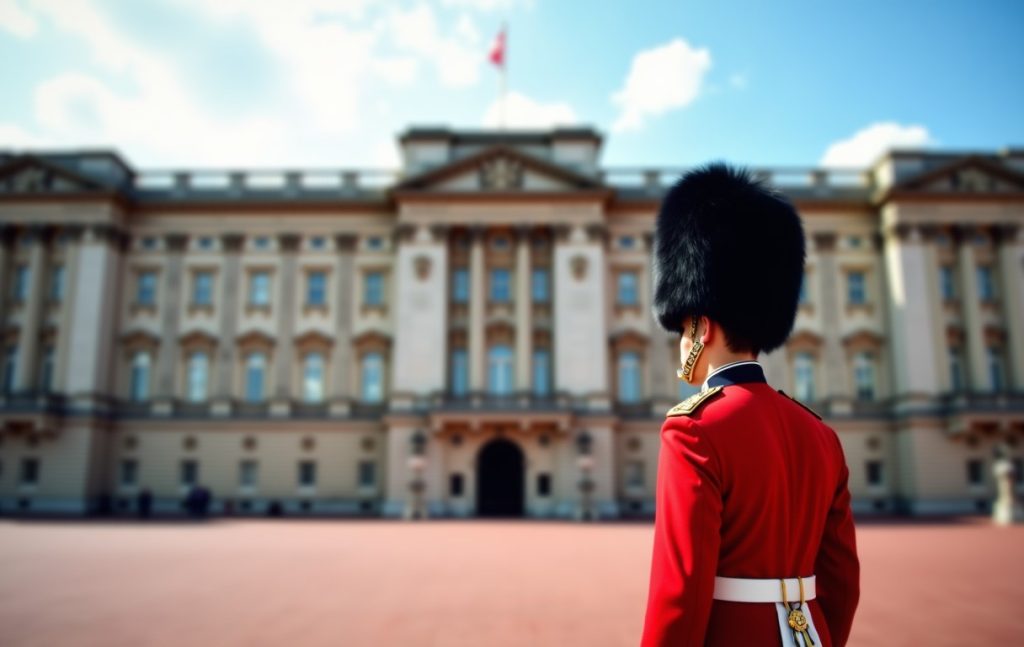
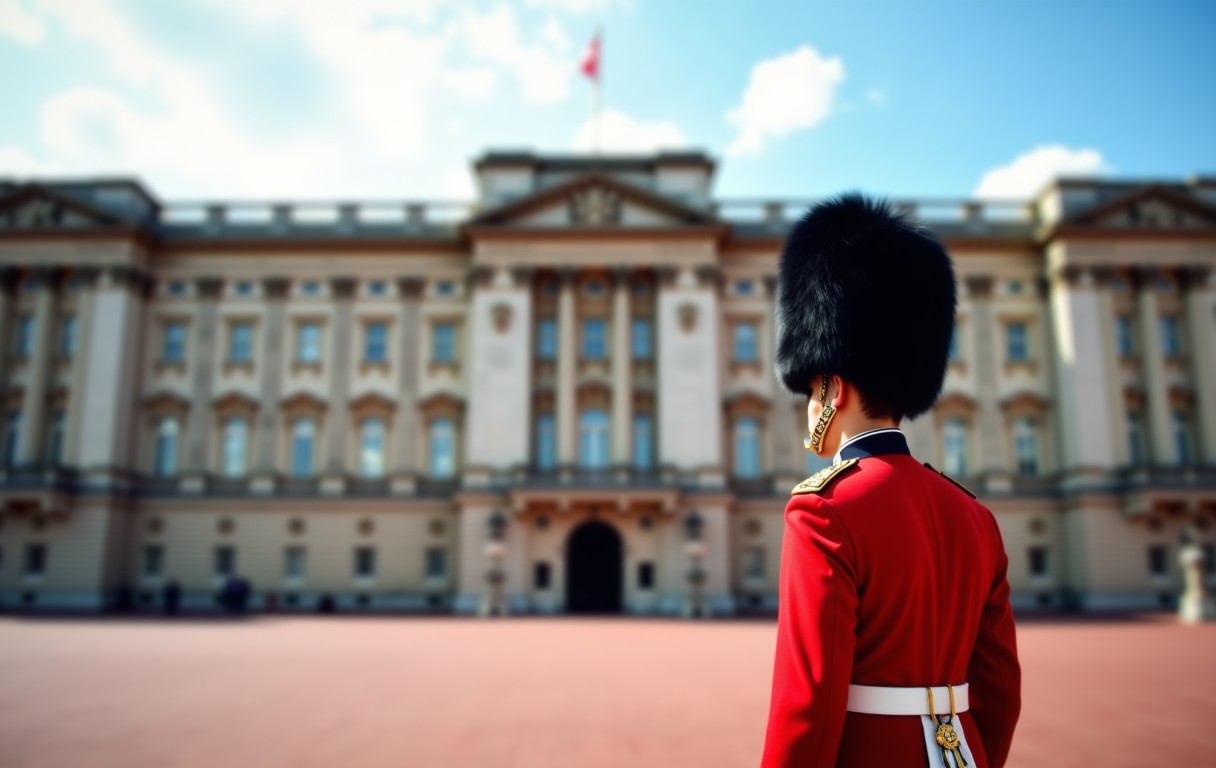
For breathtaking Observation points with city views in London, visitors often head to elevated spots like the palace forecourt. Buckingham Palace has been the official residence of the sovereign since 1837, and its 775 rooms are still used for state banquets and investitures. The best time to visit is during the summer opening, when the State Rooms are accessible and you can walk through the same corridors where Queen Elizabeth II once greeted world leaders. Tickets sell out weeks in advance, so book online as soon as you know your travel dates.
The Changing of the Guard ceremony happens most mornings between May and July, and on alternate days for the rest of the year. Arrive by 10.30 am to secure a spot near the railings; the music starts at 10.45 am and the actual handover takes place at 11 am. If you want to avoid the crowds, watch the Old Guard march from St James’s Palace to Buckingham Palace at 10.25 am instead. The entire route is lined with mounted police and soldiers in scarlet tunics, making it one of the most photogenic moments in the city.
The Tower of London and the Crown Jewels
A visit to London churches worth exploring should be on every traveler’s list, even if the itinerary includes royal landmarks. Built by William the Conqueror in 1078, it has been a fortress, a palace, a prison and a treasury. The Crown Jewels exhibition is the highlight; the collection includes the Imperial State Crown, which contains 2,868 diamonds, 17 sapphires, 11 emeralds and 269 pearls. The queue can stretch for 45 minutes during peak season, so arrive right at opening time or book a timed ticket online. Once inside, the display is cleverly designed so that you move along a travelator while the jewels glide past, giving everyone a clear view without crowding.
After the jewels, spend time with the Yeoman Warders, or Beefeaters. For those who prefer exploring at their own pace, Self-guided walking tours in London are a great alternative to scheduled guided options. They mix history with humour, explaining how Anne Boleyn lost her head and why the ravens are kept at the Tower. If you visit on a Tuesday evening between May and July, you can watch the Ceremony of the Keys, the 700-year-old locking-up ritual. Tickets are free but must be requested in writing at least six weeks in advance.
Westminster Abbey and the Coronation Chair
Westminster Abbey has hosted every coronation since 1066. The current building dates from 1245, and its Gothic arches and stained glass create an atmosphere of solemn grandeur. The Coronation Chair, made in 1300 for Edward I, is still used today; it sits in St George’s Chapel, surrounded by velvet ropes. You can see it without joining a tour, but the verger-led tours that run several times a day give you access to the Quire, where the actual coronation takes place, and the Chapter House, which has one of the oldest tile floors in England.
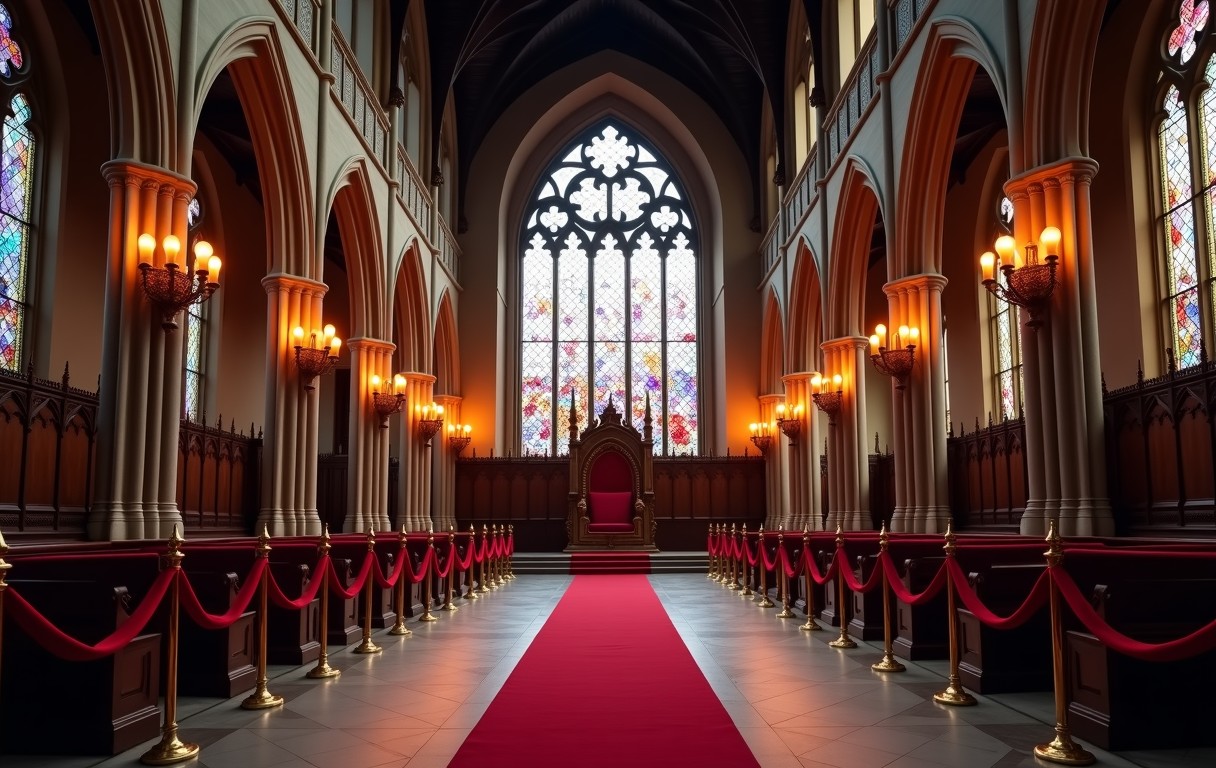
Look out for the small wooden door on the north side of the nave. It leads to the Abbey Museum, where you will find the death masks of Elizabeth I and Mary Queen of Scots, along with the wax effigies that were once carried in royal funeral processions. If you time your visit for Evensong, you can hear the choir sing in the same space where Handel’s coronation anthems were first performed.
Kensington Palace and the King’s State Apartments
Kensington Palace is often overshadowed by Buckingham Palace, but it has a more intimate feel and a fascinating mix of old and new. The King’s State Apartments were designed for William III and Mary II in the 1690s, and the rooms are still decorated with their original oak panelling and ceiling paintings. The most striking space is the Cupola Room, where the future George III was christened; its domed ceiling is covered in gilded cherubs and musical instruments.
The palace also houses the Victoria Revealed exhibition, which tells the story of Queen Victoria’s childhood and reign through her own diaries and personal items. You can see the dolls she played with as a girl, the simple black dress she wore after Albert’s death, and the tiny pair of shoes she wore at her wedding. The gardens are free to enter and include the Sunken Garden, which was redesigned in 2021 as a memorial to Princess Diana. The planting is at its best from April to September, when the roses and lavender are in full bloom.
Hampton Court Palace and Henry VIII’s Great Hall
A short train ride from Waterloo takes you to Hampton Court Palace, the Tudor masterpiece that Henry VIII expanded into a pleasure palace. The Great Hall is the largest surviving medieval hall in England, with a hammer-beam roof and tapestries that depict the story of Abraham. The hall is still used for state banquets, and the long table is set with silver gilt as if a royal feast is about to begin. Next door, the Chapel Royal has a ceiling painted with cherubs and a hidden musicians’ gallery where Henry’s court musicians would have played.
The palace gardens are just as impressive as the buildings. The Privy Garden was recreated in 1995 using a 1702 painting as a guide, and the Great Vine, planted in 1768, still produces grapes every autumn. If you visit in July, you can watch the annual Hampton Court Palace Flower Show, which fills the grounds with temporary gardens and floral displays. The maze, planted in 1700, is the oldest hedge maze in the country and a favourite with children.
The Banqueting House and the Execution of Charles I
Tucked away on Whitehall, the Banqueting House is the last surviving part of the Palace of Whitehall, which was once the largest royal palace in Europe. Built in 1622, it was designed for lavish court masques and banquets. The ceiling, painted by Rubens, shows the apotheosis of James I and is the only surviving in-situ ceiling painting by the artist. The room is still used for receptions, so check the website before you visit to make sure it is open to the public.
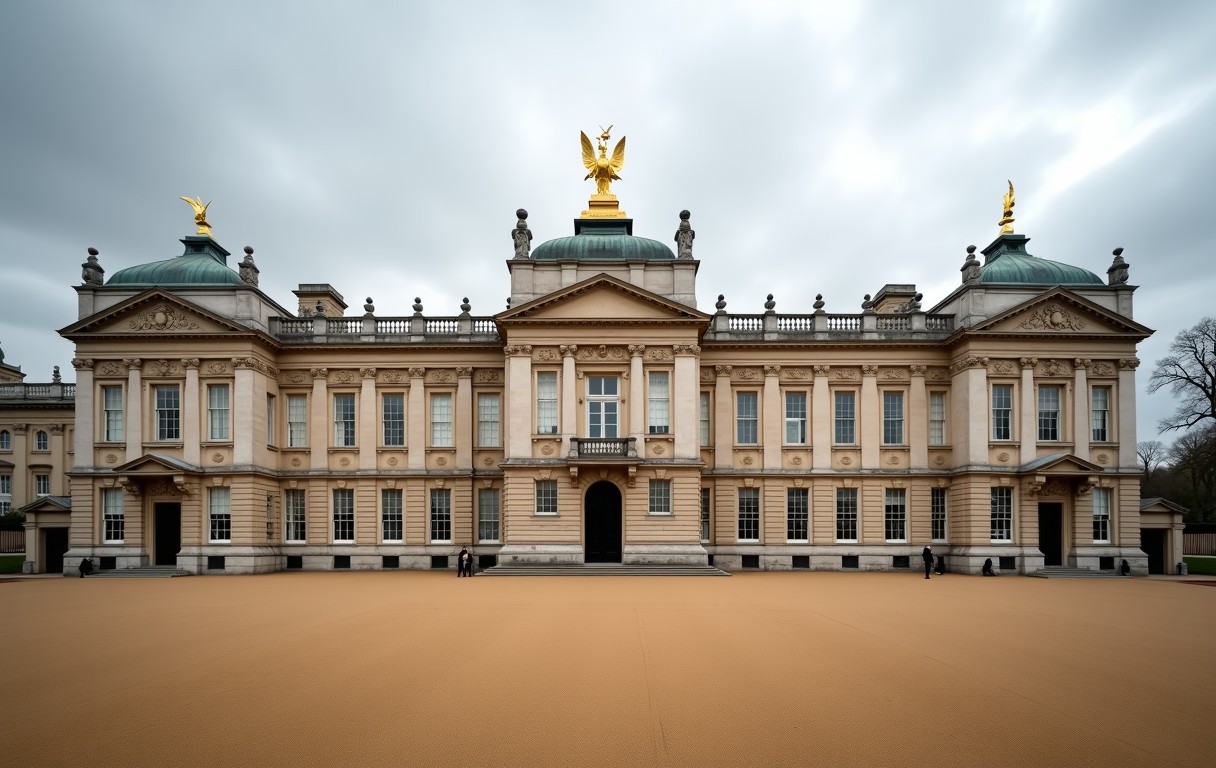
The most dramatic moment in the building’s history took place on 30 January 1649, when Charles I stepped out of a first-floor window onto a scaffold and was beheaded. The spot is marked by a small plaque on the pavement outside. The Banqueting House is small enough to explore in under an hour, making it an ideal stop if you are walking from Trafalgar Square to the Houses of Parliament. After your visit, cross the road to the Household Cavalry Museum, where you can watch the mounted soldiers prepare for the Changing of the Guard at Horse Guards Parade.
Greenwich and the Royal Naval College
Greenwich is often overlooked by visitors focused on central London, but it is one of the best places to experience royal history in a maritime setting. The Old Royal Naval College was designed by Christopher Wren as a retirement home for sailors, but it was also used for royal banquets and ceremonies. The Painted Hall, often called Britain’s Sistine Chapel, has a ceiling covered in allegorical scenes celebrating the Protestant succession. The hall is free to enter, and the volunteer guides are happy to point out details you might otherwise miss, such as the tiny portrait of Queen Anne hidden among the clouds.
The nearby Queen’s House, built for Anne of Denmark in 1616, was the first classical building in England. It now houses the National Maritime Museum’s art collection, including portraits of Elizabeth I and Nelson. The view from the Queen’s House across the Royal Park to the Royal Observatory is one of the most photographed in London. If you have time, walk up the hill to the observatory to stand on the Prime Meridian Line, where you can straddle the eastern and western hemispheres.

I love exploring London’s hidden corners and sharing what I discover with fellow travellers. When I’m not wandering the streets of the capital, I enjoy writing detailed guides that help others make the most of their visit.