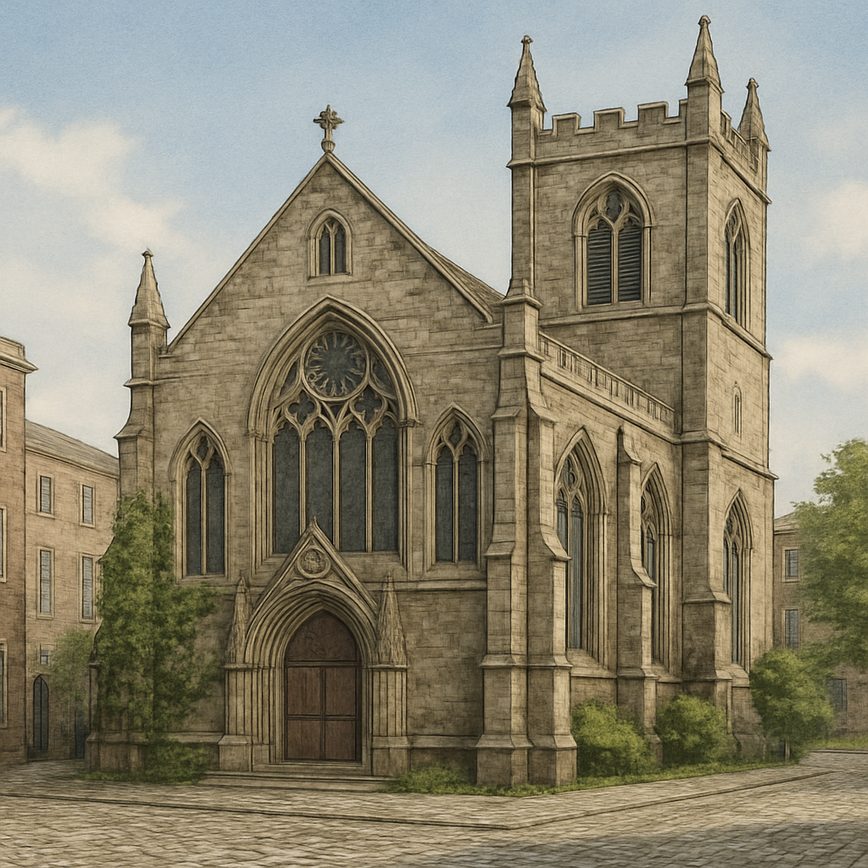
Historic London Churches to Explore
London is home to some of the most iconic historic churches London has to offer, each reflecting the rich tapestry of the city’s religious and cultural history. These ancient London churches stand as remarkable architectural achievements, showcasing styles ranging from Norman to Gothic and Baroque, each telling a unique story of faith and community over the centuries.
One of the most significant historical places London boasts is Westminster Abbey. Known for its stunning Gothic architecture, the Abbey has been the coronation church since 1066 and serves as the final resting place for many monarchs and notable figures. Its tall, pointed arches and intricate stained glass windows exemplify the grandeur of medieval ecclesiastical design. Visiting Westminster Abbey offers a deep insight into England’s spiritual and royal heritage, making it a must-see among historic churches London.
Another architectural gem is St Paul’s Cathedral, a masterpiece of the Baroque style designed by Sir Christopher Wren. Rebuilt after the Great Fire of London in 1666, St Paul’s stands out with its magnificent dome, which dominates the London skyline. This church not only serves as a place of worship but also as a symbol of resilience and renewal in the city’s history. It holds a vital place in London’s cultural narrative, hosting significant ceremonies and events that mark the nation’s milestones.
Among the ancient London churches, Southwark Cathedral is particularly noteworthy. With roots dating back to the 12th century, it showcases a fusion of Gothic and Norman architectural elements. As one of the oldest religious sites in London, it played a significant role in the religious life of the city throughout the medieval period and continues to be a vibrant part of London’s spiritual scene today.
These historic churches London are not merely places of worship; they are custodians of history. They represent architectural evolution and reflect London’s dynamic cultural landscape. Exploring these ancient London churches offers a captivating journey through time, revealing layers of religious devotion, artistry, and historical significance that define London’s essence as a city of profound historical places.
St Paul’s Cathedral
St Paul’s Cathedral stands as one of London’s most iconic landmarks, a masterpiece of architecture designed by Sir Christopher Wren after the Great Fire of London in 1666. This Christopher Wren church replaced an earlier medieval structure and has since been a symbol of resilience and grandeur in the heart of the city. Its magnificent dome, inspired by St Peter’s Basilica in Rome, dominates the London skyline and offers breathtaking views for visitors brave enough to climb its 528 steps.
The cathedral’s history is rich and deeply woven into the fabric of London’s story. It has hosted many significant events, including the funerals of Lord Nelson and Sir Winston Churchill, as well as the wedding of Prince Charles and Lady Diana Spencer. Visitors today can explore its stunning nave, the whispering gallery where secrets are carried by sound, and the crypts housing the tombs of notable figures including Wren himself.
A visit to St Paul’s is not only a chance to admire its architectural brilliance but also an immersive experience in London history and culture. The cathedral offers guided tours, a multimedia exhibition, and regular services, making it a meaningful stop for tourists and worshippers alike. Whether marveling at its art, listening to the majestic organ, or reflecting in its serene gardens, St Paul’s Cathedral remains a must-see attraction in London.
Westminster Abbey
Westminster Abbey stands as one of the most significant historic abbeys in London, deeply woven into the fabric of British history. This iconic religious structure has been the traditional site for royal ceremonies London-wide, including coronations, royal weddings, and funerals, making it a living testament to the UK’s monarchical heritage. Since the coronation of William the Conqueror in 1066, every English and later British monarch has been crowned in this magnificent abbey, underscoring its importance in royal tradition.
Architecturally, Westminster Abbey is a stunning example of Gothic design, with its soaring pointed arches, intricate stone carvings, and magnificent stained glass windows. Its layout and grandeur reflect the medieval craftsmanship and religious artistry that has been preserved over centuries. The abbey also houses the tombs of many notable figures in British history, including monarchs, poets, and scientists, contributing to its rich cultural legacy.
Visitors to Westminster Abbey can admire the exquisite details in the Lady Chapel, the Coronation Chair, and the impressive nave that inspire awe and respect. The abbey’s royal connections and architectural highlights make it an essential destination for anyone interested in exploring London’s heritage and the enduring legacy of its monarchy.
Architectural Marvels Among London Churches
London is home to a stunning array of architectural churches that stand as testaments to the city’s rich and varied history. From medieval Gothic masterpieces to innovative modern designs, the architectural churches in London offer a captivating glimpse into different eras and styles, each unique in its own right. This diversity not only reflects the evolution of church design but also the broader cultural and historical shifts that have influenced the capital over the centuries.
One of the most iconic examples of London church designs is Westminster Abbey. This Gothic marvel, with its soaring pointed arches, intricate stained glass windows, and flying buttresses, epitomizes the medieval style of church architecture. Its grandeur and detail convey a sense of reverence and history, having hosted countless royal ceremonies and events. Westminster Abbey remains an enduring symbol of England’s architectural heritage.
Moving forward in time, the Baroque style is magnificently represented by St. Paul’s Cathedral. Designed by Sir Christopher Wren in the late 17th century, this architectural church in London features a magnificent dome that dominates the city’s skyline. Its classical elements combined with innovative structural techniques mark a departure from the Gothic tradition, showcasing the versatility and grandeur of London church designs through history.
For those interested in unique church architecture, the modern Coventry Cathedral stands out remarkably. Rebuilt after World War II, it beautifully contrasts the ruins of the old cathedral with a bold, contemporary design focused on light, space, and symbolism. This blend of old and new speaks to the resilience and renewal that characterize much of London’s church architecture heritage.
Another must-visit is the Temple Church, known for its distinctive circular nave, a rare architectural feature in London churches. Built by the Knights Templar in the 12th century, this church combines Romanesque and Gothic styles, making it an architectural gem that reveals the medieval military-religious history of the city.
These examples highlight just a fraction of the architectural wonders that London churches embody. Each structure tells a different story through its design, materials, and artistic details, making a visit to these churches not only a spiritual journey but also a voyage through the chronological tapestry of London’s architectural evolution.
In exploring these architectural churches London has to offer, visitors can appreciate the dynamic interplay of tradition and innovation. London’s church designs celebrate diverse architectural periods, from Gothic and Baroque to modernist expressions, providing a unique cultural experience that enriches any exploration of the city.
All Hallows by the Tower
All Hallows by the Tower stands as one of the most remarkable medieval London churches, bearing centuries of rich history and architectural beauty. Founded in 675 AD, it is the oldest church in the City of London, showcasing an extraordinary blend of early English medieval and later architectural styles that reflect the passage of time and changing tastes. The church’s fabric tells a story of resilience; despite suffering damage during the Blitz in World War II, much of its medieval structure survived, allowing visitors to experience its historic ambiance firsthand.
The architectural features of All Hallows church are striking, with impressive stonework, ancient wooden beams, and beautiful stained glass windows that depict biblical scenes and London’s ecclesiastical heritage. The church’s layout includes a long nave, intricate vaulted ceilings, and a traditional cruciform design that aligns with its historical origins. Notably, the presence of Saxon and Norman elements in the church’s walls and arches emphasizes its significance as a medieval London church that has withstood the trials of centuries.
More than just a place of worship, All Hallows by the Tower holds great significance as a monument to London’s ecclesiastical history and architectural heritage. Its proximity to the Tower of London adds to its prominence, and it serves as a tangible connection to the city’s religious and cultural past. Visiting this historic church allows one to appreciate the meticulous craftsmanship of medieval builders and the importance of preserving such architectural marvels as symbols of London’s enduring legacy.
St Martin-in-the-Fields
St Martin-in-the-Fields is a stunning example of a neo-classical church in London, admired both for its architectural beauty and its prominent cultural role. Situated in the heart of central London, it graces the northeast corner of Trafalgar Square, making it one of the most recognizable central London churches. The church’s neo-classical design is characterized by its elegant portico with Corinthian columns, a towering steeple, and clean, harmonious proportions that reflect the ideals of classical antiquity.
Beyond its architectural significance, St Martin-in-the-Fields plays a vital cultural role. It serves as a hub for community outreach, music, and the arts, regularly hosting concerts and charity events that attract both locals and visitors alike. The church’s crypt houses a café and an outreach center, symbolizing its commitment to social justice and support for vulnerable members of society. Its location in Trafalgar Square also places it at the center of London’s vibrant cultural landscape, surrounded by museums, galleries, and historic landmarks.
As one of the most important central London churches, St Martin-in-the-Fields manages to blend spiritual heritage with active community engagement, all housed within a beautiful neo-classical architectural masterpiece. Whether you are admiring its façade from Trafalgar Square or enjoying a performance inside, it remains a must-visit destination for those exploring the rich tapestry of London’s church buildings.
Hidden Gems: Lesser-Known London Churches
While London’s iconic churches like St Paul’s Cathedral and Westminster Abbey draw countless visitors, the city holds many hidden churches London explorers will find enchanting. These off the beaten path churches offer a quieter, more intimate experience, enriched with fascinating histories and unique architectural charm. For those keen to uncover secret London churches, a tour beyond the famous landmarks reveals a treasure trove of spiritual and cultural gems.
One such hidden church is St Dunstan in the East, nestled between the Tower of London and London Bridge. This beautiful ruin was partially destroyed during the Blitz of World War II and has since been transformed into a serene garden, blending nature with the remnants of gothic stone walls. It stands as a poignant reminder of London’s resilience and offers a peaceful retreat from the bustling city streets.
Another lesser-known church deserving a visit is St Mary Aldermary near St Paul’s. This historic Wren church boasts an exquisite interior filled with intricate woodwork and stunning stained glass that many tourists overlook. Its tranquil atmosphere and quaint courtyard make it a perfect spot for quiet reflection or a pause in sightseeing.
For those interested in more off the beaten path churches, St Etheldreda’s Church in Ely Place provides a unique experience. This Roman Catholic church dates back to the 13th century and is one of the oldest Catholic churches in England still in use. Its beautiful medieval architecture and richly decorated interior are a fascinating sight for history enthusiasts and those looking to explore secret London churches with deep roots.
Visiting these hidden churches London has to offer not only enriches your knowledge of the city’s religious and architectural heritage but also presents moments of calm and beauty away from the usual crowds. Each church tells its own story, inviting visitors to explore the layers of London’s past nestled quietly among the modern cityscape. For anyone eager to discover secret London churches filled with charm and history, these hidden gems are well worth the visit.
St Dunstan-in-the-East
Visiting St Dunstan-in-the-East offers a unique and enchanting experience, combining history and nature in one of London’s most charming hidden spots. This ruined church London stands out not just for its gothic architectural remnants but also for its transformation into a beautiful hidden garden London where visitors can escape the city’s hustle and bustle. The church itself dates back to the 12th century and was severely damaged during the Blitz in World War II. Although the building was never fully restored as a place of worship, its ruins were preserved and converted into a public garden in the 1970s, breathing new life into the site.
The garden is a serene oasis tucked away among the skyscrapers of the modern city, with lush greenery weaving through the stone arches and crumbling walls. It offers a peaceful refuge where people can stroll, relax, and reflect surrounded by vines, flowers, and birdsong. The blend of old stonework and vibrant foliage creates a striking visual contrast that captures the imagination and invites contemplation. Whether you’re a history enthusiast intrigued by the church’s long past or simply searching for a quiet spot away from crowded tourist paths, St Dunstan-in-the-East provides a captivating experience that connects London’s heritage with its green spaces seamlessly.
Exploring this ruined church London transformed into a hidden garden London highlights the resilience of spaces and their ability to adapt and inspire new uses. It’s a must-visit for those wanting to uncover lesser-known parts of London’s rich tapestry and enjoy a moment of calm amid the energy of the city.
St Bride’s Church
St Bride’s Church is one of London’s most iconic religious landmarks, famously associated with Fleet Street, the historic heart of the British press. Known as the Fleet Street church, it has long served as a spiritual home for journalists and publishers based in the area. The church’s location places it at the intersection of media history and architectural wonder, making it a must-visit site for those exploring London’s heritage.
What truly sets St Bride’s Church apart is its distinctive tiered spire, often affectionately nicknamed the “wedding cake church” due to its unique, layered design. This striking architectural feature not only makes the church instantly recognizable but also demonstrates the creativity of its architect, Sir Christopher Wren. After the Great Fire of London in 1666, Wren rebuilt the church, giving it its current Baroque style and the elegant spire that has become a symbol of the city’s resilience and beauty.
Visitors to St Bride’s Church can admire both its historical significance and its beautiful design. The interior offers a peaceful retreat amidst the bustling city, while the spire stands tall as a beacon of London’s rich cultural tapestry. Whether you’re interested in history, architecture, or simply want to experience a notable piece of Fleet Street’s legacy, St Bride’s Church is a location worth visiting.

I love exploring London’s hidden corners and sharing what I discover with fellow travellers. When I’m not wandering the streets of the capital, I enjoy writing detailed guides that help others make the most of their visit.