Introduction to London’s Canals and Waterside Walks
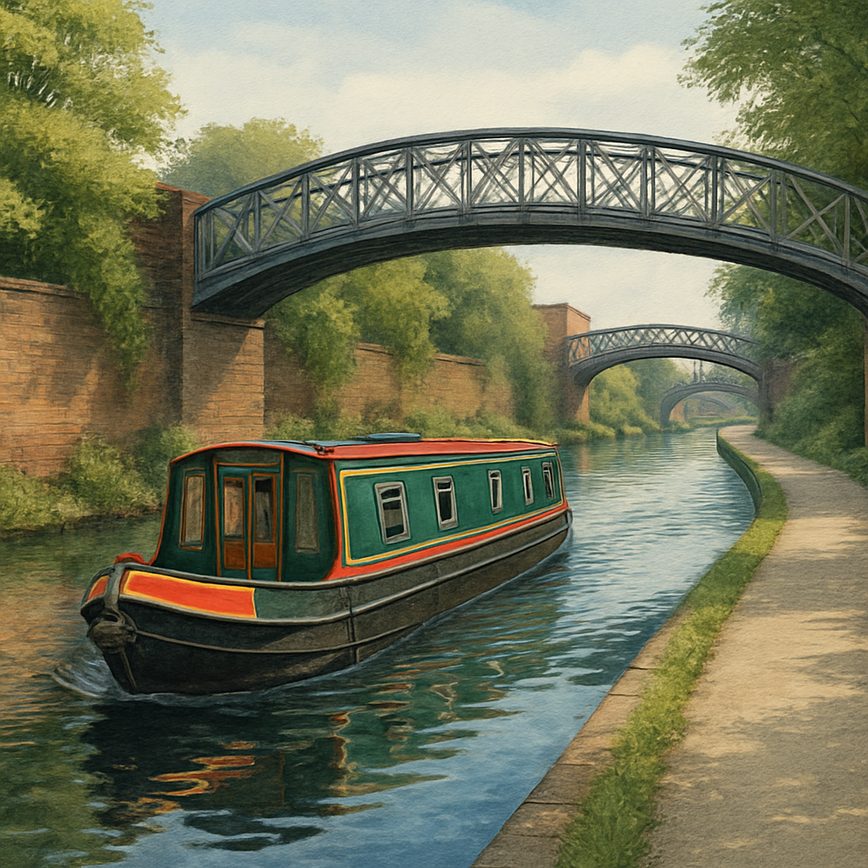
London’s canals and waterside walks offer a captivating blend of urban charm and natural beauty, creating a unique escape within the city’s bustling environment. These serene waterways, winding through historic neighborhoods, provide a peaceful retreat that contrasts the dynamic rhythm of contemporary London life. For those seeking leisurely urban nature walks, London’s canals present an ideal option, inviting both locals and visitors to experience the city from a refreshing perspective.
The canals of London are steeped in history and reflect the city’s industrial heritage. Originally constructed in the 18th and 19th centuries to facilitate the transportation of goods, these waterways played a crucial role in shaping the economy and infrastructure of the metropolis. Today, they stand as living monuments to this rich past, with charming towpaths and historic warehouses repurposed as trendy cafés, art galleries, and homes, creating a vibrant waterside culture.
Walking along the canals offers a rare glimpse into London’s hidden corners, where nature and heritage intertwine seamlessly. The waterside walks London enthusiasts cherish often reveal unexpected wildlife, from kingfishers darting above the water to swans gliding gracefully along the banks. These urban nature walks invite exploration, encouraging mindfulness and providing a refreshing contrast to crowded city streets.
Whether you’re drawn to the scenic beauty, the historical significance, or simply the tranquility amidst urban hustle, London’s canals and waterside walks embody the perfect harmony of city life and nature. They continue to inspire photographers, artists, and outdoor lovers alike, offering year-round opportunities to enjoy the changing seasons along the water. Exploring these paths enriches your understanding of London’s layered identity, making each walk a journey through time and tranquility.
Historical Background of London’s Canals
London canal history dates back to the late 18th and early 19th centuries when canals were constructed as vital arteries of transport during the industrial revolution. These waterways were engineered to connect key industrial areas, facilitating the movement of raw materials like coal, timber, and building supplies, as well as finished goods. The canal heritage of London is deeply tied to this period of rapid industrial growth, with notable canals such as the Regent’s Canal and the Grand Union Canal playing central roles in the city’s economic expansion. These canals enabled more efficient and cost-effective transportation compared to road or rail at the time, contributing significantly to the industrial revolution canals network across England.
As industries evolved and road and rail transport became dominant in the 20th century, many London canals fell into disuse, becoming neglected and derelict. However, rather than disappearing altogether, these historic waterways have been transformed over recent decades. The industrial revolution canals have since evolved into cherished recreational spaces, preserving their canal heritage while serving new functions. Today, London’s canals are lined with walking and cycling paths, inviting locals and visitors to enjoy peaceful waterside walks and outdoor leisure activities. This shift from industrial transport routes to green & blue urban retreats highlights the ongoing importance and adaptability of London’s historic canals.
Why Choose Waterside Walks in London?
Waterside walks in London offer a unique blend of relaxation and exercise, making them one of the best urban walking routes available. The gentle flow of canals and rivers creates a peaceful environment, perfect for those looking to unwind from the hustle and bustle of city life. Strolling along these scenic paths, you can enjoy a calming atmosphere that encourages mindfulness and stress relief.
In addition to mental relaxation, these waterside walks provide excellent opportunities for physical activity. Walking is an accessible and low-impact exercise that helps improve cardiovascular health, boost mood, and enhance overall fitness. These routes often feature flat and well-maintained paths, making them suitable for people of all ages and fitness levels.
Another significant benefit of exploring waterside walks in London is the chance to connect with nature within an urban setting. The waterways attract various wildlife, from waterfowl and fish to unique plant species, offering delightful moments of discovery for nature enthusiasts. This natural interaction enriches the experience and adds an educational element to your walk.
Ultimately, waterside walks combine the benefits of healthy outdoor activities with the serenity of peaceful city views. Whether seeking a quiet escape, a refreshing workout, or an encounter with urban wildlife, these routes provide a rewarding way to explore London’s vibrant landscape.
Top Canal Walks to Explore in London
London offers some of the best canal walks perfect for those seeking popular waterside routes with a blend of urban charm and natural beauty. Whether you’re a casual stroller or an avid walker, these canal walk guides showcase the most scenic paths, vibrant communities, historic landmarks, and tranquil spots along the water. Here is a curated list of the top canal walks in London that promise delightful experiences and picturesque views.
- Regent’s Canal Walk from Little Venice to Camden: This iconic route is among the best London canal walks, featuring charming narrowboats, tree-lined paths, and lively markets at Camden. Walkers will enjoy passing the famous London Zoo and scenic St. Pancras Lock, with opportunities to spot a variety of birds and other wildlife along the canal.
- Grand Union Canal Walk near Paddington: Starting at Paddington Basin, this easy-to-follow waterside route takes you through a mix of modern architecture and historic sites. Expect peaceful waterside cafés, public art installations, and the occasional canal boat as you stroll along the towpath, perfect for a relaxing day out.
- Lee Navigation Canal Path: This lesser-known but popular waterside route provides a more rural feel despite being in London. The walk passes through open green spaces, waterside pubs, and quaint villages. Keep an eye out for kingfishers and swans that frequent the canal banks here.
- Hertford Union Canal Walk: Connecting the Regent’s Canal to the River Lea, this short but scenic walk delights with peaceful waters, lush greenery, and historic canal locks. Ideal for a brief yet refreshing escape into nature without leaving the city limits.
- Thames Path and Canal Walks in Limehouse: Combining the river and canal experience, this route takes you through historic docks, old warehouses turned into apartments, and charming marinas. The mix of waterside vistas offers a unique perspective on London’s maritime heritage.
Each of these popular waterside routes not only highlights the diverse character of London’s canals but also offers well-marked paths and plenty of opportunities for rest and refreshment. Use these canal walk guides to plan your adventure and discover the scenic, tranquil parts of London often missed by the usual tourist trails.
Regent’s Canal Walk
The Regent’s Canal walk is one of London’s most enchanting walking routes, offering a picturesque journey through some of the city’s most iconic and vibrant waterside areas. Beginning at the bustling Camden Market, this route immediately immerses walkers in a blend of lively street culture and historic waterways. Camden Market itself is a treasure trove of eclectic shops, food stalls, and live music, making it a perfect starting point for an exploration of Regent’s Canal.
Strolling along the canal, you’ll soon reach Little Venice, a serene and charming spot where the canal widens into a peaceful basin surrounded by houseboats and waterside cafes. This area highlights the unique canal boat life that is an essential part of London’s waterways culture, with colorful boats moored along the banks and a friendly community of boat dwellers who maintain this living heritage.
The walk combines urban energy with tranquil waterside views, giving a true sense of the diverse experiences the canal offers. Whether watching the boats drift by, enjoying a waterside coffee, or simply taking in the greenery, the Regent’s Canal walk is a captivating way to see a different side of London. It’s highly recommended for anyone looking to combine a peaceful riverside ramble with the vibrant atmosphere of London’s waterside communities and markets.
Grand Union Canal Path
The Grand Union Canal Path offers a wonderful London waterside walk that stretches over 135 miles, connecting London to Birmingham. In the city, this historic canal route provides a peaceful escape from the urban hustle, winding through scenic green spaces and alongside charming waterside communities. The path is ideal for walkers, cyclists, and nature lovers keen to experience a blend of city and countryside.
Starting from Paddington Basin, the canal path meanders through several parks and recreation areas, including Little Venice, a picturesque spot where the canal meets other waterways. Further along, you’ll find yourself surrounded by lush greenery and tranquil waters, offering perfect spots for picnics or leisurely breaks. The route’s accessibility and natural beauty make it a favourite among locals and visitors alike seeking a refreshing outdoor activity.
As you follow the Grand Union Canal, keep an eye out for historic landmarks that tell the story of Britain’s industrial and transport heritage. Notable sights include old warehouses converted into modern homes and the iconic canal locks that were essential for navigating changes in elevation. The blend of these landmarks with the canal’s natural environment creates a unique walking experience filled with history and relaxation.
This London waterside walk along the Grand Union Canal is perfect for exploring both heritage and nature, providing an accessible route that’s rich in charm and historical significance.
River Thames Path Alongside Canals
One of the most captivating aspects of the River Thames walk is how the path frequently intersects or runs close to various canals, offering a rich and diverse waterside walking London experience. As you follow the Thames and canal routes, you’ll discover charming contrasts between the bustling river traffic and the quieter tranquility of canal boats and towpaths.
For instance, in areas like Little Venice, the River Thames path meets the Regent’s Canal, where you can enjoy the peaceful canal waters lined with colorful barges and quaint waterside cafes. This convergence creates the perfect spot for a refreshing break or a scenic detour from the main river route. Similarly, towards the east, the Thames Path runs near the Limehouse Cut, one of London’s oldest canals, giving walkers a glimpse into the city’s industrial past and a different perspective of waterside walking London.
These intersecting paths not only enhance the walking experience but provide opportunities to explore diverse wildlife and historical landmarks along the waterways. Whether you’re a casual stroller or an avid walker, taking advantage of these Thames and canal routes enriches your journey, blending the natural beauty of riverside scenery with the unique charm of London’s canals.
Tips for Enjoying Canals and Waterside Walks Safely
Exploring London’s canals and waterside walks is a delightful way to enjoy the city’s unique charm and tranquility. To ensure your experience is both enjoyable and safe, there are several practical canal walking tips and safety considerations to keep in mind. Proper walking preparation can make all the difference in having a pleasant outing without any unexpected issues.
First, always wear comfortable, sturdy footwear suited for walking on uneven surfaces. Canal paths can sometimes be narrow, slippery, or muddy, especially after rain, so shoes with good grip will help prevent slips and falls. Dress appropriately for the weather—layered clothing works well as it can get cooler near the water, even on warmer days.
Before setting out, it’s wise to check the weather forecast and plan your walk around favorable conditions. Early mornings or late afternoons often provide the best light for scenic views and a quieter atmosphere, making your waterside walk more relaxing and enjoyable. Avoid visiting during heavy rain or extreme weather, as paths may become hazardous.
Stay alert to your surroundings for your own safety. Some canal areas may have limited lighting after dusk, so it’s best to plan your walks during daylight hours. If you want to walk near busy waterways, keep a safe distance from the edge to avoid accidental falls. When walking with children or pets, hold onto them securely and be extra cautious around the water.
Carrying a small backpack with essentials like water, snacks, a fully charged mobile phone, and a basic first aid kit is also recommended. This preparation ensures you stay hydrated and have the means to call for help if needed. Additionally, familiarize yourself with the route beforehand using maps or apps that highlight canal walking paths and access points.
By following these canal walking tips and waterside safety guidelines, you can fully enjoy the peaceful beauty of London’s waterways. Remember, careful walking preparation and awareness of your environment will help you have a safe, memorable adventure by the canals.
Best Times of Year for Waterside Walks
When planning your canal and waterside walks in London, understanding the walking seasons London experiences can enhance your strolls immensely. The best walking seasons for these scenic routes are typically spring and autumn. During spring, mild temperatures and blossoming flora create a vibrant and refreshing atmosphere along the canals. Autumn offers cooler weather and beautifully changing leaf colors that complement the tranquil waterside views perfectly.
Canal walk weather plays a crucial role in your enjoyment. Clear, crisp days with little rain are ideal to avoid muddy paths and puddles, making your walk more comfortable and safer. While summer can be pleasant, it often brings higher humidity and occasional heat, which might be less comfortable for longer walks. Winter is generally less favored for waterside walks due to colder temperatures and shorter daylight hours, though some may appreciate the quiet ambiance during this season.
| Season | Weather Considerations | Seasonal Walking Tips |
|---|---|---|
| Spring | Mild temperatures, blooming flowers, occasional showers | Wear waterproof shoes, carry light rain gear, enjoy floral sights |
| Summer | Warmer days, occasional humidity, longer daylight | Use sunscreen, bring water, choose early mornings or evenings |
| Autumn | Cooler temperatures, colorful foliage, less rain than spring | Dress in layers, wear sturdy shoes for falling leaves |
| Winter | Cold, shorter days, possible frost or ice | Wear warm clothes, check weather forecasts, walk during daylight |
Safety Measures and Walking Etiquette
When enjoying the scenic routes along London’s canals and waterside walks, it’s vital to prioritize walking safety to ensure a pleasant experience for everyone. Always stay alert and be mindful of your surroundings, especially since these paths are often shared by pedestrians and cyclists alike. Walking on the designated side of the path helps avoid collisions and ensures smooth passage for all users.
Respecting canal path etiquette means keeping noise to a minimum and avoiding behavior that might disturb others. If you’re cycling, make sure to use a bell or call out politely when passing pedestrians, giving them enough space to safely move aside. Dogs should be kept on a short lead, and any waste responsibly cleared to maintain the cleanliness and enjoyment of the area for everyone.
Adhering to public pathway rules is also crucial. Avoid littering and dispose of rubbish in bins provided along the route. Keep to the paths and avoid trespassing on private property. Being courteous by slowing down near children, elderly visitors, or groups ensures that everyone can enjoy the natural environment safely and comfortably.
By following these simple walking safety guidelines and observing canal path etiquette, you contribute to a calming and respectful atmosphere. This shared responsibility helps preserve the beauty and accessibility of London’s waterways for all to enjoy, whether on foot or cycle.

I love exploring London’s hidden corners and sharing what I discover with fellow travellers. When I’m not wandering the streets of the capital, I enjoy writing detailed guides that help others make the most of their visit.