Where to Find London’s Hidden Science Stories on Your Next Visit
London’s skyline is packed with landmarks that tell stories of kings, queens and grand battles. Yet tucked between the Tower of London and Westminster Abbey are places where the city’s scientific past comes alive. These spots are not just for academics in white coats. They are perfect for curious travellers who want to see how discoveries shaped the modern world while enjoying a day out. From dinosaur skeletons to the birthplace of modern medicine, each location offers a mix of awe-inspiring exhibits and quiet corners where history was made. Best of all, most are within walking distance of each other, making it easy to weave science into a classic London itinerary.
The Natural History Museum: Dinosaurs, Darwin and Deep Time
The Natural History Museum on Cromwell Road is the obvious starting point for anyone interested in science history. Its grand terracotta facade, designed by Alfred Waterhouse in 1881, was meant to evoke a cathedral of nature. Inside, the Hintze Hall soars three storeys high, dominated by the skeleton of a blue whale suspended from the ceiling. The whale, named Hope, replaced the famous Diplodocus cast in 2017, marking a shift from prehistoric giants to modern conservation. The museum’s original purpose was to house the collections of the British Museum’s natural history department, which included specimens gathered by Charles Darwin during his voyage on the HMS Beagle. Today, visitors can see Darwin’s handwritten notes and some of the finches that helped him develop his theory of evolution.
The museum’s Earth Hall and Volcanoes and Earthquakes gallery take you beneath the planet’s surface. Interactive exhibits let you experience the ground shaking during the 1906 San Francisco earthquake, complete with a recreated street scene. The museum also runs behind-the-scenes tours that reveal how scientists prepare fossils and study meteorites. These tours are limited to small groups, so booking ahead is wise. The Wildlife Garden outside is a peaceful spot to reflect after the sensory overload of the galleries. It’s home to over 2,600 species of British plants and animals, a living reminder that science isn’t just about the past but also about protecting the future.
The Science Museum: From Steam Engines to Space Rockets
A short walk from the Natural History Museum, the Science Museum on Exhibition Road is where engineering and invention take centre stage. The museum opened in 1857 as part of the South Kensington complex, which was created after the Great Exhibition of 1851. Its galleries trace the evolution of technology, from the earliest steam engines to the Apollo 10 command module. The Energy Hall on the ground floor is a highlight, featuring James Watt’s original steam engine from 1777. This machine, which improved on earlier designs, was crucial in powering the Industrial Revolution. Nearby, you can see the first jet engine, developed by Frank Whittle in the 1930s, and a full-scale replica of the Wright brothers’ 1903 Flyer.
The museum’s third floor is dedicated to medicine, with exhibits that include Alexander Fleming’s original penicillin mould and a recreated 19th-century operating theatre. The Wellcome Wing, added in 2000, focuses on contemporary science, with interactive displays on genetics and artificial intelligence. One of the most popular attractions is the IMAX cinema, which screens documentaries on space exploration and natural phenomena. The museum also has a dedicated area for children, Wonderlab, where young visitors can conduct experiments and learn about physics through play. If you’re visiting with kids, this is a great place to let them burn off energy while sparking an interest in science.
The Old Operating Theatre: A Glimpse into 19th-Century Surgery
Hidden in the attic of St Thomas’ Church near London Bridge, the Old Operating Theatre is one of the city’s most atmospheric science landmarks. Built in 1822, it is the oldest surviving surgical theatre in Europe. At the time, surgery was a brutal affair, performed without anaesthesia or antiseptics. Patients were given opium or alcohol to dull the pain, and operations were conducted as quickly as possible. The theatre’s wooden floor is sloped so that medical students could watch procedures from the surrounding galleries. Today, the space is preserved almost exactly as it was, with original surgical instruments on display, including bone saws and amputation knives. Guides dressed in period costume demonstrate how operations were performed, offering a visceral sense of what it was like to be a patient or a surgeon in the early 1800s.
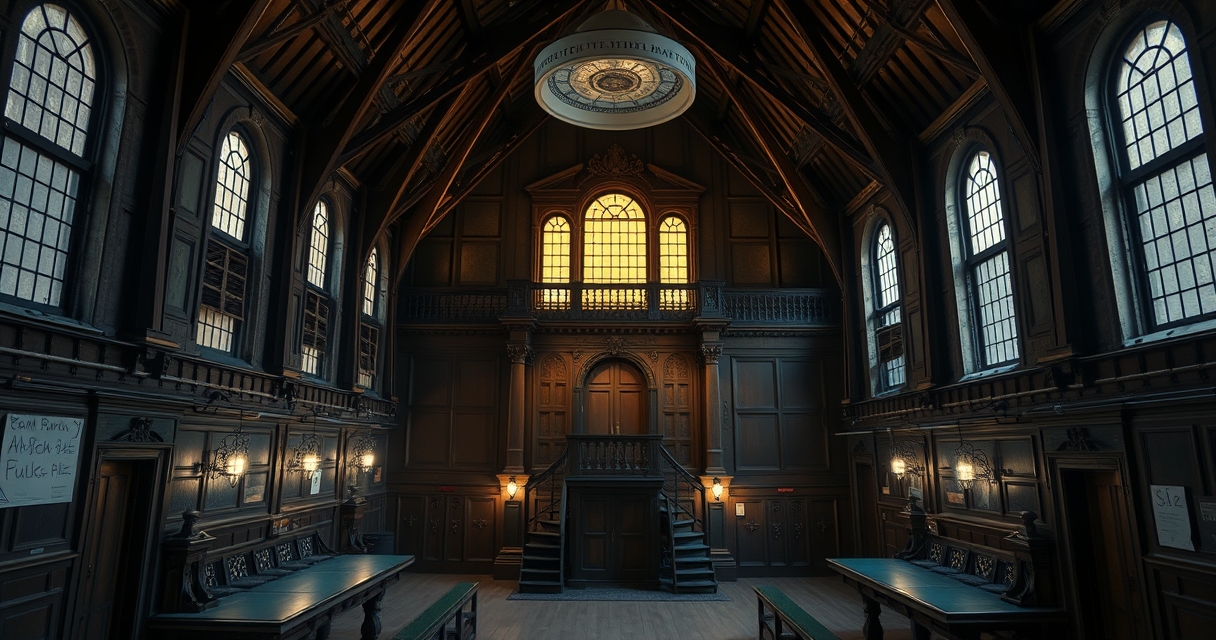
The museum is small but packed with detail. The herb garret next door was used to store medicinal plants, and displays explain how herbs like lavender and rosemary were used to treat ailments. The theatre is accessed via a narrow spiral staircase, which adds to the sense of stepping back in time. It’s not for the faint-hearted, but it’s a fascinating stop for anyone interested in the history of medicine. The museum is open daily, and entry is inexpensive, making it a great addition to a day exploring the South Bank. Nearby, the Shard offers a contrasting view of modern London, a reminder of how far medical science has come in just two centuries.
The Royal Institution: Where Science Became Public
The Royal Institution on Albemarle Street has been a hub of scientific discovery since 1799. Its founders, including the chemist Humphry Davy, wanted to make science accessible to the public, not just to academics. Davy’s lectures on chemistry were so popular that Albemarle Street became London’s first one-way street to manage the crowds. The institution’s most famous resident was Michael Faraday, who discovered electromagnetic induction here in the 1830s. His laboratory, preserved in the basement, is a must-see. The wooden benches and glassware look almost untouched, giving a sense of how experiments were conducted in the 19th century. Faraday also pioneered the Christmas Lectures, an annual tradition that continues today, with scientists like David Attenborough and Richard Dawkins delivering talks to young audiences.
The institution’s lecture theatre is another highlight. It’s been updated over the years but retains its original tiered seating, designed to give everyone a clear view of the demonstrations. The Faraday Museum, located within the building, displays some of his original equipment, including the first electric motor and the first transformer. The institution also runs regular public lectures and hands-on workshops, so check the schedule before your visit. The building itself is a mix of Georgian and Victorian architecture, with a grand staircase and a library that holds rare scientific texts. It’s a quiet, scholarly space, a world away from the bustle of nearby Piccadilly Circus.
University College London: The Radical Roots of Modern Science
University College London, or UCL, was founded in 1826 as a secular alternative to Oxford and Cambridge, which at the time required students to be members of the Church of England. Its founders included the philosopher Jeremy Bentham, whose auto-icon, a preserved skeleton dressed in his clothes, still sits in the college’s South Cloisters. UCL was the first university in England to admit women on equal terms with men and the first to appoint a female professor. Its science departments have been at the forefront of discovery for nearly 200 years. The college’s chemistry department, for example, was where William Ramsay discovered the noble gases in the 1890s. Today, the Ramsay Lecture Theatre is named in his honour, and the department still conducts cutting-edge research in materials science.
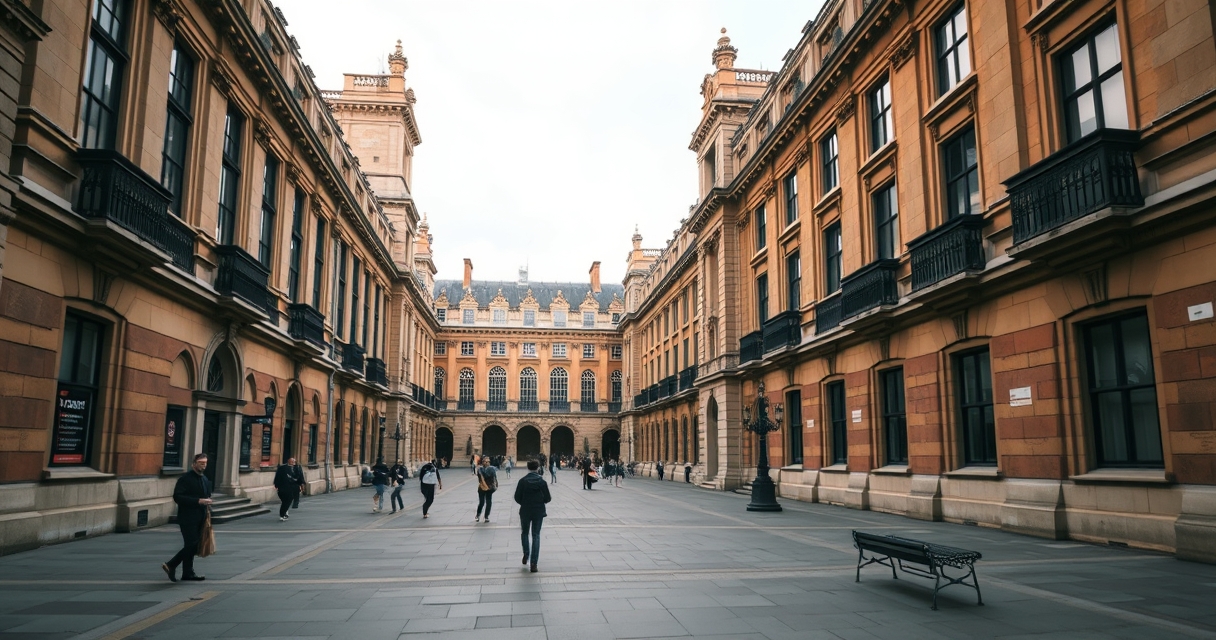
The UCL campus is spread across Bloomsbury, with several buildings open to the public. The Grant Museum of Zoology is a quirky collection of animal specimens, including extinct species like the quagga and the dodo. The museum’s founder, Robert Edmond Grant, was a mentor to Charles Darwin, and the collection reflects the Victorian passion for classification. The Petrie Museum of Egyptian Archaeology is another hidden gem, with over 80,000 artefacts, including the world’s oldest known dress. The campus is also home to the Slade School of Fine Art, where students’ work is often displayed in the college’s public galleries. UCL’s central location makes it easy to combine with a visit to the British Museum or a stroll through Russell Square.
The Royal Observatory Greenwich: Where Time Began
Perched on a hill in Greenwich Park, the Royal Observatory is where modern timekeeping was born. Founded in 1675 by King Charles II, its original purpose was to improve navigation at sea. The observatory’s first Astronomer Royal, John Flamsteed, spent decades mapping the stars, and his work helped sailors determine their longitude. The Prime Meridian Line, which divides the Eastern and Western Hemispheres, runs through the observatory’s courtyard. Visitors can stand on the line, with one foot in each hemisphere, and set their watches to Greenwich Mean Time, the global standard for timekeeping until 1972. The observatory’s Flamsteed House, designed by Christopher Wren, contains the original telescopes used by Flamsteed and his successors, including the 28-inch refracting telescope, the largest of its kind in the UK.
The observatory’s planetarium is one of the best in London, with shows that explore everything from black holes to the search for extraterrestrial life. The Astronomy Centre next door has interactive exhibits on space exploration, including a replica of the Hubble Space Telescope. Greenwich Park itself is worth exploring, with its sweeping views of the Thames and the Canary Wharf skyline. The Cutty Sark, a 19th-century tea clipper, is moored nearby, offering a glimpse into the maritime history that the observatory was built to serve. The observatory is a short walk from Greenwich Market, where you can grab a bite to eat after your visit. It’s also accessible by boat from central London, a scenic route that follows the path of the ships that once relied on the observatory’s work to navigate the world’s oceans.
The Wellcome Collection: Medicine, Art and the Human Condition
The Wellcome Collection on Euston Road is a museum like no other. Founded by Sir Henry Wellcome, a pharmaceutical entrepreneur, it explores the connections between medicine, life and art. Wellcome’s personal collection of medical artefacts, amassed in the early 20th century, forms the core of the museum’s holdings. The collection includes everything from ancient Egyptian amulets to Napoleon’s toothbrush, offering a quirky but thought-provoking look at how humans have understood health and illness. The museum’s permanent gallery, Medicine Man, displays some of the most unusual items, including a mummified Peruvian child and a lock of George III’s hair. The gallery’s design is minimalist, allowing the objects to speak for themselves.
The Wellcome Collection also hosts temporary exhibitions that tackle contemporary issues, such as the ethics of genetic engineering or the history of mental health. The Reading Room, a quiet space filled with books and artworks, is a great place to reflect on what you’ve seen. The museum’s café is another highlight, with a menu inspired by global cuisines and a relaxed atmosphere. The collection is free to enter, making it an excellent option for budget-conscious travellers. It’s also close to King’s Cross Station, so it’s easy to combine with a visit to the British Library or a walk along the Regent’s Canal. The Wellcome Collection doesn’t just tell the story of science; it invites you to think about what it means to be human.

I love exploring London’s hidden corners and sharing what I discover with fellow travellers. When I’m not wandering the streets of the capital, I enjoy writing detailed guides that help others make the most of their visit.