London’s streets are a living museum, where centuries‑old stone façades sit shoulder to shoulder with glass towers that reach for the sky. For a visitor, the city offers a visual dialogue between the past and the present, each neighbourhood presenting its own story of how architecture evolves while still serving the needs of travellers, shoppers and culture lovers. Walking from the winding lanes of the City to the bustling waterfront of Canary Wharf feels like flipping through a history book that never stops being written, and understanding these contrasts helps you plan a richer, more rewarding itinerary.
Georgian squares versus the modern financial district
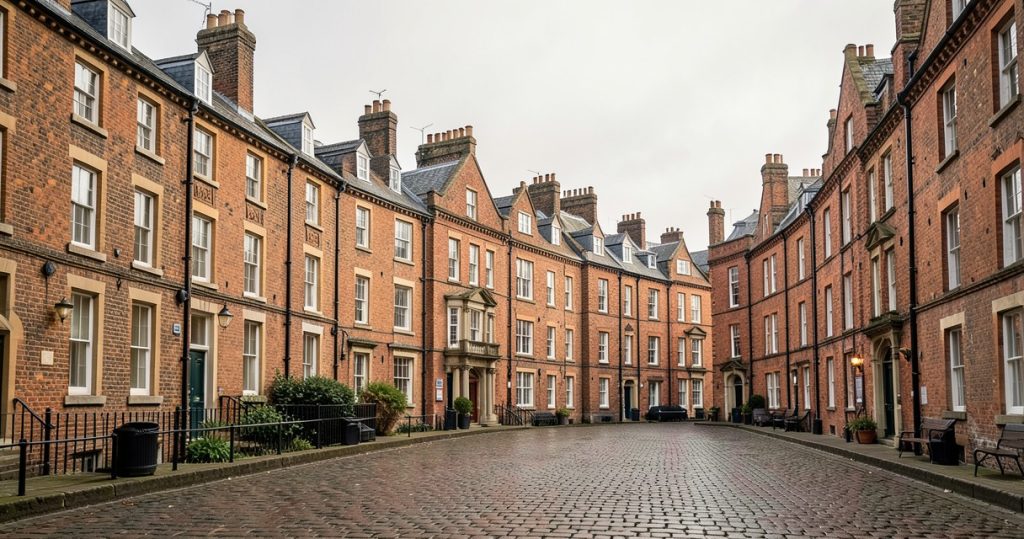
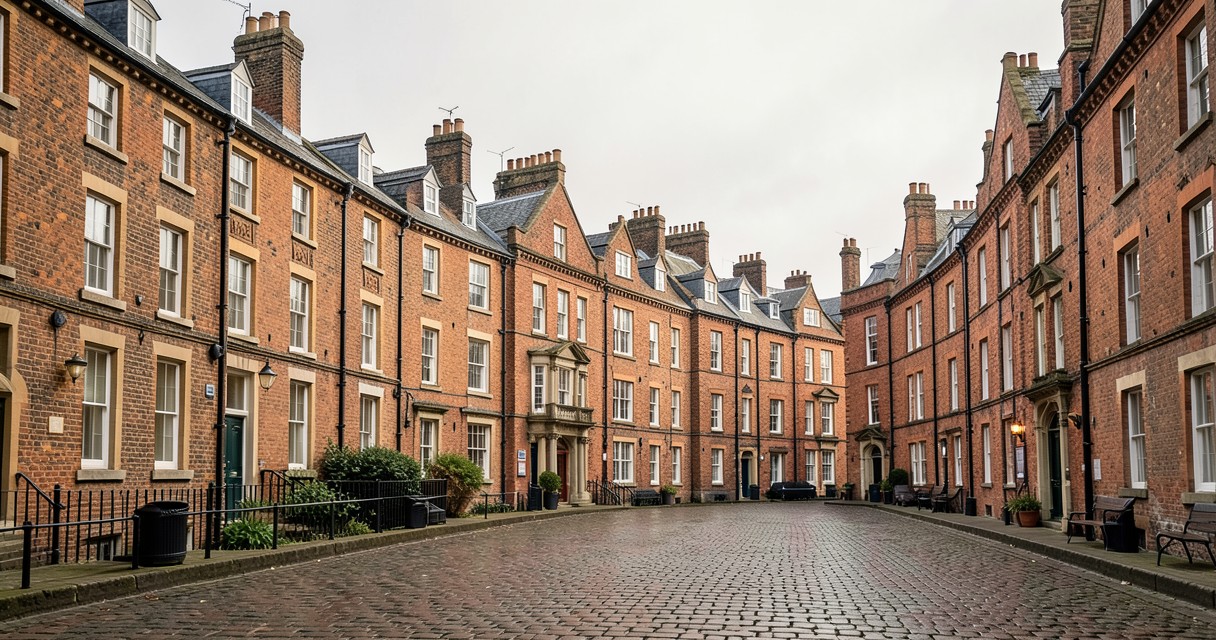
Elegant Georgian squares such as Bedford Square and Bloomsbury showcase the orderly, red‑brick terraces that defined the late 18th and early 19th centuries. Their uniform facades, rust‑red brickwork and white‑painted doorways were designed to convey stability and order, a stark contrast to the chaotic growth of medieval London. Visitors can pause on a quiet garden bench, sip a coffee at a nearby café and imagine the aristocratic families that once called these squares home.
Only a short tube ride away, the City of London’s financial district erupts with contemporary steel and glass structures like the iconic Gherkin and the Walkie‑Talkie. These buildings, completed in the early 2000s, employ energy‑efficient glazing and innovative shapes that dominate the skyline. Their reflective surfaces mirror the historic St Paul’s Cathedral, creating a visual conversation that highlights how modern design can coexist with venerable landmarks.
Victorian railway stations and today’s transport hubs
Victorian railway stations such as St Pancras and Victoria are masterpieces of ironwork and ornate detailing. St Pancras, opened in 1868, boasts a soaring gothic façade, a massive clock tower and a vast train shed supported by a lattice of iron ribs. Inside, the lavishly restored Midland Grand Hotel offers travellers a glimpse of the opulence that characterised the age of steam travel.
In contrast, the recently redeveloped Canary Wharf station and the ultra‑modern Kings Cross redevelopment illustrate how 21st‑century engineering prioritises fluid passenger movement and sustainability. The new platform roofs use lightweight polymer panels that let natural light flood the concourse, while integrated digital signage streamlines wayfinding for tourists unfamiliar with the network.
Historic churches beside contemporary skyscrapers
London’s historic churches, from the medieval silhouette of St Mary-le‑Bow to the baroque splendor of St Paul’s Cathedral, have long served as navigational beacons for visitors. St Paul’s, with its iconic dome designed by Sir Christopher Wren, dominates the skyline and offers a panoramic view that includes modern high‑rise blocks, reminding tourists of the city’s layered past.
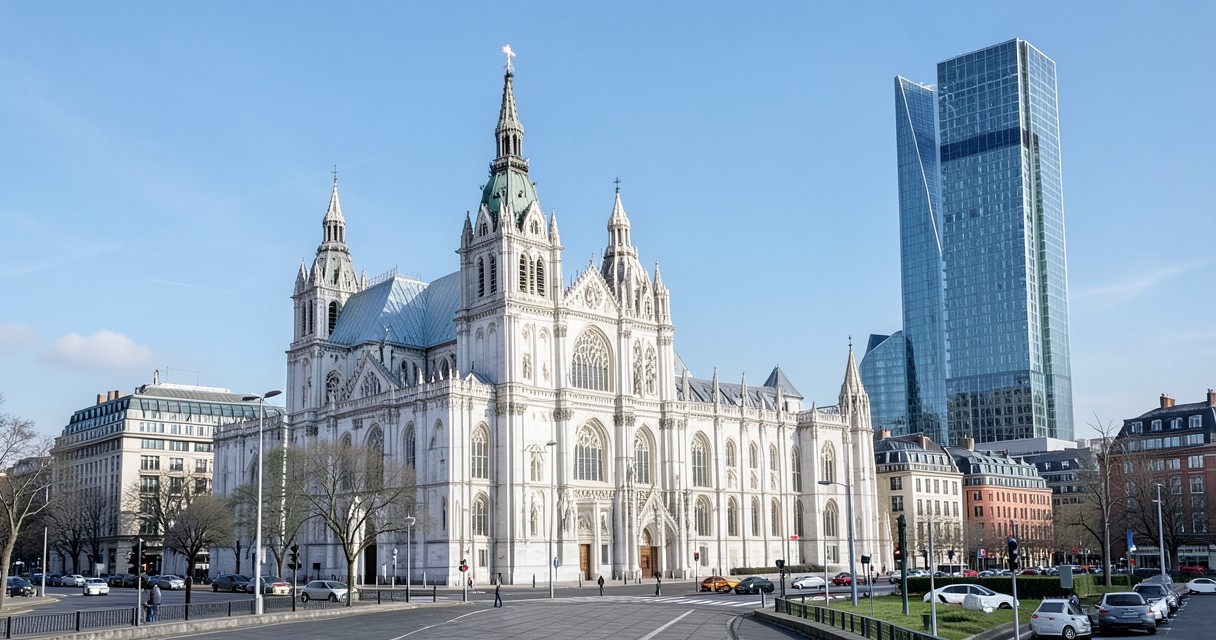
Just beyond the historic precinct, the newly completed 20 Fenchurch Street, popularly known as the Walkie‑Talkie, rises with a distinctive curving form that has sparked both admiration and controversy. Its sky‑deck, called “The View from The Shard,” offers a 360‑degree outlook that captures the juxtaposition of centuries‑old spires and cutting‑edge architecture in a single frame.
Traditional markets meeting sleek retail complexes
Borough Market, dating back to the 13th century, remains one of London’s most beloved food destinations. Its cobbled alleys host stalls brimming with artisan cheeses, fresh seafood and exotic spices, all under a canopy of timber beams that have witnessed countless generations of traders. The market’s sensory overload is a favourite stop for culinary tourists seeking authentic British flavours.
Only a few minutes away, the gleaming glass façade of the newly opened Westfield Stratford City offers a different retail experience. This massive shopping centre, completed in 2011, houses over 250 stores, from luxury boutiques to high‑street fashion, all set within a climate‑controlled environment. Its digital directories and rooftop terraces provide a modern contrast to the historic bustle of Borough Market.
Classic Thames bridges and the newest river crossings
London’s historic bridges, such as the stone arches of Tower Bridge and the elegant ironwork of Blackfriars Bridge, have long served as iconic crossing points over the Thames. Tower Bridge, finished in 1894, combines a bascule mechanism with twin towers that echo the Victorian Gothic style, offering visitors a chance to walk along its high walkways for unrivalled river views.
At the opposite end of the river, the sleek design of the new Battersea Power Station redevelopment includes a pedestrian bridge made of laminated timber and steel, opened in 2022. This contemporary structure not only connects the revitalised neighbourhoods but also reflects modern engineering’s emphasis on sustainability and aesthetic integration with the surrounding landscape.
Heritage museums alongside modern cultural venues
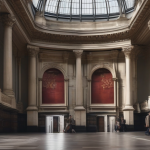
The British Museum, founded in 1753, houses a world‑renowned collection of artefacts ranging from the Rosetta Stone to the Elgin Marbles. Its neoclassical façade, with its imposing columns and grand portico, conveys a sense of timeless scholarship that attracts millions of tourists each year. The museum’s spacious Great Court, topped by a glass roof added in 2000, subtly blends old and new architectural ideas.
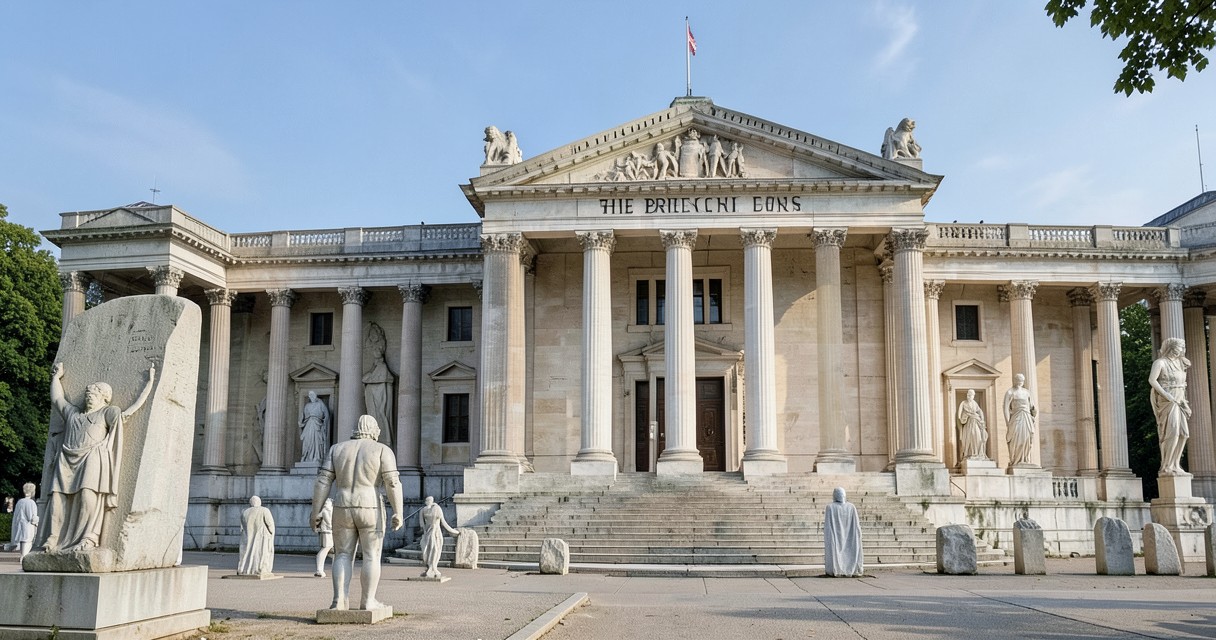
Just a short walk away, the newly inaugurated Design Museum in Kensington, completed in 2016, showcases a bold, angular design that celebrates contemporary creativity. Its façade of perforated metal panels creates a dynamic visual rhythm, while interior galleries are configured to adapt quickly to ever‑changing exhibitions, offering a fresh perspective for visitors interested in modern design trends.
Adaptive reuse: old warehouses turned into vibrant neighbourhoods
London’s Docklands once housed bustling warehouses that stored tea, spices and manufactured goods during the height of the British Empire. Many of these brick structures fell into disuse after the 1970s, but recent regeneration projects have transformed them into lively residential and commercial spaces. The former Tobacco Dock, now a mixed‑use development, retains its original brick arches while housing boutique hotels, art studios and rooftop gardens.
Similarly, the former railway arches along the Old Street area have been repurposed into tech start‑up incubators and trendy eateries. The juxtaposition of original iron columns with modern glass partitions creates an environment that feels both historic and forward‑looking, inviting tourists to explore the creative pulse of London’s newest business districts.

I love exploring London’s hidden corners and sharing what I discover with fellow travellers. When I’m not wandering the streets of the capital, I enjoy writing detailed guides that help others make the most of their visit.