
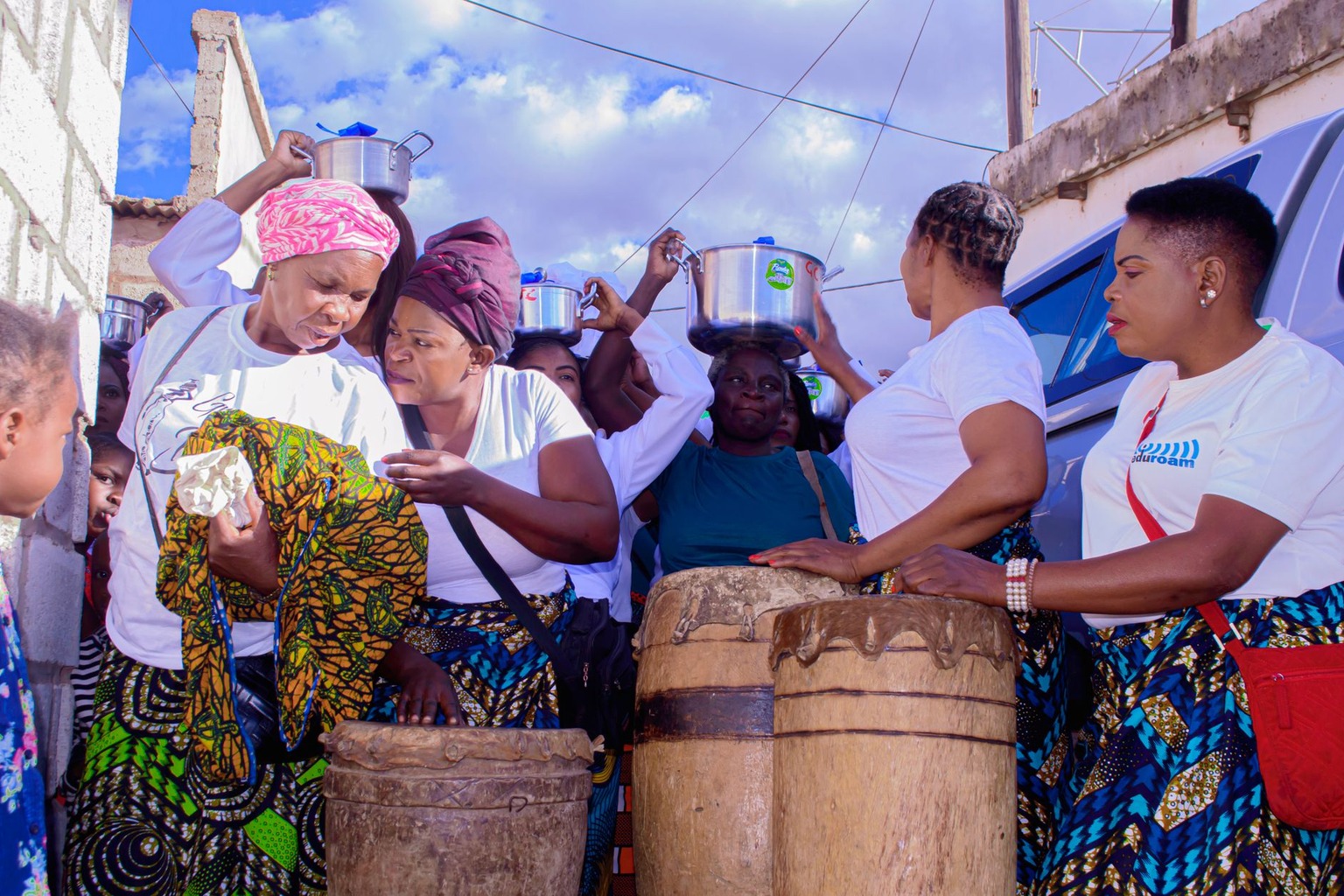
London’s neighbourhoods host unique cultural festivals that reflect their heritage, transforming streets and parks into lively venues for music, food, dance and art. Explore themed cultural walking routes to dive deeper into the city’s history. Each event carries the history of its host district, offering visitors a way to experience the city’s diversity beyond the usual tourist routes. Understanding how these festivals are anchored to their locations helps travellers plan visits that feel authentic and rewarding. Below is an in‑depth look at six of the most iconic festivals, the neighbourhoods that nurture them and the practical bits that make a day out smooth and memorable.
Notting Hill Carnival: Caribbean colour in a West London suburb
The Notting Hill Carnival began in the mid‑1960s as a celebration of Caribbean culture by the local Afro‑Caribbean community, and it has since exploded into Europe’s largest street festival. Held each August bank holiday on the streets surrounding Ladbroke Grove and the famous Portobello Road, the event showcases steel‑pan bands, masquerade costumes and a parade that stretches for miles. Its roots lie in the post‑war migration that reshaped West London, and the carnival still serves as a platform for diaspora artists to showcase their heritage while attracting millions of visitors from around the globe.
For a first‑time visitor, arriving early is essential because the crowds swell to over two million people by the afternoon. To navigate London’s vibrant areas smoothly, check out neighbourhood walking guides. Near Ladbroke Grove and Notting Hill Gate, plan your route carefully to avoid crowds during events like parades. Street food stalls line the streets, offering everything from jerk chicken to vegan roti, and many vendors accept contactless payment, which speeds up queues. Public toilets are scarce, so locating temporary facilities near the main thoroughfares early in the day can save a lot of hassle.
Southbank Centre Summer Festival: Riverside arts on the Thames
The Southbank Centre’s Summer Festival transforms the riverfront between Waterloo Bridge and the London Eye into a seasonal hub of free performances, pop‑up galleries and family‑friendly workshops. Originating in the early 2000s as an initiative to make high‑culture more accessible, the festival now draws over half a million attendees each year, with a programme that ranges from classical concerts to street dance battles. Its location leverages the iconic backdrop of the Thames, allowing the centre’s historic venues, the Royal Festival Hall, the Queen Elizabeth Hall and the Hayward Gallery, to spill out onto the promenade.
Near Waterloo and Embankment, the Southbank provides easy access to scenic riverside areas. Discover London’s best spots along the Thames for a refreshing alternative to traditional sightseeing. The festival’s schedule is posted on the Southbank website, and many events require no tickets, though popular shows can fill up quickly, so reserving a free ticket online is advisable. Food trucks line the riverside, offering diverse cuisines, and there are several water refill stations, which is handy for families with children during the warm summer months.
Camden’s Music and Food Festival: An alternative scene by the canal
Camden’s Music and Food Festival grew out of the area’s long‑standing reputation as a haven for indie bands, punk legends and eclectic street markets. Held each September in the open space behind Camden Lock, the festival merges live gigs on multiple stages with a culinary promenade that highlights both local vendors and international street food. The event reflects Camden’s gritty, creative spirit, and its proximity to the Regent’s Canal adds a distinctive waterside ambience that differentiates it from other city festivals.
On the Euronews channel, they cover the highlights of the Notting Hill Carnival, and you can watch it right here.
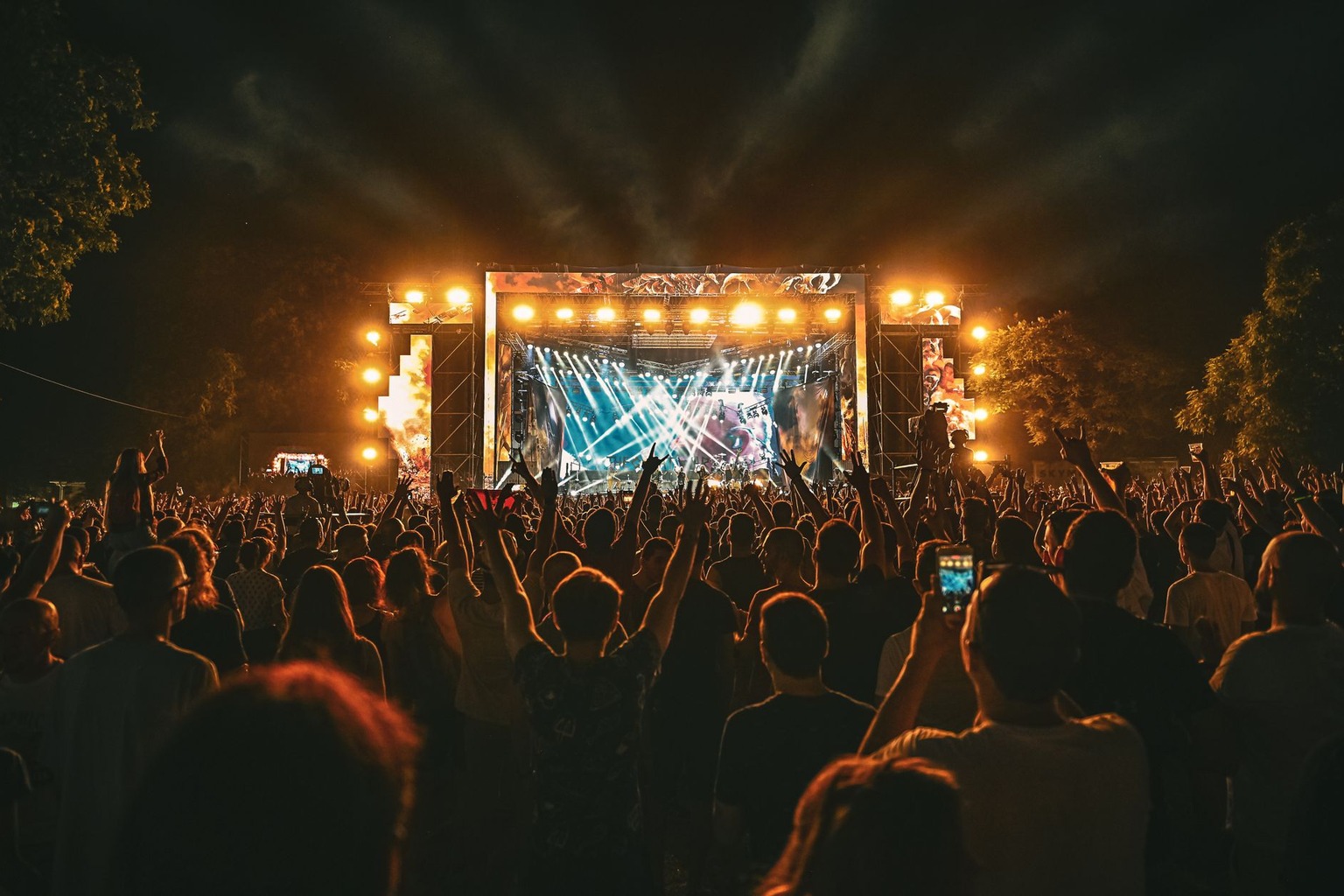
Visitors should allocate at least half a day to soak up the varied line‑up, which often features emerging artists alongside established acts. Camden Town Underground station is the main access point, but the festival’s layout is spread across the Lock and the surrounding market lanes, so comfortable shoes are a must. Many food stalls accept Apple Pay and Google Pay, reducing the need for cash, and there are designated recycling points that help keep the area tidy. Camden Market’s vintage stalls offer a nostalgic shopping experience. For those exploring London’s historical markets, this detour adds charm to any day out.
Greenwich Maritime Festival: Heritage on the historic docks
Set against the backdrop of the Royal Naval College and the historic Cutty Sark, the Greenwich Maritime Festival celebrates Britain’s seafaring past with a programme of boat parades, naval reenactments and maritime crafts. First organised in the early 1990s to revive interest in the area’s docklands, the festival now attracts maritime enthusiasts and families alike, offering interactive experiences such as knot‑tying workshops and guided tours of the historic ships moored in the Thames. Its location in the UNESCO‑listed Greenwich Peninsula gives visitors a sense of stepping back into a bygone era while still enjoying modern festival comforts.
Reaching the festival is easy via the DLR station at Cutty Sark for Quayside, or by riverboat from Tower Pier, which provides a scenic approach along the Thames. The event typically runs over a weekend in late June, and many activities are free, though some specialist workshops require a modest fee. Parking is limited, so using public transport is recommended, and the nearby Greenwich Park offers ample space for picnics after a day of exploring the docks. Weather can be changeable in late spring, so bringing a light waterproof jacket ensures comfort without compromising the experience.
Brixton’s Afrobeat and Street Art Fest: A multicultural showcase in South London
Brixton’s Afrobeat and Street Art Fest emerged in the early 2010s as a celebration of the borough’s vibrant African and Caribbean diaspora, blending live music, dance battles and large‑scale murals. Hosted primarily in Brockwell Park and along Brixton Hill, the festival reflects the area’s reputation for cultural fusion, with performances ranging from traditional drumming circles to contemporary hip‑hop sets. Local artists contribute to the festival by creating temporary installations, turning streets into an ever-changing open-air gallery. Explore public art installations across London for more creative experiences.
Visitors can catch the main stage performances by arriving early, as the park’s capacity is limited to around 5,000 people at any one time. Brixton Underground station on the Victoria line offers the quickest access, and there are several bike‑share stations nearby for those who prefer a greener arrival. Food stalls serve a mix of West African jollof rice, Caribbean roti and vegan street fare, and many vendors accept contactless payment, which speeds up the queue. The festival’s schedule is posted on the Brixton Pound website, and free entry to most events makes it an attractive option for families looking for a culturally rich day out.
West End Theatre Festival: The stage comes alive across historic streets
The West End Theatre Festival celebrates London’s theatrical traditions, with performances held in historic streets like Covent Garden and Leicester Square. Discover traditional shopping streets nearby for a full cultural experience. Launched in 2015 to boost off‑season attendance, the festival offers discounted tickets, pop‑up performances in public squares and backstage tours of iconic venues such as the Royal Opera House and the Lyceum Theatre. Its location in the heart of the theatrical district means that visitors can combine shows with the surrounding architectural sights, creating a layered cultural experience.
Travelers should book tickets through the official festival portal, where a “festival pass” grants access to a selection of shows at reduced rates. The nearest Underground stations are Covent Garden, Leicester Square and Piccadilly Circus, all of which are within a short walk of the main venues. Evening performances often conclude with street musicians playing in the piazzas, so allocating extra time for a post‑show stroll adds to the atmosphere. Many theatres provide wheelchair‑accessible seating and audio‑described performances, ensuring the festival is inclusive for all audiences.

I love exploring London’s hidden corners and sharing what I discover with fellow travellers. When I’m not wandering the streets of the capital, I enjoy writing detailed guides that help others make the most of their visit.