Introduction to London’s Unusual Statues and Monuments
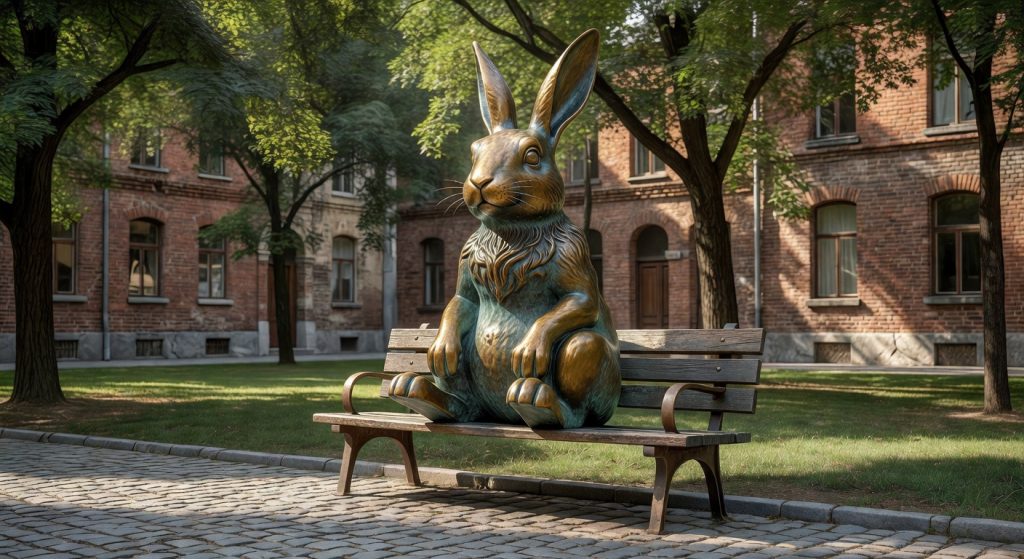
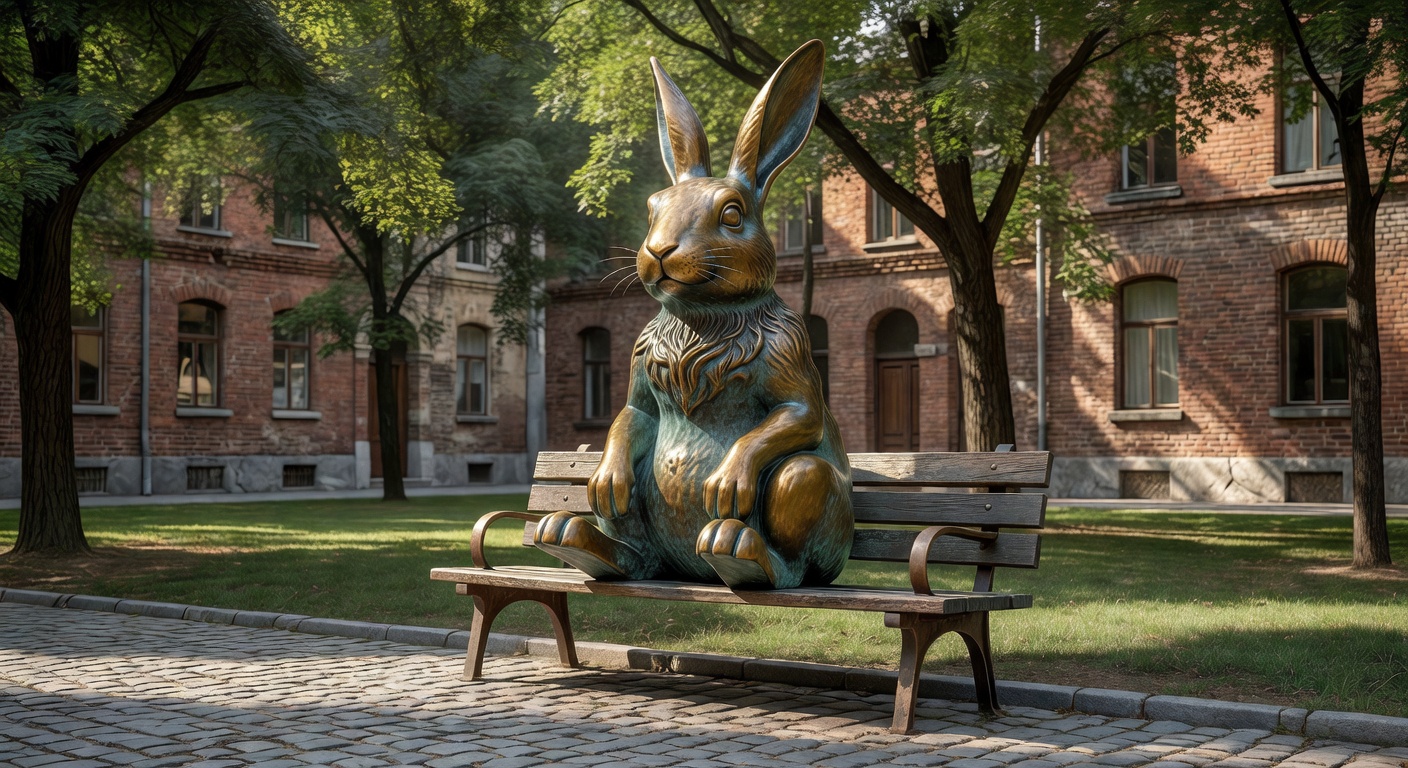
London is a city renowned for its rich history and iconic landmarks, but it also boasts a fascinating collection of unusual statues London residents and visitors alike find intriguing. Unlike traditional monuments that commemorate historical figures or events in a conventional manner, these unique monuments London showcase creativity, whimsy, and sometimes a touch of eccentricity that sets them apart from the usual. Their distinctiveness contributes to the city’s eclectic charm and offers a fresh perspective on public art and memorials.
What makes these strange sculptures UK locations particularly captivating is their unexpected design and the stories behind them. Many of these statues break away from the classical styles, incorporating modern art techniques, abstract forms, or humorous elements that challenge the observer’s imagination. Whether they represent local legends, contemporary icons, or abstract concepts, they enrich London’s urban landscape and provide a unique cultural experience that appeals to both tourists seeking novel sights and locals looking to rediscover familiar spaces.
These unusual statues London are scattered throughout different parts of the city, blending history, art, and sometimes satire or social commentary. Their appeal lies not only in their visual distinctiveness but also in their ability to provoke thought, conversation, and sometimes surprise. Visitors are often drawn to these unique monuments London to capture photos, learn quirky backstories, or simply enjoy the unexpected encounters with art in public spaces. Such statues and monuments add depth to the traditional touristic routes, making the exploration of London all the more engaging and memorable.
In essence, London’s collection of strange sculptures UK wide embodies the city’s spirit of innovation and diversity. They invite everyone—from art enthusiasts to casual explorers—to appreciate the unconventional and celebrate the artistry that pushes boundaries. This introduction to London’s unusual statues and monuments sheds light on why these pieces stand out, encouraging visitors to look beyond the common landmarks and delve into the city’s more peculiar and captivating artistic treasures.
Notable Unusual Statues in London
London is a city steeped in history and culture, and its landscape is dotted with notable statues that capture the imagination not only for their artistic merit but also for their unique and unusual qualities. These unique sculptures in London offer more than mere decoration; they tell stories, challenge perceptions, and celebrate creativity in ways that make them truly stand out.
One of the most famous unusual monuments is the “Charging Bull” replica located near the Bank of England. Unlike its New York counterpart, London’s version was cleverly transformed into a symbol of financial resilience and strength after the 2008 financial crisis. This striking bronze statue exudes power and determination, attracting both tourists and locals who admire its bold presence amidst the city’s financial hub.
Another remarkable statue is “The Meeting Place” at St. Pancras International Station. This towering 9-metre bronze figure of a couple locked in a timeless embrace is not only notable for its size but also for the emotion it conveys. Created by sculptor Paul Day, the sculpture uniquely captures the spirit of arrivals and departures in a bustling transportation hub, symbolising reunions and farewells with heartfelt intimacy.
In the heart of Soho, the famous statue of Oscar Wilde by Maggi Hambling defies traditional monument styles. This vibrant sculpture features a large winged figure perched above a rock inscribed with Wilde’s quote, “We are all in the gutter, but some of us are looking at the stars.” The statue’s dramatic design and Wilde’s flamboyant persona create a notable and distinctive tribute, reflecting both his literary genius and his colorful life.
Lastly, the “Blood Swept Lands and Seas of Red” installation at the Tower of London created by Paul Cummins and Tom Piper, although temporary, remains one of the most striking unusual sculptures ever seen in London. Consisting of 888,246 ceramic poppies, each representing a British or colonial serviceman lost in World War I, this unique monument combined art and remembrance in a way that profoundly moved viewers and highlighted the power of public art to commemorate history.
These notable statues in London showcase the city’s rich tapestry of art and history, making them must-see landmarks for anyone interested in exploring unique sculptures London has to offer. Each monument stands as a testament to the creativity and depth of expression found throughout the capital’s public spaces.
The Meeting Place at St Pancras Station
The Meeting Place statue is a striking giant bronze sculpture prominently located in St Pancras Station, one of London’s most iconic railway hubs. Standing at approximately nine meters tall, this impressive piece of art captures the tender moment of an embrace between a couple, symbolizing reunion and connection. Designed by renowned sculptor Paul Day, the Meeting Place statue is a beautiful example of how public art can enhance daily experiences and bring emotional meaning to a busy transport environment.
The design of the St Pancras sculpture emphasizes warmth and intimacy through its large-scale depiction of human figures frozen in a loving embrace. The statue serves as a poignant reminder of the countless meetings, farewells, and reunions that occur within the bustling station every day. The bronze material lends a timeless and enduring quality to the work, echoing the lasting bonds between people who meet here.
Locally, the Meeting Place statue has garnered mixed but mostly positive reception. Many commuters and visitors appreciate the unusual monuments London offers, finding the sculpture a comforting and iconic sight amid the station’s modern architectural grandeur. It has become a popular meeting spot and a memorable landmark representing human connection, perfectly fitting the spirit of St Pancras Station as a gateway for arrivals and departures. As an exceptional example of public artwork, the Meeting Place statue adds an emotional and aesthetic layer to the London travel experience.
The Fourth Plinth in Trafalgar Square
The Fourth Plinth project in Trafalgar Square has become a celebrated platform for showcasing unusual and avant-garde temporary London sculptures. Originally intended to hold an equestrian statue that was never completed, the plinth was left empty for many years until a visionary public art initiative transformed it into a dynamic stage for contemporary art. This project invites artists from around the world to create temporary statues that challenge traditional perceptions of monuments and provoke public dialogue.
Unlike the permanent statues that surround Trafalgar Square, the Fourth Plinth sculpture installations are ever-changing, offering a fresh and often provocative perspective on heritage, politics, and culture. From giant blue cockerels to giant toys, each Trafalgar Square statue commissioned for the plinth pushes creative boundaries and reflects the diverse voices of London’s cultural scene. This continuous rotation ensures that the space remains engaging for both locals and tourists alike, stimulating curiosity and reflection.
The impact of the Fourth Plinth on London’s cultural landscape is profound. It breaks away from traditional commemorative art forms and embraces innovation, making public art accessible and relevant to contemporary society. The project has enhanced Trafalgar Square’s role as a vibrant hub of artistic expression, where temporary London sculptures invite people to rethink what public monuments can represent in a modern urban environment.
The Head of Sir Winston Churchill in Parliament Square
Among the many Parliament Square sculptures, the Churchill statue London features a lesser-known and strikingly unconventional depiction of Sir Winston Churchill that stands out for its artistic boldness. Unlike traditional full-figure monuments, this sculpture highlights just the head of Churchill, focusing on the expressive and thoughtful visage that captures his indomitable spirit. Created with a modernist flair, the statue’s abstract yet detailed style invites viewers to contemplate Churchill’s enduring influence beyond conventional heroic portrayal.
This unique London monument was designed to evoke the complex character of Churchill as both a wartime leader and a symbol of resilience. The exaggerated features and textured surfaces of the head sculpture embody the grit and determination that defined Churchill’s leadership during one of Britain’s most turbulent eras. Placed in the heart of Parliament Square, it serves as a reflective counterpart to more traditional statues, prompting passersby to pause and engage with the historical and artistic narrative it represents.
The Head of Sir Winston Churchill redefines public memory through its creative approach, blending historical homage with contemporary art. It enriches the collective landscape of unique London monuments by providing a fresh perspective on one of the city’s most iconic figures, making it an essential yet often overlooked part of the capital’s rich sculptural heritage.
Hidden Gems: Lesser-Known Statues and Monuments
London is renowned for its iconic landmarks like Big Ben and the Tower of London, but the city is also home to a treasure trove of hidden statues London enthusiasts will appreciate. These secret monuments London are scattered throughout parks, streets, and quieter public spaces, offering a fascinating glimpse into the city’s rich cultural tapestry away from the usual tourist trails.
One such offbeat London sculpture is the statue of Sir Thomas More in Chelsea. Often overlooked, this modest yet striking figure captures the essence of the Renaissance statesman in a peaceful garden setting, inviting visitors to pause and reflect. It’s a perfect example of how London’s smaller, less obvious statues can tell compelling stories about historical figures who shaped the city’s past.
Another hidden gem is the “Traffic Light Tree,” located near Canary Wharf. Though not a traditional statue, this unique installation by Pierre Vivant mimics the trees of nearby landscapes with a whimsical twist—hundreds of functioning traffic lights arranged in tree form. This offbeat London sculpture symbolizes the hustle and bustle of urban life and is a favourite among locals who seek something unusual and playful in unexpected places.
In Regent’s Park, tucked away from the main pathways, you can find statues commemorating lesser-known historical figures and local legends. These secret monuments London are perfect for visitors who enjoy discovery and appreciate art in natural surroundings. They offer an intimate experience, contrasting with the grandiosity of more famous London monuments.
Exploring the streets of neighborhoods like Shoreditch and Camden reveals even more hidden statues London, often contemporary works celebrating cultural icons or local heroes. These secret monuments London are embedded in vibrant urban settings, making every walk an opportunity to uncover surprising pieces of public art that reflect the dynamic spirit of the city.
For those keen on offbeat London sculptures, the city’s smaller parks and courtyards also feature sculptures with quirky designs and intriguing backgrounds. From abstract to figurative, these lesser-known statues challenge the traditional expectations of public monuments and enrich London’s artistic landscape in unique ways.
In summary, London’s hidden statues and secret monuments offer a fascinating alternative to the city’s well-trodden landmarks. These offbeat London sculptures, found in unexpected nooks and crannies, not only celebrate history and creativity but also invite explorers to engage deeply with the city’s diverse cultural heritage. Whether tucked away in serene parks or animated urban streets, these lesser-known statues provide delightful discoveries for anyone curious about London’s artistic soul.
The Golden Boy of Pye Corner
The Golden Boy statue, also known as the Pye Corner monument, is a fascinating and unusual historical statue located in London. It marks the spot where the Great Fire of London was finally extinguished in 1666. This small yet striking statue represents a chubby, golden boy and is a vivid reminder of one of the city’s most catastrophic events. The boy holds a wedge of fire, symbolizing the cause of the fire, which, according to popular belief at the time, was divine punishment for the sin of gluttony. Interestingly, the statue’s location on Giltspur Street is quite unexpected, as it stands at one of the less prominent corners of the city, far from the more famous sites connected to the fire.
The historical significance of the Golden Boy statue is tied closely to the Great Fire of London, which destroyed much of the medieval City of London inside the old Roman city wall. The fire began in a bakery on Pudding Lane and spread rapidly, but it was finally put out near Pye Corner. The statue serves as a moral lesson that was common in the 17th century, reminding Londoners of the fire’s devastating consequences and the city’s need for renewal and vigilance. As one of the unique London historical statues, the Golden Boy of Pye Corner stands as both a monument to disaster and a symbol of hope and recovery.
The Meeting Place of the Wizard and the Shadow
Hidden among the bustling streets of London is a truly enchanting sight: the wizard statue London dwellers and visitors alike find captivating. Known as “The Meeting Place of the Wizard and the Shadow,” this uncommon London monument transports all who gaze upon it into a realm of fantasy and myth. The sculpture depicts an ancient wizard with flowing robes, extending his hand to a mysterious shadow figure that seems to emerge from the depths of a magical portal. The intricate details and enchanting aura of the piece make it one of the most unique London fantasy sculptures.
The idea behind this statue was born from the desire to celebrate the city’s rich history with a touch of imaginative storytelling. The artist aimed to symbolize the meeting point where reality and fantasy blend seamlessly, encouraging onlookers to embrace the wonder hidden within everyday life. Visitors can find this fantastical statue nestled within a quiet courtyard near the famous St. Pancras Renaissance Hotel, a location that juxtaposes historic architecture with the statue’s magical theme.
For anyone intrigued by unusual London monuments, this sculpture offers a rare glimpse into the city’s whimsical spirit. It is not just a piece of art but a gateway to a fantasy world, making it a must-see for those who love exploring the mystical corners of the capital. Whether you are a fan of wizardry or simply appreciate creative artistry, The Meeting Place of the Wizard and the Shadow is a spellbinding discovery in the heart of London.

I love exploring London’s hidden corners and sharing what I discover with fellow travellers. When I’m not wandering the streets of the capital, I enjoy writing detailed guides that help others make the most of their visit.