Exploring the British capital through the lens of traditional trades requires looking past the standard tourist hubs and focusing on historic thoroughfares where artisans shaped global design. Planning your itinerary involves evaluating architectural preservation, active workshops, and the density of generational businesses still operating today. Certain districts preserve the sights and sounds of hammering metal, whittling wood, and stitching leather far better than modern commercial centers do. Visitors wanting an authentic encounter should look for locations hosting open studios, heritage plaques, and museums dedicated to local manufacturing. Understanding the core selection criteria helps you map out a walking tour that balances visual appeal with genuine historical significance.
Jermyn Street And The Legacy Of Bespoke Menswear
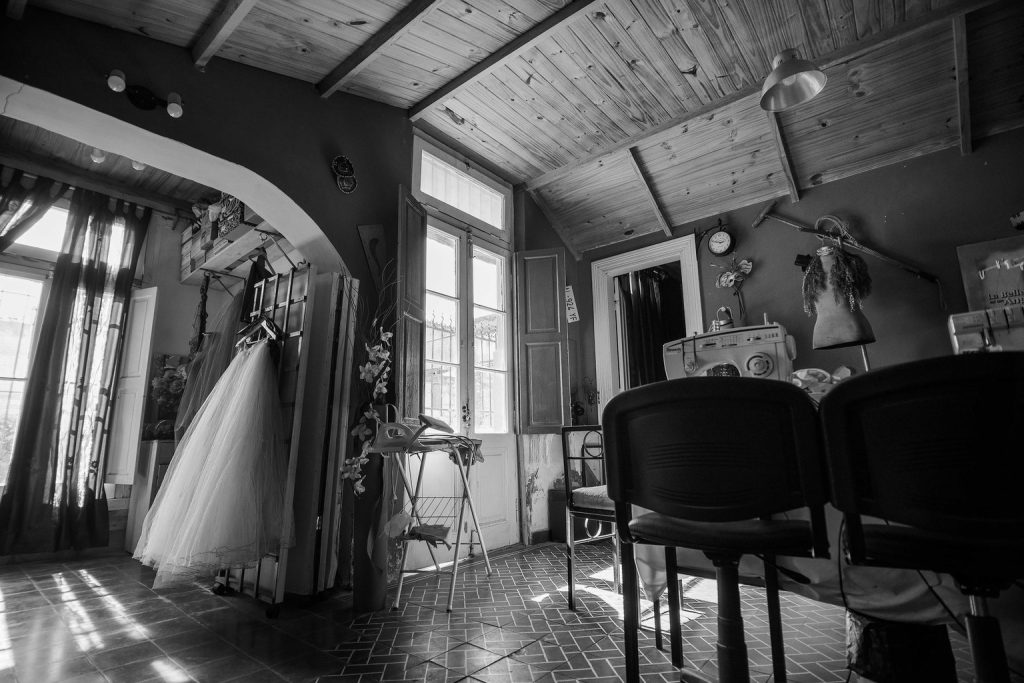
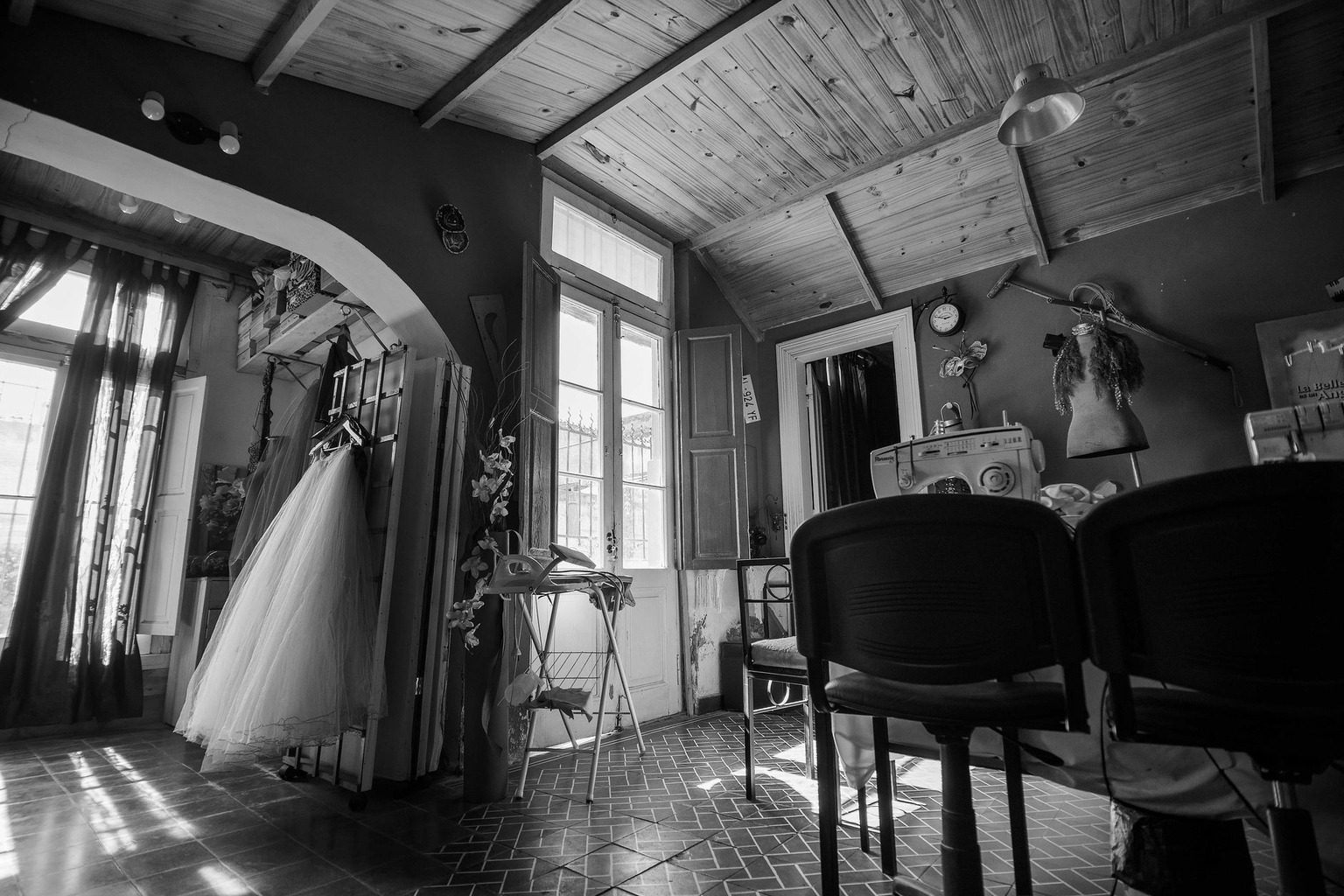
Walking down this famous Mayfair stretch reveals a concentration of shirtmakers, shoemakers, and fragrance experts who have served royalty for centuries. Established in the seventeenth century by Henry Jermyn, the area quickly attracted master tailors who catered to gentlemen seeking absolute perfection in their attire. Historic storefronts retain their original mahogany paneling and hand-lettered gold leaf signage, offering a tactile connection to Georgian London. You can step inside shops where tailors take dozens of precise measurements before hand-cutting fabrics in attic workshops above the sales floor. Observing the meticulous stitching process firsthand gives travelers a profound appreciation for garments built to last multiple lifetimes rather than a single season.
Planning a visit here means budgeting time for lingering conversations with veteran sales assistants who know the intricate backstory of every collar style and fabric weave. Many establishments maintain client ledgers dating back to the Victorian era, recording measurements for statesmen, authors, and artists who shaped world history. The scent of polished leather and vintage cologne spills onto the pavement, creating an immersive sensory experience unique to this part of central London. Nearby arcades add another layer of architectural interest, featuring glass barrel-vaulted ceilings that protect shoppers from the unpredictable British weather. You will find that window shopping becomes a legitimate cultural activity when every display highlights centuries-old tailoring techniques.
Savile Row As The Global Capital Of Tailoring
Just a short stroll from Piccadilly Circus lies the undisputed spiritual home of custom suiting, where measuring tapes and chalk hold absolute authority. The street gained its sartorial reputation in the late eighteenth century and has since outfitted everyone from British prime ministers to rock legends. Walking past these stately brick facades, you might catch a glimpse of craftsmen working diligently under natural light to ensure every seam is invisible. The tailoring houses here operate on principles of absolute discretion and uncompromising quality, requiring multiple fittings to achieve a flawless silhouette. Visitors often pause outside number eleven to admire the famous rooftop where a legendary musical performance took place, adding a touch of pop culture to the deep heritage.
Exploring this renowned fashion mile requires a respectful pace, as the atmosphere remains notably serene despite its international fame. You can book consultations to learn about the intricate canvassing techniques that allow a jacket to mold to the wearer over years of use. Master cutters are fiercely protective of their craft, yet many are willing to share stories about famous fittings and historic commission orders with curious travelers. The nearby side streets house specialized button merchants and lining suppliers, completing an ecosystem of manufacturing that exists nowhere else in the modern world. Experiencing this location offers a rare look at an unhurried trade where human hands remain the primary tool of production.
Clerkenwell Road And The Heritage Of Precision Clockmaking
Heading slightly north toward the fringes of the City reveals a gritty urban landscape with a deeply intellectual manufacturing past. Clerkenwell served for centuries as the epicenter of British watchmaking and jewelry production, housing thousands of skilled artisans in cramped tenement workshops. While the industrial scale has shifted, the streets still retain workshops repairing antique marine chronometers and crafting delicate gold ornaments. Wandering through these historic blocks allows you to spot blue plaques commemorating genius inventors who calculated longitude and revolutionized timekeeping. The architecture here tells a story of utility and innovation, featuring tall multi-paned windows designed to maximize daylight for intricate bench work.
On the Kirby Allison channel they explore the rich heritage of Jermyn Street, and you can watch the walking tour right here.
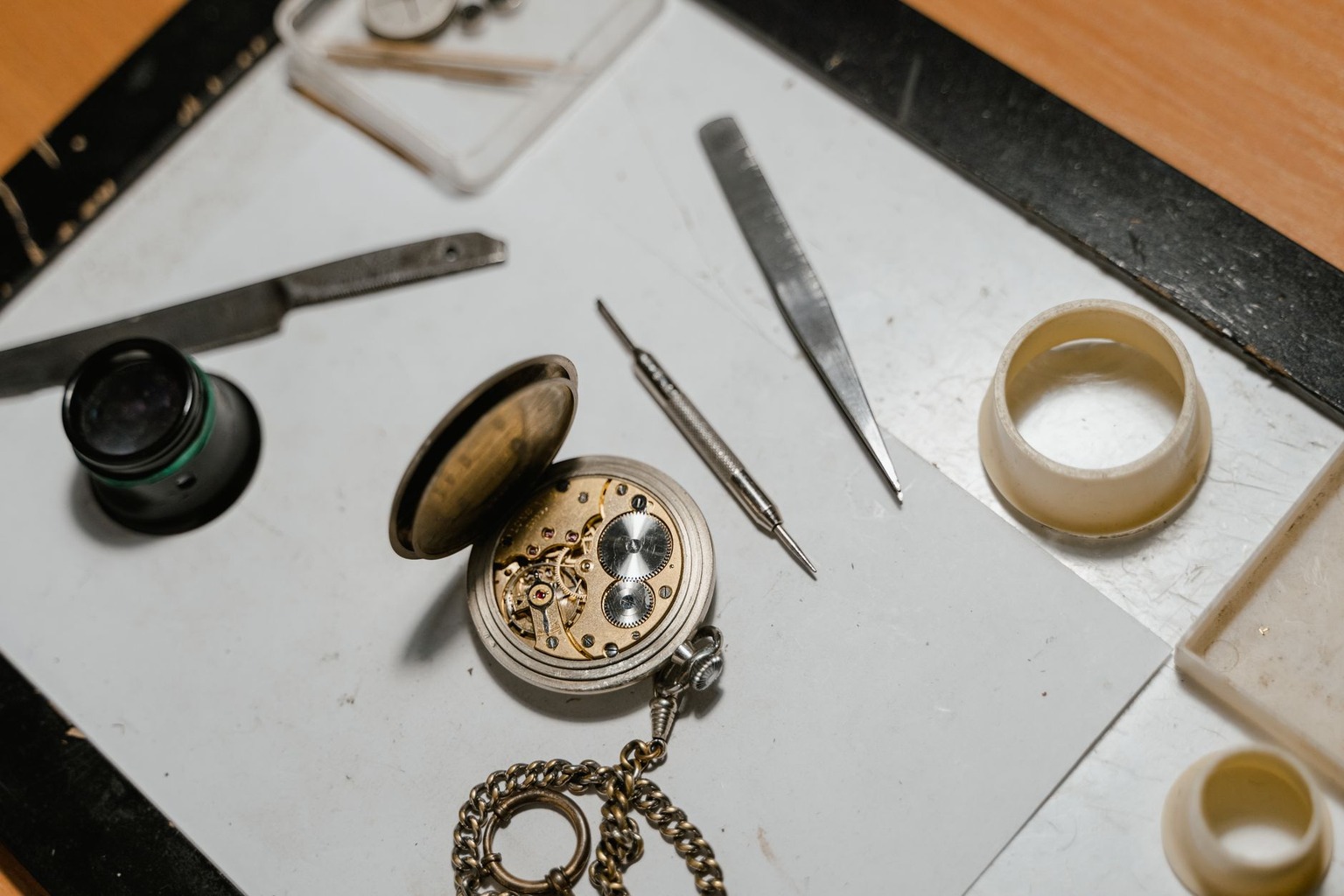
Travelers interested in the mechanics of time will appreciate the lingering presence of toolmakers and independent gem-setters operating in quiet courtyards. You can combine your street walk with a visit to local museums that display pocket watches worn by polar explorers and royal astronomers. The local pubs often display historical photographs of watchmakers crowded around magnifying loupes, preserving the memory of a neighborhood built on microscopic precision. Navigating this area rewards the observant wanderer who looks up at upper-floor windows to find subtle clues of past industrial guilds. It provides a fascinating contrast to the opulent fashion districts, highlighting the mechanical ingenuity that once powered the British Empire.
Denmark Street And The Artistry Of British Lutherie
Tucked away near the vibrant West End theater district, this narrow alley is affectionately known as the musical instrument capital of the country. For decades, master luthiers and independent dealers have gathered here to craft, repair, and trade guitars used by legendary rock icons. The tiny storefronts overflow with vintage amplifiers, rare acoustic instruments, and custom-built electric guitars that represent peak craftsmanship in wood and wire. Walking down the pavement brings the faint sound of acoustic testing and amplifier hums filtering through open doorways into the bustling street. Famous musicians have haunted these exact shops since the sixties, searching for unique tones and custom modifications for their touring rigs.
Visiting this creative hub is less about quiet museum contemplation and more about engaging with a living, breathing musical community. Shopkeepers are notoriously passionate, ready to debate the merits of Brazilian rosewood versus mahogany over the counter with any visiting fan. You can inspect hand-carved archtops and custom inlay work that showcase the staggering patience required to build a world-class stringed instrument. The vintage aesthetic of the weathered signs and cluttered display windows creates a distinctly bohemian atmosphere compared to neighboring luxury zones. Spending an afternoon here connects you to the grassroots manufacturing side of modern popular culture and acoustic engineering.
Columbia Road And The Flourishing Floral Crafts
Farther east in Shoreditch, a weekly transformation turns a Victorian terrace street into a bustling bazaar of botanical artistry and arrangement. On Sundays, flower growers and expert arrangers converge here, continuing a market tradition that stretches back well into the nineteenth century. The surrounding brick houses now host independent craft shops, pottery studios, and bakeries run by contemporary makers using traditional methods. Walking past the colourful stalls provides a feast for the eyes, accompanied by the earthy scent of damp soil, eucalyptus, and fresh blooms. This location proves that craftsmanship extends beyond hard materials into the delicate, ephemeral art of arrangement and horticulture.
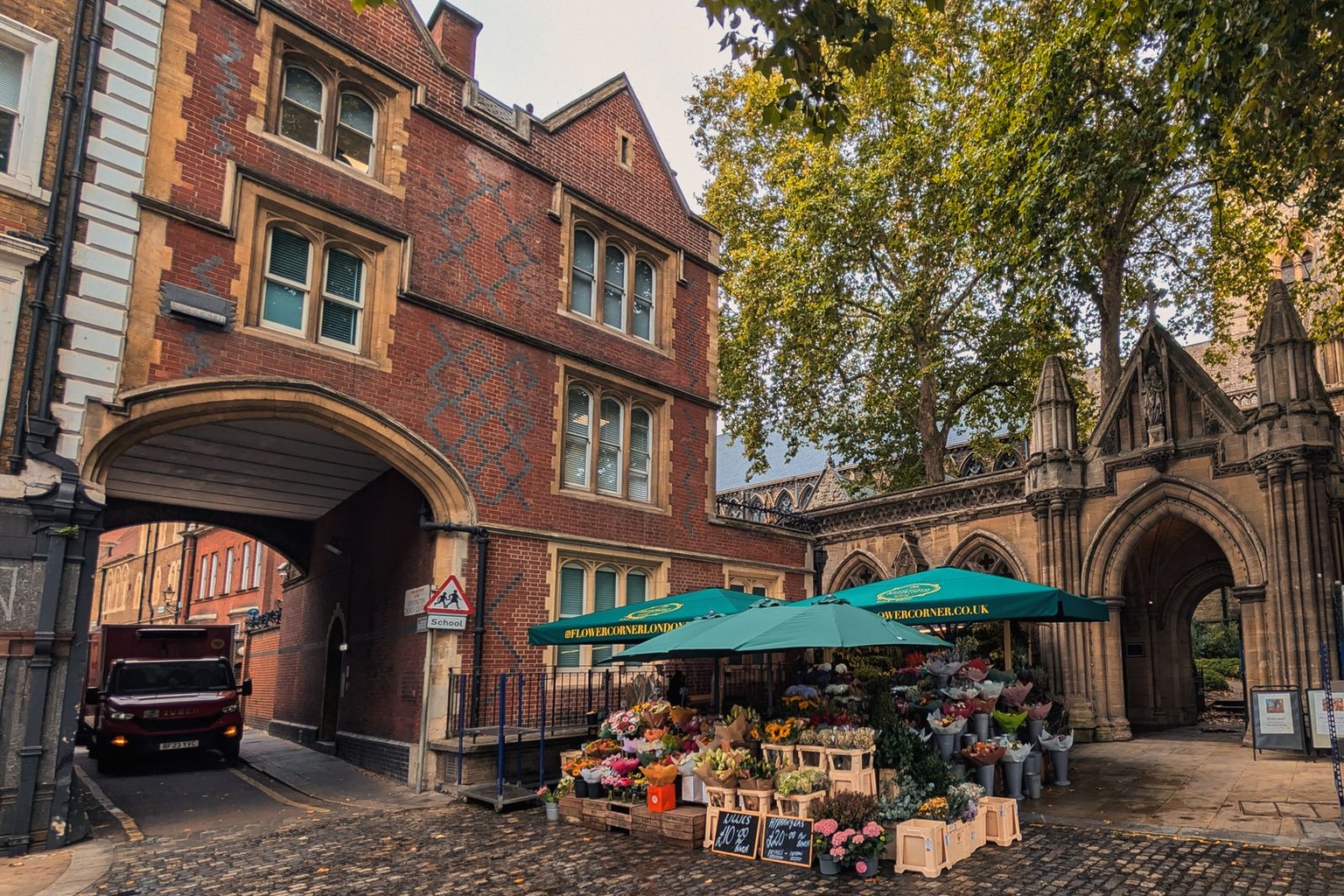
Tourists visiting outside of market hours will find a remarkably quiet street populated by ceramicists and leather-workers who settled in the historic brick arches. Exploring the independent boutiques reveals hand-thrown tableware, bespoke leather journals, and botanical prints produced by local studio artists. The architecture preserves the classic working-class London vernacular, featuring narrow shopfronts that once supplied provisions to local weavers and dockers. Engaging with the artisans found here offers a glimpse into the modern maker movement that breathes new life into historic East End thoroughfares. It serves as a wonderful reminder that London craftsmanship constantly evolves while honoring its roots in community commerce.
Selecting Your Craft Heritage Route Based On Interests
Choosing which historic street to visit first depends entirely on whether you lean toward haute couture, mechanical engineering, or bohemian arts. If your travel style favors formal elegance and timeless fashion, spending a morning around Mayfair and St James will meet your expectations. Conversely, architecture enthusiasts and lovers of mechanical history will find the workshops of Clerkenwell much more aligned with their personal curiosity. Music fans should prioritize the eccentric music shops of the West End, while design lovers seeking independent studios will thrive in the East End. Matching your daily itinerary to your specific creative passions ensures a deeply satisfying exploration of the capital without feeling rushed or overwhelmed.
Practical considerations also play a vital role in planning, particularly regarding opening times, workshop access, and seasonal market schedules. Many traditional tailors and instrument makers operate by appointment only, meaning advance planning is essential if you want a behind-the-scenes look. Public transport links make it easy to combine multiple heritage zones into a single weekend, provided you pace your walking distances realistically. Comfortable footwear is mandatory, as navigating stone courtyards, narrow arcades, and historic pavements demands sturdy support throughout the day. By carefully weighing these practical factors against your personal interests, you craft an unforgettable journey through the artisanal heart of London.

I love exploring London’s hidden corners and sharing what I discover with fellow travellers. When I’m not wandering the streets of the capital, I enjoy writing detailed guides that help others make the most of their visit.