London’s post-war landscape is a hidden treasure for travellers seeking more than just its iconic landmarks. While many visitors flock to the Tower of London or Buckingham Palace, the city’s most fascinating transformations happened in the decades after the Second World War. These areas weren’t just rebuilt, they were reinvented, blending brutalist architecture with modern amenities, creating spaces that now offer unique experiences for those who know where to look. From the concrete jungles of Poplar to the vibrant markets of Peckham, these neighbourhoods tell stories of resilience, urban planning experiments, and cultural shifts that still define London today. The key is understanding how to navigate them as a visitor, spotting the post-war details that most guidebooks overlook, and knowing which spots offer the best food, views, and hidden gems.
Start with the essentials: how to identify post-war architecture in London
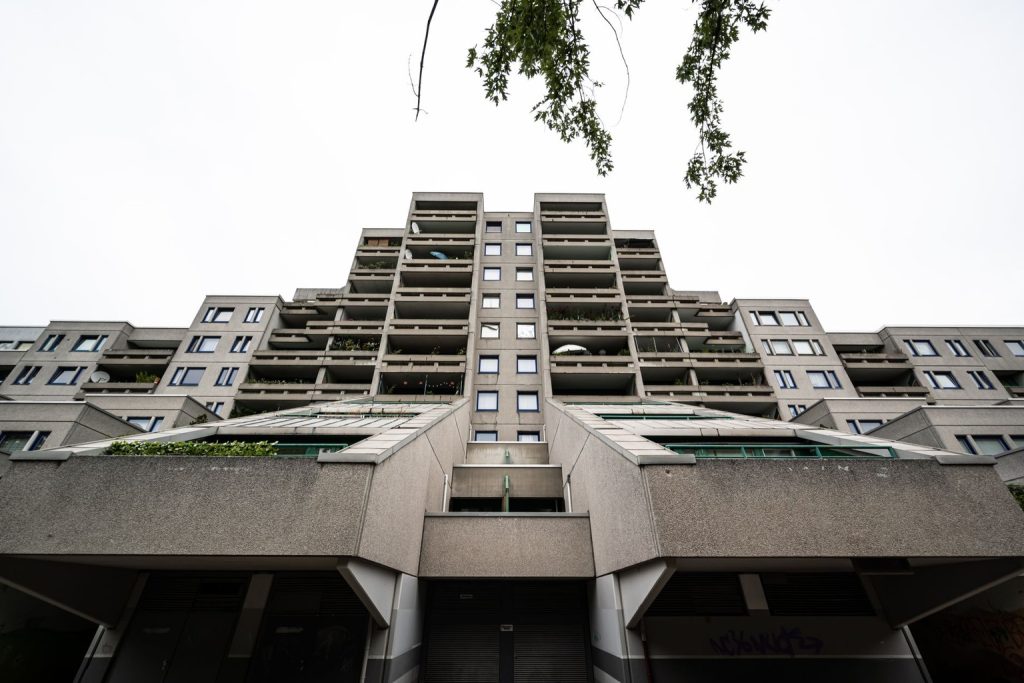
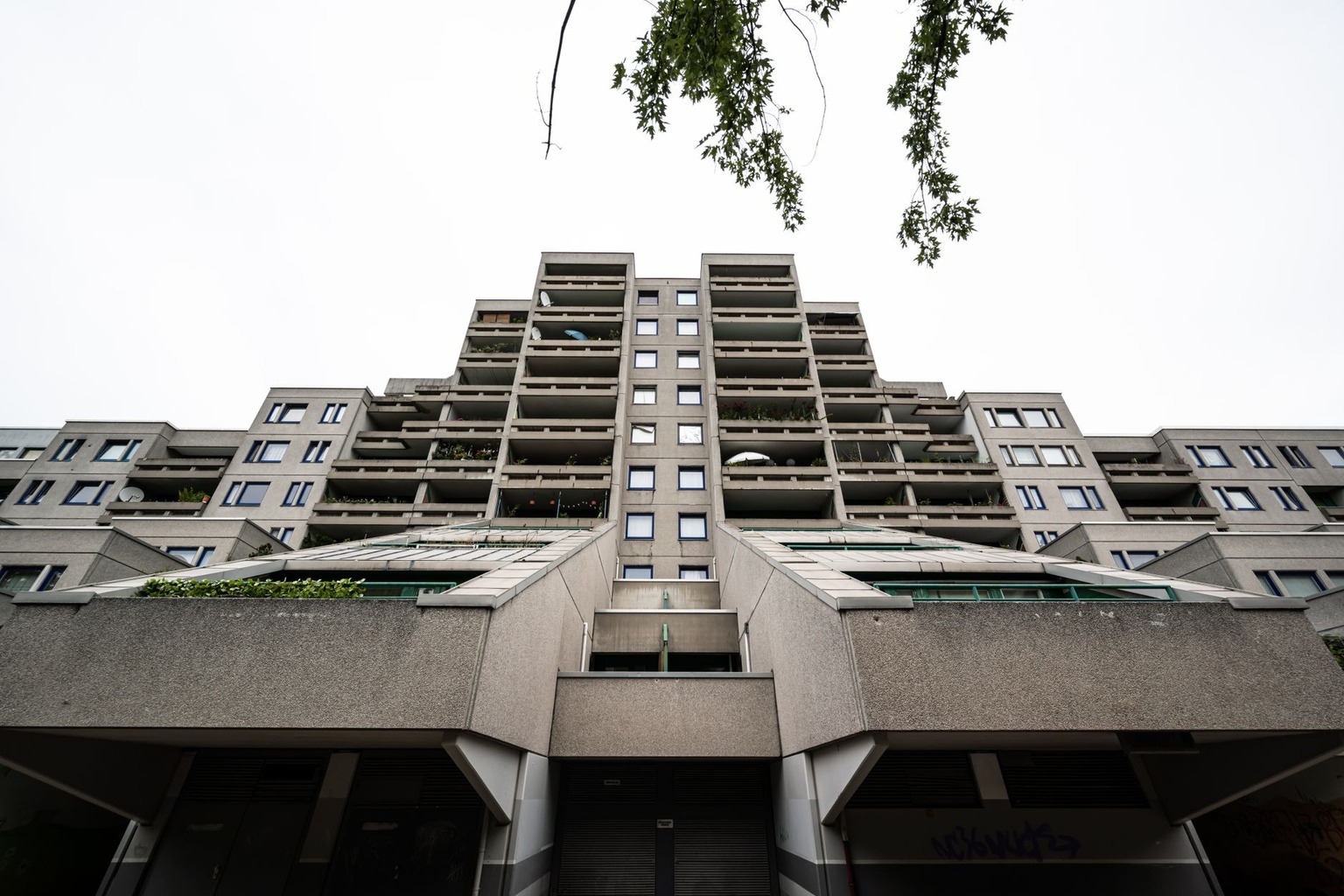
The first step to exploring these areas effectively is learning to recognise the architectural hallmarks of post-war London. Unlike the ornate Victorian or Georgian buildings that dominate central areas, post-war structures often feature raw concrete, exposed brick, and geometric shapes. The most iconic example is the Barbican Estate in Islington, designed by Chamberlin, Powell and Bon, which stands out with its brutalist towers and sunken gardens. Look for these elements: flat roofs, large windows, and a lack of decorative flourishes. The Royal Docks in Greenwich also offer a striking example, with its industrial warehouses repurposed into modern spaces. For travellers, this means scanning skylines for these distinctive features, it’s how you’ll spot the best spots to visit without getting lost in generic tourist traps. A useful tip is to download a local architecture app like Brutalism London to highlight these sites on your map.
Another key detail is the era’s functionalist approach, where buildings were designed for practicality rather than aesthetics. This is why many post-war areas have broad streets, ample public spaces, and integrated transport links. For example, the Lee Valley Park, created in the 1980s to reclaim the old industrial sites along the River Lea, now offers cycling routes and waterfront walks that were unthinkable before the war. When planning your trip, prioritise areas where these elements converge, like the Hackney Wick studios or the Canary Wharf skyscrapers, because they combine history with modern-day utility. Avoid assuming that all post-war buildings are ugly; some, like the Royal Festival Hall, are architectural masterpieces that still host world-class events today.
Plan your route: the three post-war zones every visitor should visit
London’s post-war development can be divided into three distinct zones, each offering a different flavour of urban experience. The first is the East End, where areas like Poplar and the Royal Docks showcase the city’s industrial rebirth. Here, you’ll find repurposed warehouses turned into galleries, like the Whitechapel Gallery, and the iconic O2 Arena, built on the site of the old Millennium Dome. The second zone is North London, with its brutalist landmarks such as the Barbican and the Angel Underground station’s striking concrete design. This area is perfect for history buffs who want to see how Londoners rebuilt after the Blitz. The third zone is South London, where Peckham’s market and the Southbank Centre’s modernist facades reflect the post-war push for cultural revival.
To make the most of these zones, start with the East End, it’s the most accessible from central London via the DLR or Jubilee Line. From there, take a short walk or hop on a bus to Poplar to explore the Peckham Levels, a former industrial site now home to trendy cafés and the Peckham Market, which has been revitalised with local food stalls. North London requires a bit more effort, but the Barbican’s underground concert hall and the Sky Garden (free to visit with advance booking) offer breathtaking views. South London is best reached by train from Waterloo, where the Tate Modern and its riverside terraces provide a mix of art and post-war urbanism. Always check transport updates, as some tube lines have limited services on weekends.
A common mistake is treating these zones as isolated attractions rather than connected experiences. For instance, after visiting the Royal Docks, take a short ferry ride to Greenwich to see the Cutty Sark and the Old Royal Naval College, a UNESCO-listed post-war masterpiece. Similarly, the Barbican’s underground tunnels connect seamlessly to the City of London, so you can combine history with shopping at the Barbican Centre’s food market. Planning a loop, East End to North to South, ensures you see the diversity of post-war London without backtracking. Use Google Maps’ “Explore” feature to map out these connections in advance.
What to eat and drink: post-war food culture in London’s reinvented areas
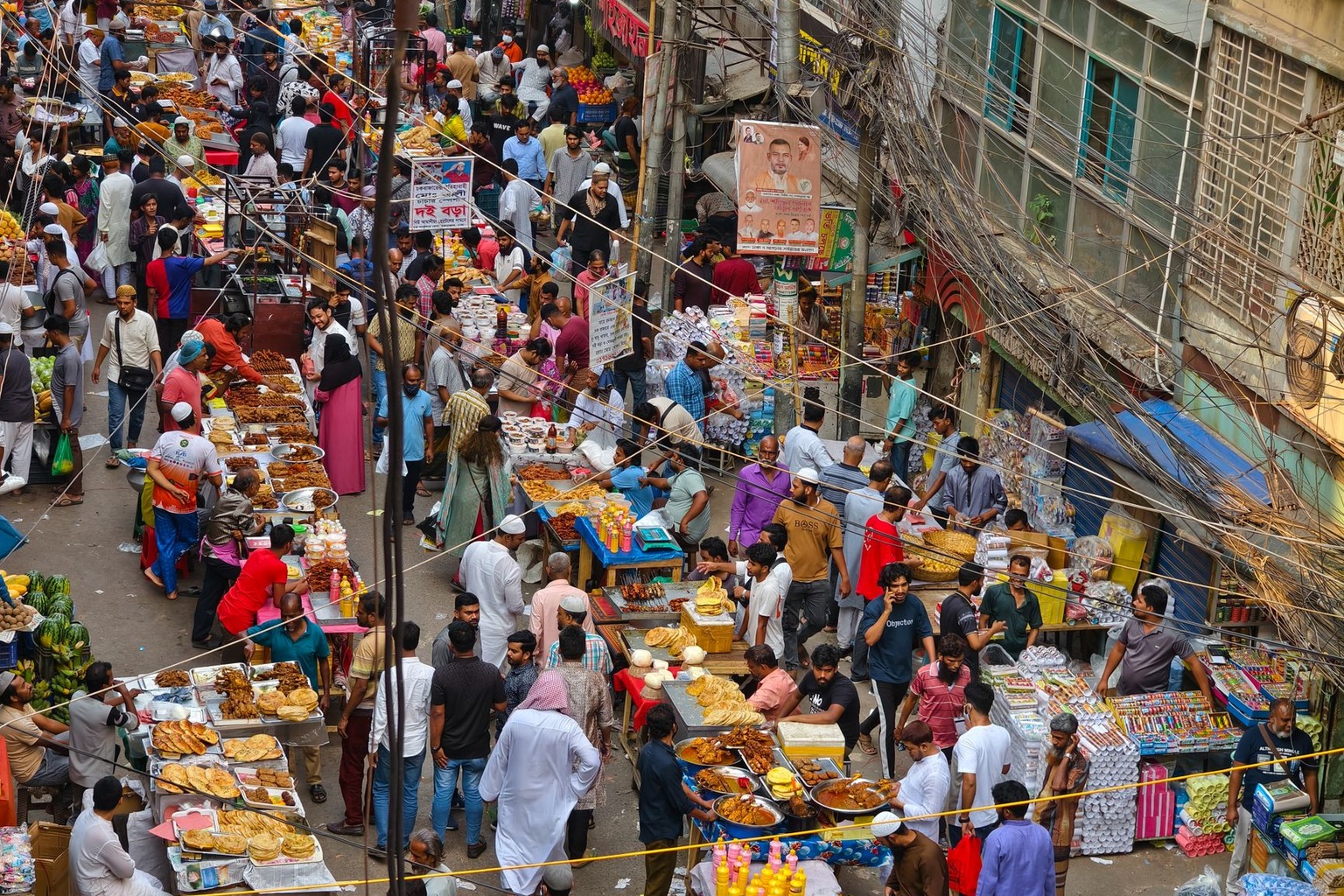
The post-war years didn’t just reshape London’s buildings, they also transformed its food scene, with a focus on affordable, accessible dining that reflected the city’s new working-class ethos. Areas like Poplar and Hackney Wick now host some of the best food markets in the city, where you can sample everything from traditional East End fish and chips to modern fusion dishes. The Poplar High Street Market, for example, has a mix of Caribbean, Turkish, and British pub grub, all served in spaces that feel like they’ve been here since the 1950s. Meanwhile, Hackney Wick’s Hackney Wick Market (held on the first Sunday of the month) is a hub for street food lovers, with vendors selling everything from vegan burgers to Japanese ramen.
On the DW Euromaxx channel they cover London’s brutalist architecture, and you can watch it right here.
For a deeper dive into post-war food culture, seek out the Queen’s House in Greenwich, a historic venue that still hosts events in its original 17th-century setting but is surrounded by modern eateries. Nearby, the Royal Docks area has evolved into a foodie hotspot with restaurants like The Clink, which offers a mix of British and international dishes in a converted warehouse. Don’t miss the Canary Wharf area either, where the The View from The Shard restaurant provides a post-war-inspired menu with views of the city’s skyline. When visiting, book ahead, these spots are popular with both locals and tourists. Pair your meals with a drink at one of the East End’s historic pubs, like The Ten Bells in Wapping, which dates back to 1667 but has a lively modern vibe.
Avoid falling into the trap of only eating in tourist-heavy areas like Covent Garden. Instead, look for the Peckham Market on Saturdays, where you’ll find everything from gourmet burgers to Middle Eastern mezze, all at reasonable prices. The key is to embrace the local flavour, post-war London’s food scene is about community and innovation, not just fine dining. If you’re staying in a hotel, ask your concierge for recommendations in the nearest post-war neighbourhood; they’ll often point you to hidden gems that aren’t on the usual itineraries.
Hidden gems: post-war spots most travellers miss
While the Barbican and the Royal Docks are well-known, many post-war sites remain underrated by tourists. One of the best is the Lee Valley White Water Centre in Stratford, a former industrial site turned into a white-water rafting and kayaking hub. It’s a surprising spot for an active break, especially if you’re visiting with friends who enjoy outdoor adventures. Another overlooked gem is the Battersea Power Station, a post-war industrial landmark that now hosts events like the Battersea Power Station Festival and has a rooftop bar with panoramic views. For something quieter, the Southbank Centre’s Hayward Gallery offers contemporary art in a building that’s a prime example of post-war modernism.
The Canary Wharf area also has hidden surprises, like the One New Change shopping centre, which blends modern retail with historic architecture. Nearby, the Greenwich Foot Tunnel (a 1902 tunnel, but often associated with post-war transport innovations) connects the two sides of the river and is a fun way to explore Greenwich on foot. For a more offbeat experience, visit the Peckham Levels, a former industrial site that’s now a mix of artist studios, cafés, and the Peckham Market. These spots are perfect for photographers, as they offer a mix of raw concrete, greenery, and modern design that’s uniquely London.
Avoid assuming that post-war areas are all about concrete and industry. The Hackney Wick Studios, for instance, are a creative hub with open-air exhibitions and a relaxed atmosphere. Similarly, the Royal Festival Hall in South Bank isn’t just a concert venue, it’s a cultural landmark that hosts everything from classical music to contemporary dance. Always ask locals for recommendations; they’ll often steer you toward spots that aren’t on the usual tourist radar. For instance, a café in the Barbican Centre’s underground car park might be the best place for a quiet coffee break with a view of the towers above.
Transport tips: navigating post-war London efficiently
Getting around post-war London requires a bit of strategy, as many of these areas are served by older or less frequented transport links. The East End is best explored via the DLR (Docklands Light Railway) or the Jubilee Line, both of which connect key post-war sites like the Royal Docks and Poplar. For North London, the Northern Line and the Piccadilly Line are essential, as they take you to the Barbican and Angel stations. South London can be reached via the Northern Line from Waterloo, which drops you near the Tate Modern and Peckham.
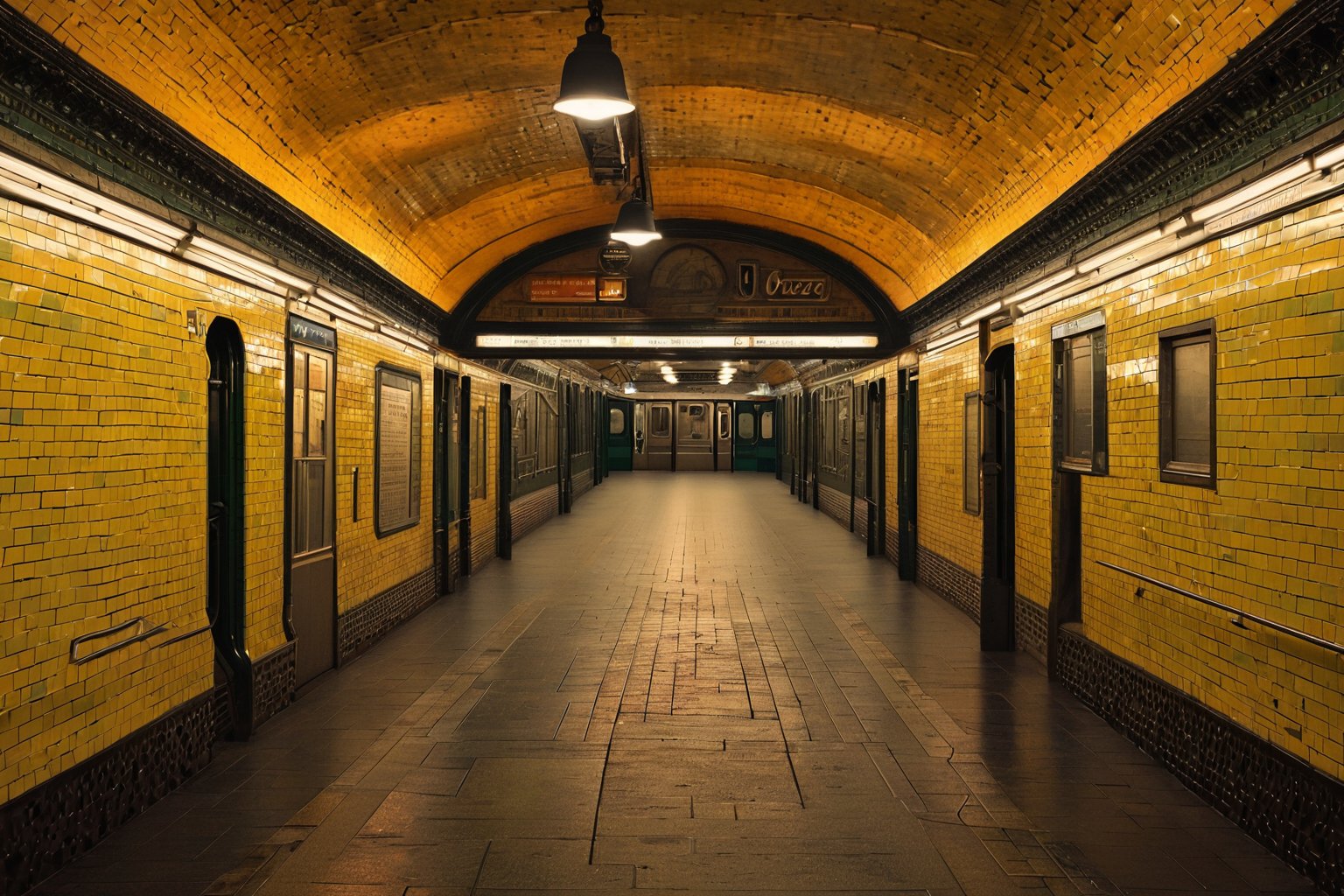
A useful trick is to use the London Underground’s “Tube Map” app, which shows real-time service updates and helps you avoid delays. For example, the Jubilee Line often has limited services on weekends, so plan your trip accordingly. If you’re visiting the Royal Docks, consider taking the DLR to Cutty Sark, then walking along the Thames Path to Greenwich. This route avoids crowded tube stations and gives you a scenic walk along the river. Similarly, when heading to the Barbican, take the Northern Line to Barbican station and then walk the short distance to the Sky Garden, it’s a more pleasant route than trying to navigate the crowded tube exits.
Another common mistake is relying solely on Google Maps for transport, which can sometimes suggest inefficient routes. Instead, use the Transport for London (TfL) Journey Planner for the most up-to-date information. If you’re staying in a hotel, ask the reception for the best way to reach nearby post-war sites, some areas, like Hackney Wick, are best accessed via a short taxi ride or a bike hire. Always carry a spare Oyster card or contactless payment method, as some older tube stations may not accept newer payment methods.
When to visit: seasonal considerations for post-war London
The best time to explore post-war London is during the spring and autumn, when the weather is mild and the city’s outdoor spaces, like the Barbican’s sunken gardens or the Royal Docks’ waterfront, are most enjoyable. Spring brings blooming flowers to the Queen’s House gardens in Greenwich, while autumn offers golden light for photographing the Canary Wharf skyline. Summer can be crowded, especially around the Royal Docks and the Southbank Centre, so plan your visits for weekdays if possible. Winter, however, has its own charm, with festive markets like the one at Canary Wharf and the Barbican Centre’s ice-skating rink.
For food markets, the Poplar High Street Market is best visited on a weekday morning when it’s less busy, while the Hackney Wick Market on the first Sunday of the month is a great time to experience local vendors without the weekend crowds. If you’re visiting in summer, check for outdoor events like the Battersea Power Station Festival, which often features live music and food stalls. In winter, the Southbank Centre’s Christmas market is a post-war-inspired addition to the city’s festive scene, with stalls selling everything from mulled wine to handmade gifts. Always check event calendars in advance, as some post-war venues host temporary exhibitions or installations.
Avoid visiting during major public holidays, as many post-war sites may have limited opening hours. For example, the Tate Modern often closes early on Bank Holidays, and some markets may shut down entirely. If you’re planning a longer trip, consider breaking it into segments, spend a day in the East End, another in North London, and a final day in South London. This way, you can experience the city’s post-war layers without feeling rushed. Pack layers, as weather can change quickly, especially near the Thames.

I love exploring London’s hidden corners and sharing what I discover with fellow travellers. When I’m not wandering the streets of the capital, I enjoy writing detailed guides that help others make the most of their visit.