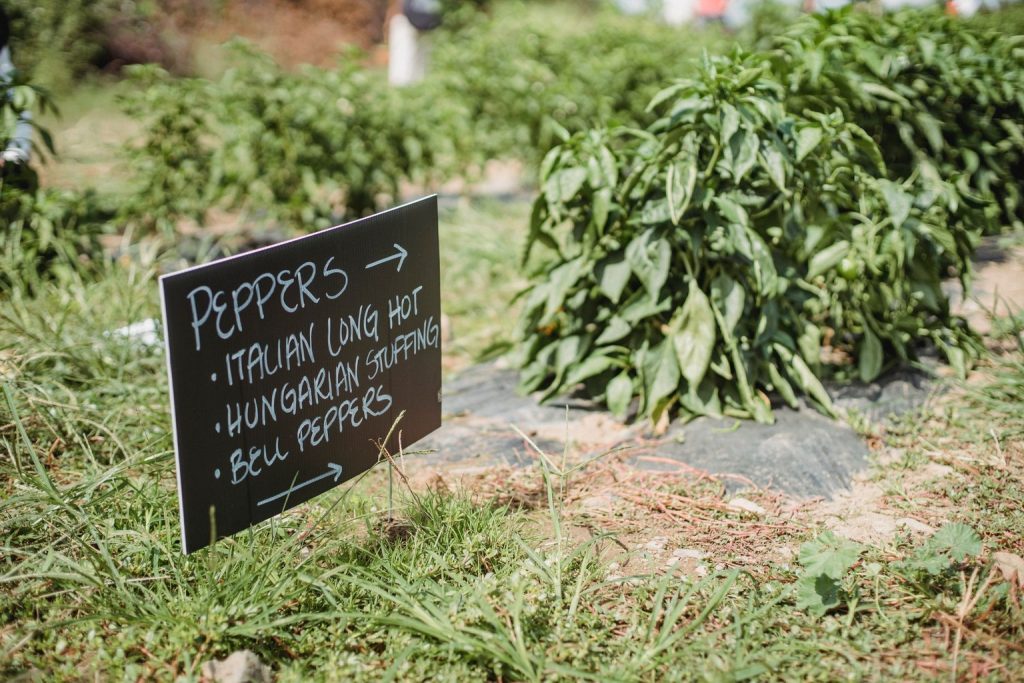
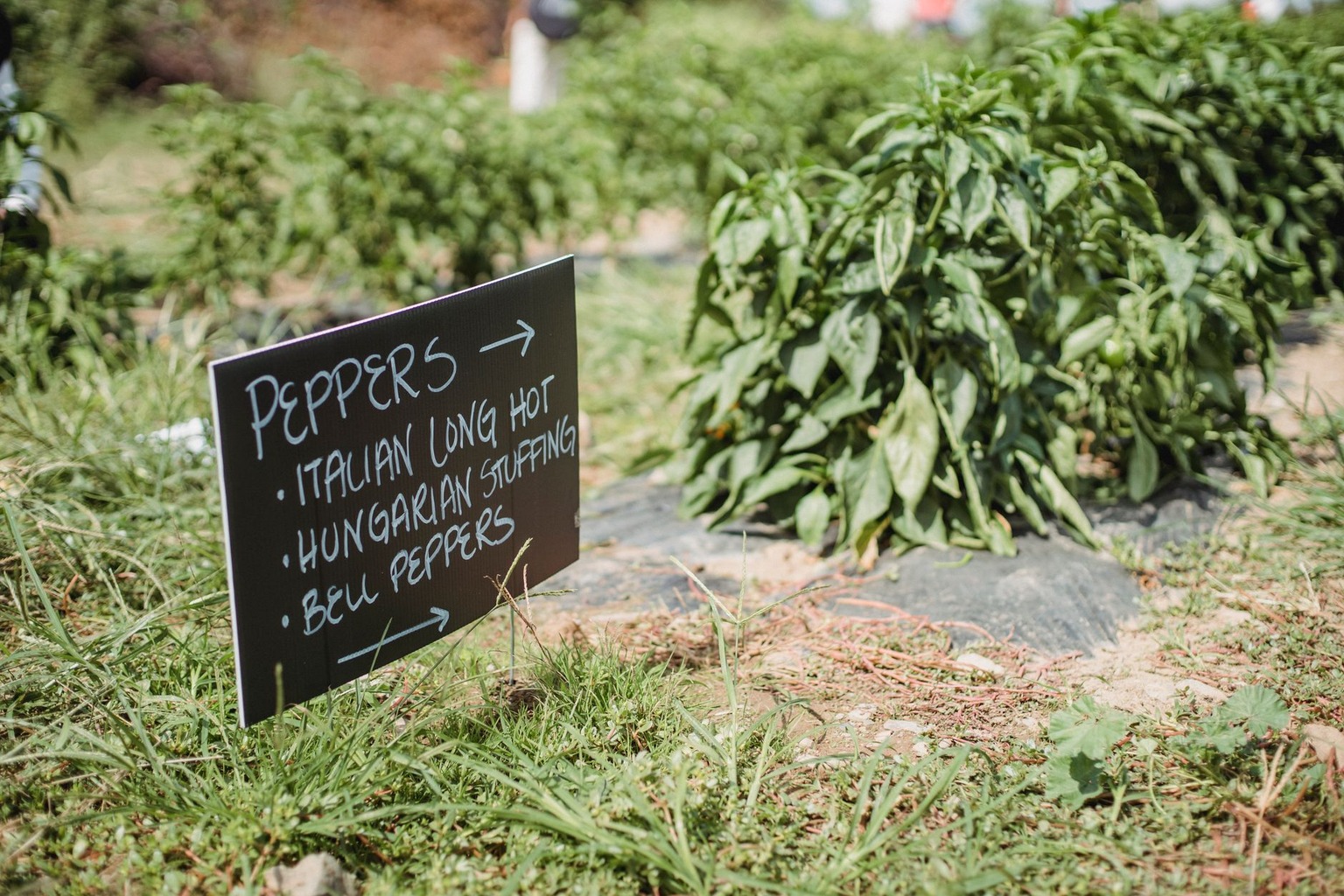
London’s skyline isn’t just a backdrop for skyscrapers and landmarks, it’s becoming a vertical playground for urban agriculture. By 2026, rooftop farms will be a defining feature of the city’s landscape, offering more than just fresh produce. They’re social hubs, educational experiences, and even Instagram-worthy photo spots, blending sustainability with the kind of vibrant local culture that makes London unforgettable. These farms aren’t just for foodies or eco-warriors; they’re for anyone curious about how cities are reimagining their relationship with nature, and they’re increasingly designed with tourism in mind.
The engineering marvels behind London rooftop farms
What makes a rooftop farm work isn’t just green space, it’s a carefully calibrated system of hydroponics, aeroponics, or even traditional soil-based growing, all adapted to withstand London’s unpredictable weather. The most advanced setups use LED grow lights to mimic the sun’s spectrum, while rainwater harvesting and grey water recycling systems ensure minimal waste. Take the Sky Garden at 20 Fenchurch Street, for example, which combines a public terrace with a small herb garden, though it’s not yet a full farm. The next generation of rooftop farms, however, will integrate these technologies seamlessly, with some even offering guided tours where visitors can see how hydroponic lettuce grows in just three weeks compared to the six months it takes in traditional soil. The structural challenge isn’t just about weight, it’s about creating spaces that feel open and airy, not like a greenhouse. Many new designs use modular, lightweight materials that don’t compromise the building’s integrity while still allowing natural light to flood the space.
One of the most exciting developments is the use of vertical farming techniques, where plants grow in stacked layers rather than sprawling across flat surfaces. This isn’t just about efficiency, it’s about creating a dynamic, almost sculptural experience for visitors. Farms like The Roof Gardens at 120 Holborn, which opened in 2025, have become social hotspots where locals and tourists alike can wander through a lush, multi-level garden filled with everything from strawberries to microgreens. The vertical design also means that even in a city where space is at a premium, you can grow a surprising amount of food without sacrificing the rooftop’s primary function as a public or recreational space.
How London rooftop farms are redefining urban tourism
London rooftop farms are no longer just about growing food, they’re becoming destinations in their own right. In 2026, many will offer more than just a glimpse behind the scenes; they’ll provide full sensory experiences. Imagine stepping onto a rooftop at The Shard, where the air is filled with the scent of fresh basil and mint, and the view of the Thames below is framed by rows of cherry tomatoes ripening on trellises. These spaces are designed to be photographed, shared, and savoured, blending the aesthetics of a high-end rooftop bar with the tactile joy of picking your own produce. Some farms, like those at the Barbican Centre, even host seasonal pop-up markets where visitors can buy what they’ve grown or learn from local chefs about how to cook it.
The tourism angle goes beyond just the visual appeal. Many rooftop farms now offer interactive workshops, such as foraging tours or cooking classes where participants can turn their harvest into a meal. For example, the farm at the Old Truman Brewery in Spitalfields hosts monthly events where visitors can learn to make pesto from the basil they’ve picked that morning. These experiences aren’t just educational, they’re immersive, turning a simple visit into a memorable part of a London itinerary. Even if you’re not a gardener, the chance to stand among towering herb spirals or watch bees buzzing between rows of flowers makes for a uniquely London experience, one that connects you to the city’s green future.
The best London rooftop farms to visit in 2026
Not all rooftop farms are created equal, and by 2026, the city will have a mix of fully operational farms, hybrid spaces, and experimental projects. The most tourist-friendly options will be those that offer more than just a peek at the growing process, they’ll provide a full experience. One standout is the rooftop farm at the Museum of London, which combines historical exhibits with a living garden showcasing plants used in Roman times. Visitors can walk through a reconstructed Roman kitchen garden while learning about ancient farming techniques, making it a fascinating stop for history buffs and foodies alike. Meanwhile, the farm at the Queen Elizabeth Olympic Park is expected to open in 2026 with a focus on community engagement, offering guided tours and even the chance to adopt a small plot to grow your own herbs.
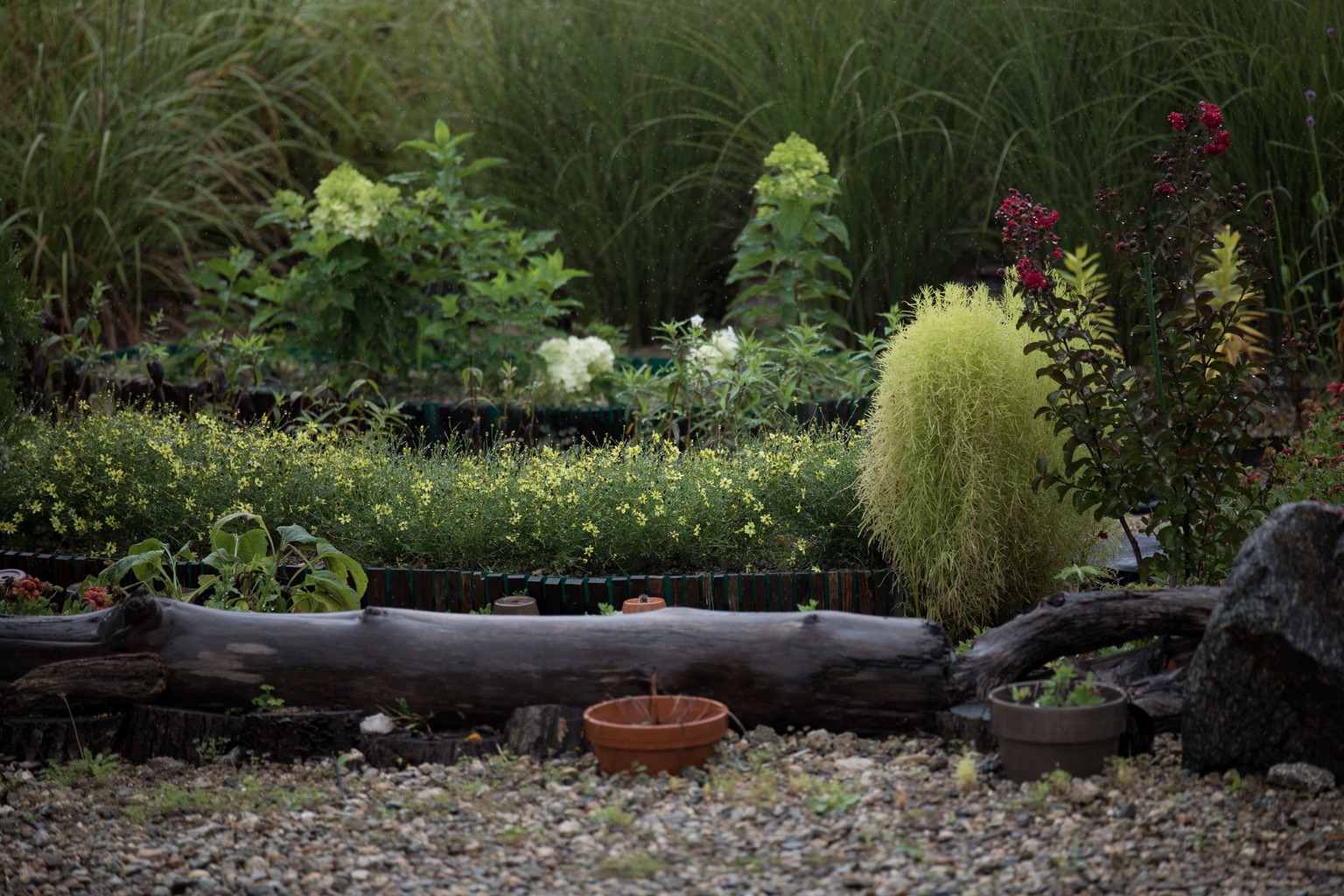
For those who want a more relaxed visit, the rooftop at the Park Hotel in Kensington is set to become a serene escape with a small farm section dedicated to growing rare and exotic herbs. The space will also feature a café where visitors can enjoy a coffee made with beans roasted just downstairs, paired with a dish featuring ingredients from the rooftop. This kind of integration, where food, drink, and farming come together, is what will make these rooftop farms stand out as must-visit spots. Even the more industrial-looking farms, like the one at the Canary Wharf Tower, are expected to soften their edges with public terraces and seasonal events, ensuring there’s something for everyone.
The role of rooftop farms in London’s food culture
London’s food scene has always been a melting pot of influences, and rooftop farms are now playing a key role in shaping its future. By 2026, many restaurants and cafés will source ingredients directly from nearby rooftop farms, reducing their carbon footprint and offering fresher, more seasonal dishes. The farm at the Neal’s Yard Hotel, for instance, is expected to supply herbs and microgreens to its on-site restaurant, creating a hyper-local dining experience. This isn’t just good for the environment, it’s also good for the palate. Imagine biting into a salad where every leaf was grown just a few floors below, or sipping a cocktail garnished with a sprig of thyme picked that morning. These small touches elevate the dining experience, making it feel more intimate and connected to the city’s green spaces.
The cultural impact of rooftop farms extends beyond food, too. They’re becoming symbols of London’s commitment to sustainability, and their presence in high-profile locations signals a shift in how the city thinks about urban development. Farms like the one at the Bloomberg European HQ, which opened in 2025, have already sparked conversations about corporate responsibility and the future of work. By offering spaces where employees can relax among plants, these farms are redefining what it means to work in a city. For tourists, this means that visiting a rooftop farm isn’t just about seeing something new, it’s about witnessing a piece of London’s evolving identity, where nature and urban life coexist in unexpected ways.
What to expect when visiting a London rooftop farm
Visiting a rooftop farm in London by 2026 will be different from the traditional museum or gallery visit. Most will require booking in advance, especially during peak seasons, as they’re designed to accommodate limited numbers to preserve the environment and ensure a peaceful experience. Expect to arrive at a time when the light is soft, early morning or late afternoon, when the air is cooler and the plants are most vibrant. Many farms will have staff on hand to explain the growing processes, from hydroponic setups to pollinator-friendly planting strategies. Some may even offer a small souvenir, like a packet of seeds or a jar of homemade pesto, to take home as a memento. The best visits will feel like a mix of a nature walk and a cooking class, with plenty of opportunities to snap photos against the backdrop of London’s skyline.
Accessibility is another key consideration. By 2026, most major rooftop farms will have ramps or elevators to ensure they’re welcoming to all visitors, though some may still have steep steps or uneven surfaces. It’s worth checking the specific farm’s guidelines before you go, as some may require advance notice for accessibility arrangements. Dressing for the weather is also important, London’s rooftops can be exposed to wind and sun, so layers and a hat are a good idea. Finally, be prepared to move slowly. Unlike a bustling market or a crowded museum, rooftop farms are designed for contemplation, so take your time to soak in the sights, sounds, and smells of this unique urban green space.
The future of London rooftop farms and their tourist appeal
By 2026, London’s rooftop farms won’t just be a novelty, they’ll be a staple of the city’s tourism offerings. The next evolution will likely see more integration with augmented reality, where visitors can scan plants to learn about their origins or see how they grow over time. Some farms may even offer virtual reality experiences, allowing guests to “visit” other cities’ rooftop farms or historical gardens. This blend of technology and tradition will make these spaces even more engaging, especially for younger visitors who are used to interactive experiences. The goal won’t just be to grow food, it will be to create unforgettable moments that leave visitors with a deeper connection to London’s green future.
What’s clear is that rooftop farms are here to stay, and their role in London’s tourism landscape will only grow. As the city continues to urbanise, these green spaces will offer a rare chance to pause, breathe, and reconnect with nature, all while enjoying one of the best views in the world. Whether you’re a foodie, a sustainability enthusiast, or simply someone who loves a good photo op, London rooftop farms are the kind of experience that turns a visit to the city into something truly special. The best part? You don’t need to be a local to enjoy them, they’re open to everyone, and by 2026, they’ll be waiting for you with fresh produce and open arms.

I love exploring London’s hidden corners and sharing what I discover with fellow travellers. When I’m not wandering the streets of the capital, I enjoy writing detailed guides that help others make the most of their visit.