London operates as a multi-layered historic archive where every single street corner carries the heavy weight of centuries gone by. Most travellers simply wander aimlessly between famous landmarks, missing the narrative thread that connects the physical architecture to specific historical epochs. Structuring your sightseeing around era-based cultural walking routes transforms a standard city break into a chronological journey through time. You start noticing how Roman foundations dictate modern alleyways, or how Georgian planning shaped the leafy squares of the West End. This analytical approach to urban exploration requires understanding the driving forces behind London physical evolution and its shifting cultural epicentres.
Deciphering Roman Londinium Beneath the Modern Pavement
Walking the literal footsteps of the first settlers requires an eye for subtle architectural anomalies in the financial district. The original Roman wall, built around the year 200, still casts a shadow over places like Tower Hill and London Wall where fragments emerge between brutalist office blocks. You need to look downward at brass markers embedded in pavements that outline the ancient amphitheatre beneath Guildhall Yard. These physical boundaries dictate why certain streets remain narrow pedestrian corridors instead of wide vehicular thoroughfares. Grasping this ancient blueprint changes how you experience the modern city because you realise the financial core retains a Roman layout.
The geographical constraints of the original settlement explain why density became the defining characteristic of early urban planning. Visitors often miss the Temple of Mithras, hidden beneath Bloomberg European headquarters, which offers a rare subterranean glimpse into Roman religious life. Walking this route reveals how the River Walbrook once carved a natural valley through the terrain before getting buried entirely underground. Local authorities curate these archaeological sites to let tourists walk through excavated floors and view genuine artifacts recovered from the silt. Understanding these subterranean layers prevents you from viewing the city merely as a Victorian creation.
Navigating Tudor and Stuart Intrigue in the City Core
Shifting forward by a millennium brings you into the timber-framed chaos of the Tudor era that miraculously survived the Great Fire. Staple Inn in Holborn provides one of the few authentic visual records of domestic architecture from the late sixteenth century. Walking past these overhanging timber structures allows you to visualise the cramped, disease-ridden alleyways that Londoners navigated during the reign of Elizabeth the First. The key factor in appreciating this era is recognizing how the monarch and the merchant class constantly vied for architectural dominance within the walled city. You begin to see the transition from fortified medieval living to Renaissance commercial ambition.
Moving closer to the river leads you to the Southwark bankside, which historically operated outside city jurisdiction and hosted theatres, inns, and dubious entertainments. This area witnessed the flourishing of Shakespearean drama, and walking the South Bank today evokes the rowdy atmosphere of Elizabethan playgoers crossing the Thames. The reconstructed Globe Theatre acts as a physical anchor for this route, demonstrating traditional Elizabethan construction methods using timber and thatch. Observing these details helps you understand the cultural divide between the pious city merchants and the theatrical crowds across the water. Nuances in local laws allowed art and vice to thrive in these exact marshy suburbs.
Uncovering Georgian Elegance and Enlightenment in the West End
The eighteenth century brought rational planning, neoclassical symmetry, and aristocratic development to the marshy fields north of the Strand. Walking through Bloomsbury or Mayfair exposes the genius of speculative builders who laid out symmetrical squares surrounded by terraced townhouses. These grand green spaces served as private gardens for wealthy residents who wanted to escape the smoke and congestion of the overcrowded city center. The urban outcome of this period is a remarkably ordered street grid that still dictates high-end residential zoning today. You notice how the architecture reflects the Enlightenment obsession with proportion, order, and classical authority.
On the Chloe VS History channel, they explore Victorian London in depth, and you can watch it right here.
Literary figures and radical thinkers inhabited these exact Georgian brick townhouses, turning coffee houses into hubs of political debate and scientific discovery. Walking past the Blue Plaques on Bedford Square reveals the residences of abolitionists, poets, and early economists who shaped modern British thought. The physical preservation of these districts is largely due to strict estate management by aristocratic landowners like the Duke of Bedford. This historical nuance explains why these neighborhoods retained their uniform aesthetic while other parts of London underwent brutal modernisation. Experiencing this era on foot highlights the stark contrast between aristocratic luxury and the grinding poverty documented by contemporary writers.
Mapping Victorian Industry and Dickensian Poverty
The nineteenth century injected an unprecedented surge of iron, steam, and human misery into the urban fabric of the British capital. Tracing a Victorian route through areas like Clerkenwell or Whitechapel exposes the brutal architectural realities of the industrial revolution and rapid urbanisation. You walk past monolithic railway termini like St Pancras, which symbolized imperial confidence and engineering supremacy on a massive global scale. These massive transport hubs tore through historic neighborhoods, displacing thousands of working-class families into overcrowded slums nearby. The resulting spatial segregation is still visible if you compare the grand hotels of the railway barons to adjacent tenement housing blocks.
Literature serves as the ultimate map for this era, allowing you to walk the same foggy thoroughfares that inspired Charles Dickens and Arthur Conan Doyle. Exploring the East End reveals the stark physical legacy of dock expansion, where goods from the empire arrived in staggering quantities daily. The outcome of this commercial explosion was a deeply divided city where extreme wealth and destitute poverty existed mere streets apart. Walking these routes in the late afternoon captures the moody atmosphere that nineteenth-century novelists captured in their serialized publications. Paying attention to surviving dock warehouses and mission halls provides tangible evidence of social reform movements.
Tracing Mid-Century Modernism and Post-Blitz Reconstruction
The aftermath of the Second World War forced London to reinvent its architectural identity through concrete, optimism, and radical social housing projects. A modernist walking route through the Barbican Estate or the South Bank reveals a utopian vision of high-density urban living. Planners wanted to elevate pedestrians above traffic by constructing sprawling elevated walkways and massive brutalist residential towers. This era represents a deliberate break from traditional brick and stone construction in favor of raw concrete finishes and integrated public art. Understanding this period requires appreciating the political ambition behind the welfare state and its physical manifestation in urban design.
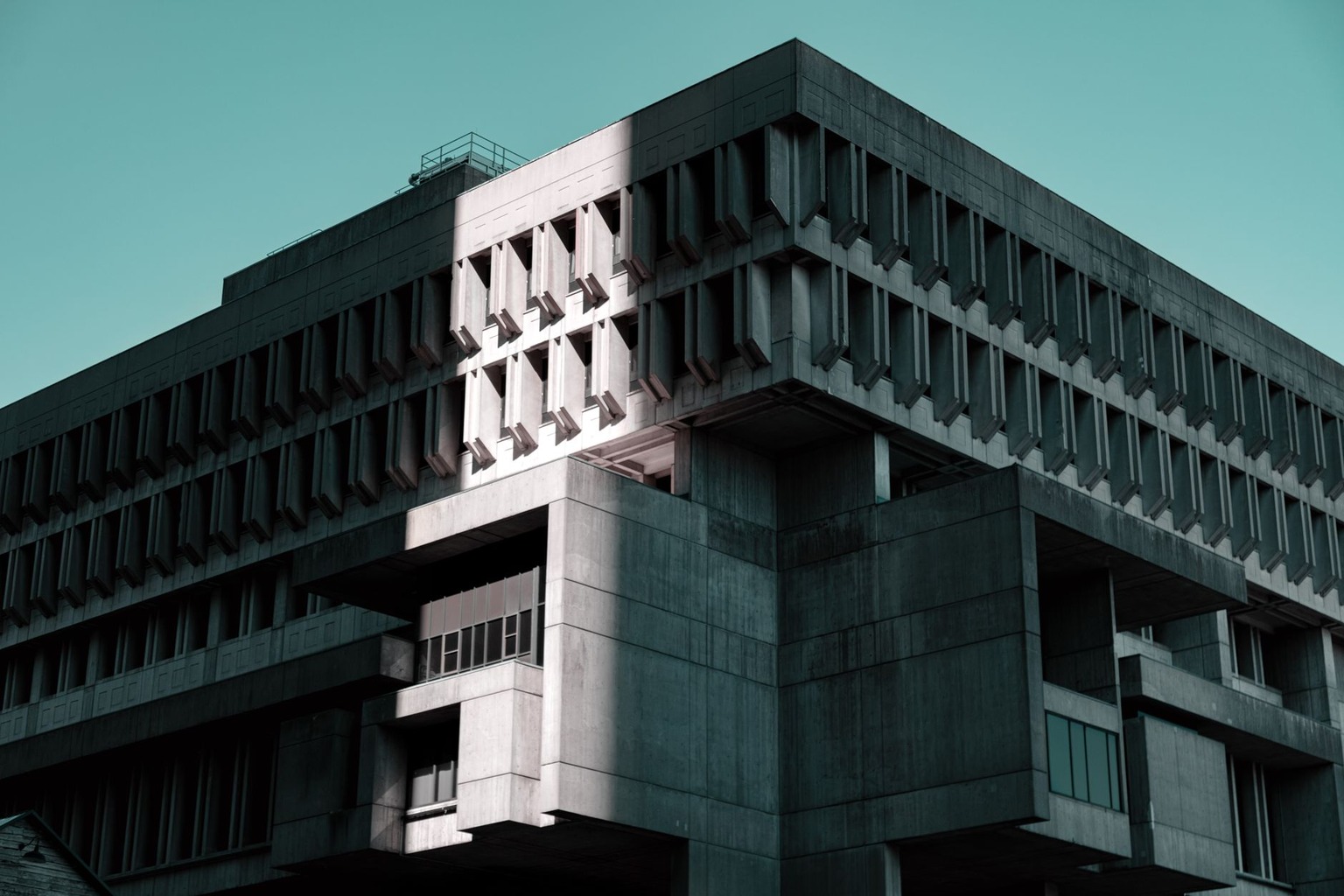
The success of these post-war developments remains a subject of intense architectural debate among modern visitors and local residents alike. Walking through the labyrinthine concrete blocks of the Barbican demonstrates how pedestrian-only zoning can create surprising tranquility amidst a bustling metropolis. The cultural outcome of this rebuilding effort transformed former industrial ruins into thriving arts centers housing theatres, cinemas, and galleries. Navigating these spaces on foot exposes the practical triumphs and maintenance challenges of mid-century urban engineering. You begin to see concrete not as cold and hostile, but as a bold statement of civic renewal and democratic cultural access.
Experiencing Contemporary Regeneration and Post-Industrial Waterfronts
The twenty-first century has shifted London focus toward reclaiming post-industrial wastelands and transforming former docklands into high-tech cultural hubs. A contemporary walking route through King Cross or the revitalised riverfront shows how old gasometers and granary buildings integrate with cutting-edge architecture. This era prioritises pedestrianisation, sustainable energy systems, and public plazas that draw massive crowds for outdoor dining and cultural events. The driving force behind these transformations is the desire to compete on a global stage as a capital of design, technology, and finance. You witness how heritage structures get preserved as decorative centerpieces surrounded by sleek glass and steel towers.
These modern regeneration projects create new cultural districts that attract global tech companies, independent food markets, and avant-garde art installations. Walking along the Thames Path near Battersea Power Station shows how industrial heritage turns into luxury residential and retail destinations. The practical takeaway from exploring these new routes is seeing how London constantly digests its industrial past to fuel future growth. This continuous cycle of destruction and reinvention is the defining characteristic of the city across all eras. By walking these themed routes chronologically, you gain a profound appreciation for how London keeps reinventing its identity.

I love exploring London’s hidden corners and sharing what I discover with fellow travellers. When I’m not wandering the streets of the capital, I enjoy writing detailed guides that help others make the most of their visit.