When planning a sightseeing tour of the British capital, focus on locations with deep historical significance, from governance to rebellion. Walking through the city streets reveals monuments and assembly rooms where monarchs lost their absolute power and ordinary citizens demanded a voice. Visitors often rush to standard commercial hotspots, but focusing an itinerary on governance landmarks gives your trip a profound intellectual depth. You will need comfortable walking shoes, an Oyster card loaded with transit credit, and a healthy appreciation for parliamentary drama. Organizing your route geographically prevents exhausting cross-town journeys and lets you appreciate how close the levers of power always sat to the River Thames.
Mapping Your Political Route Around Whitehall
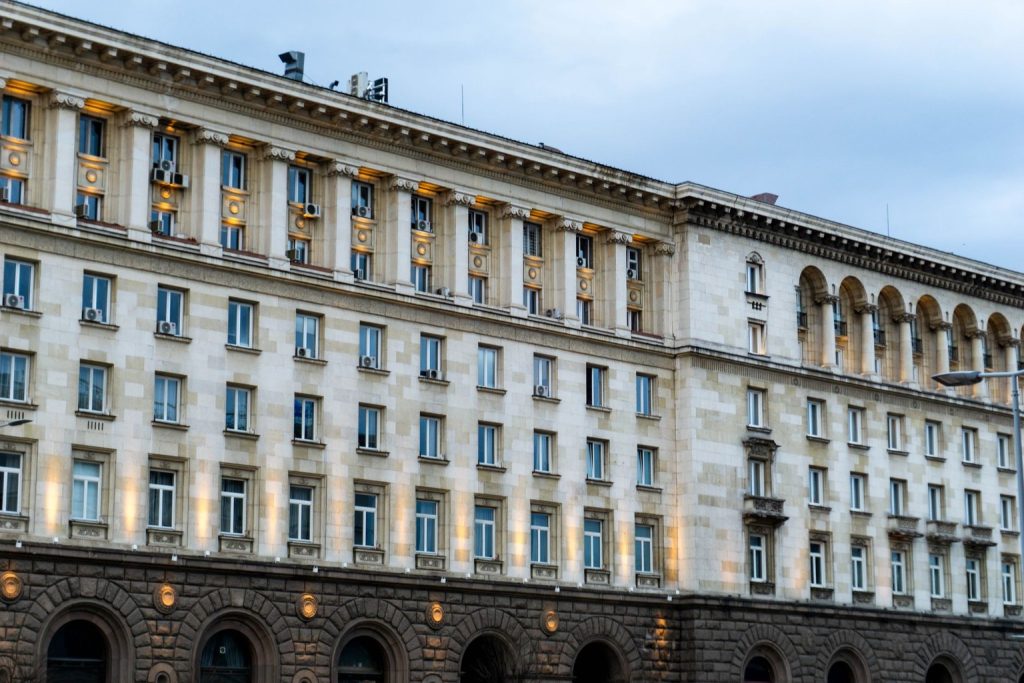
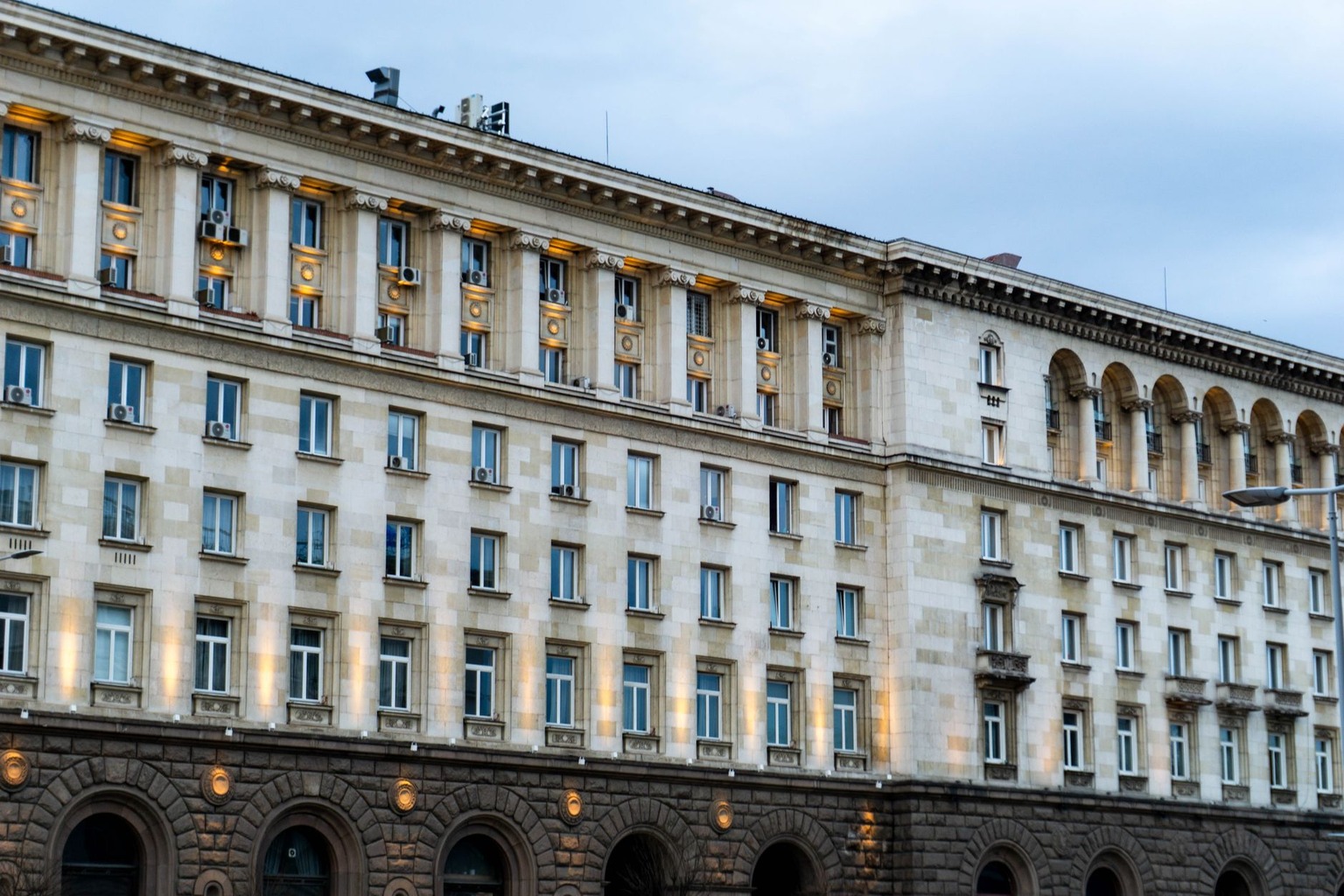
Start your historical exploration at the northern end of Whitehall, which serves as the administrative heart of the United Kingdom and houses most government ministries. You can easily reach this stretch by taking the underground to Westminster station and walking past the grand stone facades of the Ministry of Defence. Keep your camera ready for the horse guards at the entrance of Horse Guards Parade, a site that regularly hosts major ceremonial events and military reviews. Notice the subtle details on the historic lamp posts and stone masonry because they often bear the marks of royal ciphers dating back centuries. Give yourself at least two hours for this section alone since stopping to read every commemorative plaque takes unexpected time.
Walking further down this grand boulevard brings you directly to Downing Street, where a heavily guarded black iron gate restricts public pedestrian access. While you cannot stroll up to the famous number ten door anymore, peering through the security barriers offers a thrill for anyone familiar with modern political broadcasts. Across the street stands the statue of Winston Churchill, glaring steadfastly towards the houses of Parliament with a bronze determination that defines wartime leadership. Tour guides often point out the nearby cenotaph memorial, a solemn monument that reminds every passerby of the heavy human cost tied to state decisions. Make sure to observe a quiet moment of respect here before moving on to the more lively public squares nearby.
Securing Tickets For The Palace Of Westminster
No journey focused on governance is complete without touring the Palace of Westminster, commonly known as the Houses of Parliament, sitting right on the riverbank. Overseas visitors must book their audio tours or guided group packages months in advance through the official parliamentary website to guarantee entry. On the day of your visit, arrive at the St Stephens entrance at least thirty minutes prior to your scheduled slot for thorough security screening. You will walk through the magnificent Westminster Hall, which dates back to the eleventh century and has hosted trials for famous historical figures like Guy Fawkes. Admire the intricately carved timber roof and imagine the countless kings, queens, and members of parliament who paced these exact stone floors.
Stepping into the House of Commons and the House of Lords chambers reveals the distinct green and red leather seating arrangements that dictate modern British debate. Your guide will explain the fascinating traditions of the building, including the ancient role of Black Rod and the ceremony of the Queens Speech. Photography is strictly prohibited inside the active debating chambers to protect the privacy of ongoing legislative sessions, so you must rely entirely on your memory. After the guided walk, spend some time browsing the excellent gift shop located in the basement for unique books on political history. This specific attraction sets a high standard for any traveler interested in how laws are crafted in a constitutional monarchy.
Uncovering Westminster Abbey And Coronation Secrets
Just across the paved square from Parliament lies Westminster Abbey, a majestic gothic structure that has hosted every royal coronation since William the Conqueror in ten sixty six. Purchasing a fast track entry ticket online saves you from waiting in the notoriously long queues that snake around the outer courtyard every morning. Inside, the soaring vaulted ceilings create a hushed atmosphere where visitors can walk past the tombs of monarchs, poets, and scientific geniuses. Pay special attention to the Coronation Chair, a wooden throne that has seated generations of British rulers taking their sacred oaths before the altar. Many political alliances and royal marriages were forged within these ancient walls, altering the course of the nation through divine right and diplomacy.
On the Legacy Logic channel, they offer Guided history walks through London’s historical sites, and you can watch their tour of Central London right here.

Allocate roughly two hours to wander through the various chapels and cloisters, ensuring you do not miss the Henry VII Lady Chapel with its breathtaking stone fan vaulting. Audio guides are included with your admission fee and provide rich storytelling that brings the marble statues and dusty tombs vividly back to life. Security checks at the main entrance are rigorous, so leave large backpacks at your hotel to speed up the process considerably. Many tourists fail to realize that this abbey operates as a working church, meaning parts of it occasionally close for special services and evensong. Planning your arrival around these schedule changes guarantees you will not miss the primary historical rooms and coronation sites.
Exploring The Cabinet War Rooms Beneath Westminster
Descending into the Churchill War Rooms beneath the streets of Westminster transports you instantly back to the tense atmosphere of the Second World War. This subterranean bunker complex served as the nerve centre where Churchill and his military chiefs directed operations against enemy forces during dark nights. Booking your entry time online is mandatory due to limited capacity inside the underground corridors, which preserves the original layout and artifacts. You will receive a handheld audio device that guides you through maps, sleeping quarters, and the famous Cabinet Room where critical decisions unfolded. Notice the untouched clutter on the desks, including vintage typewriters, telephones, and half smoked cigars that make the history feel immediate and real.
The adjoining Churchill Museum offers an interactive timeline of his long career as a soldier, journalist, and twice serving prime minister of the country. Visitors often spend an hour alone reading his handwritten notes and listening to authentic radio broadcasts that rallied a frightened nation through adversity. The exit leads you right into St Jamess Park, providing a sharp and welcome contrast between dark underground bunkers and lush green open spaces. Grab a coffee from the nearby park kiosk and reflect on the immense pressure faced by leaders who worked twenty hour days underground. This location bridges the gap between grand parliamentary architecture and the gritty reality of crisis management.
Visiting The Supreme Court And Legal Landmarks
Moving away from traditional royal and parliamentary sites brings you to Middlesex Guildhall on Parliament Square, which currently houses the United Kingdom Supreme Court. This striking art nouveau building features intricate architectural carvings of flora and fauna, making it one of the most distinctive judicial facades in London. Members of the public can actually sit in on legal hearings when the court is in session, provided there are available seats in the gallery. You need to check the daily cause list on their official website ahead of time to see which appeals are being argued during your stay. Security staff are exceptionally helpful, and visitors are welcome to explore the public exhibition area and educational displays on the ground floor.
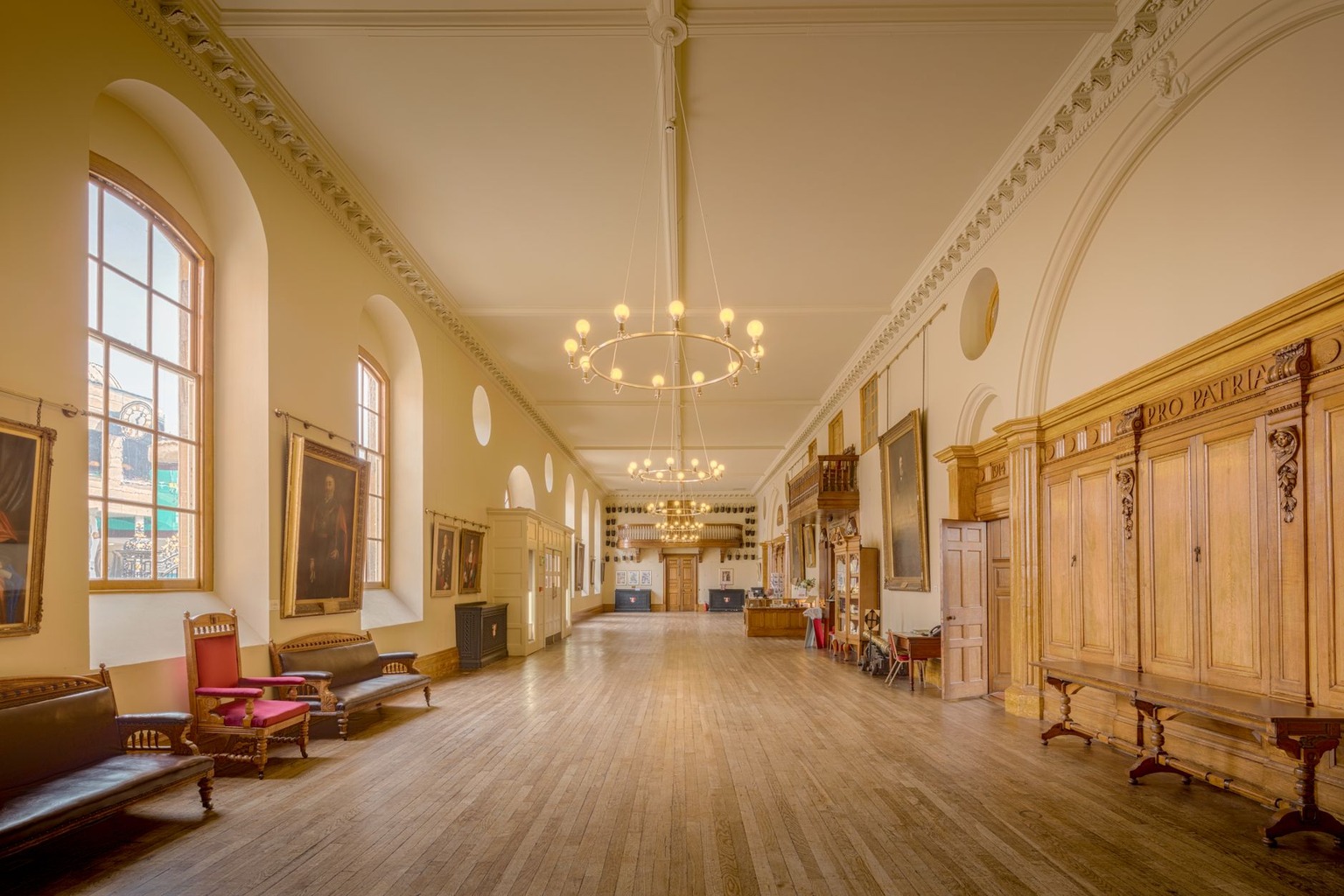
Walking a short distance north towards the Embankment leads you to the historic Inns of Court, where barristers have trained and practiced for centuries. Places like Lincoln’s Inn and Inner Temple boast quiet cobbled courtyards, gas lamps, and ancient brick halls that feel entirely detached from modern city life. You can wander freely through these legal enclaves during daytime hours, admiring the architectural continuity and soaking up the studious atmosphere. Many famous political reformers and prime ministers studied law in these very buildings before entering the rough and tumble world of elections. Taking a leisurely stroll here offers a peaceful escape from the heavy crowds while deepening your understanding of the British legal system.
Navigating Public Transport And Avoiding Common Tourist Traps
Successfully navigating these historic governance sites requires avoiding the trap of buying overpriced hop on bus tours that get hopelessly stuck in Whitehall traffic jams. Using the London Underground or simply walking between locations is far more efficient, especially since most key political landmarks sit within a compact area. Purchase a contactless payment card or top up an Oyster card to tap through station barriers effortlessly without waiting in ticket machine lines. Always check for weekend engineering works on the tube network before setting out, as transport authorities frequently update tracks on Saturdays and Sundays. Planning your daily routes with a reliable navigation application saves you from frustrating delays and missed entry slots.
Another frequent mistake is attempting to tour too many major interior attractions on a single day, which leads to mental fatigue and rushed sightseeing. Pairing one major interior visit like Parliament or the Abbey with an outdoor walking tour of Whitehall creates a much more balanced daily schedule. Be wary of unauthorized ticket scalpers loitering outside major attractions offering instant entry, as these are often scams targeting unsuspecting foreign visitors. Always purchase your permits directly through official venue websites to secure legitimate pricing and reliable customer support if your plans change. By keeping your itinerary realistic and pacing your steps wisely, you will experience the rich political heritage of the capital with absolute confidence.

I love exploring London’s hidden corners and sharing what I discover with fellow travellers. When I’m not wandering the streets of the capital, I enjoy writing detailed guides that help others make the most of their visit.