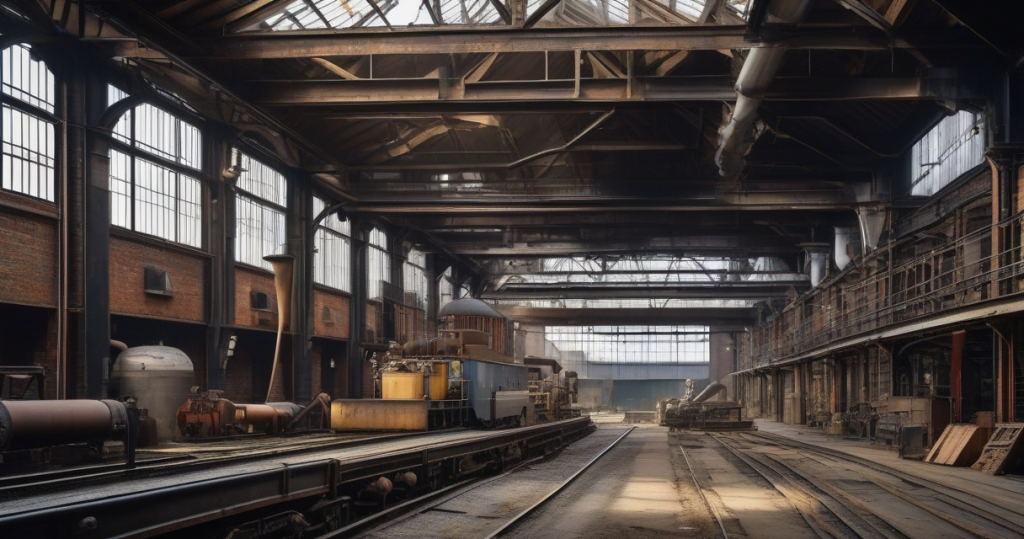
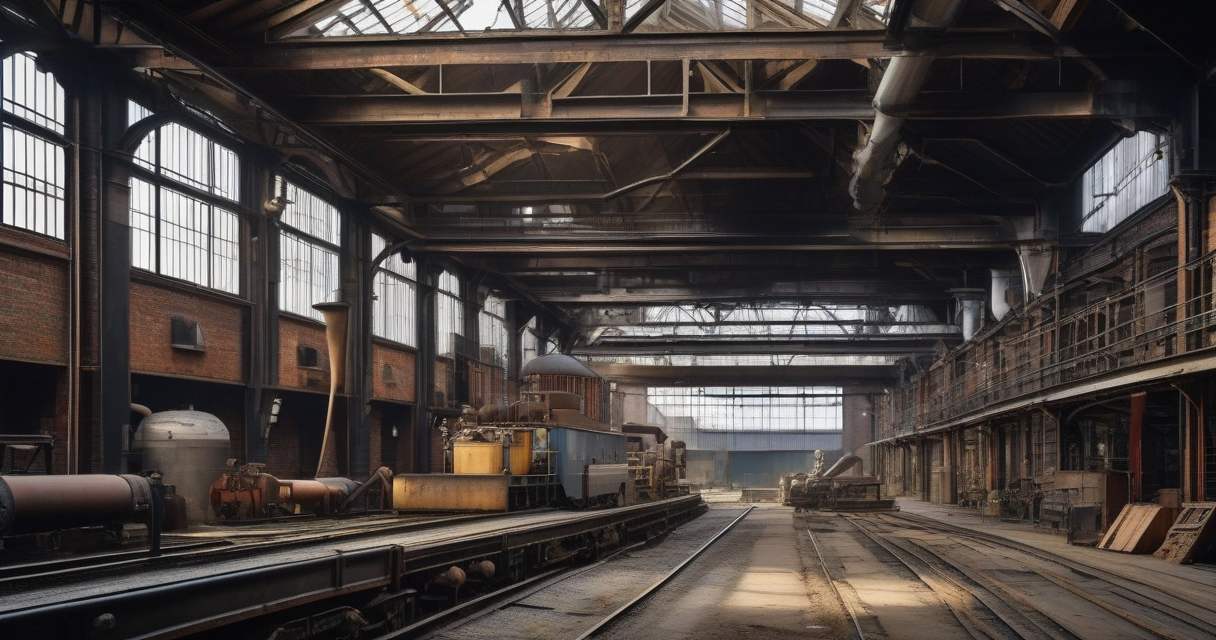
Exploring London’s industrial heritage sites offers a fascinating glimpse into the city’s transformation from a hub of manufacturing and innovation to the vibrant metropolis it is today. These locations, often overlooked by typical tourists, provide a unique perspective on the city’s past, showcasing architectural ingenuity and the evolution of industry. For travellers keen on combining history with culture, visiting these sites reveals stories of labour, invention and urban development. This guide will walk you through the practical steps to plan and enjoy a visit to some of London’s most notable industrial heritage landmarks, ensuring you make the most of your journey into the city’s industrial past.
Identify Key Industrial Heritage Sites to Visit
Before setting out, it’s important to decide which industrial heritage sites in London you want to explore. Some of the most remarkable include the iconic Tate Modern, housed in the former Bankside Power Station, and the Brunel Museum, dedicated to the engineering marvel of the Thames Tunnel. Another must-see is the Crossness Pumping Station in South East London, often called the ‘Cathedral of Sewage’ due to its stunning Victorian ironwork and architecture. Researching these places in advance will help you prioritise your itinerary, as each site offers a distinct experience, from art and engineering to the history of urban infrastructure. Check opening times and whether guided tours are available, as these can greatly enrich your visit.
Many industrial sites have been repurposed into museums, galleries or community spaces, blending history with modern use. For example, the Old Truman Brewery in East London combines industrial history with creative arts and markets. Mapping out these locations geographically can also save time and help you group visits efficiently, especially if you want to explore several in one day. Consider starting with sites near central London before venturing to those in the outer boroughs to make travel more manageable.
Plan Your Transport and Timing for Site Visits
London’s extensive public transport network makes visiting industrial heritage sites straightforward, but careful planning is essential to avoid wasted time. Many sites are accessible by Tube, Overground or bus, but some, like Crossness Pumping Station, require a short walk from the nearest station or a combination of transport modes. Use Transport for London’s journey planner to map routes and check for any service disruptions on your travel dates. Arriving early is advisable, especially for popular sites or those with limited opening hours, to beat crowds and secure entry.
Be mindful that some industrial heritage locations operate on a seasonal or limited schedule, often opening only on weekends or for special events. Booking tickets in advance, where possible, will guarantee your spot and sometimes offer discounts. If you plan to visit multiple sites in one day, factor in travel times between locations and consider purchasing a day travelcard or Oyster card to keep transport costs reasonable and your journey hassle-free.
Prepare for On-Site Exploration with Appropriate Gear
Many industrial heritage sites retain original machinery, rugged interiors and sprawling outdoor areas, so dressing suitably is crucial. Comfortable walking shoes are a must, as you’ll likely be on your feet for extended periods and navigating uneven surfaces or cobbled paths. Weather in London can be unpredictable, so packing a lightweight waterproof jacket and a small umbrella is wise, especially if your itinerary includes outdoor sites like the Thames Tunnel or parts of the Old Truman Brewery complex.
If you want to discover more about this fascinating location, HD WanderLens explores the history of Woolwich Arsenal in this video.

Some locations involve climbing stairs or walking through tunnels, so be prepared for moderate physical activity. Bringing a small backpack with water and snacks helps keep your energy levels up, as cafes may not always be onsite or open during your visit. A camera or smartphone is essential for capturing the fascinating industrial architecture and historic artefacts, but check if photography is permitted, particularly inside museums or guided tours.
Engage with Guided Tours and Interpretive Exhibits
Many industrial sites in London offer guided tours or audio guides, which provide invaluable context and stories behind the machinery, buildings and engineering feats. For example, the Brunel Museum offers tours explaining the challenges of constructing the world’s first underwater tunnel, while the Crossness Pumping Station’s guides highlight the intricate Victorian engineering that still impresses visitors today. Participating in these tours enhances your understanding and appreciation far beyond what self-guided visits can offer.
If guided tours are not available, look out for interpretive panels, interactive exhibits or visitor centres that explain the significance of the site. Many museums within these industrial heritage locations have well-curated displays that connect the industrial past with London’s broader historical narrative. Take your time to read and absorb these materials, as they add depth to your experience and make your visit more memorable.
Combine Industrial Heritage Visits with Nearby Attractions
London’s industrial heritage sites often sit alongside other tourist attractions, making it easy to combine interests in one day. For example, after exploring the Tate Modern’s industrial past and contemporary art, you can stroll along the South Bank to visit Shakespeare’s Globe Theatre or the Millennium Bridge. Similarly, a visit to the Brunel Museum can be paired with a walk along the Thames Path, offering scenic views and a chance to see other historic riverside landmarks.
In East London, the Old Truman Brewery area is lively with markets, street art and independent shops, providing a dynamic contrast to its industrial origins. Planning your visit with these complementary spots in mind allows you to experience London’s character from multiple angles, blending history, culture and leisure. This approach also helps break up the day and keeps your itinerary varied and engaging.
Avoid Common Pitfalls When Visiting Industrial Heritage Sites
One frequent mistake is underestimating the time needed to fully appreciate industrial sites. Many visitors rush through, missing intricate details such as the craftsmanship in ironwork or the scale of machinery that defined London’s industrial era. Allocate at least an hour or two per site to explore thoroughly, especially if you want to take photographs or join a guided tour. Checking opening hours in advance is also crucial, as some sites close early or have days off during the week.
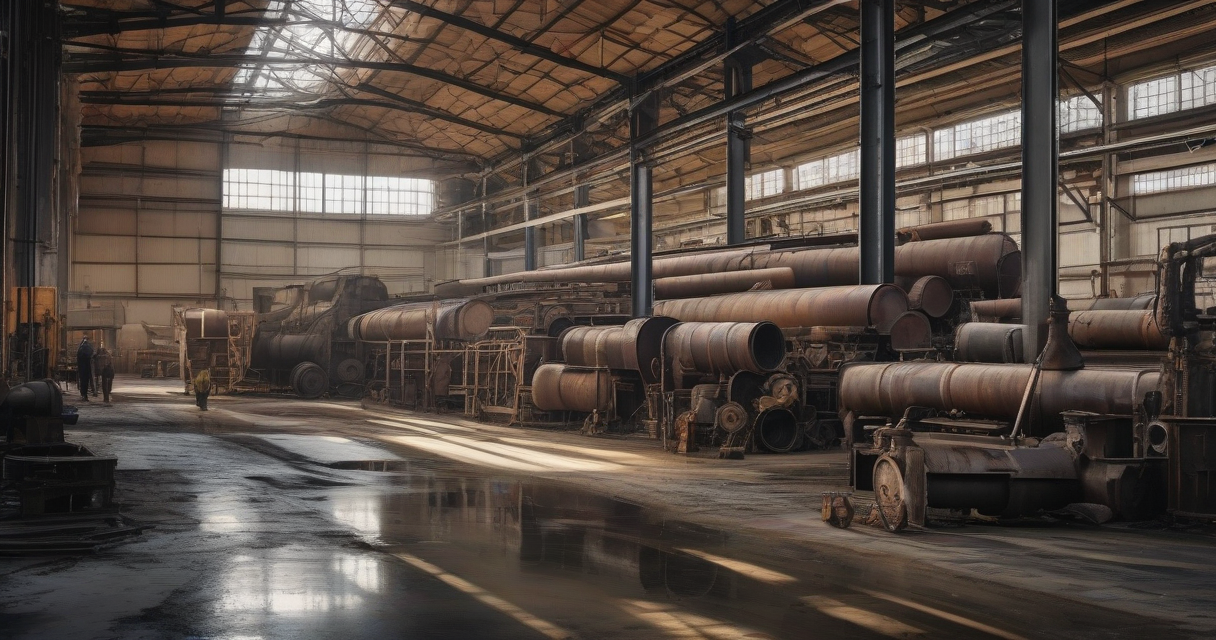
Another error is neglecting to check accessibility information. Some industrial heritage sites have limited facilities for visitors with mobility issues due to their historic nature and preserved structures. If accessibility is a concern, contact the venue beforehand to understand what provisions are in place or to arrange assistance. Lastly, avoid visiting without some background knowledge; reading up on the history of each site beforehand enriches your experience and allows you to appreciate the significance of what you’re seeing.
Use Local Resources and Apps to Enhance Your Visit
London is well served by tourism apps and local guides that can add value to your exploration of industrial heritage sites. Apps like Citymapper provide real-time public transport information and walking routes, which is particularly useful when moving between sites. Additionally, some heritage organisations offer their own apps or downloadable guides with detailed information, maps and audio tours, which you can use offline during your visit.
Local libraries or tourist information centres often have brochures and maps highlighting industrial heritage trails or themed walks. Joining heritage-focused walking tours or events organised by local history groups can also provide insider knowledge and access to less well-known industrial landmarks. Taking advantage of these resources helps you get more out of your trip and discover hidden gems beyond the main attractions.

I love exploring London’s hidden corners and sharing what I discover with fellow travellers. When I’m not wandering the streets of the capital, I enjoy writing detailed guides that help others make the most of their visit.