London’s streets are saturated with blue plaques, yet most visitors walk past them without a second glance, missing the dense web of lesser-known markers that reveal the city’s layered past. The Royal Society’s famous blue discs account for only a fraction of the commemorative metal and ceramic plates scattered across the capital, many of which remain hidden in narrow mews, tucked behind scaffolding, or mounted on walls that have changed hands several times since installation. Understanding where to look and what these plaques actually represent transforms a standard sightseeing walk into an archaeological dig for everyday history, offering insights that no guided tour can replicate because the discovery is personal and often accidental.
The Blue Plate Hierarchy
The most recognizable markers in London are the blue plaques installed by English Heritage, but they operate within a strict hierarchy of visibility and prestige. These specific plaques are not random decorations; they are awarded through a rigorous application process that limits the number of installations to ensure each one carries significant historical weight. A standard blue plaque measures approximately 150mm by 200mm and is made from a specific ceramic material that resists weathering, which is why so many examples from the mid-twentieth century remain legible today despite exposure to rain and traffic fumes. The color itself was chosen in the nineteenth century to match the Royal Society’s plaques, creating a visual language that immediately signals a figure of national importance to the educated eye.
Beyond the official blue scheme, London is dotted with thousands of white, bronze, and red markers that follow different rules and often tell more local stories. The Society of Antiquaries, for instance, uses bronze plaques that are frequently mounted on the corners of buildings, making them easier to miss if you are looking straight ahead rather than scanning upwards. Red plaques, which mark properties associated with figures in science and industry, are rarer and often found in suburban areas where the original owners lived for decades. Recognizing these variations is key because a white plaque might indicate a local literary figure who never achieved national fame, yet whose daily life on that specific street shaped the neighborhood’s character in ways that a blue plaque holder did not.
The distinction between these types of plaques also affects how they are maintained and preserved. English Heritage has a dedicated team that monitors the condition of its blue plaques, repairing or replacing them when they become damaged or obscured by building renovations. Smaller local schemes often rely on volunteer efforts or the goodwill of property owners, meaning some markers can disappear if a building is sold to a new owner who does not value the historical connection. This fragility adds a layer of urgency to the hunt for these markers, as the physical object itself is a temporary custodian of a permanent story that could be lost to urban redevelopment.
Geographical Clusters and Density
The distribution of historical plaques in London is far from random; it follows the city’s historical development patterns with surprising precision. Central areas like Westminster, Bloomsbury, and Soho contain the highest density of markers because these districts were the home to politicians, writers, and artists who lived in townhouses or flats for extended periods. A walk along Russell Square alone reveals a cluster of plaques that map the lives of literary giants who frequented the same cafes and pubs, creating a physical timeline of cultural production in the late nineteenth century. This clustering means that a focused route through these areas can yield more historical insights in an hour than a day spent wandering through less dense districts.
In contrast, the outer boroughs often feature isolated plaques that stand as solitary reminders of specific events or individuals, disconnected from the dense networks found in the center. These markers are frequently easier to spot because they are not competing with other visual stimuli, but they require more travel time between stops. The isolation also means that the story behind each plaque is more specific to the local community, often involving figures who were important to the neighborhood but unknown outside of it. For a traveler interested in local texture rather than national fame, these isolated markers provide a deeper sense of place and connection to the immediate surroundings.
The topography of the city also plays a role in plaque visibility, with many markers placed at ground level or just above eye level on building facades. This placement is practical, as it allows passersby to read the text without needing to climb, but it also means that plaques can be easily obscured by shopfronts, posters, or seasonal decorations. In busy commercial areas like Oxford Street or King’s Road, the noise and visual clutter of retail signage often drown out the quiet presence of a historical marker, forcing the observer to actively search for them rather than stumbling upon them by chance. This dynamic turns the search into a game of attention, where the winner is the one who notices the small details that others ignore.
Material Durability and Survival
The physical survival of a plaque depends heavily on the material used in its construction and the environment in which it is installed. Ceramic plaques, like those from English Heritage, are designed to withstand the elements, but they can still crack or fade if exposed to extreme temperature fluctuations or acidic rain. Bronze markers, while more durable against weather, are susceptible to corrosion if not properly maintained, and many older examples have developed a green patina that makes the text difficult to read without close inspection. The choice of material reflects the priorities of the installing body, with official schemes favoring durability over aesthetic flexibility, while local groups might opt for cheaper alternatives that last less long.
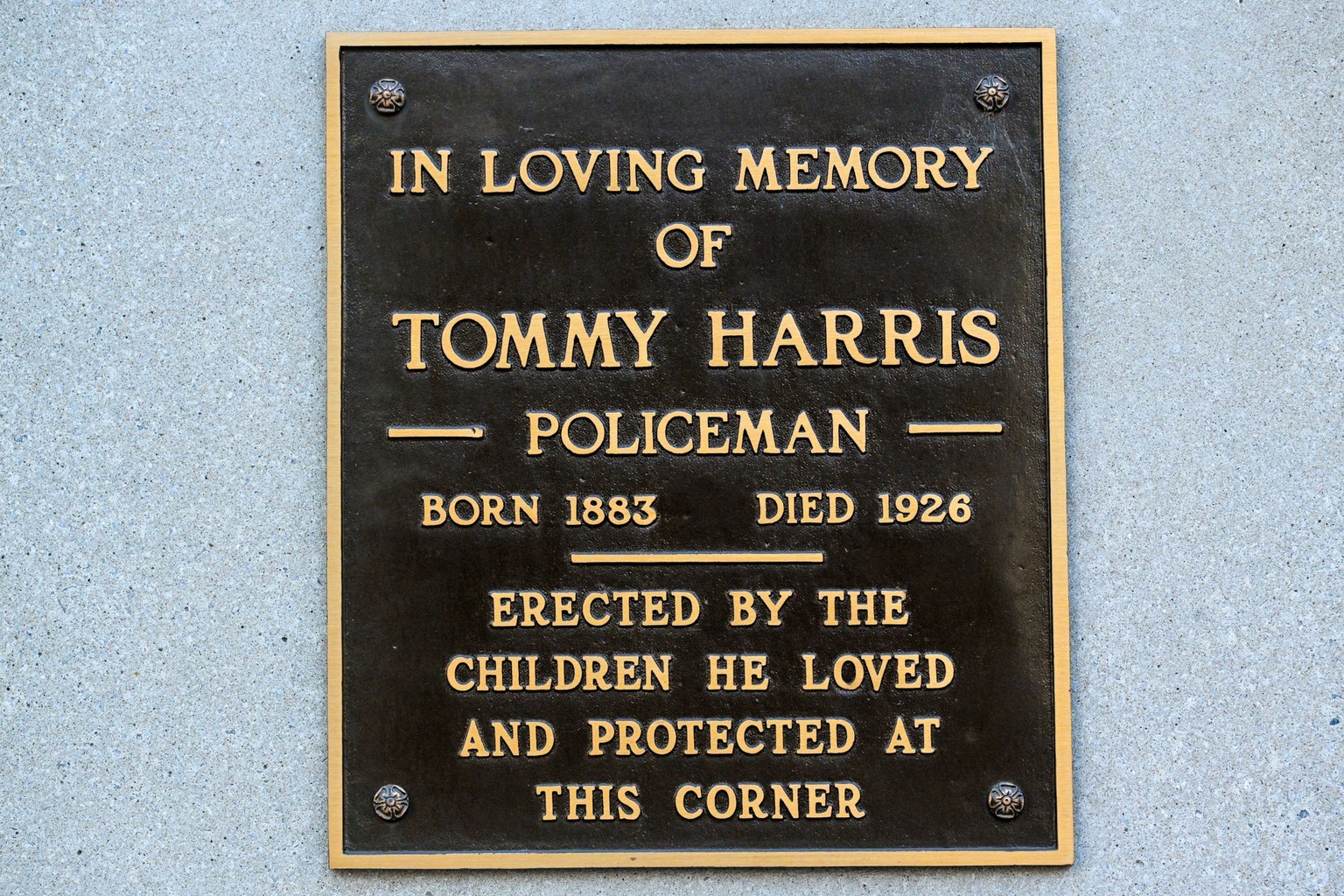
The legacy of English Heritage spans 150 years, deeply tied to the preservation of London Blue Plaques, which mark the city’s historical figures and landmarks. Ian McKellen)
Building renovations pose a significant threat to plaque survival, as contractors often remove old fixtures during facade work without realizing their historical value. Many plaques have been lost permanently because a building was repainted, re-clad, or had its windows replaced in a way that covered the mounting points. In some cases, property owners have deliberately removed markers to avoid the association with a controversial figure, leading to gaps in the historical record that are difficult to fill once the physical evidence is gone. This vulnerability highlights the importance of digital archiving projects that photograph and map every known plaque before it disappears, creating a permanent record even if the object itself is lost.
The condition of a plaque also offers clues about its age and the level of care it has received over the years. A pristine marker with sharp lettering suggests recent installation or careful maintenance, while a weathered plate with chipped edges tells a story of long-term exposure and potential neglect. Observers can use these visual cues to estimate how long a plaque has been in place and whether it is part of an active scheme or a forgotten relic from a previous era. This assessment helps in prioritizing which markers are worth documenting in detail, as the most fragile or obscure examples are at the highest risk of disappearing entirely.
Narrative Gaps and Exclusions
The plaques that exist also highlight who has been left out of the official narrative, revealing biases in how history is recorded and celebrated. For decades, the majority of blue plaques were dedicated to men in fields like politics, science, and the arts, with women and people from diverse backgrounds significantly underrepresented. Recent efforts have sought to correct this imbalance by installing markers for figures in social work, labor movements, and community organizing, but these new additions are often fewer in number and less visible than their predecessors. This gap means that a walk through the city still reflects a partial history, one that requires active interpretation to fill in the missing pieces.
The process of selecting which figures receive plaques is also subject to political and social pressures, leading to controversies over whether certain individuals deserve public recognition. Some proposed plaques have been rejected due to moral concerns about the figure’s personal life or controversial actions, while others have been installed after years of campaigning by local groups. This debate plays out in real time, with new plaques appearing and old ones being scrutinized as societal values evolve. For the observer, this means that the plaque wall is not a static monument but a dynamic space where historical consensus is constantly being negotiated.
Understanding these exclusions requires looking beyond the text on the plaque itself to consider the broader context of who gets to define history in public spaces. The absence of a marker for a particular individual or event can be as telling as its presence, indicating what society has chosen to forget or ignore. By mapping these gaps alongside the existing markers, travelers can build a more complete picture of the city’s past, one that acknowledges both the celebrated figures and the silent victims of historical amnesia. This deeper analysis turns a simple sightseeing activity into a critical examination of how memory is constructed and maintained.
Navigating Obstructions and Access
Physical access to many plaques is complicated by the urban environment, which can block views or make it impossible to approach the marker closely. Scaffolding for building repairs often covers entire facades for months at a time, hiding plaques that are otherwise visible to the public. Shopfronts with large windows and reflections can obscure markers mounted at street level, forcing observers to use reflections in glass or wait for a clear moment when foot traffic is low. These obstructions require patience and timing, as the best moments to view a plaque may occur during early morning hours or late at night when the city is quieter.
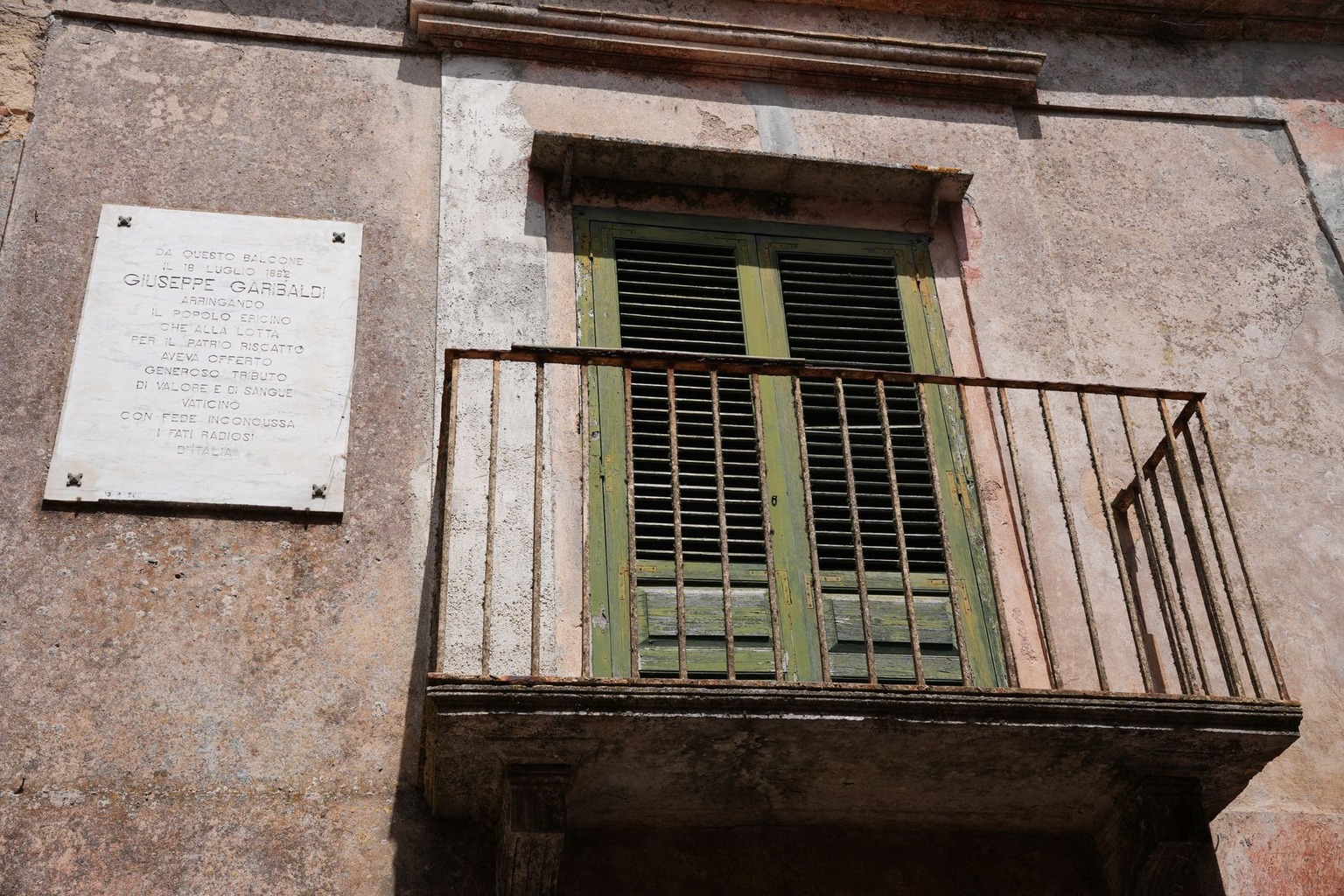
Private property presents another challenge, as many plaques are located on buildings that are not open to the public or are surrounded by private gardens. In some cases, the only way to see a plaque clearly is from a specific angle that might be blocked by parked cars or street furniture. This limitation means that the search for markers is often a partial one, with many examples remaining partially hidden until the right conditions align. For the dedicated observer, this challenge adds an element of adventure, as the goal becomes not just to find the plaque but to find the perfect vantage point that reveals its full story.
Digital tools have emerged to help navigate these access issues, with apps and websites that provide maps of known plaques along with user-submitted photos and notes on current visibility. These resources can alert travelers to temporary obstructions or recent changes in the urban environment that affect plaque visibility. However, they cannot replace the physical act of searching, which requires moving through the city with an open mind and a willingness to look up, down, and around for clues. The combination of digital planning and physical exploration creates a more efficient and rewarding experience for those seeking to engage deeply with London’s hidden history.
Practical Strategies for Discovery
Approaching the search for hidden plaques with a specific strategy increases the likelihood of success and enjoyment. Focusing on a single district or theme, such as literary figures in Bloomsbury or political landmarks in Westminster, allows for a concentrated effort that yields more results than a scattered approach. Walking at a slower pace and pausing frequently to scan building facades gives the eye time to adjust to the details that are easily missed at normal walking speed. Carrying a notebook or using a phone camera to document findings helps track progress and provides a record of the journey for future reference.
Engaging with local communities and historical societies can provide additional insights and leads on markers that are not widely known. Residents often know about plaques in their neighborhood that have been installed by local groups or private individuals, offering a more personal connection to the history being explored. Conversations with shopkeepers or cafe owners can also reveal stories behind specific markers, adding depth to the written text on the plaque itself. This social dimension of the search transforms it from a solitary activity into a collaborative effort that enriches the overall experience.
Finally, being prepared for the unexpected is essential, as the most rewarding discoveries often occur when least expected. A plaque might be hidden behind a curtain, partially covered by a poster, or visible only through a window reflection. Keeping an open mind and being willing to change direction or backtrack ensures that no marker is missed due to a fixed route. This flexibility allows the search to evolve based on new information and discoveries, creating a unique narrative for each journey through the city’s hidden historical landscape.

I love exploring London’s hidden corners and sharing what I discover with fellow travellers. When I’m not wandering the streets of the capital, I enjoy writing detailed guides that help others make the most of their visit.