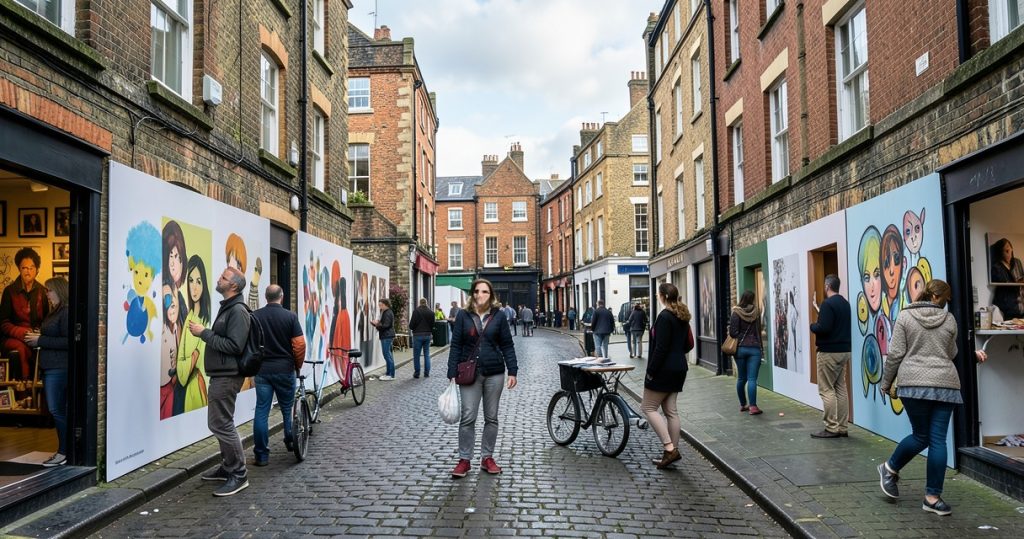
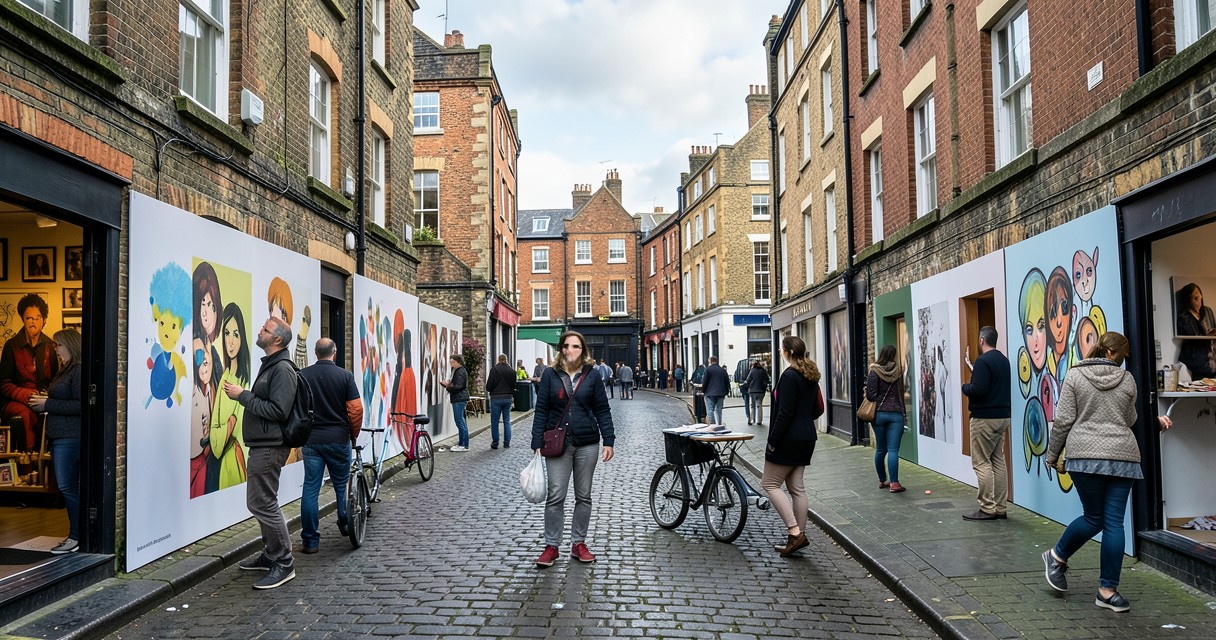
London’s creative pulse beats strongest in its neighbourhoods, where artists, designers and makers have turned ordinary streets into open-air galleries, pop-up studios and buzzing cultural hubs. These areas offer more than just a place to stay or a quick photo stop. They invite visitors to slow down, explore independent shops, sip coffee in spaces that double as exhibition halls and chat with the people who shape the city’s artistic identity. Whether you’re planning a weekend break or a longer stay, choosing a neighbourhood with a thriving creative community means every walk becomes an unscripted tour of London’s contemporary culture.
Shoreditch: Street Art and Start-Up Energy
Shoreditch remains the poster child for London’s creative renaissance, where Victorian warehouses rub shoulders with glass-fronted co-working spaces. Brick Lane’s walls change colour every few weeks, thanks to rotating murals by international artists and local collectives like Stik and Ben Eine. The Old Truman Brewery, a sprawling complex of studios and event spaces, hosts everything from graduate fashion shows to weekend markets where designers sell hand-printed textiles and upcycled furniture. On Sundays, the Brick Lane Vintage Market draws crowds hunting for one-off leather jackets and vinyl records, while nearby Redchurch Street offers a quieter stretch of concept stores and micro-galleries.
Cafés here double as creative incubators. The Book Club, a former Victorian bathhouse, runs screen-printing workshops and live music nights, while Ozone Coffee Roasters supplies beans to half the neighbourhood and hosts latte-art throwdowns. For a taste of the area’s start-up scene, drop into Second Home, a plant-filled workspace where freelancers and small businesses share desks beneath a glass roof. The energy spills onto the streets after dark, with pop-up bars and rooftop cinemas turning every evening into an impromptu cultural event.
Camden: Music, Markets and Maker Culture
Camden’s reputation as a creative powerhouse stretches back decades, rooted in its legendary music venues and sprawling markets. The Roundhouse, a converted railway turntable, still hosts gigs by emerging bands and experimental theatre performances, while the Jazz Café draws jazz aficionados and curious tourists alike. Along the canal, the Camden Film Quarter has become a magnet for independent filmmakers, with screening rooms and editing suites tucked into converted industrial units. The area’s maker culture thrives in the Stables Market, where leatherworkers, jewellers and ceramicists sell their wares alongside vintage clothing stalls.
The creative spirit extends beyond the markets. Kentish Town, just north of Camden, has quietly become a hub for illustrators and graphic designers, with studios clustered around the high street. The Assembly House, a community arts centre, runs life-drawing classes and printmaking workshops open to the public. For a behind-the-scenes look at Camden’s creative scene, visit the Camden Arts Centre, which offers free exhibitions and artist talks. The centre’s garden café, filled with local families and freelancers, feels like a village green in the middle of the city.
Peckham: Galleries, Studios and Rooftop Views
Peckham’s transformation from overlooked suburb to creative hotspot has been swift and dramatic. The Bussey Building, a multi-storey arts complex, houses everything from artist studios to a rooftop bar with panoramic views of the London skyline. Its ground-floor gallery, CLF Art Café, hosts live music and film screenings, while the upper floors are packed with painters, sculptors and textile designers. Nearby, the Copeland Park industrial estate has been repurposed into a maze of creative spaces, including Bold Tendencies, a seasonal sculpture park that opens each summer with site-specific installations.
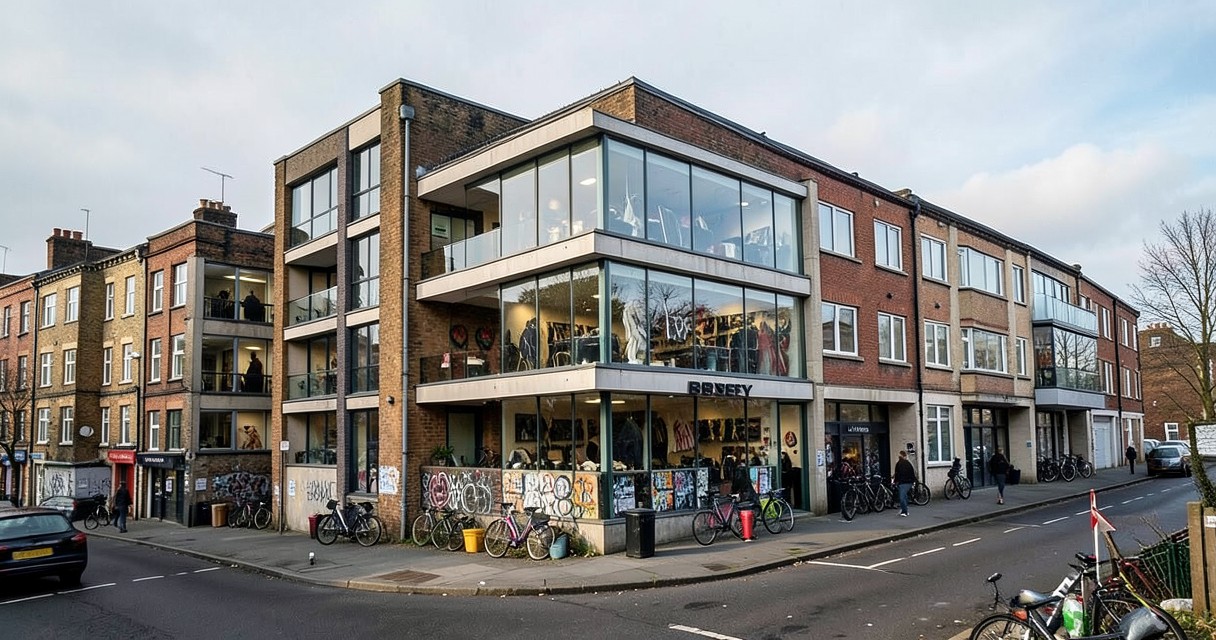
The neighbourhood’s creative energy isn’t confined to formal spaces. Peckham Levels, a converted multi-storey car park, now hosts pop-up shops, street food stalls and a permanent skate park. The rooftop garden, run by local volunteers, grows herbs and vegetables used in the on-site café. For a quieter experience, wander down Rye Lane, where independent boutiques sell handmade ceramics and locally designed clothing. The Peckham Platform gallery, though now closed, left a legacy of community-focused exhibitions, and new spaces like the Hannah Barry Gallery continue to champion emerging artists.
Hackney Wick: Canalside Creativity and Olympic Legacy
Hackney Wick sits at the intersection of London’s industrial past and its creative future. The area’s network of canals and former factories has become a playground for artists, with studios and galleries occupying every available space. The White Building, a converted light industrial unit, hosts exhibitions and performances, while the nearby Hackney Wick Dog Track is a temporary arts venue built on the site of an old greyhound stadium. The Olympic Park’s legacy has brought new investment, but the creative community has ensured the area retains its gritty, experimental edge.
The neighbourhood’s creative scene is deeply collaborative. Studios like The Yard and Forma HQ share resources and run joint open days, where visitors can meet artists and buy work directly from the makers. The annual Hackney WickED festival turns the entire area into an open studio, with artists welcoming the public into their workspaces. Along the canal, floating galleries and pop-up bars appear in the summer months, creating a festival atmosphere. For a taste of the area’s culinary creativity, visit Crate Brewery, a canalside microbrewery that doubles as a pizza joint and live music venue.
Dalston: Music, Theatre and Multicultural Fusion
Dalston’s creative community thrives on its multicultural roots, blending Caribbean, Turkish and East London influences into a vibrant cultural mix. The area’s music scene is legendary, with venues like the Vortex Jazz Club and the Dalston Jazz Bar hosting everything from avant-garde performances to traditional Turkish folk nights. The Arcola Theatre, a converted factory, stages experimental plays and community productions, while the Rio Cinema, an independent picture house, screens arthouse films and cult classics. The neighbourhood’s creative energy spills onto the streets, with pop-up markets and street food stalls appearing every weekend.
Dalston’s creative spaces are as diverse as its population. The Passing Clouds warehouse hosts everything from live music to yoga classes, while the Bootstrap Company provides affordable studios for artists and small businesses. The area’s multicultural heritage is celebrated in its food scene, with Turkish bakeries, Caribbean jerk chicken shops and vegan cafés all contributing to the creative economy. For a glimpse into Dalston’s artistic side, visit the Ridley Road Market, where stallholders sell handmade crafts and vintage clothing alongside fresh produce. The market’s lively atmosphere makes it a favourite spot for local artists and designers to sketch and people-watch.
Brixton: Grassroots Arts and Community Spirit
Brixton’s creative scene is deeply rooted in its community, with grassroots arts organisations playing a central role in the neighbourhood’s cultural life. The Brixton Pound, a local currency designed by artists, is one of many unique initiatives in London that highlight the role of small independent museums and community-driven projects in preserving local heritage. The Ritzy Picturehouse, an independent cinema, screens indie films and hosts Q&As with directors, while the Brixton Village market is packed with pop-up galleries and street art installations. The area’s creative spirit is perhaps best embodied by the Brixton Design Trail, an annual event that turns the neighbourhood into an open-air gallery.
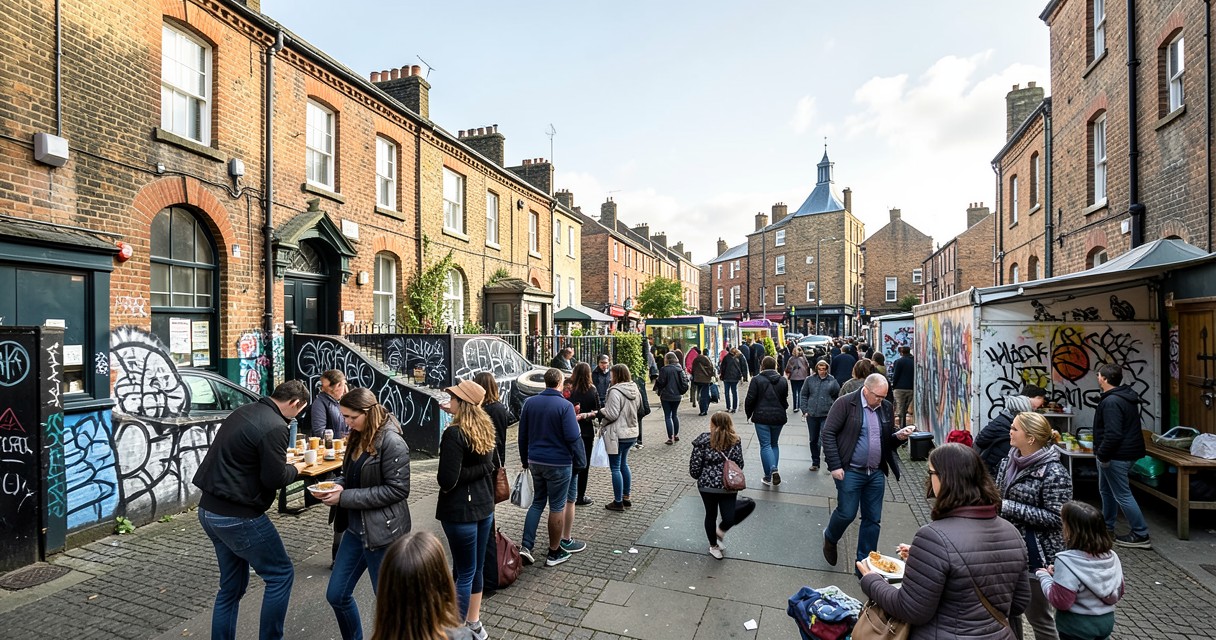
The creative community here is inclusive and accessible. The Brixton Art Gallery, run by local volunteers, offers affordable studio spaces and runs workshops for all ages. The Black Cultural Archives, housed in a converted Victorian building, celebrates the area’s Caribbean heritage through exhibitions and events. For a taste of Brixton’s creative energy, visit the Pop Brixton shipping container village, where local entrepreneurs run everything from craft beer bars to screen-printing studios. The area’s street art, much of it commissioned by local businesses, adds a splash of colour to the high street, with murals by artists like Dreph and Zabou drawing crowds of admirers.
Deptford: Affordable Studios and Hidden Gems
Deptford’s creative community has flourished in recent years, thanks to its affordable rents and strong sense of local identity. The area’s high street, Deptford Market Yard, is a treasure trove of independent shops, vintage stores and pop-up galleries. The Deptford X festival, an annual contemporary art event, transforms the neighbourhood into an open-air exhibition space, with installations appearing in shop windows and public parks. The Laban Dance Centre, a striking architectural landmark, hosts performances and workshops, while the nearby Albany Theatre stages everything from experimental theatre to community choirs.
The creative scene here is refreshingly unpretentious. Studios like the Art Hub and the Bird’s Nest Gallery provide affordable spaces for emerging artists, while the Deptford Cinema, a volunteer-run picture house, screens cult films and hosts live music nights. The area’s maritime history is celebrated in the Deptford Creek, where artists have created site-specific installations along the waterway. For a taste of Deptford’s creative spirit, visit the weekly market, where local makers sell handmade jewellery, ceramics and prints. The market’s laid-back vibe makes it a favourite spot for artists and visitors alike, with live music and street food adding to the atmosphere.

I love exploring London’s hidden corners and sharing what I discover with fellow travellers. When I’m not wandering the streets of the capital, I enjoy writing detailed guides that help others make the most of their visit.