London is a city steeped in history, and its streets serve as a living archive of the people and events that have shaped its character. Many of these thoroughfares are named after historical figures, providing visitors with a fascinating glimpse into the past. As you wander through the bustling metropolis, you might find yourself walking along roads named after renowned monarchs, influential politicians, and celebrated artists. This article explores some notable streets named after historical figures, shedding light on their significance and how they contribute to the rich tapestry of London’s heritage.
Royal Connections: Streets Named After Monarchs
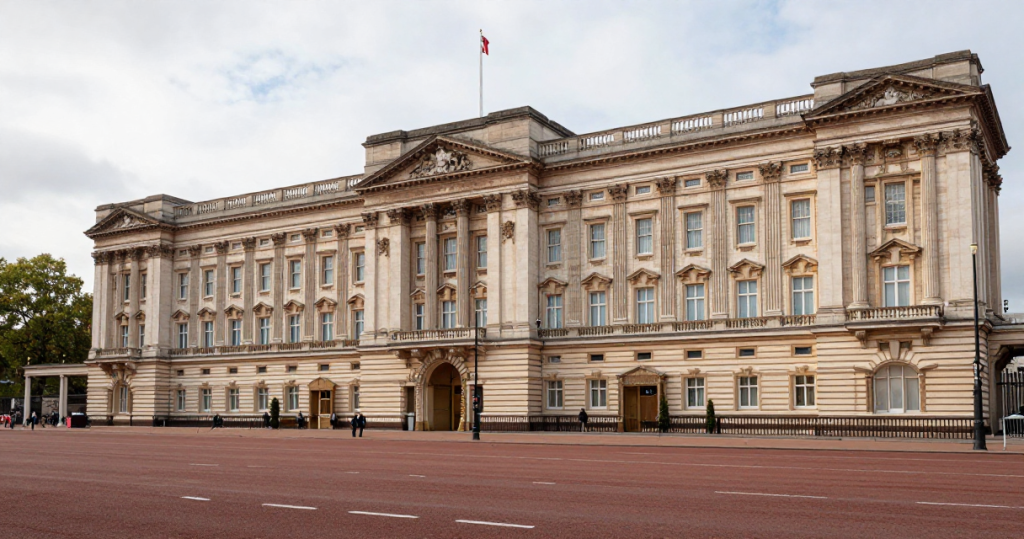
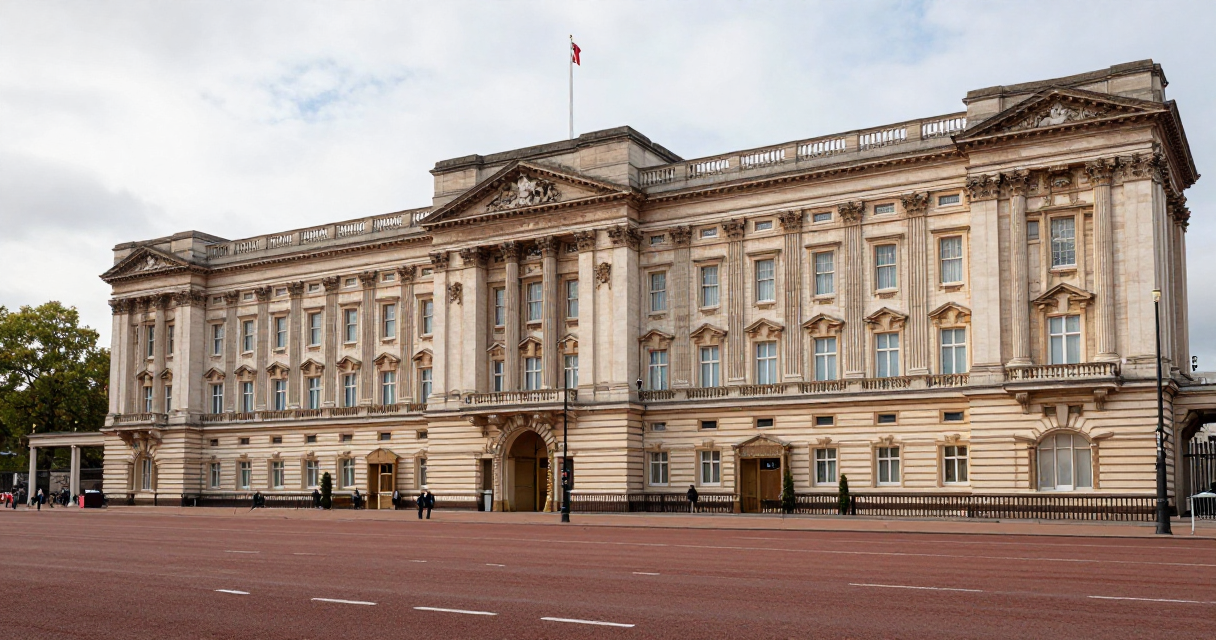
London boasts numerous streets that pay homage to its royal lineage. One of the most famous is Buckingham Palace Road, which leads directly to the iconic residence of the British monarch. The road is lined with elegant buildings and offers a glimpse of the grandeur associated with the monarchy. Nearby, Victoria Street is named after Queen Victoria, who reigned from 1837 to 1901. This street not only connects major landmarks but also reflects the era of industrial expansion and architectural innovation that characterised her reign.
Another notable example is King’s Road in Chelsea, originally a royal route leading to the hunting grounds of King Charles II. This street has evolved over the centuries and is now a vibrant hub for fashion and dining, showcasing how royal connections can influence the character of a location. Visitors can stroll along these historic avenues, absorbing the ambience of royal history interwoven with modern life.
Political Figures and Their Legacy
Many streets in London are named after influential politicians, but the London districts have been shaped by immigration, leaving an indelible mark on the city and the nation. One such example is Whitehall, which is synonymous with the British government. This significant thoroughfare houses several important government buildings, including the Houses of Parliament and the Prime Minister’s residence at 10 Downing Street. Walking along Whitehall, tourists can sense the weight of history and politics that permeates the air.
Another prominent street is Cromwell Road, named after Oliver Cromwell, the leader of the Parliamentary forces during the English Civil War. This road runs through the heart of South Kensington, leading to cultural landmarks such as the Natural History Museum and the Victoria and Albert Museum. The juxtaposition of Cromwell’s historical significance and the vibrant cultural scene exemplifies how streets named after political figures can encapsulate historical narratives while remaining integral to contemporary life.
Literary Legends on the Streets
London’s streets also celebrate its literary heritage, with several named after famous authors and poets. For instance, Charles Dickens is commemorated with a street in Bloomsbury, where he spent much of his early life. The area is rich in literary history, with numerous connections to other writers, making it a captivating destination for literature enthusiasts. Walking along Dickens Street, visitors can reflect on the life and works of one of England’s greatest novelists.
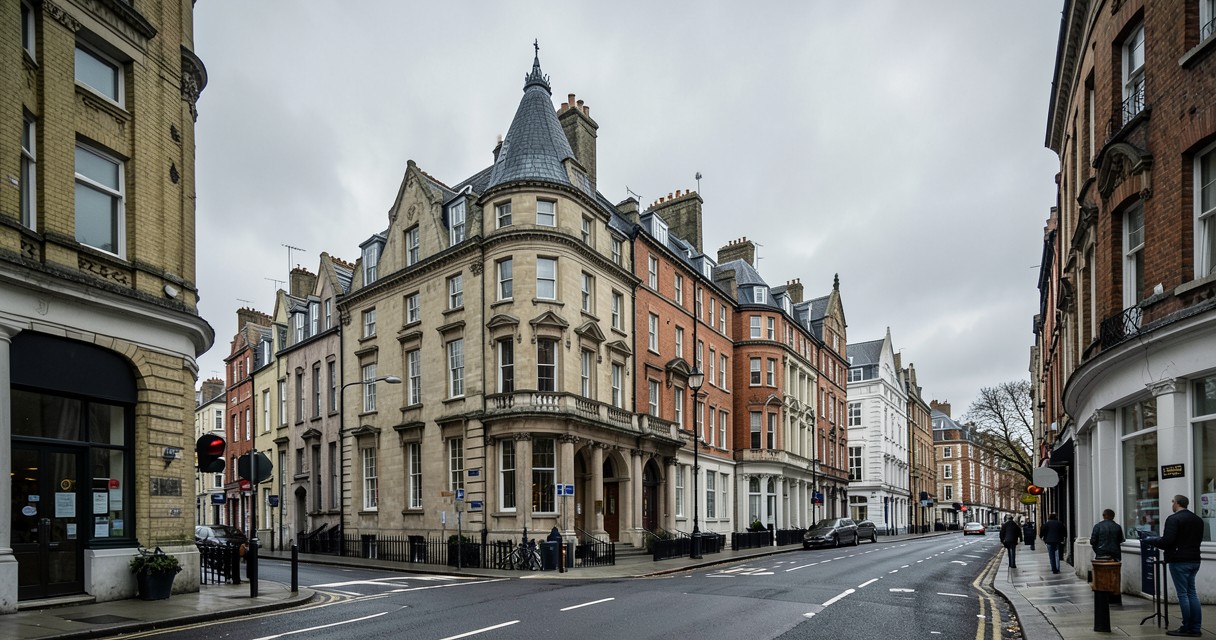
Another notable street is Tennyson Avenue, named after Alfred Lord Tennyson, the Poet Laureate during Queen Victoria’s reign. This street is located in the borough of Islington, an area that has inspired many artists and writers over the years. Exploring these literary streets provides a self-paced cultural itinerary, offering a unique opportunity to connect with the city’s artistic past while enjoying the vibrant atmosphere of modern London.
Exploring the Streets of Artists and Innovators
London is home to many historic pubs named after artists and innovators who have made significant contributions to culture and society. For example, Turner Street in the East End is named after J.M.W. Turner, a celebrated painter known for his romantic landscapes. The street serves as a reminder of Turner’s connection to London and his influence on the art world. Visitors to Turner Street can explore the surrounding areas, which are rich in street art and contemporary galleries, showcasing the city’s dynamic artistic pulse.
Another street of interest is Wilkes Street, named after John Wilkes, a radical journalist and politician known for his advocacy of civil liberties in the 18th century. His legacy continues to resonate in discussions about freedom of speech and press. A stroll down Wilkes Street allows tourists to appreciate not only the historical significance of the name but also the vibrant community that has emerged in the area, blending history with contemporary culture.
Tributes to Military Heroes
London’s streets also pay tribute to military figures who have served the nation with distinction. One prominent example is Admiralty Arch, which leads to The Mall and is named after the British Admiralty. The arch commemorates the naval victories of the British Empire and serves as a gateway to Buckingham Palace. This majestic structure is not only a vital thoroughfare but also a symbol of London’s maritime history.
Another significant street is Wellington Street, named after the Duke of Wellington, who famously defeated Napoleon at the Battle of Waterloo. Located near Covent Garden, this street is a reminder of Britain’s military past and the impact of the Duke’s leadership. Visitors can explore the nearby theatres and restaurants, making it a lively area that blends historical significance with modern entertainment.
Modern Streets with Historical Names
Some of London’s streets bear the names of historical figures but are situated in modern contexts, highlighting the city’s ability to evolve while honouring its past. For instance, Mandela Way in Southwark is named after Nelson Mandela, the anti-apartheid revolutionary and former President of South Africa. This street serves as a powerful reminder of the fight for freedom and equality, and it’s located in a vibrant neighbourhood known for its cultural diversity and community spirit.
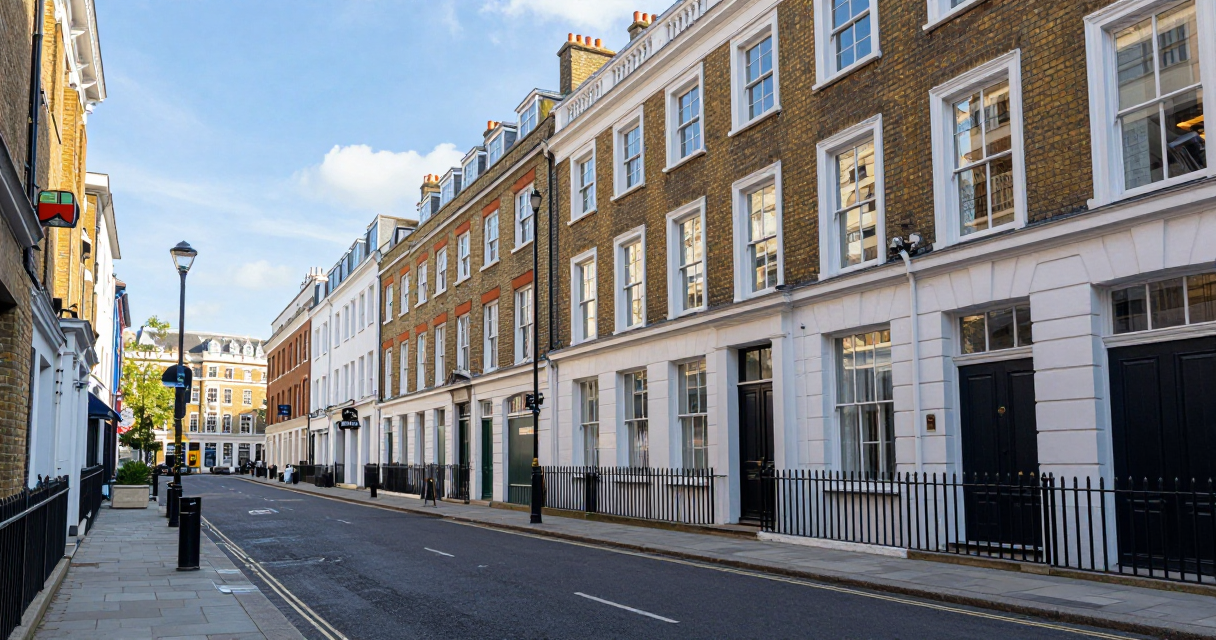
Another example is Gandhi Walk, named after Mahatma Gandhi, a key figure in India’s independence movement. Located in the borough of Tower Hamlets, this street is part of a community that celebrates multiculturalism and social justice. Walking along these modern streets named after historical figures allows visitors to reflect on the ongoing relevance of their legacies in today’s world.
Uncovering Hidden Gems
While many streets named after historical figures are well-known, others are hidden gems waiting to be discovered. For example, Lacey Road in the borough of Camden is named after a lesser-known historical figure, Sir John Lacey, a local politician in the 19th century. This quiet street reveals hidden architectural details, offering a glimpse into the everyday lives of Londoners and the stories that often go untold. Exploring such streets can provide a more intimate understanding of the city’s history.
Another hidden treasure is Allingham Street, named after the Victorian poet William Allingham. Located in the lively area of Brixton, this street is often overlooked by tourists but offers charming architecture and a sense of community. Discovering these lesser-known streets adds depth to one’s understanding of London and highlights the diverse array of individuals who have contributed to its rich narrative.

I love exploring London’s hidden corners and sharing what I discover with fellow travellers. When I’m not wandering the streets of the capital, I enjoy writing detailed guides that help others make the most of their visit.