Beyond business creation, immigrant entrepreneurs London stimulate economic growth London through innovation and the adoption of new technologies. Their fresh ideas and willingness to take risks accelerate the development of new business models and improve productivity. This entrepreneurial spirit enhances London’s status as a global business hub, attracting investment and talent from around the world.
Moreover, immigrant-led businesses often build bridges between London and international markets, fostering trade links and cultural exchange. Supporting and empowering immigrant entrepreneurs in London not only benefits these individuals but also strengthens the broader economy, making it more resilient and diverse.
Historical Overview of Immigration in London
London’s immigration history is a rich tapestry shaped by diverse waves of migrants who have significantly influenced the city’s cultural and social landscape. Over centuries, the city has welcomed people from around the world, transforming its districts into vibrant communities that reflect a global heritage. The immigration timeline London traces shows distinct periods marked by the arrival of different migrant communities, each leaving a lasting impact on the capital’s identity.
The earliest significant wave of immigration occurred during the Roman and medieval periods, bringing traders and settlers primarily from continental Europe. However, it was during the 17th and 18th centuries that London began to see a considerable influx of migrants, including Huguenots fleeing religious persecution in France. They settled predominantly in areas such as Spitalfields, where their silk-weaving industry boosted local economy and culture.
The 19th century marked another crucial phase in London immigration history. The Industrial Revolution attracted workers from across the British Isles and beyond, including the Irish escaping famine and Eastern European Jews fleeing pogroms. East London became a focal point for many of these communities, developing into a bustling mosaic of cultures. This period also saw the establishment of migrant support networks and institutions that helped integrate newcomers into city life.
Post-World War II, London experienced significant demographic shifts with the arrival of migrants from the Commonwealth countries. The Windrush generation from the Caribbean, alongside South Asian communities from India, Pakistan, and Bangladesh, settled in areas such as Brixton, Southall, and Tower Hamlets. These communities played a pivotal role in rebuilding the city and enriching its cultural fabric, introducing new cuisines, festivals, and traditions that remain integral to London’s identity today.
In recent decades, London has continued to evolve as a global city attracting migrants from across the world, including Eastern Europe, Africa, and the Middle East. Each new wave contributes to the dynamic mosaic of migrant communities London boasts, influencing everything from local economies to the arts and politics. Districts like Hackney, Camden, and Peckham have become renowned for their multicultural populations, illustrating the ongoing story of migration and integration that defines London.
Understanding these historical layers of immigration not only highlights the resilience and diversity of London’s communities but also underscores the essential role migrants have played in shaping the city’s districts. As London continues to welcome diverse populations, its immigration history remains a vital aspect of its cultural and social evolution.
Post-War Immigration and Its Influence
The period following World War II marked a significant wave of post-war immigration to London, profoundly reshaping the city’s demographics. Immigrants from the Caribbean, South Asia, and parts of Africa arrived in large numbers, drawn by opportunities in the rebuilding economy and the promise of a new life. This influx was pivotal in transforming many London districts, infusing them with diverse cultures, traditions, and economic activities.
Areas such as Brixton, Southall, and Tower Hamlets became vibrant hubs for immigrant communities, each district reflecting unique cultural influences. Brixton, for instance, is renowned for its strong Afro-Caribbean presence, which has left a lasting impact on the local music, food, and social scenes. Southall, meanwhile, evolved into a center for the South Asian diaspora, with its markets, restaurants, and religious sites illustrating the immigrant influence on the local identity.
The post-war immigration to London not only diversified the city’s population but also contributed to its economic revival and multicultural character. These communities played essential roles in shaping the social fabric, often overcoming significant challenges to establish roots and influence the development of the districts they settled in. Today, the demographics and cultural landscape of London owe much to this legacy of post-war immigration.
Recent Migration Trends
Recent immigration trends in London have played a crucial role in shaping the dynamic cultural and social landscapes of its districts. The city continues to attract a diverse array of migrants, contributing to the emergence of modern migrant communities that add vibrant new layers to London’s identity. These recent immigration London patterns reflect broader global shifts, with newcomers arriving from various regions including Eastern Europe, the Middle East, and Asia.
Current demographic changes are particularly noticeable in districts such as Tower Hamlets, Newham, and Brent, where multiculturalism is not only visible but deeply embedded in local life. The influx of migrants has led to the establishment of ethnic businesses, cultural centers, places of worship, and community organizations that serve to enrich the social fabric. These areas have witnessed a fusion of traditions and lifestyles, fostering intercultural dialogue and creating spaces where multiple identities coexist harmoniously.
Nevertheless, these trends also present challenges, including pressures on housing, public services, and social cohesion. Local authorities and community groups are increasingly focused on ensuring integration policies support both newcomers and long-standing residents to foster inclusive neighborhoods. Ultimately, understanding recent immigration London phenomena and the evolution of modern migrant communities is vital to appreciating the constantly evolving mosaic of this global metropolis.
London Districts Strongly Influenced by Immigration
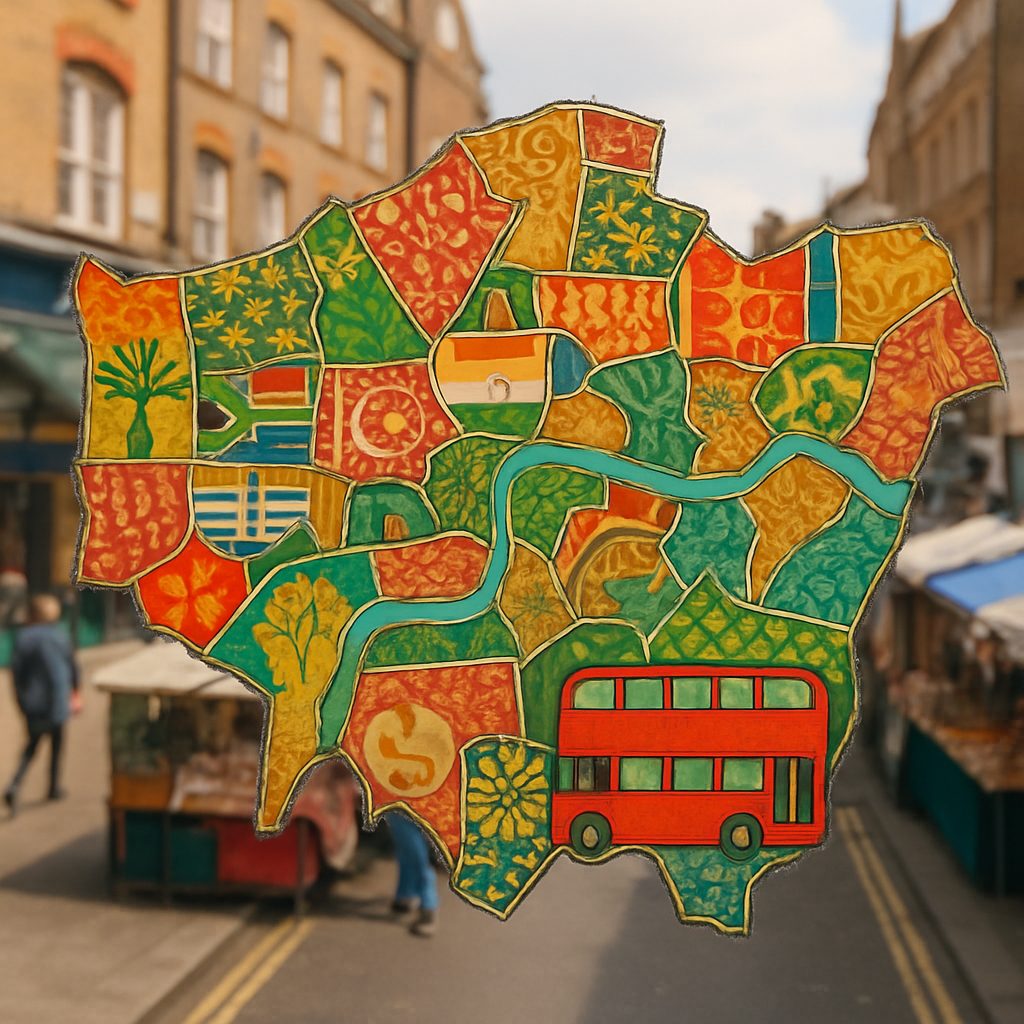
London is a vibrant mosaic of cultures, shaped profoundly by waves of immigration over decades. Certain London districts have become well-known for their rich diversity and cultural vitality, emerging as distinctive immigrant neighbourhoods London-wide. These areas are often cultural hubs London residents and visitors alike celebrate for their unique blend of traditions, languages, cuisines, and festivals.
One of the most iconic immigrant neighbourhoods London boasts is Brick Lane in East London. Historically home to a large Bangladeshi community, Brick Lane has become synonymous with South Asian culture. The street is dotted with curry houses, vibrant markets, and street art that narrates stories of immigration and resilience. Here, cultural events like the annual Boishakhi Mela reflect the district’s strong ties with its immigrant roots and its ongoing dynamism as a community space.
Another significant London district shaped by immigration is Southall in West London. Often called “Little India,” Southall has a dense concentration of Punjabi and Sikh communities. This area offers a sensory feast with countless shops selling traditional Indian garments, spices, and sweets, alongside numerous temples and gurdwaras. The influence of immigration is palpable not only in the businesses but also in the vibrant street festivals that transform Southall into a cultural hub London inhabitants cherish as a symbol of multicultural Britain.
In North London, areas such as Tottenham have a diverse immigrant population including Afro-Caribbean, Turkish, and Kurdish communities. This melting pot of cultures is reflected in the local cuisine, music, and arts scenes. Tottenham’s rich cultural fabric is an example of how London districts immigration contributes to the social cohesion and creative energy of the city, fostering a sense of belonging among its diverse residents.
Lastly, Peckham in South London has evolved into a vibrant cultural hub London-wide due to its large African and Caribbean populations. The area is renowned for its galleries, music venues, and eateries serving authentic cuisines. Peckham’s streets come alive during cultural festivals, showcasing the contribution of immigrant communities to London’s urban identity. This district exemplifies how immigration continues to shape community life, creating spaces where heritage and modernity intersect.
These London districts immigration has shaped stand testament to the city’s history as a global metropolis welcoming people from around the world. Each neighbourhood offers a unique glimpse into the immigrant experience, enriching London with a tapestry of cultures that continually redefine what it means to be a cultural hub in London.
Brick Lane and the Bangladeshi Community
Brick Lane, located in East London, stands as a vivid testament to the rich cultural diversity East London is celebrated for. At the heart of this vibrant area is the Bangladeshi community, whose influence has profoundly shaped the district over the decades. Bangladeshi immigrants London began to establish themselves in Brick Lane during the mid-20th century, bringing with them their unique traditions, language, and culinary heritage. Today, the area is renowned globally as a cultural hub where the Bangladeshi community’s presence is palpable.
The cultural impact of the Bangladeshi immigrants London in Brick Lane extends beyond just the local community. The district hosts various cultural festivals, markets, and events that celebrate Bangladeshi art, music, and traditions, enriching the social fabric of the area. These gatherings foster a sense of community and serve as a bridge between the Bangladeshi culture and other communities within East London.
Culinary contributions from the Bangladeshi community are especially prominent, with Brick Lane famously dubbed “Curry Capital of London.” Its streets are lined with curry houses offering authentic Bangladeshi flavors, drawing food enthusiasts from across the city and beyond. This culinary landscape not only preserves traditional tastes but also boosts local tourism and economy.
Economically, the Bangladeshi immigrants London have significantly contributed to the regeneration and vitality of Brick Lane. Small businesses such as restaurants, shops, and markets run by members of the community have created jobs and supported local commerce. Their entrepreneurial spirit has helped transform Brick Lane into a bustling and dynamic district, making it an integral part of East London’s identity and economy.
Southall and the South Asian Diaspora
Southall has established itself as a vibrant centre for South Asian immigrants in London, becoming synonymous with the rich and diverse South Asian culture London is celebrated for. The area is a bustling hub where communities from India, Pakistan, Bangladesh, and Sri Lanka come together, creating a unique cultural mosaic that is reflected in its streets, shops, and celebrations. Southall’s markets are renowned for their authentic South Asian goods, from traditional clothing and jewellery to spices and sweets, offering an immersive cultural experience that draws visitors from across the city and beyond.
Business in Southall thrives on this cultural heritage, with numerous South Asian owned enterprises contributing to the local economy and providing essential services to the community. Restaurants and eateries serve up diverse regional cuisines, allowing both residents and tourists to enjoy a taste of South Asia’s culinary richness. Beyond commerce, Southall is a centre for community life, hosting festivals such as Diwali and Vaisakhi that highlight the area’s cultural vibrancy and foster a strong sense of belonging among its residents.
The influence of South Asian immigrants London-wide is powerfully encapsulated in Southall’s busy streets and community spaces, making it a key district where traditions, religion, and modern life intersect harmoniously. From cultural centres to places of worship, Southall remains a beacon of South Asian identity, pride, and resilience in the capital city.
Dalston’s Caribbean Heritage
Dalston is a vibrant area in London that has been profoundly shaped by its Caribbean immigrant community. Since the mid-20th century, Caribbean immigrants London has welcomed have brought with them a rich cultural heritage that continues to define Dalston’s unique character. This multicultural London neighborhood is renowned for its lively atmosphere, influenced by Caribbean music, food, and festivals that celebrate the community’s roots and contributions.
The Caribbean community in Dalston has played a pivotal role in the cultural tapestry of the area, fostering a sense of unity and identity through events like the annual Caribbean Carnival and regular live reggae and dancehall music nights. Local markets brim with Caribbean cuisine, from jerk chicken to curried goat, attracting food lovers across London. These cultural expressions have not only enriched the local scene but have also fostered broader intercultural understanding within the city.
Dalston’s evolving identity is a testament to the dynamic nature of multicultural London. While the area continues to develop and attract a diverse population, the legacy and ongoing influence of its Caribbean community remain firmly woven into the fabric of daily life. This blend of tradition and modernity makes Dalston a truly emblematic district of London’s immigrant-driven transformation.
Impact of Immigration on London’s Cultural and Economic Landscape
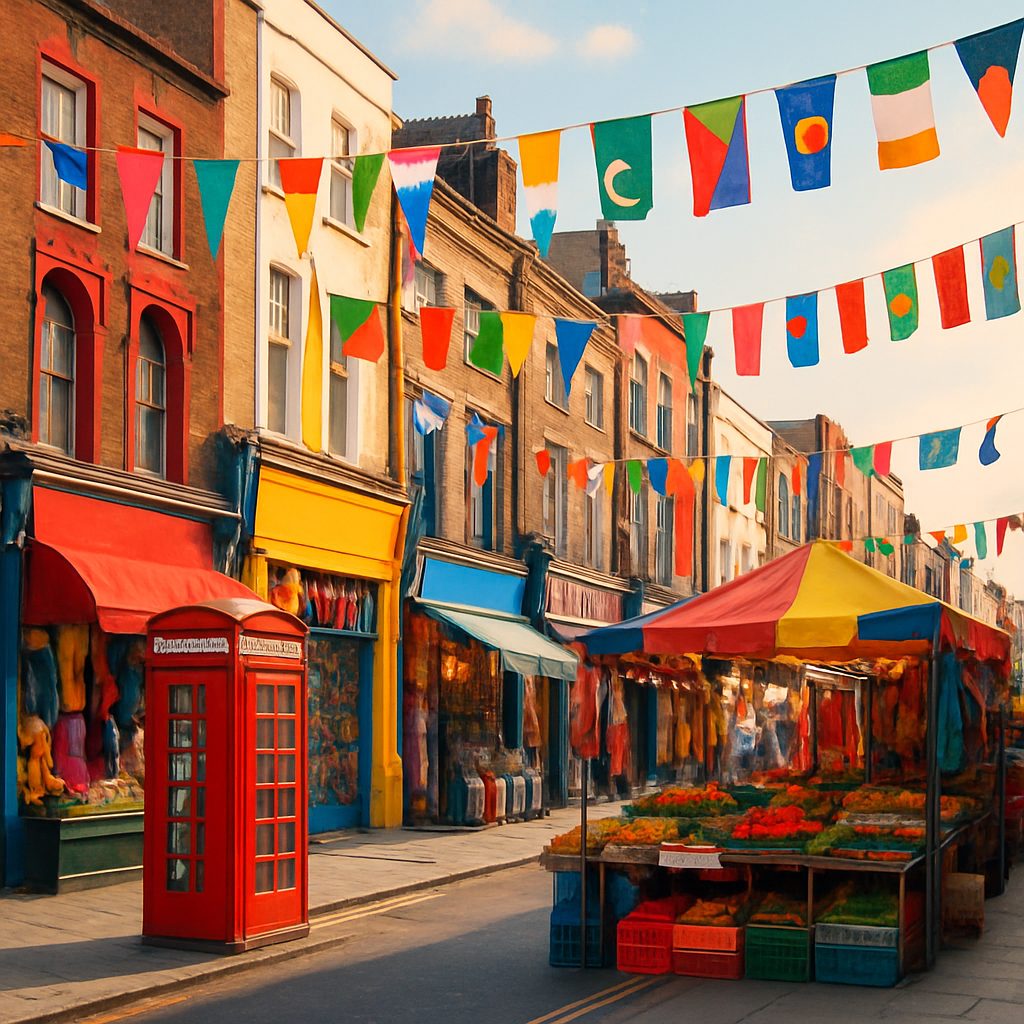
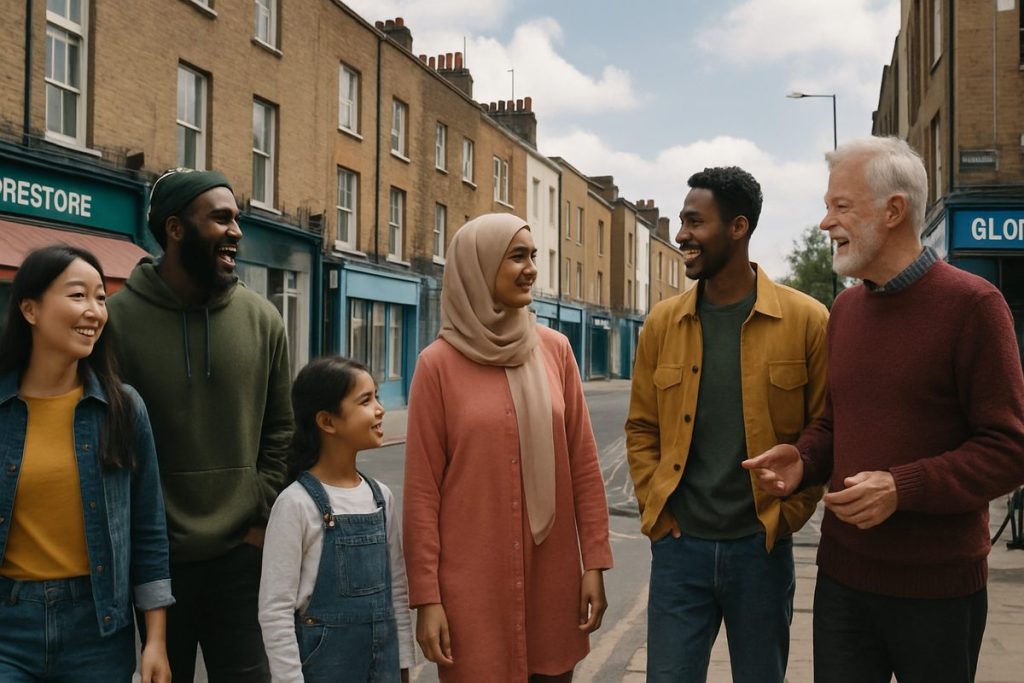
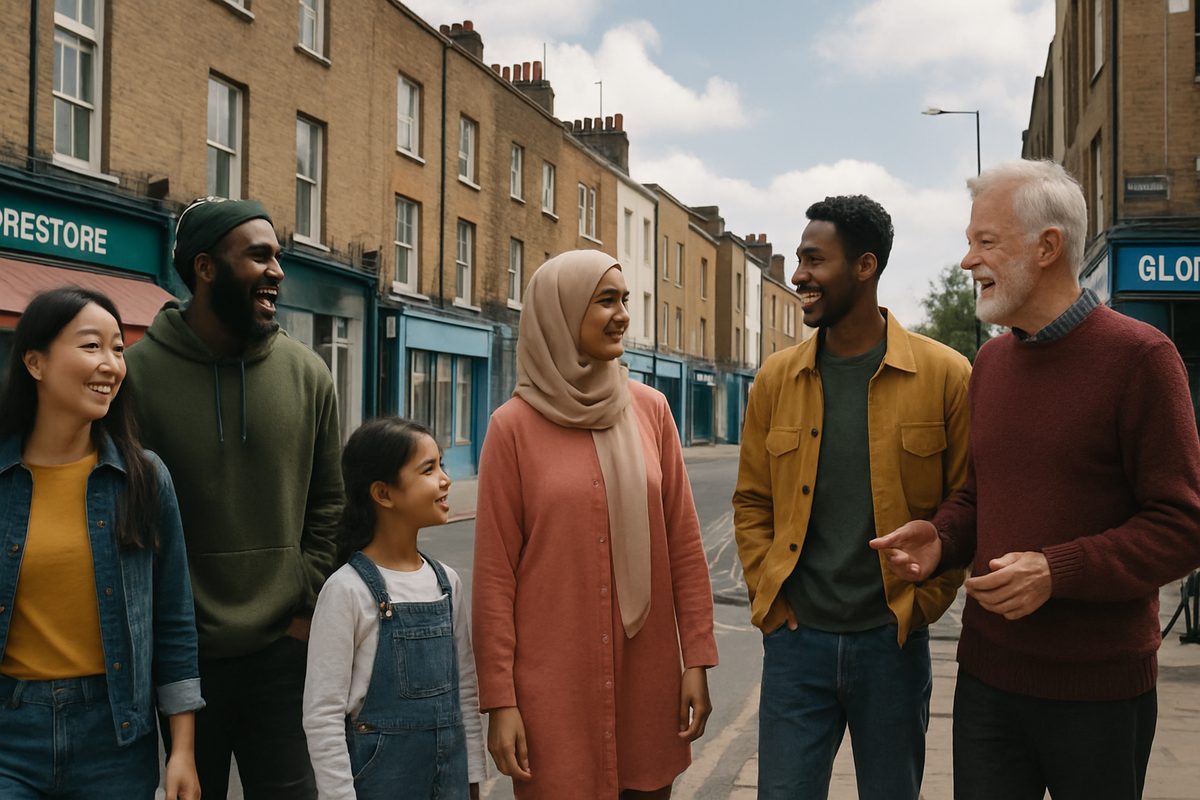
Immigration has played a pivotal role in shaping the cultural diversity London proudly boasts today. Immigrant communities from all corners of the globe have contributed to a vibrant and dynamic cultural mosaic that permeates the city’s neighborhoods, cuisine, festivals, and art scenes. The impact of immigration in London extends well beyond culture; it has been a driving force behind the city’s economic vigor and urban development as well.
London’s cultural diversity London is characterized by a rich tapestry of languages, traditions, and customs brought by successive waves of immigrants who have settled and integrated into the metropolis. This cultural infusion has led to the creation of unique areas such as Chinatown, Brick Lane, and Southall, where the heritage and traditions of immigrant communities are celebrated and preserved. The presence of diverse populations encourages intercultural dialogue, fostering an environment of tolerance and mutual respect among Londoners.
Economically, the contributions immigrants make to London are substantial and multifaceted. From entrepreneurship to skilled labor, immigrants have been instrumental in driving innovation, job creation, and economic expansion. Businesses established by immigrant communities often serve as hubs of employment for both immigrants and locals, boosting the local economy. Moreover, many immigrants work in vital sectors such as healthcare, hospitality, and technology, ensuring the continued growth and competitiveness of London’s economy on a global scale.
Immigration impact London’s urban development by influencing the character and growth of various districts. Immigrant communities often revitalize previously declining neighborhoods, bringing new life and investment. This urban renewal through diverse settlement patterns encourages the development of infrastructure, services, and housing suited to a multicultural population. Such development not only responds to the needs of immigrant communities but also enriches the urban fabric accessible to all residents.
In summary, the immigration impact London experiences is vital to its identity as a global city. The vibrant cultural diversity London enjoys today is a direct result of immigrant influences that also reinforce the city’s economic resilience and urban transformation. By embracing this intercultural and economic synergy, London continues to thrive as a leading international metropolis, enriched and propelled by its immigrant communities.
Cultural Festivals and Community Events
London’s vibrant social life is profoundly enriched by a variety of cultural festivals London hosts, which originate from its diverse immigrant communities. These celebrations not only showcase the rich heritage and traditions of different cultures but also foster unity and understanding among the city’s inhabitants. Events such as the Notting Hill Carnival, rooted in Caribbean immigrant culture, stand as one of the largest street festivals in Europe, attracting millions with its spectacular parades, music, and dance.
Other notable immigrant community events include the Chinese New Year celebrations in Chinatown, where lion dances, fireworks, and traditional food bring the streets to life, and the Diwali Festival of Light in Trafalgar Square, which highlights the vibrant Indian culture through music, dance, and delicious cuisine. These diversity celebrations provide a unique opportunity for people of all backgrounds to experience and participate in the cultural richness of London.
Community festivals such as the Eid celebrations, the Polish Festival, and the West African Carnival further contribute to the city’s multicultural tapestry. They serve as platforms for cultural expression and social cohesion, reinforcing London’s identity as a global city where immigrant cultures are not only preserved but celebrated by all. Engaging in these immersive events allows residents and visitors alike to appreciate the invaluable contributions immigrant communities make to London’s dynamic social fabric.
Economic Contributions of Immigrant Entrepreneurs
Immigrant entrepreneurs in London play a vital role in the city’s economic growth London, driving innovation and creating employment opportunities through their small businesses immigrants. These entrepreneurs bring diverse perspectives, skills, and networks that foster a dynamic business environment, enhancing London’s global competitiveness.
Many immigrant entrepreneurs start small businesses immigrants that serve local communities while also tapping into international markets. Their ventures range from retail shops and restaurants to tech startups and professional services, contributing significantly to different sectors of the economy. This entrepreneurial activity not only generates revenue but also revitalizes neighborhoods by introducing unique products and services.
Beyond business creation, immigrant entrepreneurs London stimulate economic growth London through innovation and the adoption of new technologies. Their fresh ideas and willingness to take risks accelerate the development of new business models and improve productivity. This entrepreneurial spirit enhances London’s status as a global business hub, attracting investment and talent from around the world.
Moreover, immigrant-led businesses often build bridges between London and international markets, fostering trade links and cultural exchange. Supporting and empowering immigrant entrepreneurs in London not only benefits these individuals but also strengthens the broader economy, making it more resilient and diverse.

I love exploring London’s hidden corners and sharing what I discover with fellow travellers. When I’m not wandering the streets of the capital, I enjoy writing detailed guides that help others make the most of their visit.