The River Thames has been a vital artery for London throughout its long and storied history. River crossings, whether bridges or ferries, have played an essential role in shaping the city’s development, culture, and connectivity. From ancient times to the present day, these crossings have facilitated trade, travel, and social interaction, making them significant landmarks in London’s urban landscape. This article explores the various river crossings and their historical significance, shedding light on their evolution and the impact they have had on London’s growth as a major metropolis.
The Historical Context of River Crossings in London
The history of river crossings in London dates back to prehistoric times when early settlers used simple fords to traverse the River Thames. As the city grew, the need for more permanent structures became apparent. The first recorded bridge, London Bridge, was built by the Romans around AD 50. This crossing not only allowed for the movement of people and goods but also helped establish London as a key trading hub in the Roman Empire. Over the centuries, various iterations of London Bridge have been constructed, each reflecting the architectural styles and engineering advancements of its time.
Throughout the Middle Ages, the Thames became a bustling waterway, and additional crossings were needed to accommodate the increasing population and commerce. The development of ferries provided an alternative to bridges, connecting different parts of the city and allowing for the efficient movement of goods. Notably, the ferry service at Greenwich became popular in the 15th century, facilitating trade between the south bank and the Isle of Dogs, underscoring the river’s role in the economic landscape of London.
The Evolution of Bridges
London’s bridges have undergone significant transformations, reflecting advancements in engineering and changes in urban planning. The original London Bridge, a wooden structure, was replaced in the 12th century with a stone bridge featuring houses and shops, which became a vibrant community hub. This version of London Bridge stood for over 600 years until it was replaced in the 19th century by a granite bridge designed by John Rennie. The modern incarnation of London Bridge, completed in 1973, is a sleek, functional structure that still serves as a key crossing point for vehicles and pedestrians.
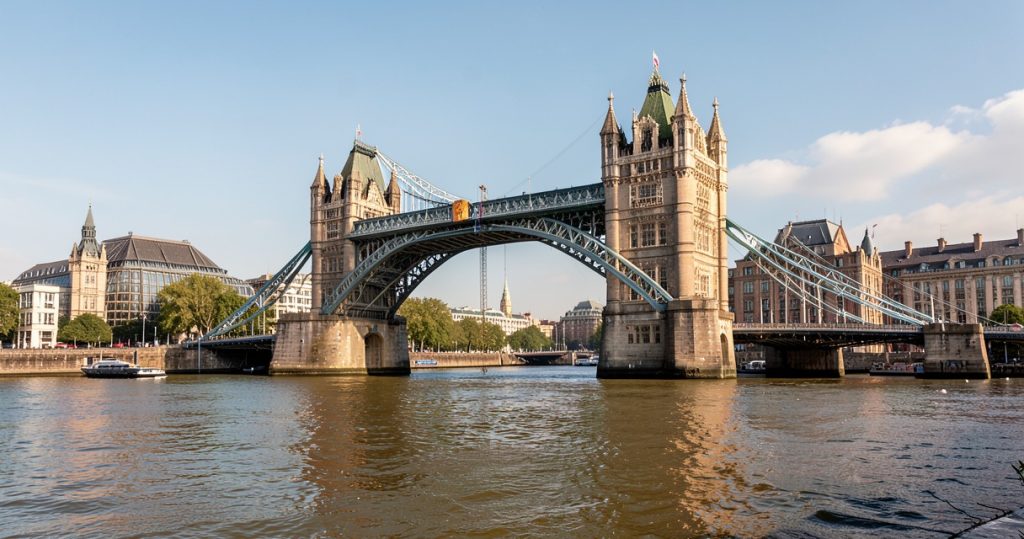
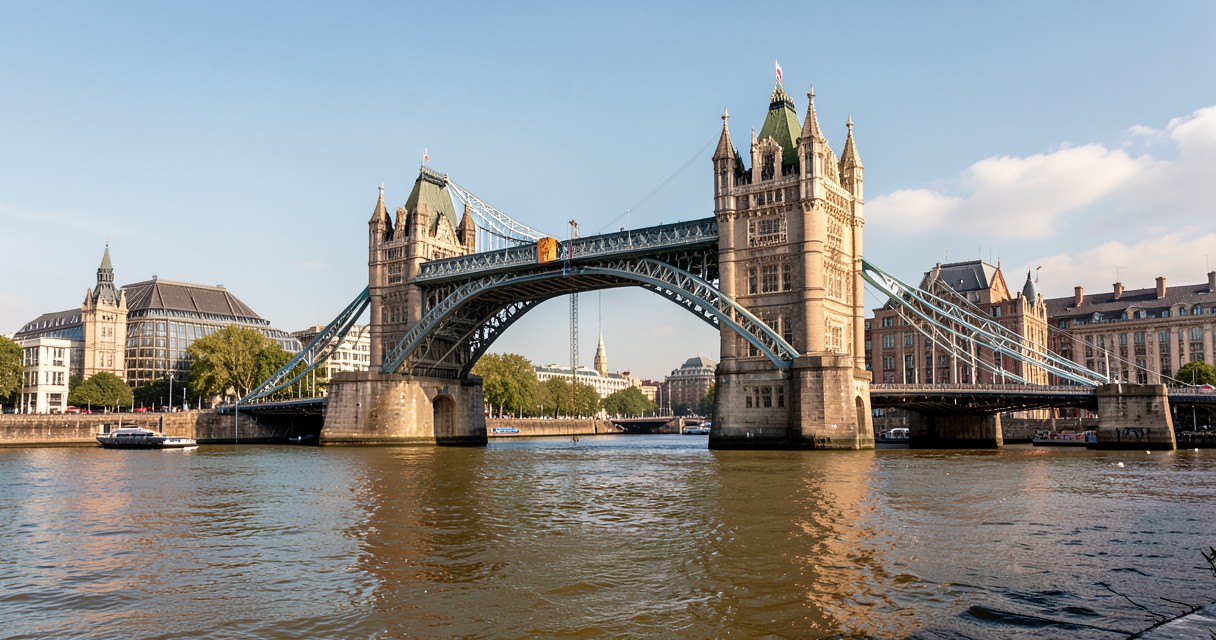
Other notable bridges include Tower Bridge, completed in 1894, which is famous for its unique bascule and suspension design. Tower Bridge not only serves as a practical crossing but has also become an iconic symbol of London, attracting millions of tourists each year. The design incorporates Victorian Gothic details, which harmonise with the historic architecture of the nearby Tower of London, enhancing the cultural significance of the area.
Ferries and Their Cultural Impact
While bridges dominate the landscape, ferries have also played a crucial role in London’s river crossings. The Thames Clippers, a modern ferry service, offers a scenic and efficient way to travel along the river, connecting various boroughs and points of interest. This service is particularly popular among tourists, providing a unique perspective of the city’s skyline and landmarks such as the Houses of Parliament and the London Eye.
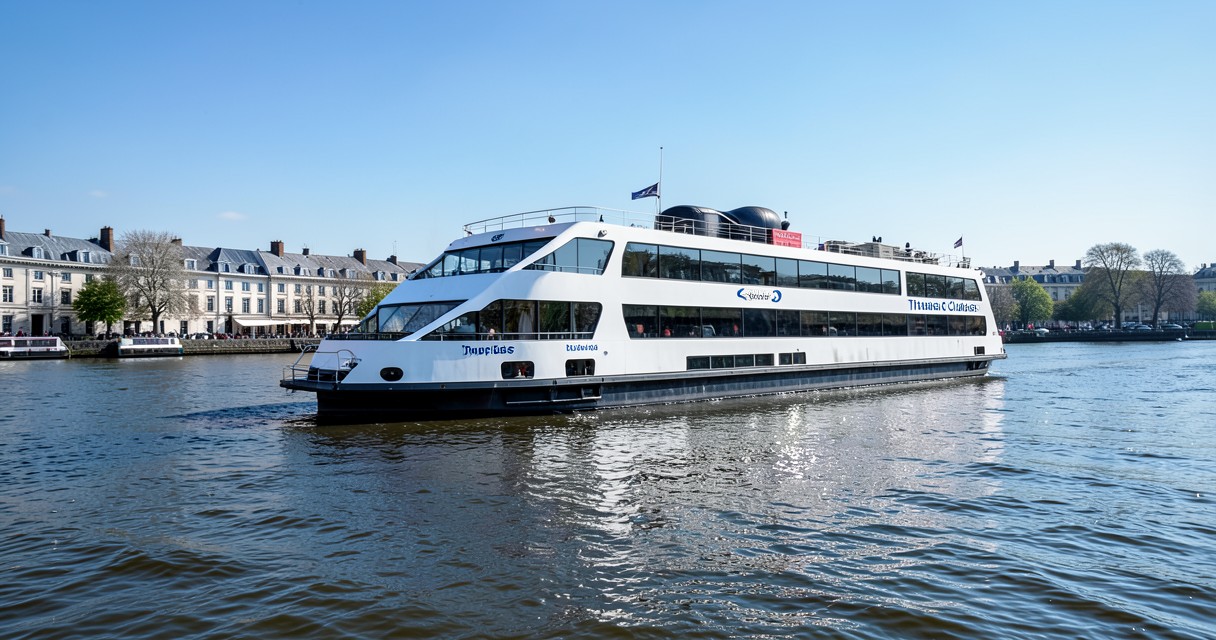
Historically, ferries served as lifelines for communities on both sides of the river. The Woolwich Ferry, for instance, has been in operation since the 19th century, facilitating transport between Woolwich and North Woolwich. These ferries not only provided practical transportation but also fostered social connections, allowing people to engage with different parts of the city and its diverse communities.
The Role of River Crossings in Trade and Commerce
River crossings have been instrumental in London’s development as a commercial powerhouse. The Thames has always been a vital trade route, and the establishment of bridges and ferry services enabled the efficient movement of goods. For example, the construction of Blackfriars Bridge in 1769 not only provided a crucial crossing but also facilitated the transport of coal and other commodities necessary for the city’s growth during the Industrial Revolution.
The integration of road and river transport has allowed London to become a hub for international trade. The Port of London, located along the Thames, has historically been one of the busiest ports in the world. The accessibility provided by bridges and ferries has been pivotal in supporting the logistics of shipping and trade, contributing significantly to the city’s economy and its status as a global financial centre.
Modern Crossings and Urban Development
In recent years, London has witnessed the construction of several modern crossings, reflecting the city’s ongoing evolution. The Millennium Bridge, completed in 2000, is a pedestrian suspension bridge that connects St. Paul’s Cathedral with the Tate Modern and the Globe Theatre. Its sleek design and pedestrian-friendly access have made it a popular route for both locals and tourists, promoting foot traffic and enhancing the cultural vibrancy of the area.
The proposed Lower Thames Crossing is another significant development in London’s infrastructure. Designed to alleviate congestion and improve connectivity between the north and south banks of the Thames, this ambitious project aims to support economic growth and enhance travel efficiency. As urban development continues, the role of river crossings remains critical in shaping the future of London’s transport network.
The Cultural Significance of River Crossings
Beyond their practical functions, river crossings in London have considerable cultural significance. They are often featured in literature, art, and popular media, serving as backdrops for stories and events. The iconic image of Tower Bridge, for instance, has been immortalised in countless photographs and paintings, symbolising the city’s rich history and dynamic character.
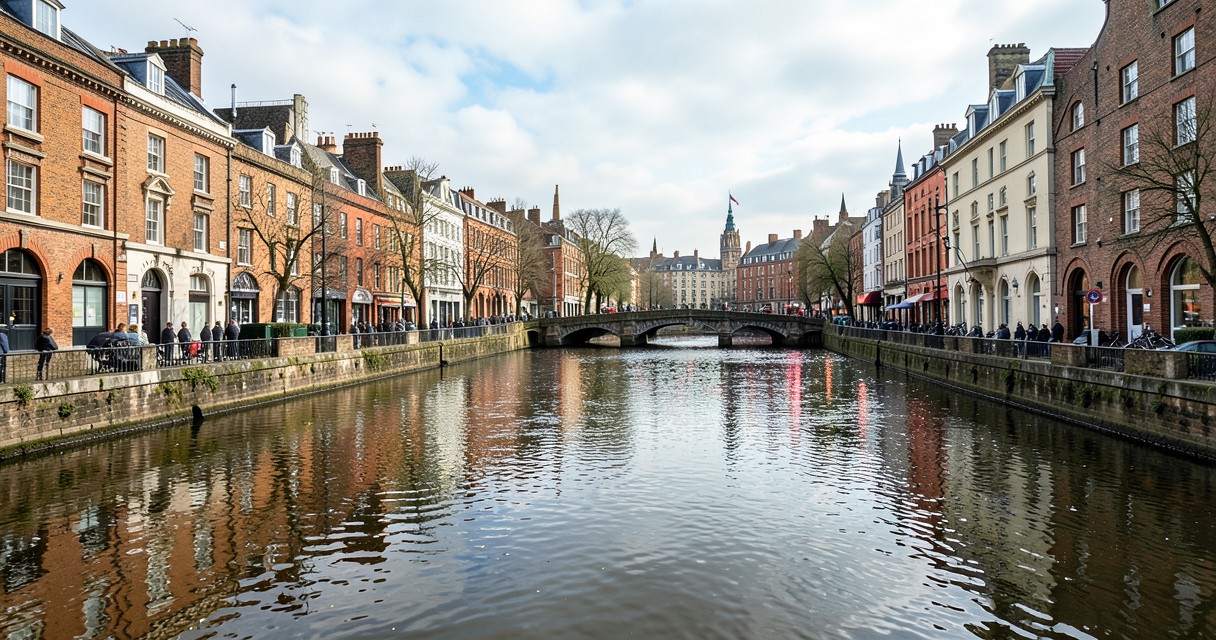
Festivals and events frequently centre around these crossings, celebrating the river’s role in community life. The Thames Festival, for example, showcases the cultural diversity of the river and its importance to Londoners. Such events not only highlight the historical significance of river crossings but also foster community engagement and pride in the city’s heritage.
River Crossings as Tourist Attractions
For visitors to London, river crossings are often top attractions. Bridges like Tower Bridge and London Bridge, along with the various ferry services, provide unique perspectives of the city’s architecture and landmarks. Tourists can enjoy guided boat tours that navigate the Thames, offering insights into the history and significance of the river and its crossings.
The combination of historical context, architectural beauty, and cultural vibrancy makes these crossings essential stops on any sightseeing itinerary. Many visitors combine a walk across a bridge with nearby attractions, such as the Tower of London or Borough Market, making river crossings an integral part of the London experience.

I love exploring London’s hidden corners and sharing what I discover with fellow travellers. When I’m not wandering the streets of the capital, I enjoy writing detailed guides that help others make the most of their visit.