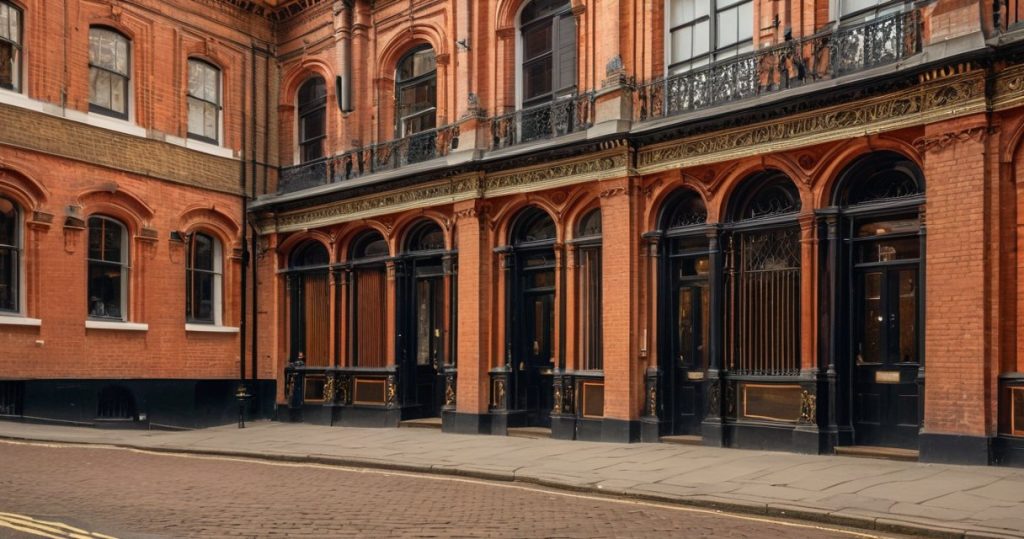
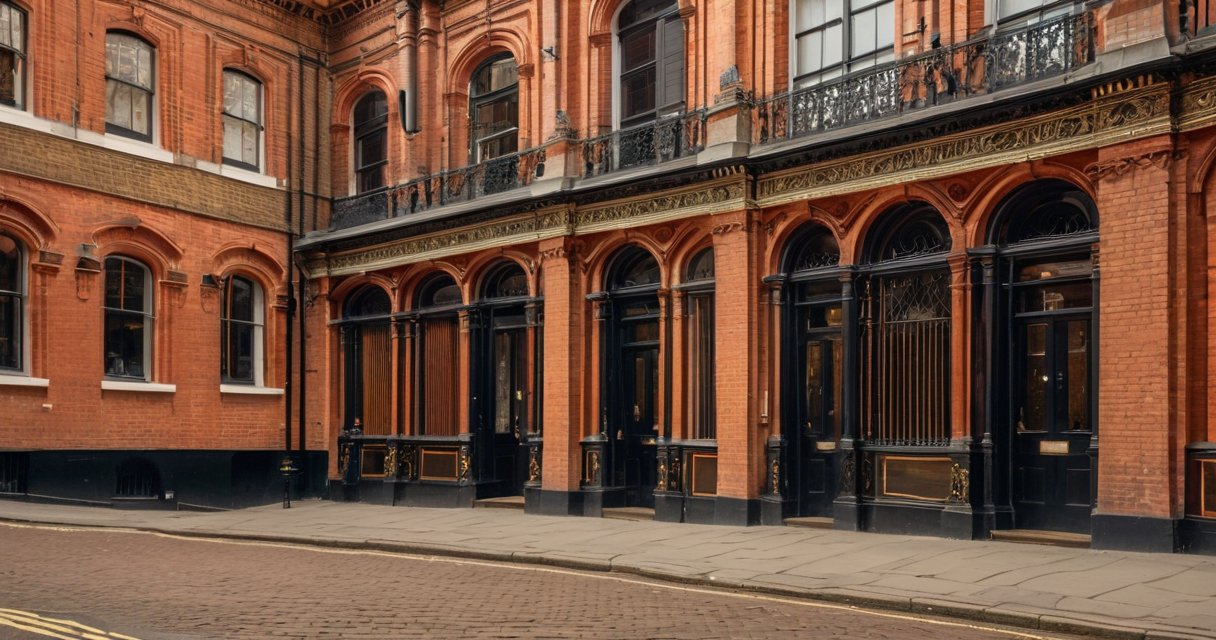
Introduction to Music Heritage Locations in London
London’s music heritage is a vibrant tapestry woven through centuries of cultural evolution, reflecting the city’s prominent role on the global stage. As one of the world’s leading capitals for creativity and artistic expression, London has nurtured generations of influential musicians and composers whose work has shaped music history worldwide. The city’s historic music sites London are not merely buildings; they serve as living monuments to an extraordinary legacy of sound and innovation.
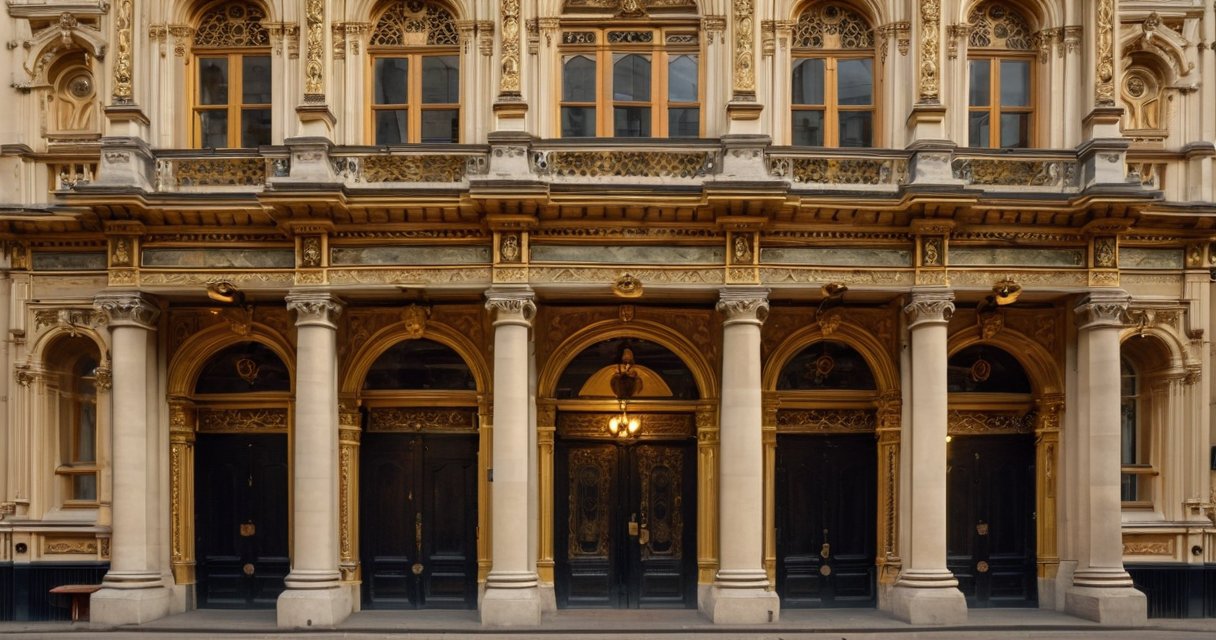
From classical composers to pioneering rock bands, London’s music heritage reveals a rich diversity of styles and movements that have left an indelible mark on global music culture. Many iconic music locations in London have hosted legendary performances and recorded seminal albums, becoming pilgrimage sites for enthusiasts and scholars alike. These venues and landmarks bring to life the stories behind timeless songs and groundbreaking musical moments, offering insight into how the city’s dynamic atmosphere contributed to evolving music scenes.
Exploring London’s music heritage means discovering the footsteps of figures who revolutionised genres from opera and classical to jazz, punk, and pop. Historic theatres, studios, and clubs stand as testament to the city’s ongoing commitment to musical innovation and artistic excellence. This rich cultural fabric underpins much of today’s music history London continues to celebrate, ensuring that the legacy of past artists inspires future generations.
Ultimately, London’s music heritage and its iconic music locations represent more than just historical interest; they are pivotal to understanding how the city emerged as a powerhouse in the global music industry. Celebrating these locations allows us to appreciate the profound impact London has had—and continues to have—on music across the world.
Famous Music Venues with Historic Importance
London boasts a wealth of historic music venues that have played a pivotal role in shaping the city’s vibrant live music scene. These classic music venues are not just buildings; they are cultural landmarks that tell the story of London’s rich musical heritage. From grand concert halls to intimate clubs, each has contributed uniquely to London live music history.
One of the most iconic historic music venues in London is the Royal Albert Hall. Opened in 1871, this legendary concert hall has hosted countless world-renowned performances, from classical masterpieces to contemporary gigs. Its distinctive circular design and exquisite acoustics make it a favourite among performers and audiences alike. The Royal Albert Hall’s role in promoting both classical music and popular culture solidifies its place as a cornerstone of London’s musical landscape.
Another cornerstone of historic music venues London is the Roundhouse in Camden. Originally a railway engine shed, it was transformed in the 1960s into a hub for progressive music and countercultural movements. Throughout its history, the Roundhouse has welcomed legendary acts such as Jimi Hendrix and The Doors, embedding itself deeply in London live music history as a crucible of innovation and artistic expression.
The Royal Festival Hall, part of the Southbank Centre, is yet another example of a famous concert hall London treasures. Opening its doors in 1951, it was a symbol of post-war regeneration and cultural revival. Renowned for its superb acoustics and modernist architecture, the hall has been a vital platform for orchestras, choirs, and contemporary artists, bridging the traditional with the modern and enriching the city’s classic music venues portfolio.
Lastly, the 100 Club in Soho represents the enduring spirit of London’s live music scene. Established in 1942, this intimate venue became synonymous with the city’s burgeoning jazz and later punk movements. Its unassuming façade belies a rich history of nurturing musical talent and fostering community, affirming its status among the most treasured historic music venues London offers.
Together, these venues exemplify the diversity and depth of London’s music heritage, each contributing uniquely to the narrative of classic music venues that have shaped generations. They stand not only as places of entertainment but as living monuments to the enduring power of music in the cultural fabric of the city.
The Royal Albert Hall
The Royal Albert Hall stands as one of the most iconic and historic concert halls in London. Located in the heart of South Kensington, this magnificent structure was officially opened in 1871 by Queen Victoria and has since become a symbol of the city’s rich cultural heritage. The hall’s distinctive circular design and magnificent domed roof create an awe-inspiring atmosphere that continues to captivate visitors and audiences alike.
Architecturally, the Royal Albert Hall is a masterpiece of Victorian design, featuring a terracotta exterior adorned with intricate friezes and mosaics that celebrate the arts and sciences. The building was originally conceived as part of Prince Albert’s vision to promote cultural and scientific excellence, and its majestic appearance has made it a landmark in the London skyline. The hall’s impressive acoustics and elegant seating arrangement make it a preferred venue for a wide range of performances.
Throughout its long history, the Royal Albert Hall has hosted some of the most renowned events in Albert Hall music history. From classical concerts and rock performances to ballet shows and charity events, the venue has welcomed legendary artists such as The Beatles, Luciano Pavarotti, and Adele. Its reputation as a famous London music venue is well-deserved, serving as the stage for the annual BBC Proms and numerous other prestigious occasions that celebrate the diversity and vibrancy of the city’s music scene.
The 100 Club
One of the most iconic historic London music clubs, The 100 Club London has long stood as a cornerstone of the city’s vibrant live music scene. Established in 1942, this legendary venue has witnessed the evolution of numerous music genres, but it is perhaps best celebrated for its pivotal role in punk and rock music London history. Located on Oxford Street, The 100 Club has provided an intimate stage for emerging and established bands, making it an essential stop for music enthusiasts from around the world.
The significance of The 100 Club London extends beyond its physical location. It was here in 1976 that the inaugural 100 Club Punk Festival took place, a groundbreaking event that helped to catapult punk music from the underground into the mainstream. Bands such as The Sex Pistols, The Clash, and Siouxsie and the Banshees all played seminal gigs at the venue, cementing its reputation as a cradle for punk rock innovation. This festival and many others have shaped the cultural landscape of punk and rock music London is famed for.
Today, The 100 Club continues to thrive as one of London’s premier live music venues, showcasing a diverse lineup that honours its rich heritage while embracing new talents. For anyone interested in experiencing historic London music clubs or immersing themselves in the raw energy of live performances, The 100 Club London remains a must-visit destination that embodies the spirit and history of the city’s music scene.
Notable Music Heritage Sites Beyond Venues
London’s music heritage extends far beyond its famous concert halls and clubs, encompassing a wealth of historic music locations that have shaped the city’s rich cultural tapestry. While iconic venues are undoubtedly central to London’s musical identity, there is an equally significant array of museums, monuments, and other landmarks that celebrate the city’s enduring influence on the global music scene. These music heritage sites offer a fascinating glimpse into the stories and legacies of some of the greatest artists and movements that have called London home.
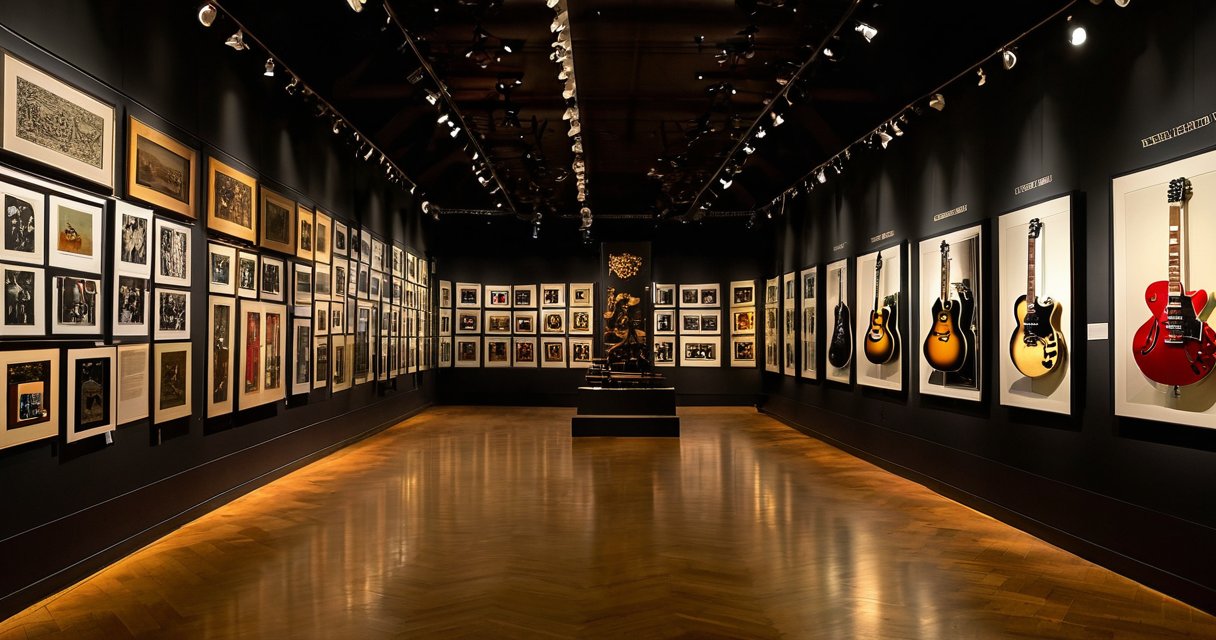
One prominent example is the British Music Experience, located on the South Bank. This museum provides an immersive journey through the history of popular music in the UK, featuring interactive exhibits and invaluable artefacts. It represents a key destination for those interested in exploring London music landmarks from a historical perspective, showcasing everything from early rock ’n’ roll to contemporary pop sensations. The British Music Experience not only honours legendary musicians but also highlights the broader cultural shifts that have influenced music in London and beyond.
Another significant site is Abbey Road Studios, immortalised by The Beatles’ iconic album cover. Though known primarily as a recording venue, the studios themselves function as a living monument to London’s musical innovation. While tours are limited, the pedestrian crossing outside serves as an unofficial shrine attracting fans worldwide. This is one of many historic music locations in London where the physical environment embodies the creative spirit that has long thrived in the city.
In addition to museums and studios, several statues and plaques scattered around London commemorate influential musicians and musical moments. For example, the David Bowie statue in Brixton pays tribute to one of London’s most transformative musical legends, while the numerous blue plaques found throughout the city denote the homes and workplaces of iconic artists. These musical landmarks are tangible reminders of the individuals who helped shape London’s distinct sound and global reputation as a hub of musical innovation.
Finally, the EMI Archive Trust, although not always open to the public, houses a treasure trove of historical recordings and memorabilia, preserving invaluable material related to London’s music heritage sites. This archive plays a crucial role in safeguarding the city’s sonic history and support ongoing research and exhibitions. Together, these non-venue landmarks complement London’s vibrant live music scene and illustrate the city’s profound and diverse contributions to the world of music.
The British Music Experience
Situated prominently in London, the British Music Experience stands as a premier music museum London visitors cannot miss. This esteemed music heritage museum is dedicated to celebrating the rich tapestry of British music history through its extensive collections and dynamic exhibitions. From iconic instruments to rare memorabilia, the museum offers an immersive journey across decades of musical evolution in the UK.
The British Music Experience’s galleries showcase a wide array of artefacts spanning genres from rock and pop to classical and electronic music. Visitors can explore costumes worn by legendary performers, vintage record players, handwritten song lyrics, and exclusive audio-visual displays that bring the stories of British artists vividly to life. This unique approach makes the museum an essential destination for music enthusiasts and cultural tourists alike.
London music exhibitions here are thoughtfully curated to highlight not just the stars but also the cultural and social impact of British music. Through interactive elements and educational programmes, the British Music Experience fosters a deep appreciation of the nation’s musical heritage. Whether you’re a lifelong fan or a curious newcomer, the museum offers a fascinating insight into the soundtracks that have shaped British identity.

I love exploring London’s hidden corners and sharing what I discover with fellow travellers. When I’m not wandering the streets of the capital, I enjoy writing detailed guides that help others make the most of their visit.