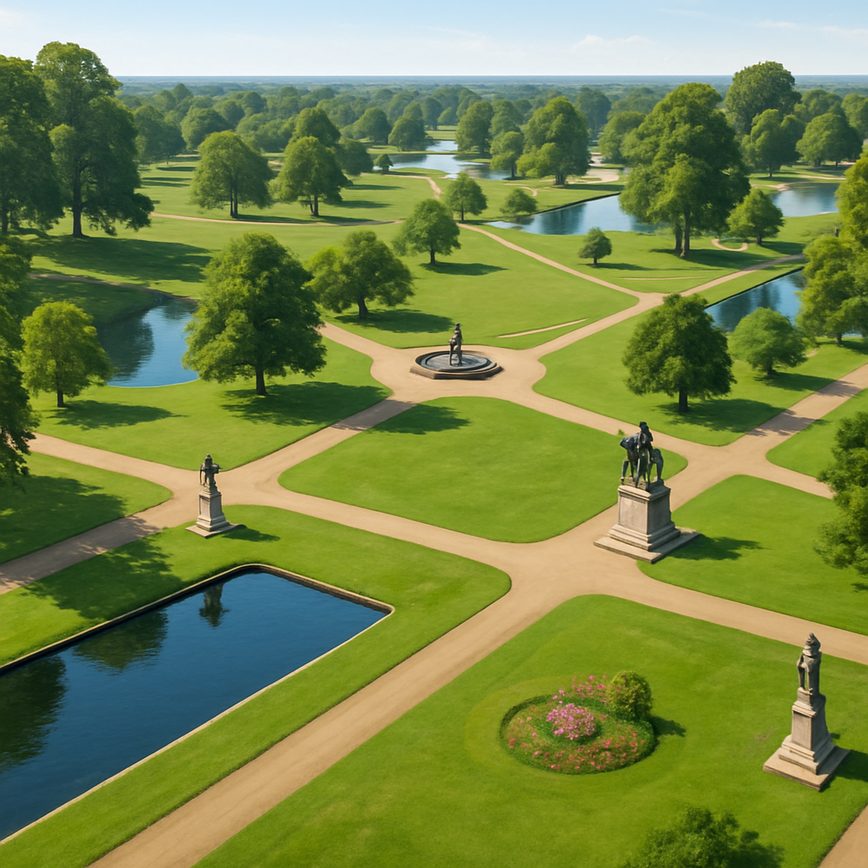
Over time, historical changes brought significant shifts in how these royal parks were perceived and utilized. As societal structures evolved and the influence of monarchies waned, there was a gradual opening of these once-private domains to broader segments of society. The evolution from exclusive retreats to public amenities was driven by changing political ideologies, urban expansion, and a growing recognition of the importance of green spaces for public health and recreation.
Throughout the centuries, park development strategies adapted to the needs of their times, incorporating landscaped gardens, walking paths, and cultural landmarks. This transition highlights a remarkable blend of preservation and innovation, allowing royal parks to retain their historical essence while serving as vital communal spaces. Today, these parks stand as living monuments to their multifaceted history, illustrating the continuous evolution from royal hunting preserves to cherished public parks enjoyed by all.
Cultural and Social Significance of Royal Parks Today
Royal parks in the UK continue to hold profound cultural significance, serving not only as green oases within bustling urban environments but also as emblematic spaces that reflect the country’s rich heritage. These parks are much more than picturesque landscapes; they act as vital community parks that foster social interaction, recreation, and a sense of belonging among diverse groups of people. Through a blend of history, nature, and community engagement, royal parks maintain their relevance and importance in modern society.
One of the key social roles of royal parks today is their function as venues for a myriad of community activities and public events. From open-air concerts and cultural festivals to health and wellness programs, these parks provide accessible spaces where people can gather, celebrate, and participate in shared experiences. This helps to strengthen community bonds and promote social cohesion. Events held within royal parks often embrace inclusivity, catering to all age groups and backgrounds, thereby reinforcing the parks’ standing as democratic spaces for public enjoyment.
In addition to their social function, royal parks play an indispensable role in conservation efforts. Many are home to rare species of flora and fauna and serve as protected areas that contribute to preserving biodiversity in urban settings. Conservation programs managed within these parks often include educational initiatives aimed at raising public awareness about environmental stewardship and sustainability. By balancing the needs of urban development with ecological preservation, royal parks demonstrate a harmonious integration of natural and social priorities.
The cultural significance of royal parks is also evident in their architectural features, historic landmarks, and carefully curated landscapes that narrate centuries-old stories of the monarchy and the UK’s evolving society. Visitors engage with history tangibly, learning about past monarchs, royal ceremonies, and historical events through guided tours, exhibitions, and interpretive signage scattered throughout the parks. This cultural dimension adds depth to the visitor experience, making royal parks not just spaces for leisure but also for education and reflection.
Ultimately, royal parks embody a unique blend of nature, history, and community spirit. As community parks, they enrich daily life by providing spaces for relaxation, recreation, and social interaction, while also safeguarding the cultural and natural heritage of the UK. Their continued relevance in modern society underscores the vital role these green lungs play in enhancing urban living, promoting wellbeing, and nurturing a shared cultural identity.
Conservation and Wildlife Protection
In contemporary times, royal parks have become pivotal spaces for conservation and wildlife protection, integrating environmental efforts into their management practices. These expansive green areas, historically serving as royal hunting grounds or leisure retreats, now prioritize the preservation of biodiversity and natural habitats. Efforts focus on maintaining native flora and fauna, ensuring that ecosystems within the parks remain balanced and resilient against urban encroachment.
Conservation initiatives include habitat restoration projects, where damaged or degraded areas are rehabilitated to support local wildlife. Wetlands, woodlands, and grasslands within these parks are carefully managed to sustain species diversity, from birds and mammals to insects and plant life. Wildlife protection programs often involve monitoring populations to prevent poaching and disturbance, alongside educational outreach to inform visitors about the ecological importance of the parks.
Environmental efforts extend to reducing human impact through sustainable park management. This includes promoting responsible visitor behavior, controlling pollution, and implementing waste reduction schemes. Collaboration with environmental organizations and government bodies further strengthens these efforts, combining resources and expertise to enhance the health of royal park ecosystems. Ultimately, these modern conservation and wildlife protection strategies ensure that royal parks remain vital urban oases where nature thrives alongside people.
Recreational and Cultural Events
Royal parks are vibrant venues that host a diverse array of popular cultural and recreational events, fostering public engagement and offering rich leisure experiences. These events range from open-air concerts and theatrical performances to seasonal festivals and community fairs, all designed to celebrate cultural heritage and enhance recreational opportunities for visitors of all ages.
One of the key attractions in royal parks is the summer music festivals, which draw large crowds eager to enjoy live performances set against the stunning backdrop of historic landscapes. These festivals not only provide entertainment but also promote cultural expression and community spirit, making the parks a hub of activity throughout the season. Additionally, events such as outdoor art exhibitions and heritage tours allow visitors to immerse themselves in the cultural and historical significance of the park grounds.
Recreational events like charity runs, guided nature walks, and family fun days encourage healthy lifestyles and public interaction with nature, strengthening the connection between the community and these green spaces. Public engagement is further enriched through workshops and educational programs that highlight environmental conservation, local history, and artistic creativity.
Overall, the cultural and recreational events held in royal parks play a vital role in making these spaces accessible and enjoyable for everyone. They celebrate the uniqueness of the parks while supporting community well-being and fostering a collective appreciation for heritage and recreation.
Overview of Royal Parks in the United Kingdom
Royal parks in the United Kingdom are a unique and cherished part of the country’s heritage and public landscape. Originally established as hunting grounds or private estates for the monarchy, these parks have evolved into accessible public parks that offer a blend of natural beauty, recreational spaces, and historical significance. They hold a special place in UK parks, providing green oases amidst bustling urban environments such as London and other major cities.
One of the defining characteristics of royal parks is their royal connection, which often dates back centuries. Many parks were once exclusive domains reserved for royal leisure and hunting, which means they often include historic buildings, monuments, and expansive landscaped gardens maintained with great care. These parks are protected by specific regulations that preserve their unique character and ensure they remain open for public enjoyment, reinforcing their status as treasured public parks.
In terms of significance, royal parks serve multiple roles beyond just providing pretty vistas. They contribute to biodiversity by providing habitats for a wide range of wildlife, and they play a crucial role in the ecological health of urban areas. Furthermore, these parks are cultural and recreational hubs, hosting numerous events, sports activities, and festivals throughout the year. Their well-maintained pathways, lakes, and open spaces attract both locals and tourists, making them core destinations within the UK’s extensive network of public parks.
From the historical legacy bound within their boundaries to their modern-day function as recreational areas, royal parks symbolize a harmonious blend of tradition and contemporary public use. Their continued preservation and accessibility highlight the commitment to maintaining these green spaces for generations to come, ensuring that the public can enjoy the serenity and grandeur of royal parks while appreciating their deep-rooted historical background.
Definition and Purpose of Royal Parks
A royal park is a designated open space originally established by the monarchy and reserved for the exclusive use of the sovereign and their court. The primary definition of a royal park encompasses lands that were set aside by a royal charter, granting them special status and protection. These parks are not merely public green spaces but carry historical significance tied closely to the monarchy’s needs and privileges.
The royal park purpose was initially centered around hunting, recreation, and conservation of wildlife, especially deer. Kings and queens used these parks as hunting grounds, which was a favored pastime and a demonstration of power and status. Beyond leisure, royal parks also served important ecological functions, preserving large tracts of land within or close to urban areas.
In addition to their recreational and ecological roles, the park function included acting as ceremonial spaces for royal events and a symbol of royal authority over the land. Their maintenance reflected the monarchy’s commitment to heritage and shaped the urban landscape around them. Over time, many royal parks have evolved into treasured public spaces, preserving their historical essence while serving the community.
List of Major Royal Parks
The United Kingdom hosts several major royal parks, each with its own unique charm and historical significance. Among the most renowned are Hyde Park, Regent’s Park, and Richmond Park, all situated in London and offering a serene escape from the bustling city life.
Hyde Park is one of London’s largest and most famous royal parks. It has been a public park since the 17th century and is well-known for its vast open spaces, the Serpentine lake, and Speaker’s Corner, where public speeches and debates have been held for over a century. Hyde Park remains a popular spot for recreational activities, concerts, and seasonal events.
Regent’s Park, another major royal park, boasts beautifully landscaped gardens, a large boating lake, and the famous London Zoo. Designed in the early 19th century by John Nash, Regent’s Park is cherished for its floral displays and spacious terraces, making it a favourite among families and visitors seeking a picturesque setting.
Richmond Park, in contrast, offers a more natural and wild experience. Known for its ancient woodlands and large population of deer, it is one of the largest enclosed royal parks in London. Richmond Park provides a tranquil environment perfect for walking, cycling, and wildlife observation, reflecting the historic royal hunting grounds.
Historical Background of Royal Parks
The history of royal parks is deeply intertwined with the royal heritage of many nations, serving as living monuments of the past and symbols of aristocratic privilege and leisure. Originating primarily as hunting grounds and private retreats for monarchs, these parks have evolved over centuries, reflecting changes in landscape design, social values, and governance.
The origins of royal parks can often be traced back to the medieval period, when kings and queens designated expansive tracts of land as protected hunting preserves. These areas were not only crucial for sustaining royal hunting traditions but also demonstrated the monarch’s power to control and manage vast territories. Royal patronage was instrumental in the establishment and maintenance of these parks, often involving elaborate constructions such as lodges, walls, and gates to accommodate noble pursuits.
Throughout history, royal parks have undergone significant transformations. While many retained their original function as exclusive hunting grounds for centuries, some were adapted and opened for public enjoyment, especially from the 18th century onward, as attitudes towards nature and public access shifted. This historical change marked a transition from purely private royal domains to important cultural and recreational assets for the wider community.
The design and management of royal parks often mirrored prevailing trends in landscape architecture, from formal gardens to naturalistic parklands. Royal involvement was not only limited to the founding and financing of parks but extended to commissioning renowned landscape architects and gardeners, further embedding royal heritage in the aesthetic and functional aspects of these spaces.
In summary, the history of royal parks presents a fascinating narrative of their origins as royal hunting preserves, the enduring influence of royal patronage, and the historical changes that have transformed them. These parks stand as testimonies to the rich royal heritage and the evolving relationship between nature, power, and society.
Medieval Origins and Royal Patronage
The medieval origins of royal parks are deeply rooted in the history of monarchy and aristocratic power. During medieval times, these parks were established primarily as hunting grounds for kings and nobles, serving both recreational and strategic purposes. The creation of royal parks was often closely tied to royal patronage, with monarchs playing a pivotal role in designating lands for exclusive use, ensuring their preservation, and enhancing their prestige. These parks were carefully managed and protected by legal means, such as forest laws, reflecting their importance to the ruling elite.
Royal patronage was essential not only in the establishment but also in the ongoing maintenance of these medieval parks. Monarchs used their influence and resources to develop these open spaces into symbols of power and control over the natural world. Through grants and charters, kings could allocate the status of royal parks, restricting public access and securing hunting privileges for the crown and its favored subjects. This patronage system reinforced the social hierarchy while also contributing to the cultural and environmental legacy of the period.
The historical origins of royal parks reflect a confluence of leisure, governance, and status. Medieval parks were much more than simple green spaces; they were emblematic of royal authority and shaped the landscape of the times. The term ‘medieval parks’ encapsulates this heritage, underscoring the ongoing tradition of royal ownership and care that laid the groundwork for many of today’s historical parks.
Evolution Through the Centuries
The evolution of royal parks reflects a fascinating journey through centuries of transformation, showcasing the dynamic nature of park development. Originally conceived as private hunting grounds for monarchs and nobility, these parks were carefully curated spaces where the elite could indulge in leisure and sport away from the public eye. This early phase was marked by enclosed woodlands and game reserves, emphasizing exclusivity and royal privilege.
Over time, historical changes brought significant shifts in how these royal parks were perceived and utilized. As societal structures evolved and the influence of monarchies waned, there was a gradual opening of these once-private domains to broader segments of society. The evolution from exclusive retreats to public amenities was driven by changing political ideologies, urban expansion, and a growing recognition of the importance of green spaces for public health and recreation.
Throughout the centuries, park development strategies adapted to the needs of their times, incorporating landscaped gardens, walking paths, and cultural landmarks. This transition highlights a remarkable blend of preservation and innovation, allowing royal parks to retain their historical essence while serving as vital communal spaces. Today, these parks stand as living monuments to their multifaceted history, illustrating the continuous evolution from royal hunting preserves to cherished public parks enjoyed by all.
Cultural and Social Significance of Royal Parks Today
Royal parks in the UK continue to hold profound cultural significance, serving not only as green oases within bustling urban environments but also as emblematic spaces that reflect the country’s rich heritage. These parks are much more than picturesque landscapes; they act as vital community parks that foster social interaction, recreation, and a sense of belonging among diverse groups of people. Through a blend of history, nature, and community engagement, royal parks maintain their relevance and importance in modern society.
One of the key social roles of royal parks today is their function as venues for a myriad of community activities and public events. From open-air concerts and cultural festivals to health and wellness programs, these parks provide accessible spaces where people can gather, celebrate, and participate in shared experiences. This helps to strengthen community bonds and promote social cohesion. Events held within royal parks often embrace inclusivity, catering to all age groups and backgrounds, thereby reinforcing the parks’ standing as democratic spaces for public enjoyment.
In addition to their social function, royal parks play an indispensable role in conservation efforts. Many are home to rare species of flora and fauna and serve as protected areas that contribute to preserving biodiversity in urban settings. Conservation programs managed within these parks often include educational initiatives aimed at raising public awareness about environmental stewardship and sustainability. By balancing the needs of urban development with ecological preservation, royal parks demonstrate a harmonious integration of natural and social priorities.
The cultural significance of royal parks is also evident in their architectural features, historic landmarks, and carefully curated landscapes that narrate centuries-old stories of the monarchy and the UK’s evolving society. Visitors engage with history tangibly, learning about past monarchs, royal ceremonies, and historical events through guided tours, exhibitions, and interpretive signage scattered throughout the parks. This cultural dimension adds depth to the visitor experience, making royal parks not just spaces for leisure but also for education and reflection.
Ultimately, royal parks embody a unique blend of nature, history, and community spirit. As community parks, they enrich daily life by providing spaces for relaxation, recreation, and social interaction, while also safeguarding the cultural and natural heritage of the UK. Their continued relevance in modern society underscores the vital role these green lungs play in enhancing urban living, promoting wellbeing, and nurturing a shared cultural identity.
Conservation and Wildlife Protection
In contemporary times, royal parks have become pivotal spaces for conservation and wildlife protection, integrating environmental efforts into their management practices. These expansive green areas, historically serving as royal hunting grounds or leisure retreats, now prioritize the preservation of biodiversity and natural habitats. Efforts focus on maintaining native flora and fauna, ensuring that ecosystems within the parks remain balanced and resilient against urban encroachment.
Conservation initiatives include habitat restoration projects, where damaged or degraded areas are rehabilitated to support local wildlife. Wetlands, woodlands, and grasslands within these parks are carefully managed to sustain species diversity, from birds and mammals to insects and plant life. Wildlife protection programs often involve monitoring populations to prevent poaching and disturbance, alongside educational outreach to inform visitors about the ecological importance of the parks.
Environmental efforts extend to reducing human impact through sustainable park management. This includes promoting responsible visitor behavior, controlling pollution, and implementing waste reduction schemes. Collaboration with environmental organizations and government bodies further strengthens these efforts, combining resources and expertise to enhance the health of royal park ecosystems. Ultimately, these modern conservation and wildlife protection strategies ensure that royal parks remain vital urban oases where nature thrives alongside people.
Recreational and Cultural Events
Royal parks are vibrant venues that host a diverse array of popular cultural and recreational events, fostering public engagement and offering rich leisure experiences. These events range from open-air concerts and theatrical performances to seasonal festivals and community fairs, all designed to celebrate cultural heritage and enhance recreational opportunities for visitors of all ages.
One of the key attractions in royal parks is the summer music festivals, which draw large crowds eager to enjoy live performances set against the stunning backdrop of historic landscapes. These festivals not only provide entertainment but also promote cultural expression and community spirit, making the parks a hub of activity throughout the season. Additionally, events such as outdoor art exhibitions and heritage tours allow visitors to immerse themselves in the cultural and historical significance of the park grounds.
Recreational events like charity runs, guided nature walks, and family fun days encourage healthy lifestyles and public interaction with nature, strengthening the connection between the community and these green spaces. Public engagement is further enriched through workshops and educational programs that highlight environmental conservation, local history, and artistic creativity.
Overall, the cultural and recreational events held in royal parks play a vital role in making these spaces accessible and enjoyable for everyone. They celebrate the uniqueness of the parks while supporting community well-being and fostering a collective appreciation for heritage and recreation.

I love exploring London’s hidden corners and sharing what I discover with fellow travellers. When I’m not wandering the streets of the capital, I enjoy writing detailed guides that help others make the most of their visit.