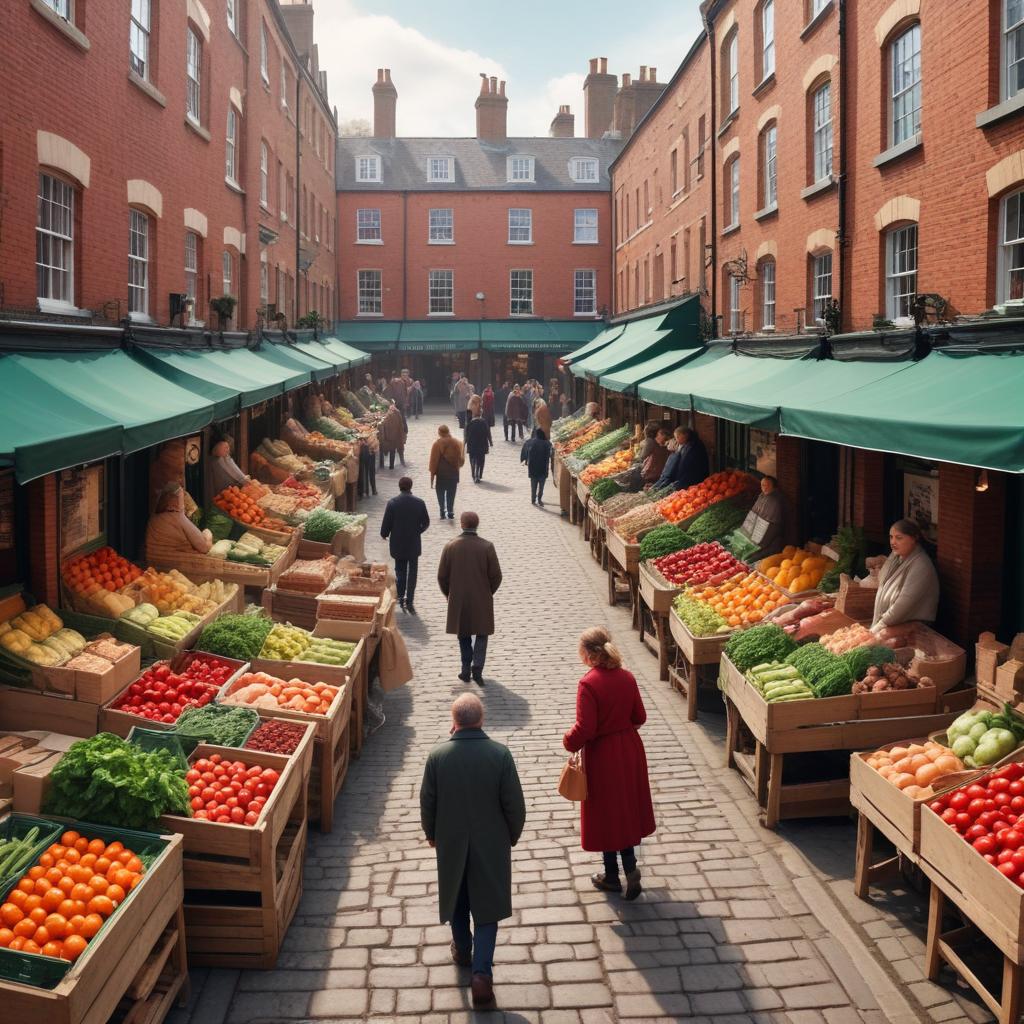
Overview of Traditional Food Markets in London
Traditional food markets in London hold a special place in the city’s vibrant food culture, serving as lively hubs where history, community, and culinary traditions come together. These London markets have been integral to the urban fabric for centuries, offering locals and visitors alike an authentic taste of the city’s rich gastronomic heritage. Far more than just places to buy fresh produce, they represent a cultural snapshot of the city’s evolving food scene and social dynamics.
The importance of traditional food markets in London extends beyond their commercial function; they are venues for social interaction, cultural exchange, and the preservation of culinary customs. Established many decades ago, some markets in London date back to medieval times, growing organically as focal points of commerce and community life. Over the years, these markets have adapted to meet changing consumer preferences while maintaining their unique character and charm.
Historically, these traditional food markets in London emerged as essential centers where farmers, fishermen, and artisans could sell their fresh goods directly to the public. This direct connection between producers and consumers helped shape London’s food culture, fostering trust in the quality and provenance of food. As the city expanded with waves of immigration, these markets also became melting pots of diverse culinary influences, further enriching the variety of food on offer and reflecting London’s multicultural identity.
Today, London markets continue to play a crucial role in the city’s food culture by providing access to fresh, locally sourced ingredients alongside exotic and international specialties. They are vibrant spaces where shoppers can discover everything from traditional British produce to rare delicacies from around the world. This diversity not only supports small-scale producers and artisans but also promotes sustainable food practices and preserves culinary traditions. From bustling street stalls to historic market halls, traditional food markets in London remain a cornerstone of the city’s dynamic food culture and a must-visit for anyone eager to experience authentic flavors and local life.
History and Evolution of London’s Food Markets
London’s food market history stretches back centuries, rooted deeply in the city’s role as a commercial and cultural hub. Traditional markets in London originally emerged as essential centers where local farmers and merchants traded fresh produce, meat, fish, and other goods. These markets often began as weekly or daily gatherings in open squares or near churches, serving the local communities with vital supplies. Over time, the increasing population and urban expansion led to the establishment of designated market areas such as Borough Market, Smithfield Market, and Billingsgate Fish Market, which became iconic landmarks renowned for their diversity and quality.
The evolution of traditional markets in London reflects broader social and economic changes. The Industrial Revolution, for instance, introduced new transportation and refrigeration technologies, allowing markets to expand their variety and freshness. By the 19th and 20th centuries, London’s food markets evolved further into structured and regulated spaces to ensure hygiene, safety, and fair trading practices. More recently, many traditional markets have adapted to contemporary tastes and lifestyles by incorporating artisanal foods, organic produce, and international cuisines, appealing to food enthusiasts and tourists alike. This ongoing market evolution highlights the dynamic nature of London’s food culture, blending heritage with innovation.
Today, London’s traditional food markets stand as vibrant symbols of the city’s rich culinary history. They continue to foster community connections and support local producers, while embracing new trends and technologies. Thus, the story of London food market history is one of resilience and adaptation, ensuring these markets remain central to the city’s gastronomic and social fabric well into the future.
Cultural Significance and Community Impact
Traditional food markets in London play a vital role in preserving and promoting the city’s rich market culture. These community markets serve as vibrant hubs where local vendors showcase their unique products, creating an authentic shopping experience that connects residents and visitors to the heart of the city’s culinary heritage. The cultural significance of these markets extends beyond just food; they reflect the diverse traditions and histories of London’s various neighborhoods.
Community markets foster strong social ties, offering a space for people to gather, interact, and celebrate local customs. Shoppers not only find fresh, quality produce but also develop relationships with the vendors, many of whom are passionate artisans and small-scale farmers. This interaction enriches the market culture and encourages a sense of belonging and mutual support within the community.
Moreover, traditional food markets support the local economy by providing opportunities for small businesses to thrive. They act as incubators for entrepreneurial ventures, allowing local vendors to gain visibility and customer loyalty. By emphasizing local produce and handmade goods, these markets contribute to sustainability and help preserve culinary traditions that might otherwise be lost in the face of mass retail.
In sum, traditional food markets in London are much more than places to buy groceries. They are cultural landmarks that strengthen community bonds and celebrate the city’s diverse food heritage, underscoring the enduring value of market culture in urban life.
Notable Traditional Food Markets in London
London is home to some of the most notable markets renowned for their vibrant atmosphere, authentic food stalls, and rich cultural heritage. Exploring these famous London markets offers a unique experience that combines traditional culinary delights with a lively community spirit. This market guide will take you through several must-visit spots that have stood the test of time and continue to serve locals and tourists alike.
One of the most iconic markets is Borough Market, situated near London Bridge. Known for its broad array of fresh produce, artisan cheeses, and gourmet street food, Borough Market is a culinary haven. Here, food stalls offer everything from traditional British pies to international delicacies, making it a perfect spot for food lovers seeking authentic flavors in a bustling environment.
Another famous London market is Camden Market, which blends its historic roots with a contemporary edge. While Camden is well-known for its eclectic fashion stalls, the food section provides a rich diversity of traditional and fusion cuisine. Visitors can savor everything from classic fish and chips to vegan treats, showcasing the innovative spirit of London’s street food scene.
For those interested in a more traditional market experience, Maltby Street Market offers an intimate, community-based vibe with a focus on quality and freshness. This market is less touristy but beloved by locals for its exceptional food stalls featuring artisanal breads, smoked fish, and seasonal fruits and vegetables. The charm of Maltby Street lies in its blend of old-world food traditions with modern culinary creativity.
Covent Garden Market, while famous as a shopping and entertainment district, also holds a longstanding reputation for its food market. The market offers an exquisite selection of traditional British fare alongside international cuisine, presented by vendors committed to quality and authenticity. This diversity makes it an essential stop on any market guide focused on notable markets in London.
Finally, the vibrant Old Spitalfields Market is a treasure trove for those seeking a mix of traditional British dishes and global street food. It hosts a variety of food stalls selling everything from hearty Sunday roasts to exotic spices and sweets. Its historic setting combines with contemporary flavors, making it a must-visit for those wanting to experience the depth of London’s market culture.
In conclusion, London’s notable traditional food markets offer a rich tapestry of tastes and experiences. From the gourmet stalls of Borough Market to the diverse eats of Camden and Spitalfields, each market provides a unique glimpse into the city’s heritage and modern culinary innovation. Whether you are a seasoned foodie or a curious traveler, these famous London markets are essential destinations for savoring authentic food and soaking in the vibrant market atmosphere.
Borough Market
Located in the heart of London, Borough Market is one of the city’s oldest and most iconic traditional food markets. With a rich history dating back over 1,000 years, this historic market has evolved into a vibrant hub for artisan food and fresh produce. Borough Market is renowned for its commitment to quality, offering a wide range of specialty goods sourced from local farmers, producers, and international vendors alike.
The market boasts a diverse array of vendor types, including butchers, bakers, cheese makers, and fishmongers, as well as stalls selling an eclectic mix of street food from around the world. Each vendor at Borough Market takes pride in delivering exceptional products, whether it’s organic vegetables, handmade charcuterie, or freshly baked artisanal bread. This dedication to freshness and craftsmanship is what sets Borough Market apart and continually draws food lovers.
Borough Market’s enduring popularity stems from its unique blend of tradition and innovation. Visitors can immerse themselves in the market’s lively atmosphere, tasting seasonal delights while exploring stalls that showcase both traditional British fare and global cuisine. Its convenient location near London Bridge, combined with its remarkable selection of premium products, ensures that Borough Market remains a top food destination in London for both locals and tourists seeking an authentic culinary experience.
Maltby Street Market
Maltby Street Market is a vibrant and bustling destination renowned for its lively atmosphere that perfectly captures the essence of street food culture in London. Nestled under railway arches, this market offers an intimate and authentic experience, quite distinct from larger, more commercial markets. The aroma of diverse cuisines fills the air, drawing in both locals and tourists eager to explore the culinary delights on offer.
The market is famed for its fantastic variety of street food stalls, where London market vendors showcase their culinary skills with innovative and traditional dishes alike. Popular food stalls include those serving gourmet grilled cheese sandwiches, freshly made paellas, and inventive vegan treats that cater to all tastes. Each stall has its own unique charm, contributing to an eclectic and colourful market vibe.
What makes Maltby Street Market especially appealing is its community-focused spirit, which invites visitors to mingle and enjoy the vibrant social environment while tasting some of London’s best street food. Whether you’re a food enthusiast or just looking for an atmospheric spot to unwind, Maltby Street Market offers an unforgettable experience that keeps people coming back for more.
Whitechapel Market
Whitechapel Market is a vibrant East London market renowned for its rich diversity and authentic ethnic food offerings. Situated in the heart of an area celebrated for its multicultural community, the market is a culinary hub where traditional vendors bring an array of flavors from across the globe. From fragrant spices and fresh produce to exotic street food, Whitechapel Market captures the essence of London’s global palate.
The market’s stalls are primarily run by traders who have honed their craft over generations, preserving long-standing culinary traditions. The ethnic food available at Whitechapel Market reflects the cultural heritage of the many immigrants who have settled in this part of East London, including South Asian, Middle Eastern, and African communities. This creates a unique food experience that is both authentic and diverse.
Whitechapel Market plays a crucial role in East London’s food scene by acting as a melting pot of cultures and tastes. It not only serves the local community but also attracts food enthusiasts eager to explore traditional vendors’ specialties. Whether you’re seeking fresh ingredients for cooking or ready-to-eat delicacies, Whitechapel Market offers a vibrant snapshot of London’s ethnic food landscape, making it an indispensable part of the city’s culinary identity.
Tips for Visiting Traditional Food Markets in London
When planning a market visit in London, preparation is key to fully enjoy the vibrant atmosphere of traditional food markets. Start by researching the market’s opening hours and busiest times; many markets are lively during weekends and mornings, so arriving early can help you avoid crowds and get the freshest produce.
One essential piece of market visit tips is to carry cash, although many vendors now accept cards, some still prefer cash for smaller purchases. Bringing a reusable bag will also make it easier to carry your finds and support sustainable shopping practices.
Wear comfortable footwear and dress in layers, as markets can be expansive and the weather in London unpredictable. Check the forecast beforehand but be prepared for any sudden change—markets often spill outdoors.
Food market advice encourages visitors to engage with vendors. Don’t hesitate to ask questions about the origin of products or for tasting samples. This interaction can enrich your experience and guide you to unique, authentic items you might not otherwise discover.
When planning your market visit, consider visiting several markets in one day if they are located near each other, such as Borough Market and Maltby Street Market. This way, you enjoy diverse offerings from different neighborhoods, from gourmet treats to traditional British comfort foods.
Lastly, be mindful of local customs and etiquette, especially during busy hours. Respect queues, avoid blocking walkways, and be patient. Following these London food market tips will ensure a pleasant experience for you and fellow shoppers as you explore some of the best food markets the city has to offer.
Best Times to Visit and What to Expect
To make the most of your trip to London’s traditional food markets, it’s important to consider the best visit times. Typically, early mornings right when the market opens provide the freshest food selections and a less crowded atmosphere. Market hours usually start around 8 or 9 AM, making this the ideal time for food enthusiasts who want to avoid peak crowd expectations and enjoy a relaxed browsing experience.
Late mornings, especially on weekends, tend to draw larger crowds as locals and tourists flock to sample the diverse offerings. If you prefer to dodge the busiest times, visiting on weekday mornings or early afternoons is a smart choice. Seasonal market tips also suggest that some markets become livelier and offer a wider array of products during harvest seasons or holiday periods, so planning your visit accordingly can enrich your experience.
Moreover, some markets close earlier in the afternoon, so arriving too late means missing out on unique or limited items and potentially facing reduced vendor variety. In summary, the best visit times balance early arrival with awareness of seasonal changes, helping you avoid crowds while enjoying the freshest products. Keeping market hours and crowd expectations in mind guarantees a delightful visit to London’s vibrant food markets.
How to Navigate and Enjoy the Markets
Navigating traditional food markets in London can be a delightful experience when you know how to get the most out of your visit. Start by planning your route through the market to avoid missing hidden gems and popular stalls. Observing market navigation tips such as following the flow of foot traffic and exploring side aisles will help you cover more ground efficiently.
When it comes to sampling, be adventurous but polite. Many vendors offer small portions to encourage taste testing, so feel free to try a variety of foods. However, remember that these samples are meant to give you a taste rather than a full meal. Always ask before taking any food, and if you decide to buy, choose your favorite treats as a thank you to the vendor.
Market etiquette is equally important to ensure a pleasant experience for everyone. Respect the vendors and their space by not touching products unnecessarily and keeping your voice at a considerate level. Be patient when queues form, and avoid blocking aisles or standing too close to stalls as others browse.
To truly enjoy markets, take your time to soak in the lively atmosphere. Engage with vendors about their specialties, share stories, and learn about the origins of the foods you sample. This respectful and curious approach enhances your visit and supports the tradition of these vibrant market communities.

I love exploring London’s hidden corners and sharing what I discover with fellow travellers. When I’m not wandering the streets of the capital, I enjoy writing detailed guides that help others make the most of their visit.