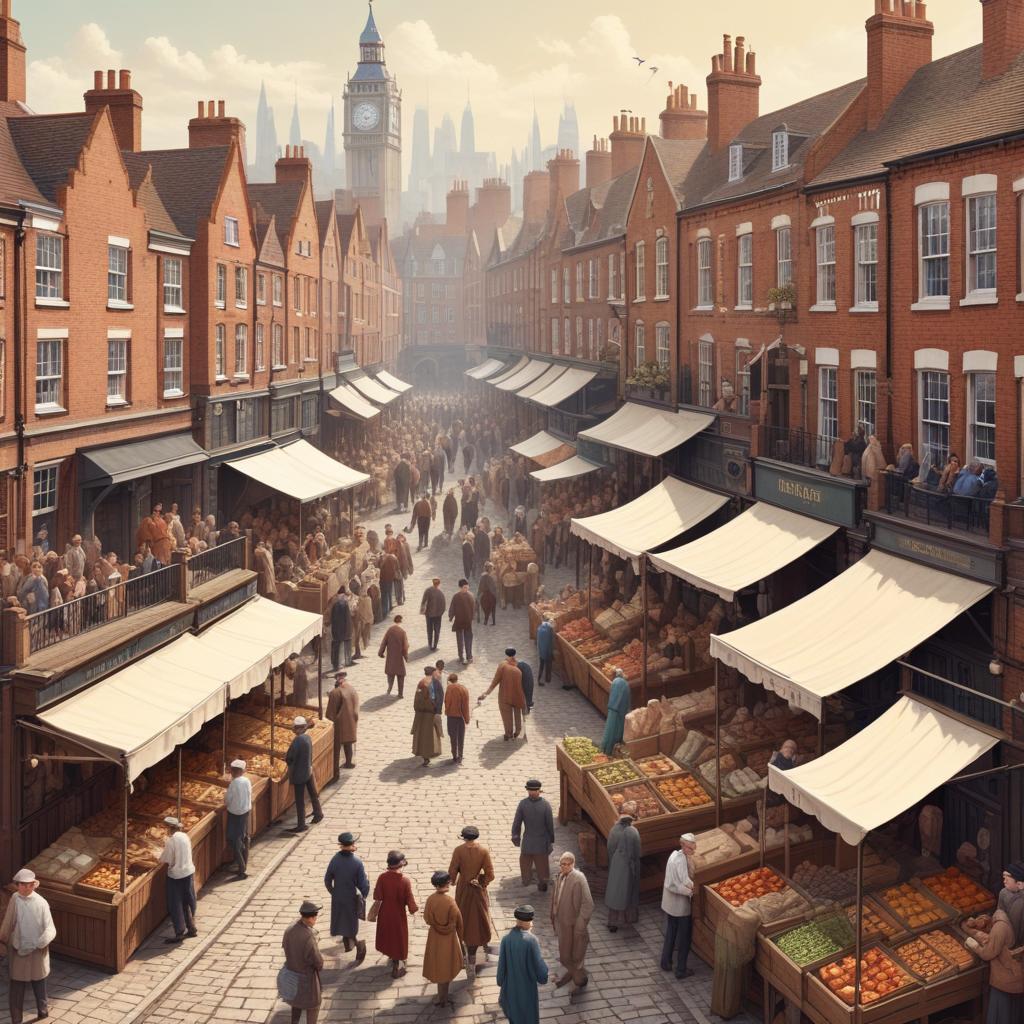
Overview of Historical Markets in London
Historical markets in London hold a unique place in the tapestry of the city’s rich heritage. These traditional markets, some dating back centuries, offer a glimpse into London’s market history and the economic fabric that shaped this bustling metropolis. From their modest beginnings as simple gathering spots for merchants and local producers, these ancient London markets evolved into vital centers of commerce, culture, and community interaction.
The origins of historical markets in London can be traced back to medieval times when trade was primarily conducted through open-air stalls and market squares. These markets were often granted charters by the monarchy, allowing them to operate legally and enjoy certain privileges. Over time, they became hubs of economic activity, where artisans, farmers, and traders could sell their goods directly to the public, fostering a thriving local economy and supporting generations of Londoners.
Beyond their economic contributions, traditional markets in London have played a significant cultural role. They serve as vibrant meeting places where people from diverse backgrounds come together, exchanging not just goods, but stories and traditions. Many of these markets have retained their historical charm while adapting to modern times, preserving the spirit of community and continuity that defines them.
Today, these ancient London markets continue to attract locals and tourists alike who appreciate the blend of history, culture, and commerce. Each market tells a story of London’s past, showcasing its development through the ages. As cherished landmarks, they contribute to the city’s identity and offer an enduring link to the history and economy of one of the world’s greatest capitals. Understanding these markets enriches our appreciation of historical markets London-wide and highlights their ongoing importance in maintaining London’s vibrant market culture.
The Role of Markets in London’s Development
Markets have played a pivotal role in the market history of London, serving as key drivers in the city’s development over the centuries. From medieval times, markets were essential hubs for trade and commerce, attracting merchants, craftsmen, and buyers from near and far. This influx of activity not only bolstered London’s economic history but also significantly influenced urban growth and infrastructure development.
As London expanded, markets acted as focal points around which neighborhoods and transport routes were established. The concentration of goods and services in markets encouraged the clearing of land for shops, stalls, and warehouses, thereby transforming the city’s physical landscape. Markets such as Smithfield and Borough became integral to the social and economic fabric, facilitating the exchange of produce, raw materials, and manufactured goods.
The market influence extended beyond commerce, affecting governance and city planning. Authorities often regulated market activities to ensure order and hygiene, leading to the creation of specialized market buildings and designated market days. This structured approach to commerce helped London evolve from a modest settlement into a thriving metropolitan center ranked among the world’s preeminent cities. Ultimately, the continuous operation and adaptation of markets underscore their enduring contribution to London’s historic and ongoing development.
Characteristics of Traditional London Markets
Traditional markets in London have long been characterized by their bustling atmosphere and unique market features that reflect the rich history of market trade in the city. Typically, these markets consist of rows of stalls where traders sell a diverse array of goods, ranging from fresh produce and meats to textiles and handcrafted items. Each stall is often manned by a friendly trader who not only offers their products but also engages in personal interactions with customers, maintaining customs that have been passed down through generations.
The market layout usually encourages lively bargaining, a custom ingrained in London’s traditional markets, which adds to the vibrant market culture unique to the city. Historically, London markets were places where people from all walks of life gathered, creating a social hub as much as an economic one. The goods offered were often seasonal and locally sourced, showcasing the variety of produce and craftsmanship available in different parts of London.
These markets symbolize more than just commerce; they represent a living tradition of market trade, where London customs shine through in the way business is conducted and community ties are strengthened. Despite the modernization of shopping habits, these traditional markets retain their historic charm through their distinctive stalls, dedicated traders, and the authenticity of the goods offered, continuing to attract both locals and visitors alike.
Notable Historical Markets Still Operating Today
London is renowned worldwide for its vibrant market culture, steeped in rich history and tradition. Among its many attractions, several famous London markets continue to thrive, blending heritage with contemporary commerce. These active historic markets not only offer a unique shopping experience but also serve as cultural landmarks that reflect the city’s diverse spirit and evolution over centuries.
One of the most iconic operating markets in London is Borough Market, located near London Bridge. Established in the 12th century, Borough Market has grown into one of the largest and most celebrated food markets in the city. Visitors can explore a wide range of fresh produce, artisanal foods, specialty cheeses, street food, and gourmet ingredients sourced both locally and internationally. Its lively atmosphere and historic setting make it a must-visit location for food enthusiasts and tourists alike.
Camden Market, situated in north London, is another prominent example of London’s active historic markets. Known for its eclectic mix of vintage clothing, crafts, and international cuisine, Camden Market thrives as a cultural hotspot. It originally began as a small market in the 1970s but has since expanded to include multiple markets, each with a distinct character, offering everything from handmade jewelry to artistic prints. Its location by the Regent’s Canal adds to the charming and bustling vibe that draws millions annually.
Spitalfields Market, located in East London, boasts a history dating back to the 17th century. It remains an essential market location in London, combining antiques, fashion, and food stalls with historic architecture. The market regularly hosts events and fairs that celebrate both traditional crafts and modern design, making it a vibrant hub for locals and visitors seeking unique finds within a storied environment.
Covent Garden Market, famous for its stunning piazza and street performances, has been a trading site since the 1600s. Today, this historic market location in London offers a mix of handmade crafts, luxury goods, and gourmet food outlets set amidst a lively cultural scene. The blend of history with contemporary boutiques and events ensures Covent Garden remains a premier destination for experiencing London’s market heritage.
Finally, Greenwich Market in southeast London showcases the city’s commitment to preserving its historical markets while embracing modern creativity. Founded in the 14th century, it now hosts artisans, designers, and food vendors who sell unique handmade goods and delicious treats. Situated in the heart of the historic maritime Greenwich area, the market provides visitors with a quintessential London market experience rich in tradition and diversity.
These operating markets in London continue to thrive, supporting local economies and fostering community connections while preserving their historical significance. From Borough Market’s culinary delights to Camden’s creative culture and Greenwich’s artisanal charm, each market location in London offers a unique window into the city’s past and present, making them essential stops for anyone exploring London’s vibrant market scene.
Borough Market
Borough Market is one of the oldest and most celebrated historic food markets in London, with roots tracing back over 1,000 years. Originally established in the 12th century, it has evolved through centuries as a bustling hub for fresh produce, meats, and specialty foods. Its location near London Bridge made it a vital trading spot for market vendors bringing goods from the countryside to the city’s residents.
Throughout its history, Borough Market has undergone numerous transformations, particularly surviving the Great Fire of London and periods of urban redevelopment. In recent decades, it has experienced a renaissance as a premier destination among London food markets, combining traditional market charm with contemporary culinary innovation. Today, it hosts an impressive selection of market vendors offering everything from artisanal cheeses and organic vegetables to gourmet street food and international delicacies.
The market’s evolution has cemented its importance as a focal point for food lovers in London, attracting locals and tourists alike who seek authentic, high-quality food experiences. Borough Market not only preserves the heritage of London’s food trade but also highlights the best in sustainability and seasonal produce. It stands as a vibrant community space where heritage, culture, and gastronomy intertwine, making it an indispensable part of London’s food market scene.
Spitalfields Market
Spitalfields Market is one of London’s most iconic historic markets, with origins dating back to the 17th century. Originally established in 1638 to regulate the sale of foodstuffs, it has witnessed centuries of bustling trade and social activity. Over the years, the market became synonymous with the vibrant culture of East London, serving local residents and traders alike. Its rich heritage is deeply ingrained in the fabric of the city, making it a key landmark among historic markets in the capital.
Today, Spitalfields Market has undergone a remarkable transformation into a thriving fashion market London destination. It has evolved from a traditional marketplace into a modern hub where creativity and commerce intersect. The market now serves as an essential platform for emerging designers, fashion innovators, and creative traders who bring fresh energy and unique designs to London shopping enthusiasts. This blend of contemporary style alongside the market’s historic charm creates an unparalleled shopping experience.
Visitors to Spitalfields Market can explore a diverse array of stalls showcasing cutting-edge fashion, handmade crafts, and artisanal goods. The market’s adaptive spirit and commitment to supporting new talent have helped it maintain its relevance in an ever-changing retail landscape. As a result, Spitalfields Market stands as a testament to London’s ability to honor its historic markets while embracing modern trends, making it a must-visit spot for anyone interested in dynamic urban shopping and cultural heritage.
Smithfield Market
Smithfield Market holds a prominent place among historic wholesale markets in London, recognized as one of the city’s most significant meat markets. With a history dating back over 800 years, it has been the central hub for meat trading and processing, serving London’s population continuously. This iconic market has not only witnessed the evolution of the meat industry but has also adapted to modern demands while preserving its traditional role.
Situated in the heart of London, Smithfield Market is a cornerstone of the London food trade. Its strategic location and exceptional facilities have made it the go-to place for butchers, restaurateurs, and wholesalers seeking premium quality meat. The market is renowned for its extensive variety of meats, including beef, pork, lamb, and game, supplied by trusted sources committed to quality and sustainability.
Despite advances in food distribution technology and changes in consumer habits, Smithfield Market continues to thrive as a vital link in London’s food supply chain. It preserves traditional practices while incorporating modern hygiene standards and efficient logistics, ensuring it meets current market demands. As such, Smithfield Market remains a testament to the enduring legacy and importance of historic wholesale markets in supporting London’s vibrant and diverse food culture.
Visiting Historical Markets: Tips and Insights
Visiting London markets is an essential experience for any traveler looking to dive deep into the city’s vibrant culture and history. When planning a visit to these historic markets, having some market tips for London can make your trip both enjoyable and effortless. Whether you’re a local or a tourist, understanding the best times to visit and what to expect can enhance your visit and uncover the unique charm of each market.
One of the first things to consider when visiting London markets is timing. Many of these historic markets come alive early in the morning, with vendors setting up fresh produce, antiques, and artisan goods. For the most authentic and bustling experience, try to arrive mid-morning during weekdays, when the crowds are moderate but the selection is still fresh. Weekends tend to be busier, which can be exciting but also overwhelming if you prefer a relaxed stroll.
When embarking on historic market tours, it’s wise to wear comfortable shoes and be ready to explore on foot. These markets often span large areas with narrow alleys and quaint stalls that require walking and weaving through crowds. Bring a reusable bag for your purchases, and keep small change handy, as some vendors may not accept cards. Many markets also feature street food stalls where you can sample British classics or international flavors—perfect for a quick snack as you peruse the stalls.
Expect a diverse range of items when visiting London’s historic markets—from vintage clothing and antiques to handcrafted jewelry and fresh local produce. Each market has its unique vibe and specialties, so it’s worth doing a little research beforehand or joining a guided historic market tour to get insider tips and stories behind the stalls. This approach enriches your visit and helps you uncover hidden gems often missed by casual visitors.
Lastly, consider checking the weather forecast before you head out. London weather can be quite changeable, and many market stalls are outdoors or only partially covered. A light raincoat or umbrella can keep you comfortable without interfering with your market explorations. By incorporating these market tips for London into your travel plans, you can make the most of visiting these historic markets and come away with lasting memories and perhaps a few unique souvenirs. This advice is a valuable part of any London travel guide and will ensure your market visits are both memorable and meaningful.
Best Times to Visit
To make the most of your visit to London’s historic markets, timing is everything. Understanding market opening hours and choosing the best visiting times can significantly enhance your experience. Typically, these markets open early in the morning, around 8 or 9 AM, and stay open until late afternoon. However, the busiest periods are usually late mornings and weekends, when both tourists and locals flock to the stalls.
If you want to avoid large crowds and enjoy a relaxed atmosphere, consider visiting on weekday mornings, particularly Tuesday through Thursday. During these times, the markets tend to be less crowded, making it easier to browse stalls, chat with sellers, and take in the atmosphere. Arriving early also gives you access to the freshest goods and unique finds before they’re picked over.
For those who prefer more bustling, vibrant experiences but want to dodge the peak crowds, late afternoon visits on Saturdays can be ideal. Many markets begin to wind down after 3 PM, when the intense crowds start thinning out. Checking specific market schedules in advance ensures you catch any variations in days or special events.
In summary, to fully enjoy the historical markets in London without the hassle of crowds, plan your visit according to the market opening hours and aim for weekday mornings or late Saturday afternoons. This strategy will give you a more comfortable and authentic market experience, allowing you to savour the rich history and lively culture on offer.
What to Buy at Historical Markets
When exploring London’s historical markets, market shopping offers a treasure trove of traditional goods and unique finds. These markets are renowned for their artisanal foods, including freshly baked bread, gourmet cheeses, and handcrafted chocolates, all made using age-old recipes that reflect the rich culinary heritage of the city. Visitors can indulge in delicious, authentic tastes while supporting local producers.
Beyond food, historical markets are an excellent place to discover handcrafted souvenirs London vendors proudly create. From hand-stitched leather goods and vintage-inspired jewelry to bespoke clothing and beautifully crafted ceramics, these market products make thoughtful gifts or personal keepsakes that capture the essence of London’s vibrant culture. The charm of market shopping lies in finding these one-of-a-kind items that you wouldn’t encounter in regular shops.
Traditional goods such as antique books, old maps, and collectible coins also feature prominently, appealing to history enthusiasts and collectors alike. For those wanting a memento that truly speaks to London’s past, these markets offer goods with stories and craftsmanship that span generations. So whether you’re after edible delights or lasting keepsakes, historical markets in London provide a wonderful blend of market products that celebrate both the city’s heritage and its creative spirit.

I love exploring London’s hidden corners and sharing what I discover with fellow travellers. When I’m not wandering the streets of the capital, I enjoy writing detailed guides that help others make the most of their visit.