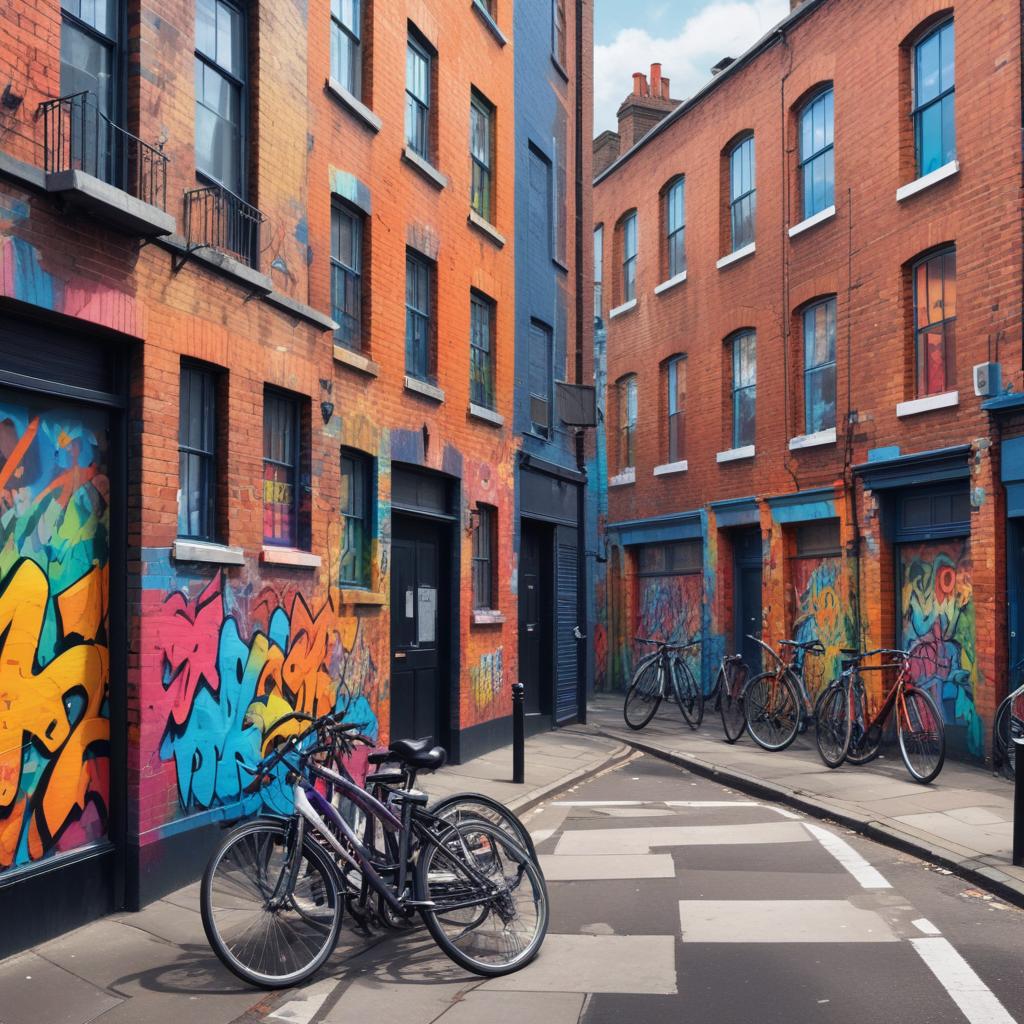
Overview of Street Art in London
Street art in London has long been a vibrant and dynamic form of urban expression that captures the spirit of the city’s diverse culture and history. From its early beginnings as rebellious graffiti on public walls to the celebrated urban art pieces that now decorate entire neighborhoods, London has established itself as a leading global hub for street art innovation. The streets of areas like Shoreditch, Camden, and Brixton have become open-air galleries where artists use their craft to communicate social commentary, political messages, and artistic creativity.
The evolution of London graffiti traces back to the 1980s when the city saw an influx of New York-style tagging and bombing, marking the urban landscape with vibrant signatures and messages. Over time, this raw form of expression evolved into more complex murals and mixed-media installations, blending styles and techniques from both local and international artists. Notable figures like Banksy, whose anonymous works have drawn global attention, helped legitimize street art as a respected art form and contributed significantly to its cultural impact in London and beyond.
London’s street art scene is not just about aesthetics—it plays a crucial role in urban regeneration, community identity, and social dialogue. It provides a platform for marginalized voices and fosters a sense of belonging and pride among local communities. Through its ever-changing and interactive nature, street art London continually challenges traditional notions of art and space, encouraging viewers to engage with the urban environment on a deeper level. The presence of street art also enhances tourism and local economies by attracting visitors eager to explore the city’s open-air art galleries.
In summary, the history and significance of street art in London reflect a rich tapestry of cultural influences and urban narratives. As an urban art overview, it highlights the city’s ability to embrace creative expression that transforms everyday spaces into meaningful cultural landmarks. London graffiti and street art serve as powerful symbols of artistic freedom and social change, making the city a continuously evolving canvas that celebrates the intersection of art, community, and history.
Popular Street Art Locations in London
London is a vibrant canvas for urban art and boasts some of the best street art London enthusiasts could hope to find. The city’s street art scene is diverse and constantly evolving, making it a hotspot for both locals and tourists eager to explore dynamic urban art locations. Let’s dive into some of the most iconic London street art spots that showcase the city’s creative pulse.
One of the most famous areas for street art in London is Shoreditch. This East London neighborhood is widely recognized as a hub for urban artistry, with walls and alleyways adorned with murals from world-renowned and emerging artists alike. Wander around Brick Lane and you’ll discover a rich tapestry of colorful, often politically charged artwork that captures the spirit of the area. Shoreditch’s street art is ever-changing, making each visit unique and captivating.
Another key location to check out is Camden Town. Known for its alternative culture, Camden offers an eclectic mix of street art that reflects the neighborhood’s edgy vibe. From large-scale murals to smaller stencil designs, the area is sprinkled with creativity that reflects the community’s vibrant and rebellious character. The street art here is complemented by the bustling markets and music venues, creating an immersive urban experience.
Further west, the area around the South Bank and Waterloo is emerging as another hotspot for London street art spots. This stretch along the River Thames blends contemporary installations with classic graffiti styles. The proximity to cultural landmarks adds to the appeal, making it a perfect blend of old and new artistic expressions. It’s a great spot for those looking to enjoy art alongside iconic London views.
Lastly, Peckham in South London has rapidly gained reputation as a vibrant location for street art lovers. The community here enthusiastically embraces urban art, with many walls featuring bold, colorful murals that bring the streets to life. This area reflects London’s diversity and creativity, cementing its place among the must-visit urban art locations for anyone interested in the city’s street art scene.
Exploring these major street art locations across London offers a fascinating glimpse into the city’s vibrant cultural fabric. Whether you are hunting for the best street art London has to offer or simply want to soak up the atmosphere at some of the hugely popular London street art spots, these areas promise unforgettable and visually striking experiences.
Shoreditch
Shoreditch has earned a renowned reputation as one of the premier destinations for Shoreditch street art, attracting enthusiasts from all over the world. Nestled in the heart of East London, this vibrant area is celebrated for its ever-evolving display of East London murals and graffiti Shoreditch which transform its streets into an open-air gallery. The creative energy here is palpable, with walls and alleyways adorned by a diverse range of styles—from bold, colorful pieces to intricate stencil art and provocative installations.
Some of the key murals in Shoreditch have become iconic landmarks, often crafted by artists who have left a significant mark on the street art scene. Renowned names such as Banksy have contributed to the area’s mystique, while contemporary talents like Stik, Ben Eine, and ROA add distinct flair to the urban canvas. Their work not only embellishes Shoreditch’s walls but also tells compelling stories that resonate with local culture and global themes.
Walking through Shoreditch’s colorful streets offers a unique opportunity to witness the dynamic intersection of art, culture, and community. Whether it’s the massive murals on Brick Lane or the hidden gems scattered across side streets, Shoreditch street art represents the pulse of East London’s creative spirit, making it a must-visit spot for anyone interested in the vibrant world of graffiti Shoreditch and East London murals.
Camden
Camden is a vibrant hub for Camden street art, offering an eclectic and dynamic outdoor gallery for enthusiasts of London alternative art. Known for its creative and rebellious spirit, the area is dotted with striking murals and vivid graffiti that reflect the diverse culture and artistic freedom synonymous with Camden Town. Visitors exploring the streets can witness constantly evolving artworks from local legends and emerging street artists alike.
For those interested in graffiti Camden Town style, several hotspots stand out. Around Camden Market, you will find a colorful array of walls, alleyways, and shutters covered with pieces that range from politically charged messages to playful, imaginative designs. The Camden Lock area also serves as a canvas for some of the most iconic street art pieces, with vibrant expressions that capture the pulse of London’s subculture.
| Location | Type of Art | Notable Features | Why Visit |
|---|---|---|---|
| Camden Market | Mixed murals & graffiti | Constantly changing, colorful, diverse themes | Experience the heart of Camden’s alternative art |
| Camden Lock | Iconic graffiti | Large-scale pieces, cultural significance | See some of the most photographed street art in London |
| Chalk Farm Road | Stencil and paste-up art | Street art from emerging and established artists | Explore unique styles and techniques |
| Black’s Link Alley | Graffiti and murals | Hidden gem for authentic Camden street art | Less touristy, raw artistic experience |
Whether you’re a dedicated street art follower or simply curious about London alternative art, Camden offers a vibrant expression of the city’s creative soul, making it a must-visit spot for art lovers and cultural explorers.
South Bank
The South Bank of the Thames is a dynamic hub for street art lovers, offering a vivid display of creativity that transforms this iconic London riverside location. The area is renowned for its captivating South Bank murals that span walls, bridges, and public spaces, injecting colour and character into the urban landscape. Walking along the promenade, visitors encounter a wealth of expressions from both established and emerging artists, showcasing a diverse range of styles and themes.
This stretch of street art South Bank is a living gallery where art meets the city’s vibrant cultural pulse. The murals reflect local life, global issues, and imaginative storytelling, making the South Bank murals not only visually engaging but also thought-provoking. The proximity to theatres, galleries, and bustling markets adds to the lively atmosphere that inspires and complements the street art scene.
Beyond the main promenade, the nearby areas also feature lesser-known yet equally compelling pieces, inviting exploration. These hidden gems reveal the depth of London riverside art, providing a broader perspective on the artistic vibrancy of the South Bank district. Whether it’s a colourful mural or a finely detailed stencil, the street art South Bank offers a unique cultural experience blending urban artistry with the scenic river backdrop.
Tips for Exploring London’s Street Art
Exploring London’s rich street art scene can be a thrilling experience for both tourists and locals. Whether you’re passionate about urban creativity or simply seeking to discover the city’s vibrant culture, there are several practical tips that will help you make the most of your London art exploration.
Firstly, joining street art tours London offers a guided and insightful approach, helping you uncover hidden gems and learn about the stories behind the graffiti spots. These tours are often led by local artists or experts who can provide context about the artists, styles, and the social messages embedded in the art. Booking a tour, especially if it includes lesser-known areas, can significantly enhance your appreciation and understanding of the city’s diverse street art landscape.
If you prefer a more independent adventure, map out your route ahead of time by researching popular visiting graffiti spots in London. Areas like Shoreditch, Camden, and Brixton are renowned for their dynamic and ever-changing murals, so they make excellent starting points. Be sure to bring a camera or smartphone, as many pieces are ephemeral and might change or disappear over time. Walking or cycling between locations is ideal because it allows you to soak in the urban environment and discover unexpected artworks along the way.
Timing your visit can also influence your experience. Weekdays usually mean fewer crowds, allowing you to take your time exploring the art and capturing photos without obstruction. Additionally, some street art festivals or events, like the annual London Mural Festival, showcase new works and provide opportunities to meet artists and other enthusiasts. Checking event schedules in advance can align your visit with these exciting occasions.
Finally, respect the street art culture by not defacing or vandalizing artworks and by being mindful of private property and local residents. Engaging respectfully with the art community enriches your experience and supports the preservation of this creative expression. Whether through tours, personal exploration, or photography walks, embracing these tips will ensure your journey through London’s street art is both memorable and rewarding.
Guided Tours and Maps
Exploring London’s vibrant street art scene is made easier with a variety of street art tours available throughout the city. These guided tours offer expert insights into the ever-changing graffiti and mural landscapes, led by knowledgeable locals passionate about urban art. Whether you prefer walking tours or bike rides, there is an option to suit every adventurer eager to uncover hidden gems and iconic pieces.
For those who enjoy exploring independently, a London graffiti map serves as an essential tool. These maps highlight key locations and popular art hotspots across different neighborhoods, allowing self-guided visits on your own schedule. Many online resources provide downloadable or interactive maps with detailed descriptions, making it easier to plan your route and explore areas known for dynamic street art scenes.
Art walk guides further enhance your experience by suggesting curated itineraries tailored to specific themes, styles, or districts. These guides often combine historical context with practical advice on navigating the city’s vibrant walls. Whether you are joining a street art tour or following a London graffiti map, understanding the layout of neighborhoods like Shoreditch, Camden, or Brixton will help you make the most of your visit.
By making use of guided tours, self-guided maps, and art walk guides, you can confidently explore London’s street art hotspots while gaining deeper appreciation for this dynamic urban culture.
Etiquette and Respect
When exploring street art locations across London, it’s essential to practice good street art etiquette to preserve the vibrancy and creativity of the urban landscape. Respect graffiti by refraining from touching, defacing, or altering the artworks. Every piece, whether a bold mural or a subtle stencil, represents an artist’s vision and effort, and treating it with care ensures its longevity for others to enjoy.
Visitors should also be mindful of legal considerations. Many street art works are created with permission, but tampering or adding unauthorized graffiti can result in fines or legal consequences. Always seek out legal walls or designated areas where street art is encouraged to avoid inadvertently contributing to vandalism.
Art preservation tips include keeping a respectful distance when photographing or admiring pieces and avoiding crowding that could damage the surfaces or nearby property. Sharing your appreciation on social media with proper credit to the artists helps support their work and raises awareness about the importance of protecting these open-air galleries. By following these guidelines, you contribute positively to the culture of street art and help maintain the dynamic art scene in London’s streets.

I love exploring London’s hidden corners and sharing what I discover with fellow travellers. When I’m not wandering the streets of the capital, I enjoy writing detailed guides that help others make the most of their visit.